
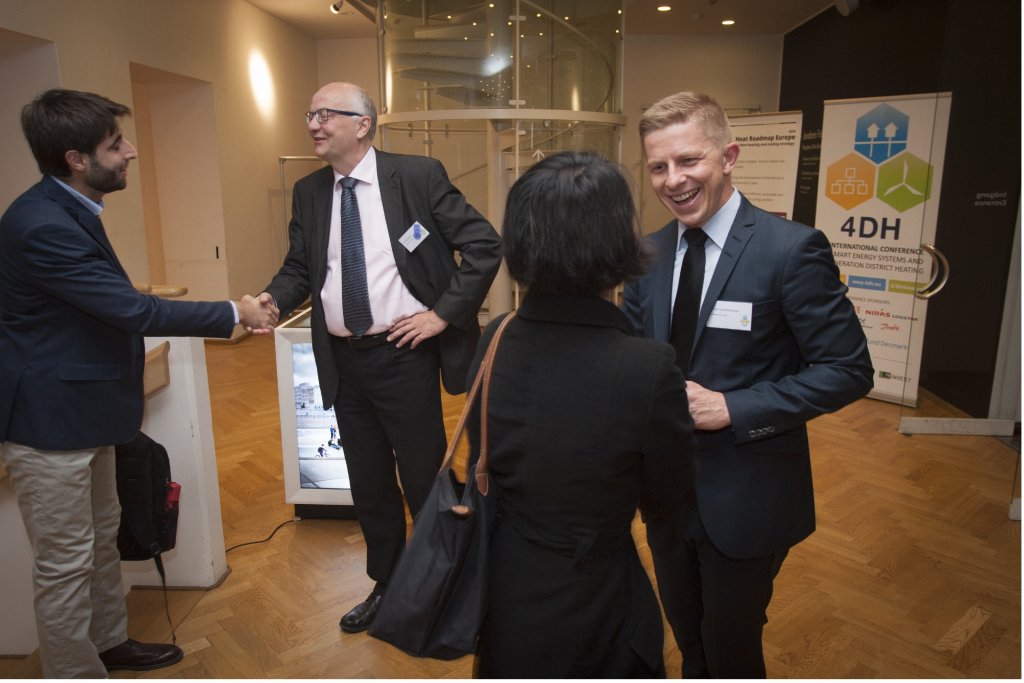
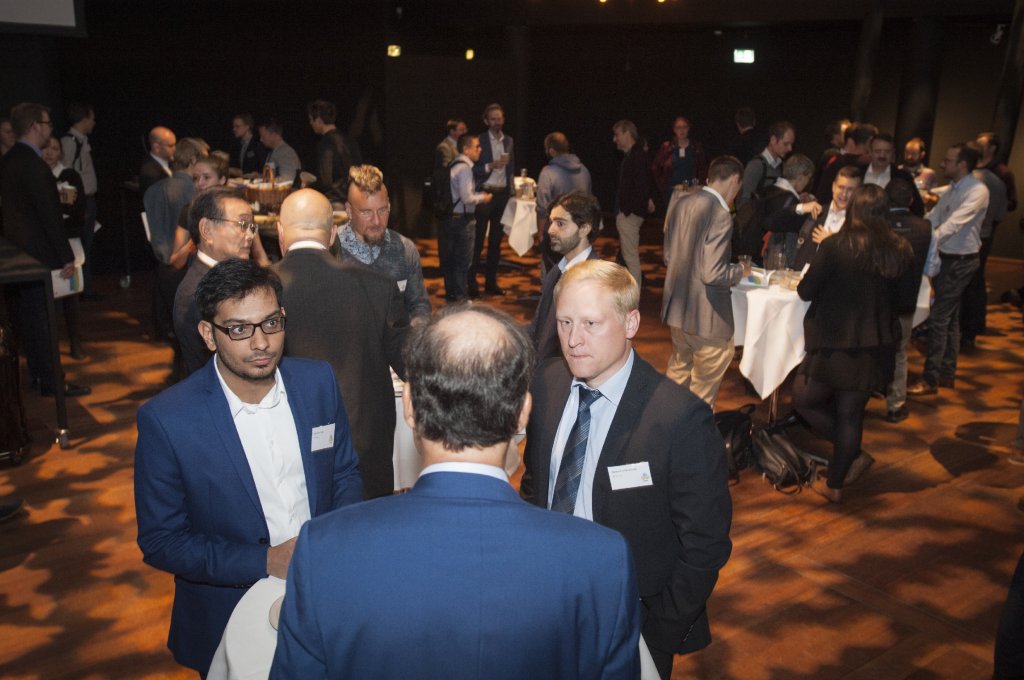
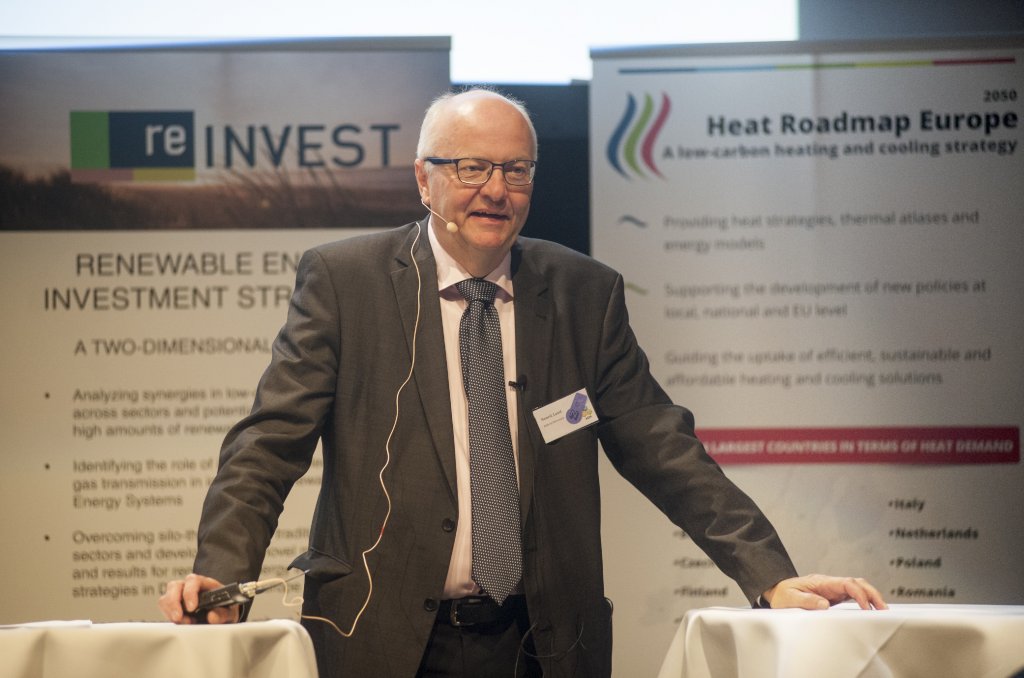
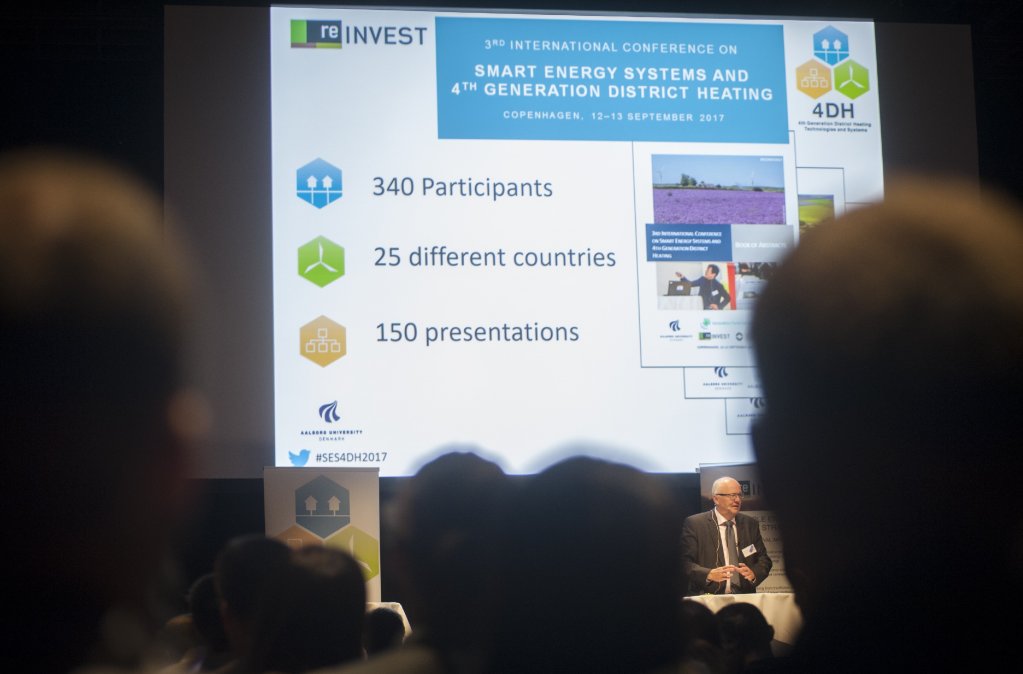
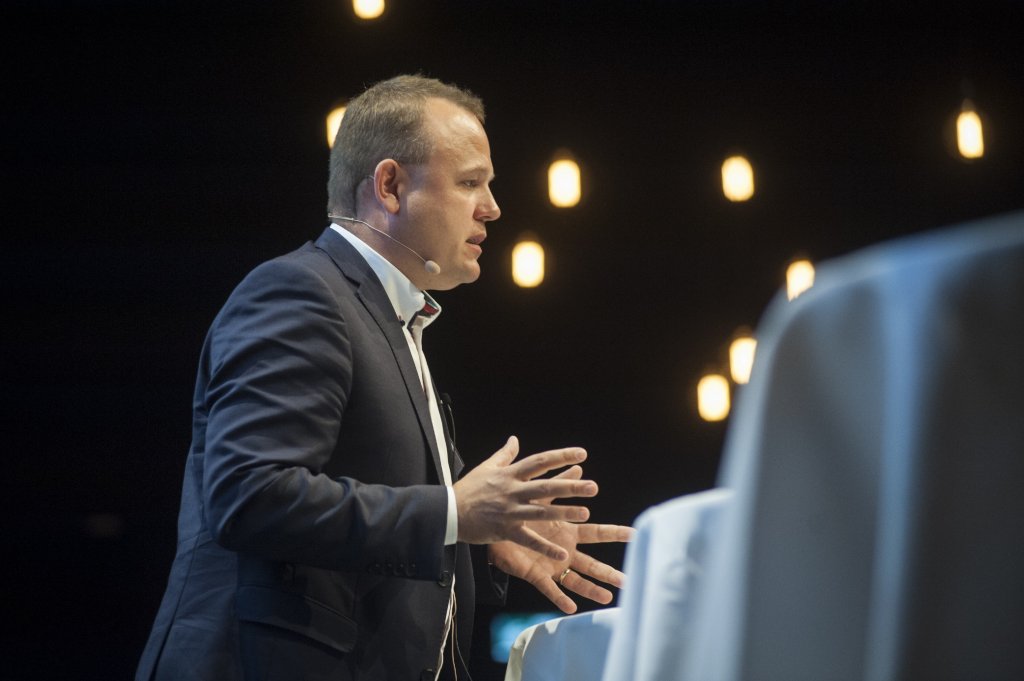
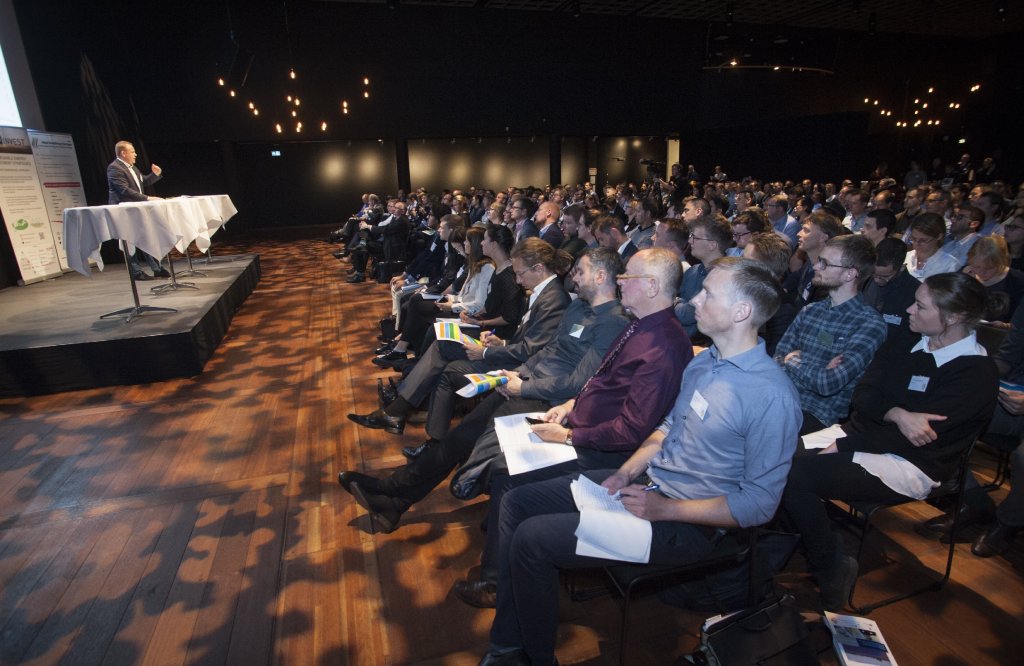
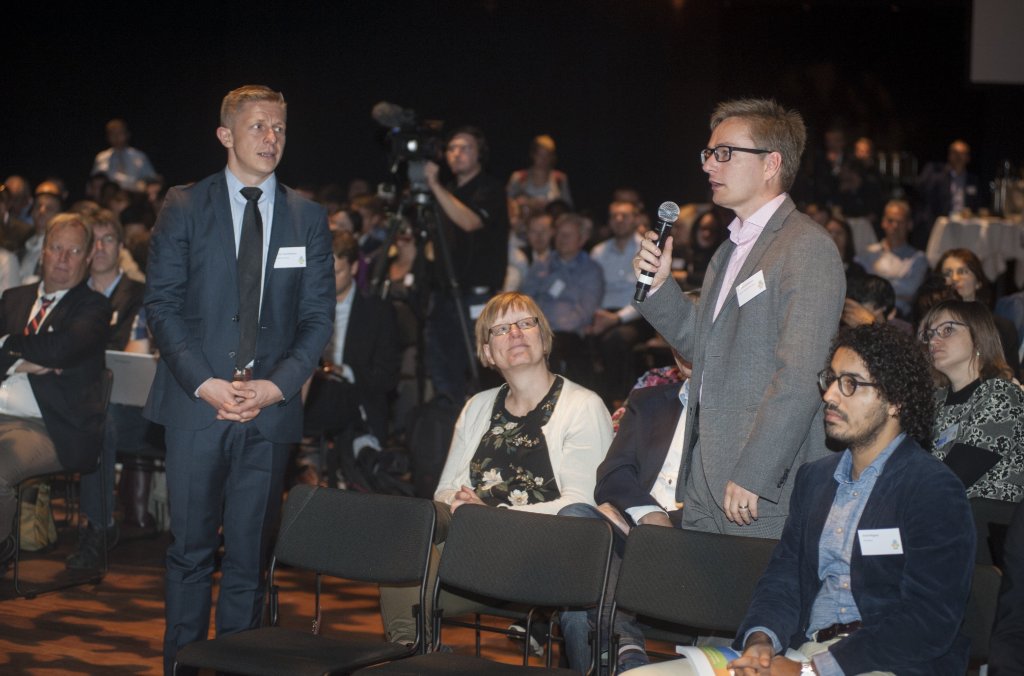
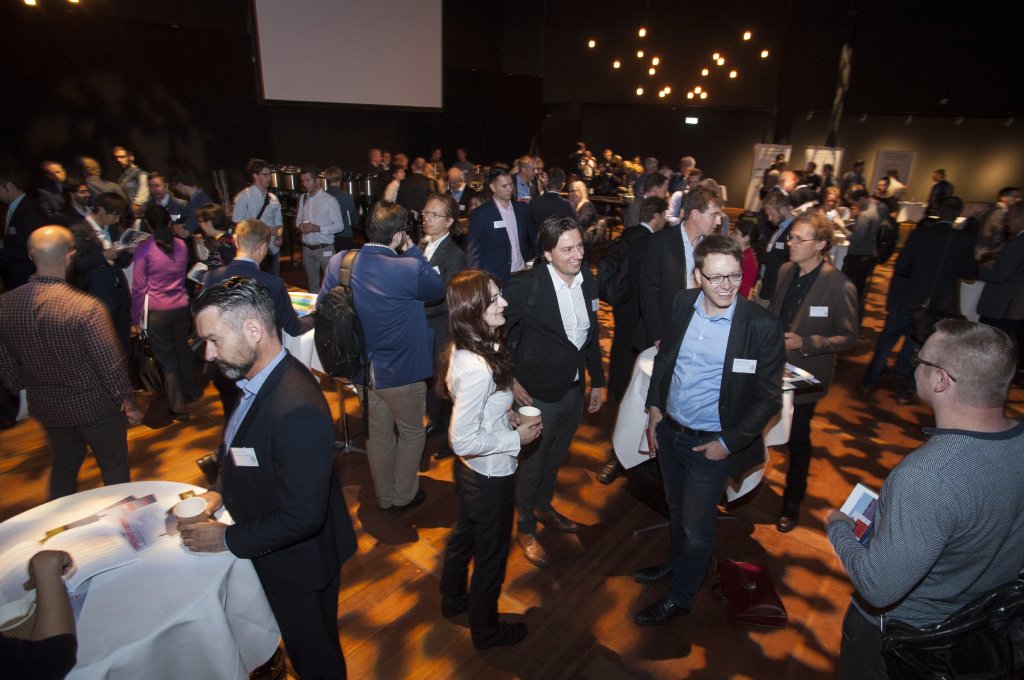
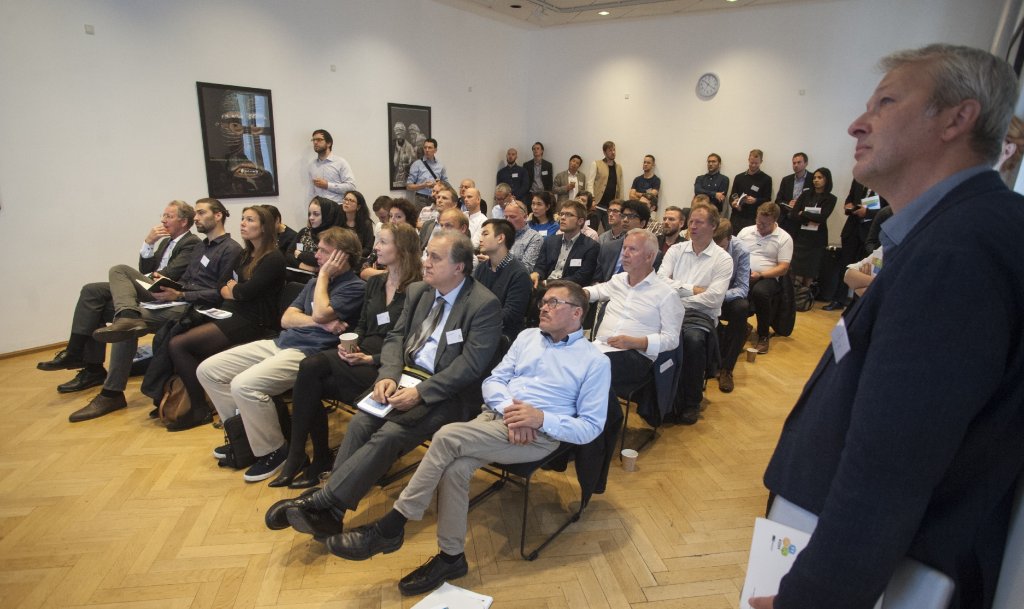
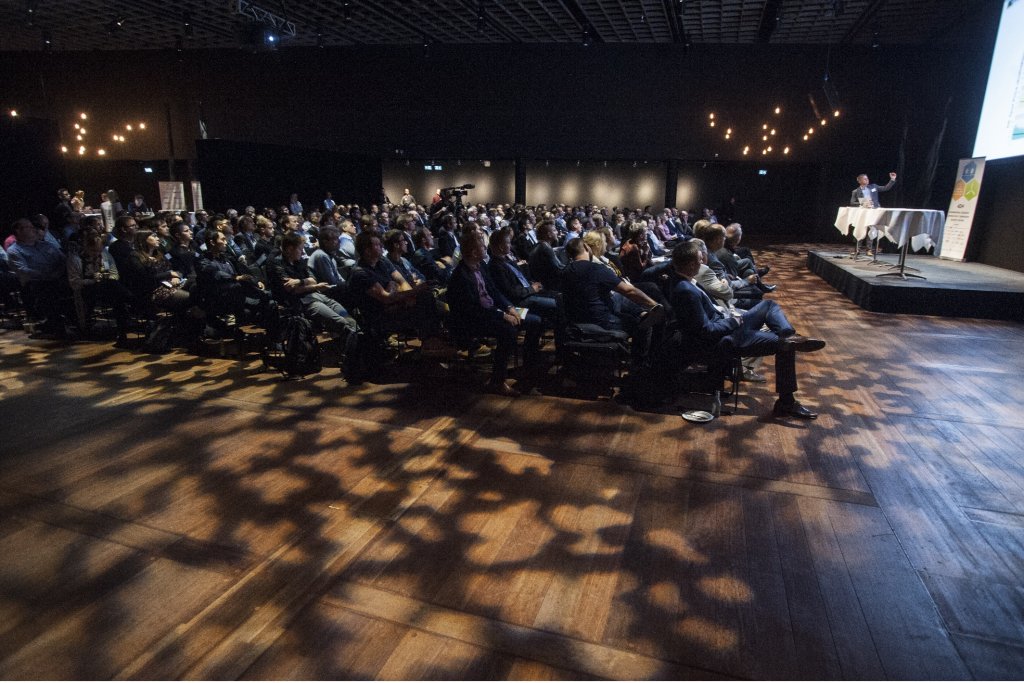
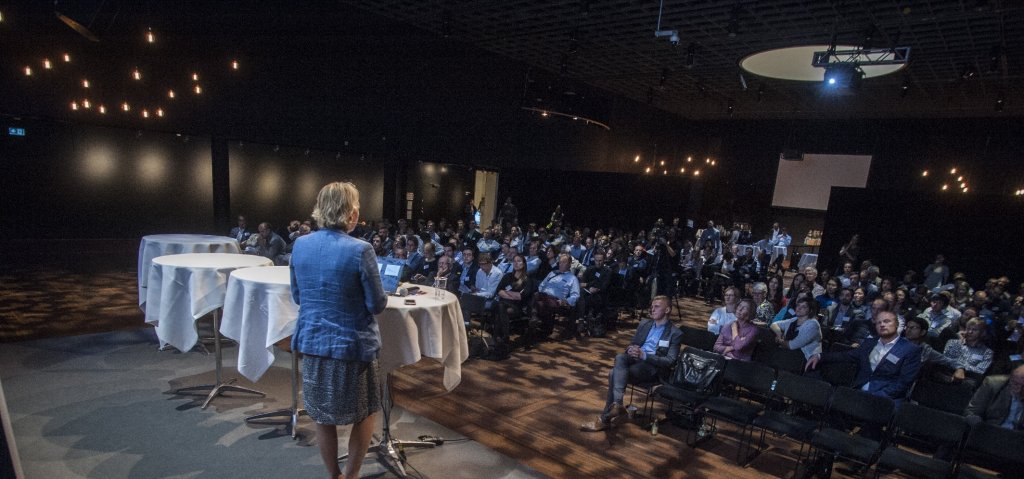
The 4DH Strategic Research Centre, the RE-INVEST project and Aalborg University invited researchers and experts from industry and businesses to the 3rd International Conference on Smart Energy Systems and 4thGeneration District Heating. This year’s conference took place from 12-13 September 2017 in Copenhagen.
The aim of the conference was to present and discuss scientific findings and industrial experiences related to the subject of Smart Energy Systems based on renewable energy and future 4th Generation District Heating Technologies and Systems (4GDH).

This year’s conference was held at the The National Museum of Denmark.

The conference dinner took place at the restaurant Grøften. Grøften is located in the historic Tivoli Gardens and is one of Tivoli’s oldest and most traditional restaurants, with a history that goes back to 1874.
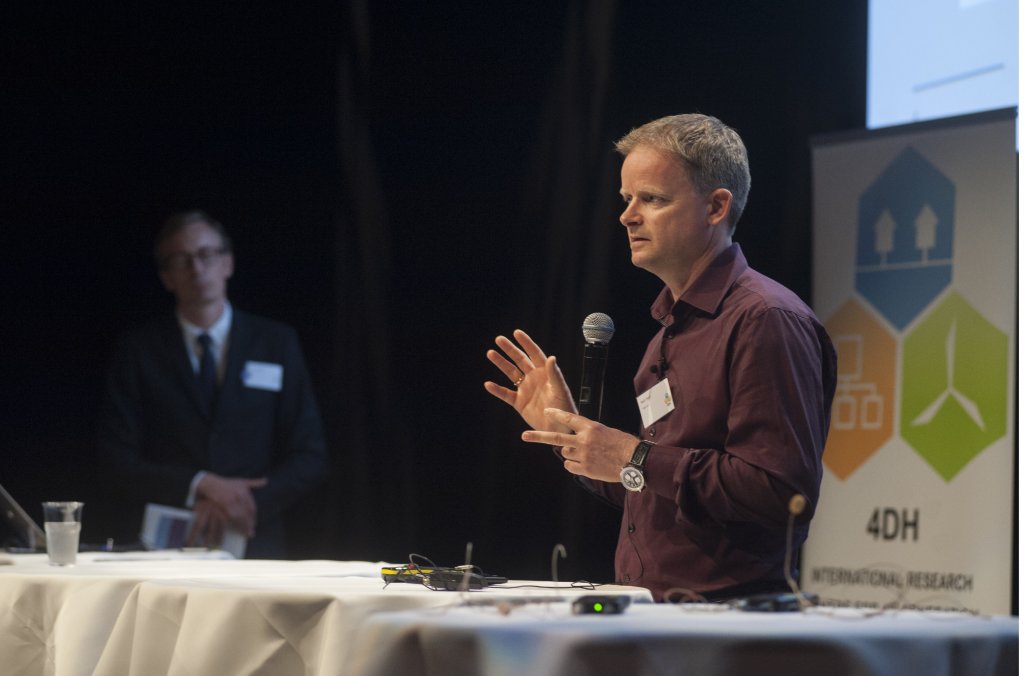
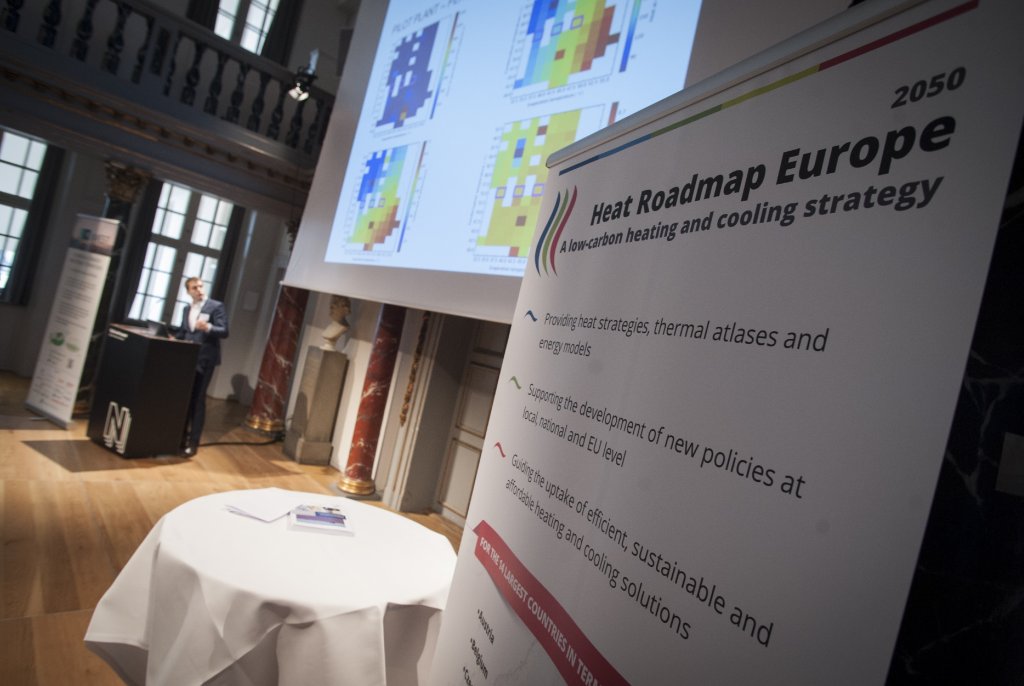
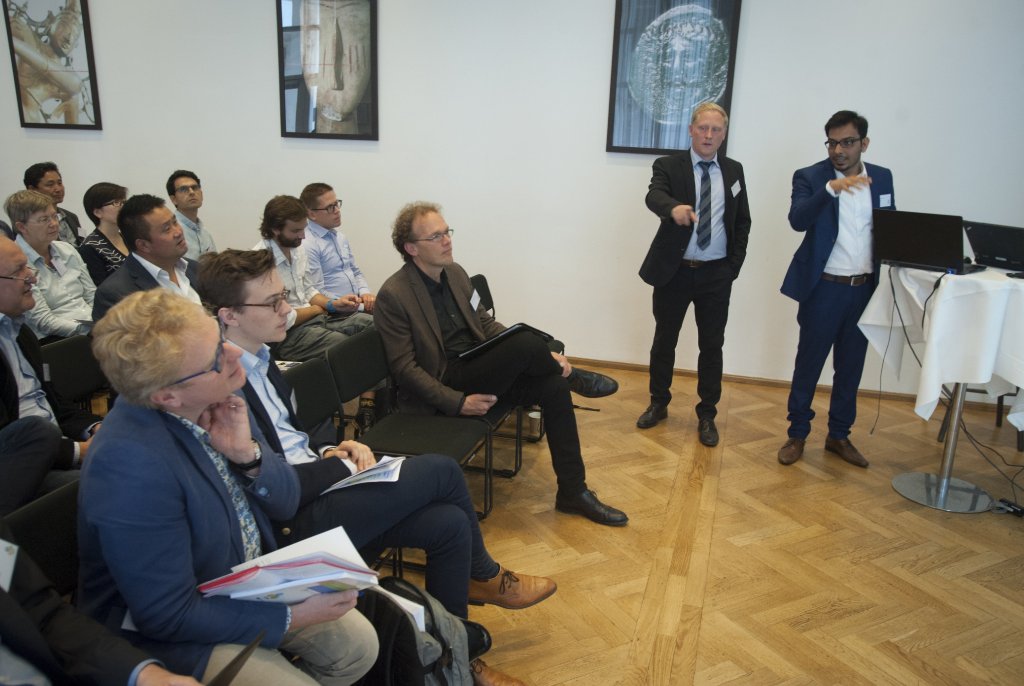
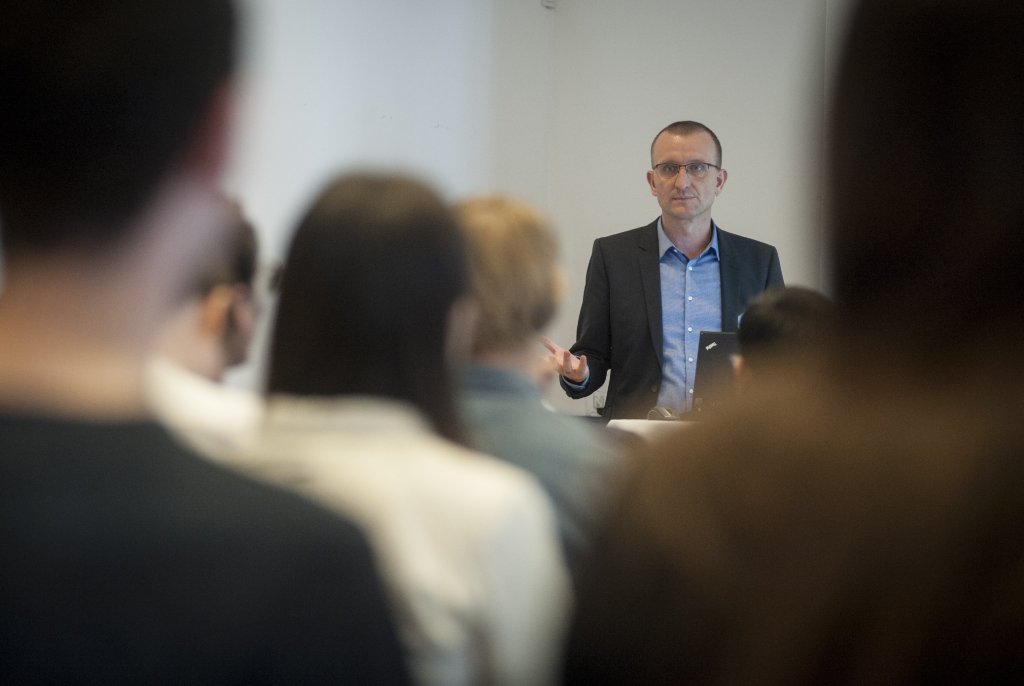
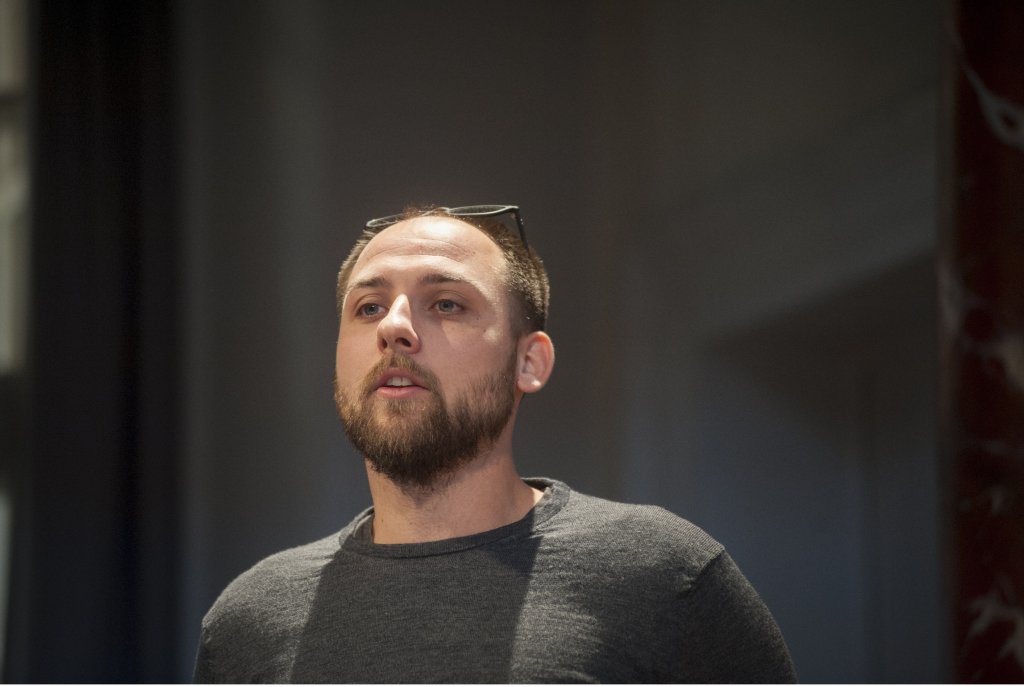
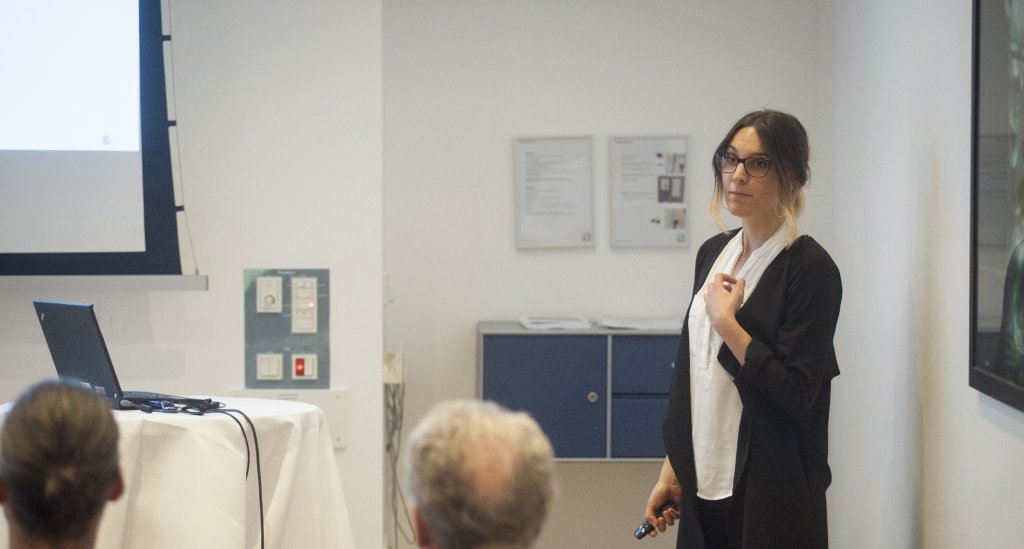
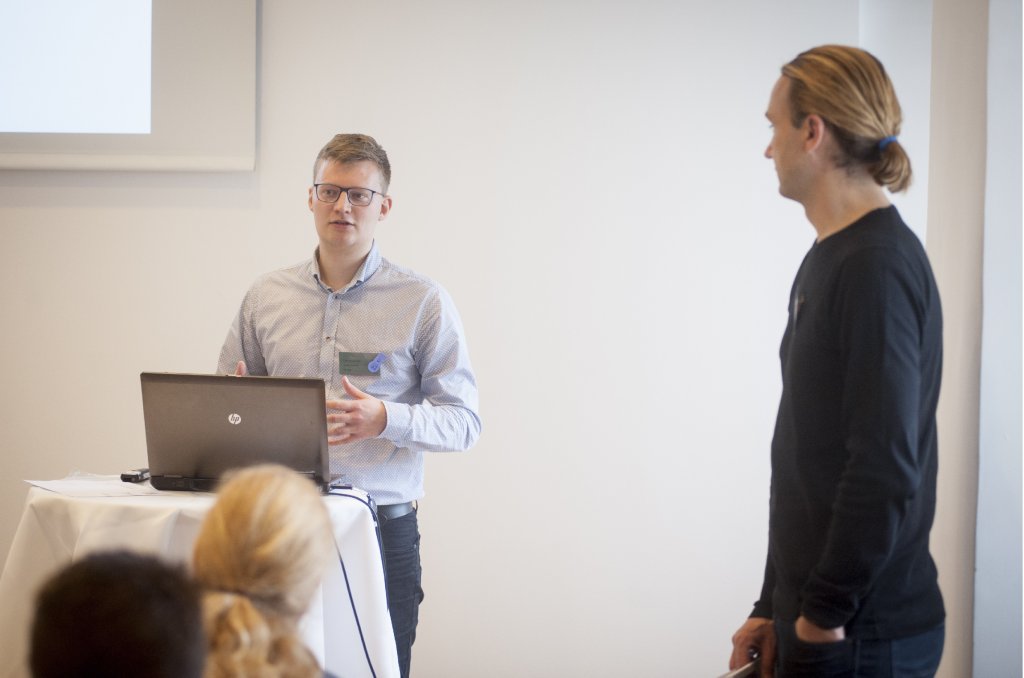
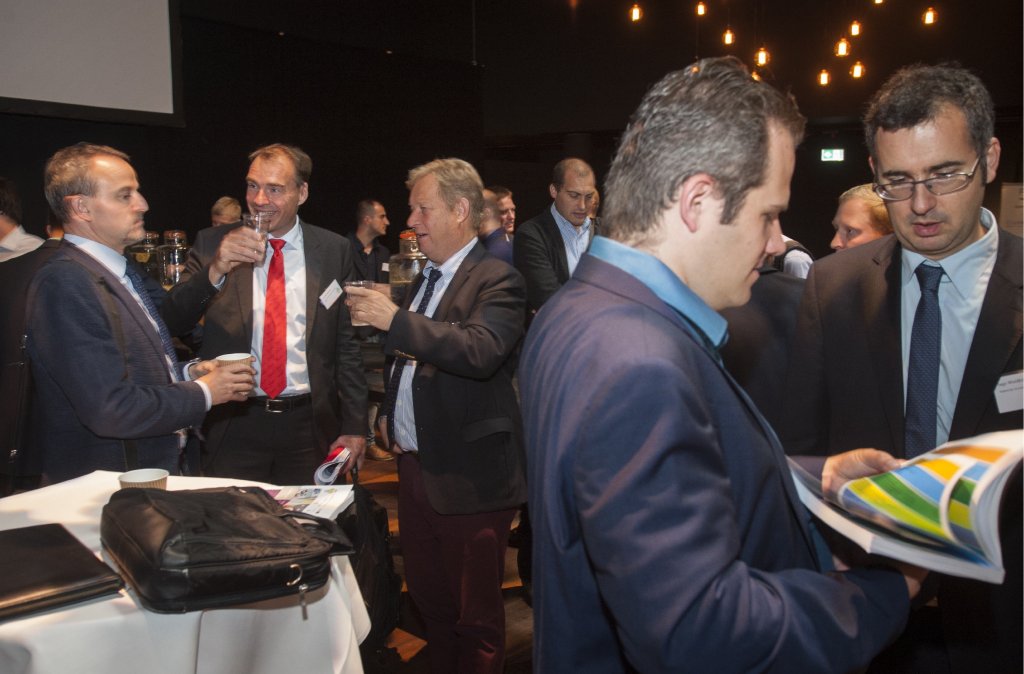
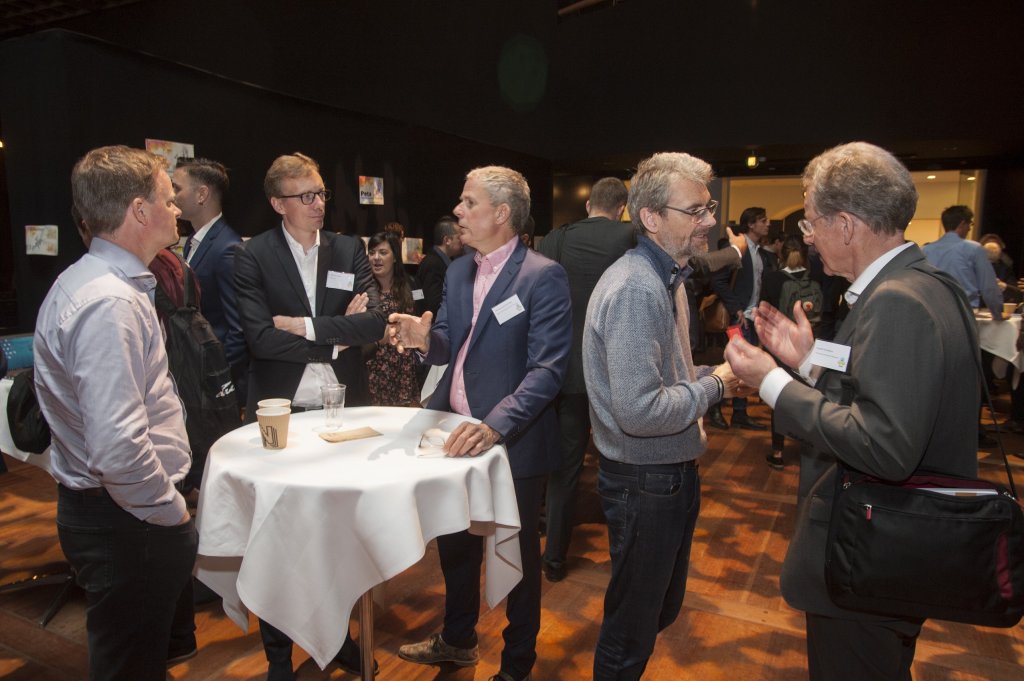
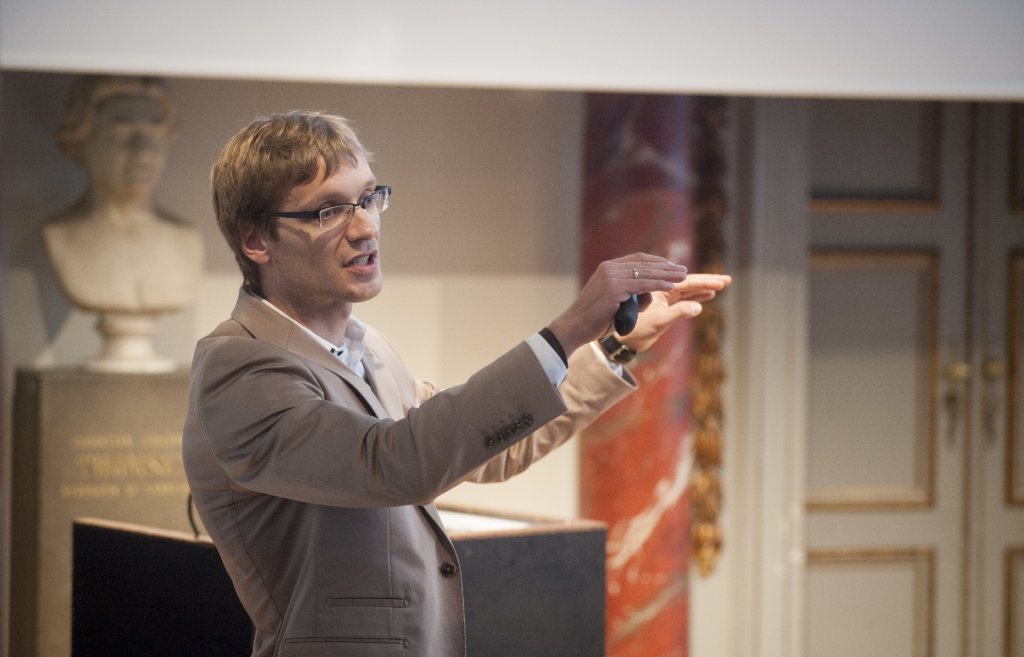
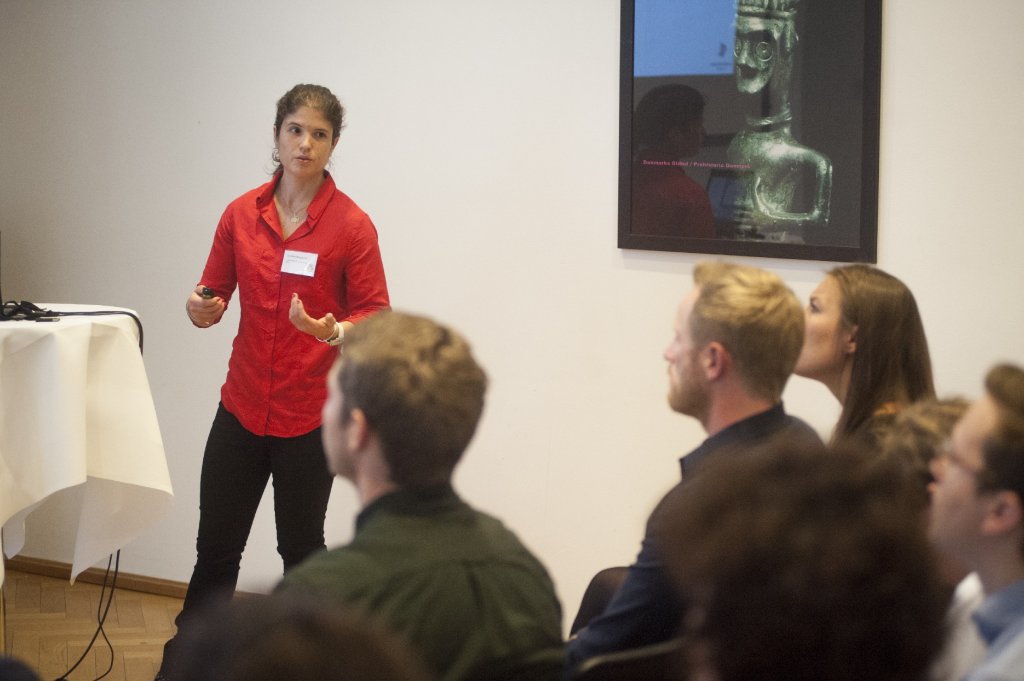
Pictures


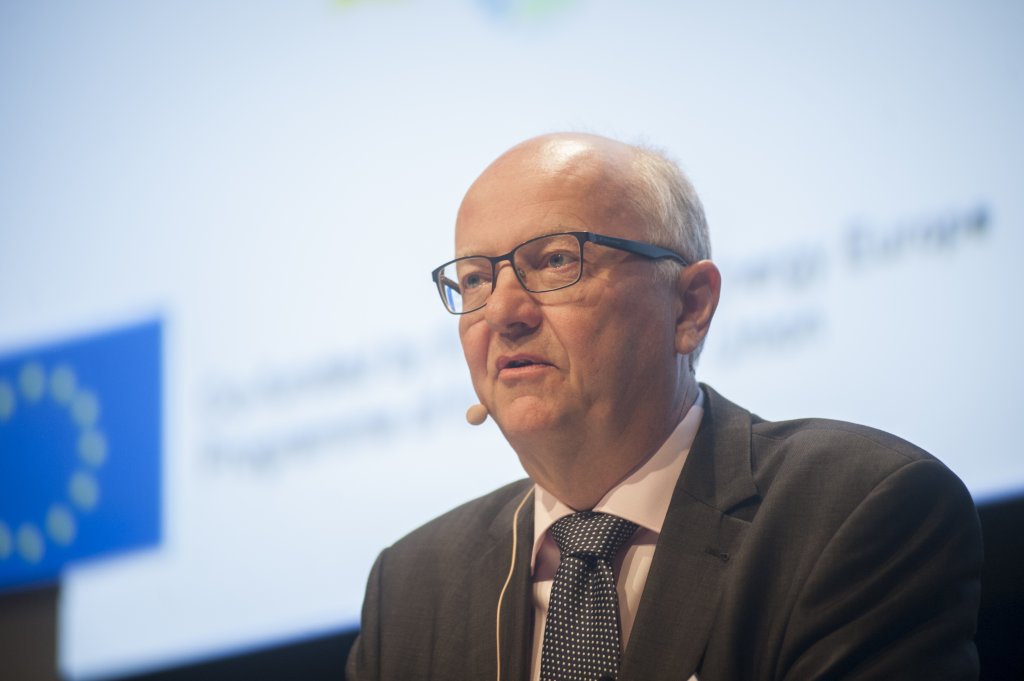

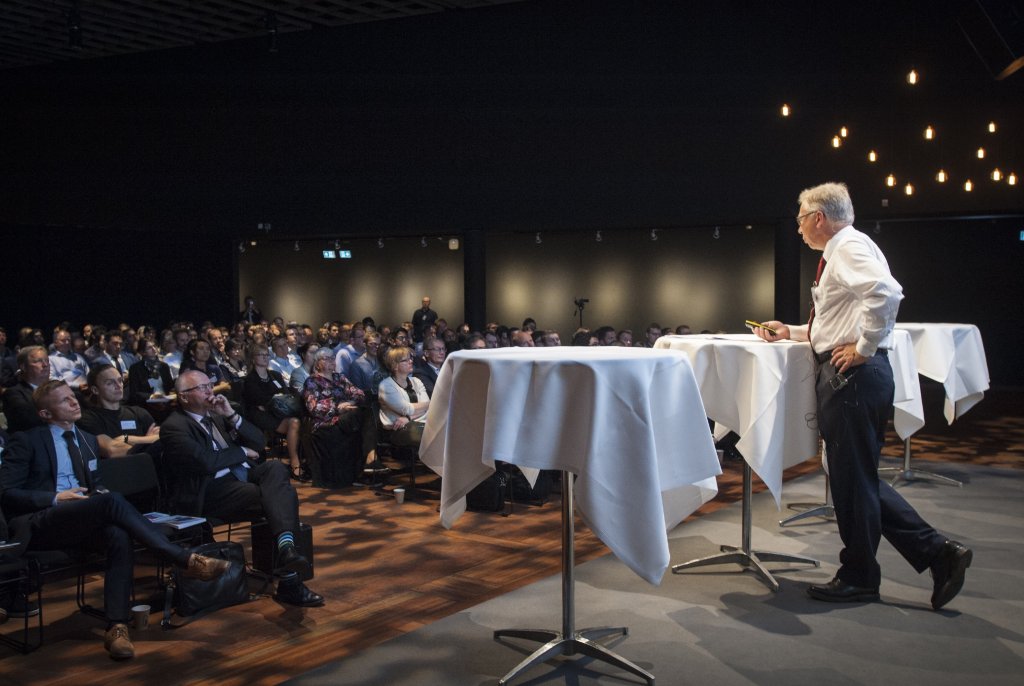



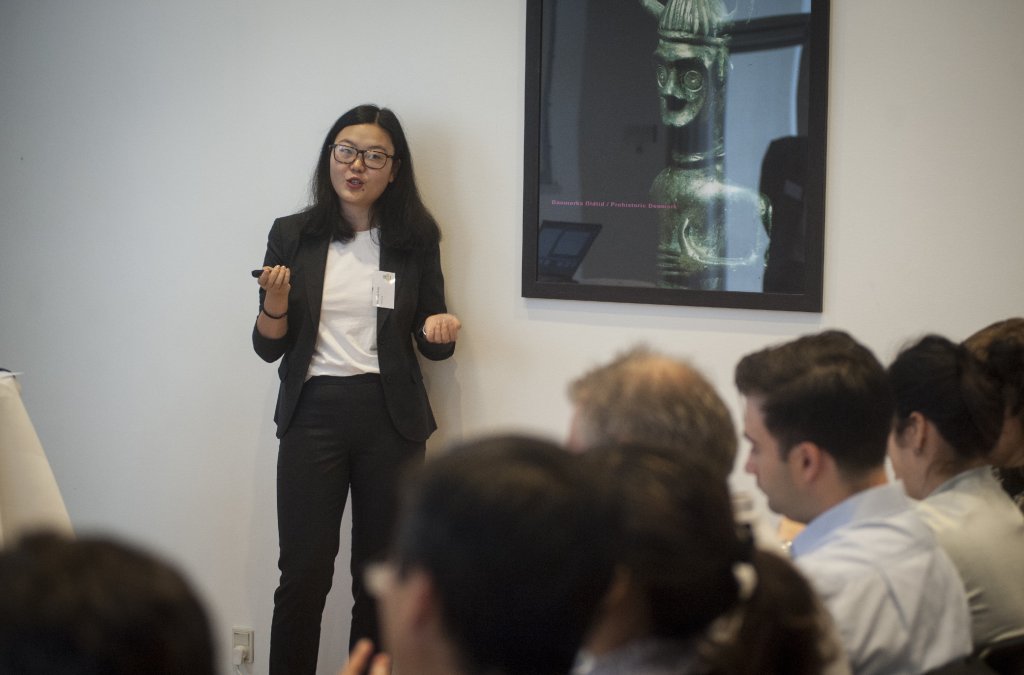
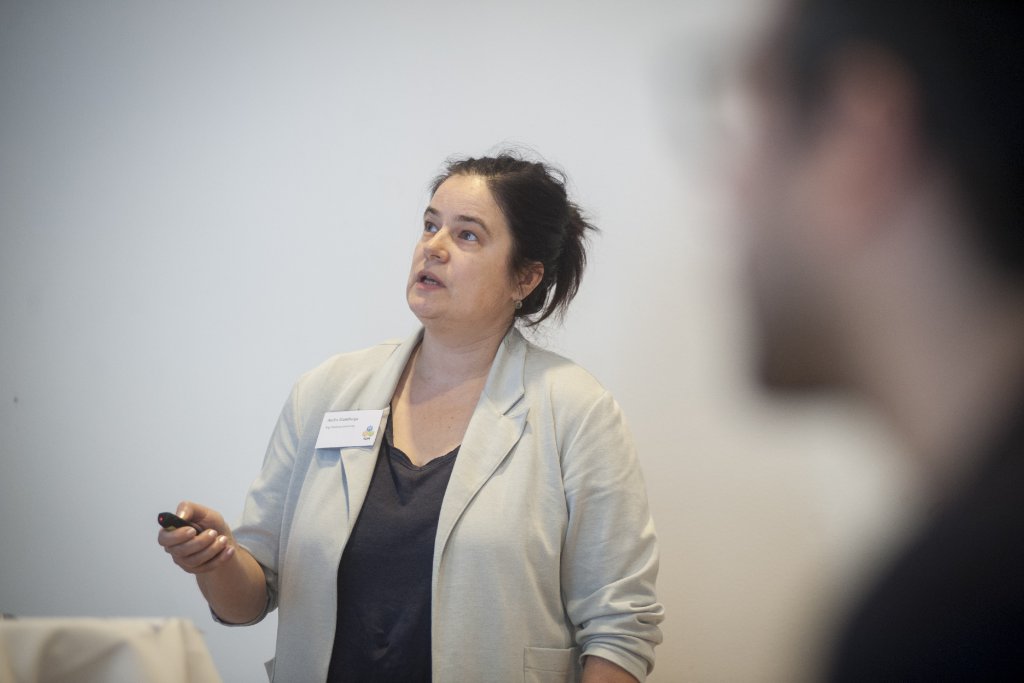
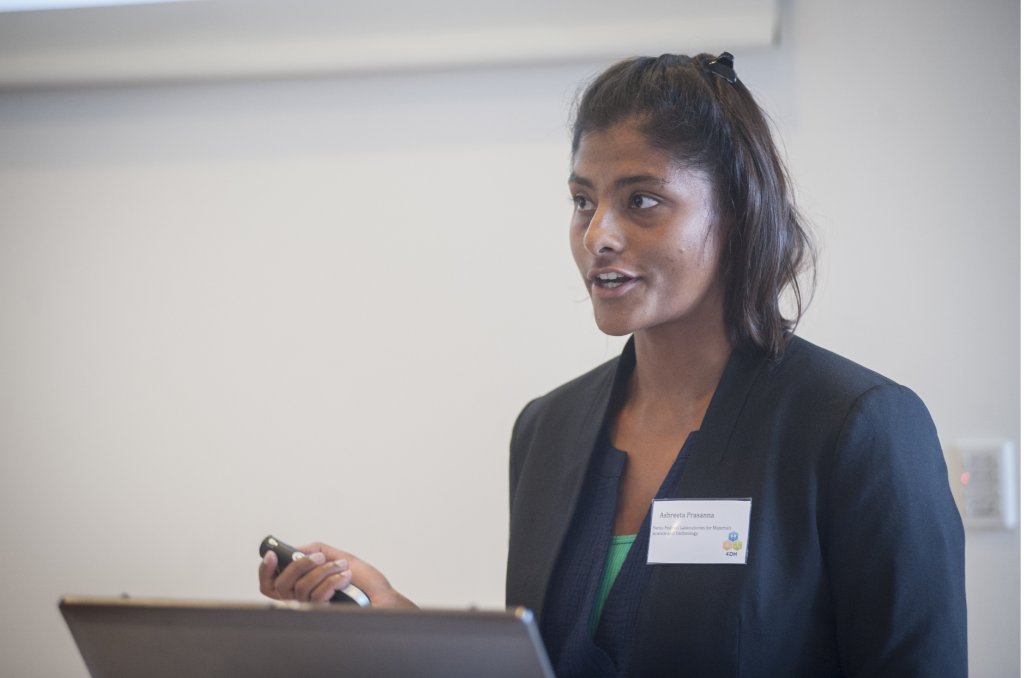
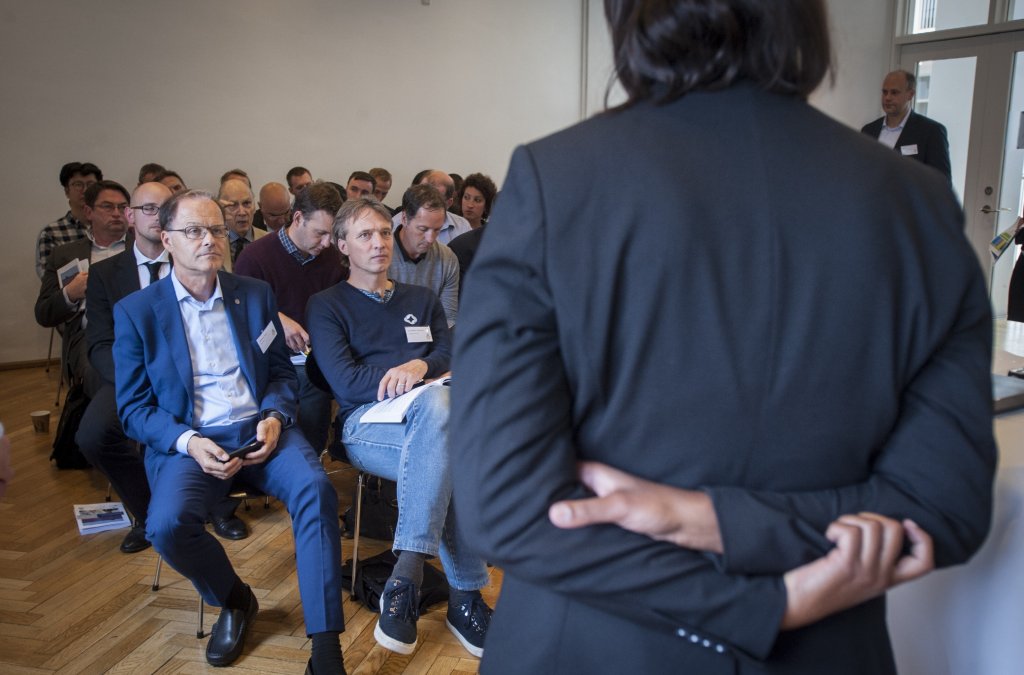
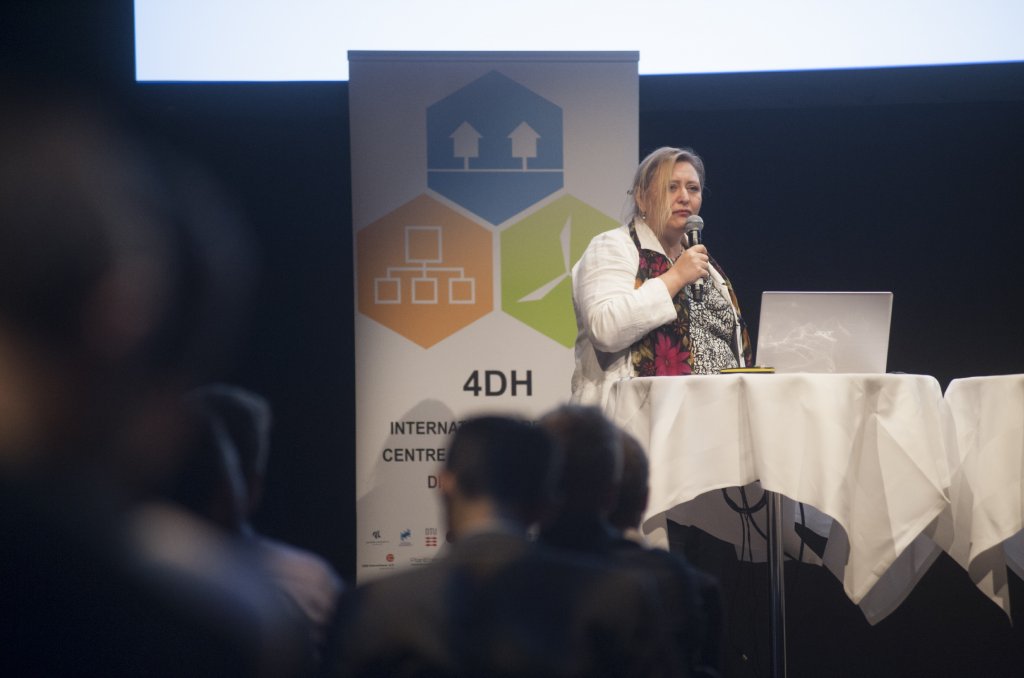
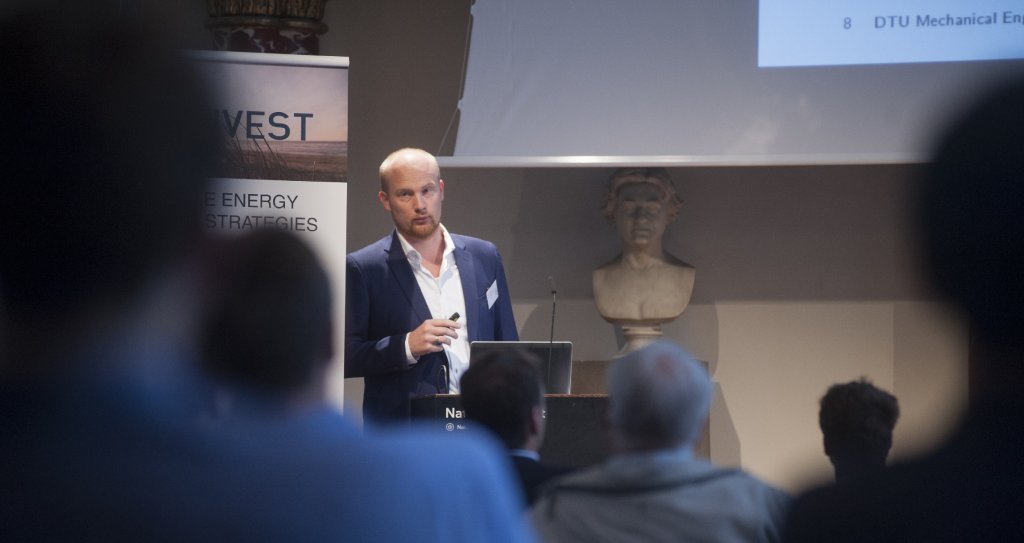

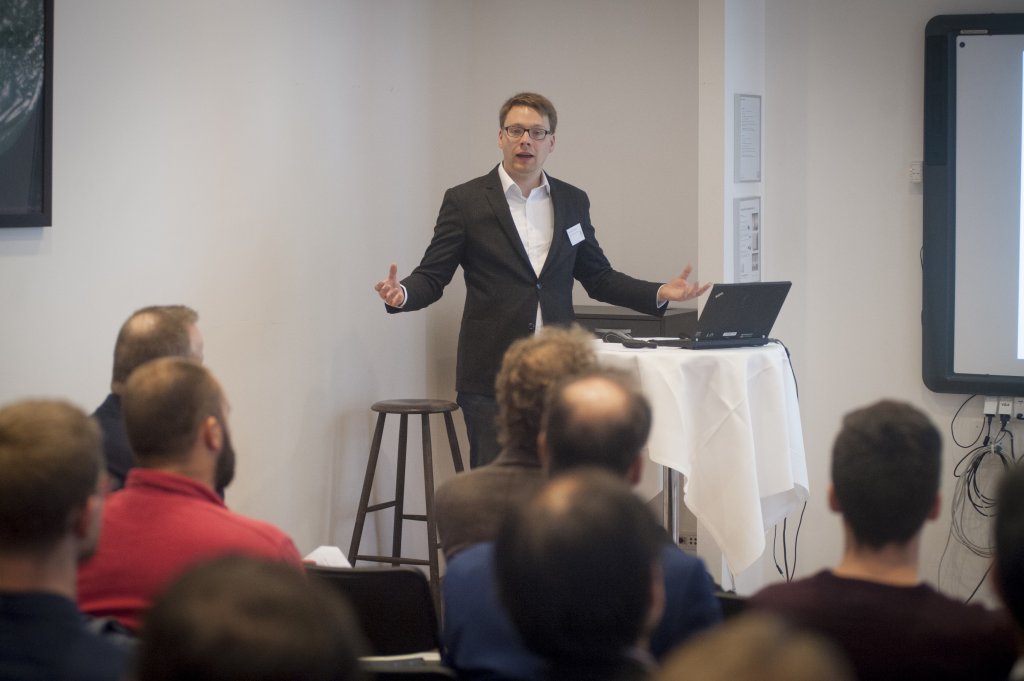

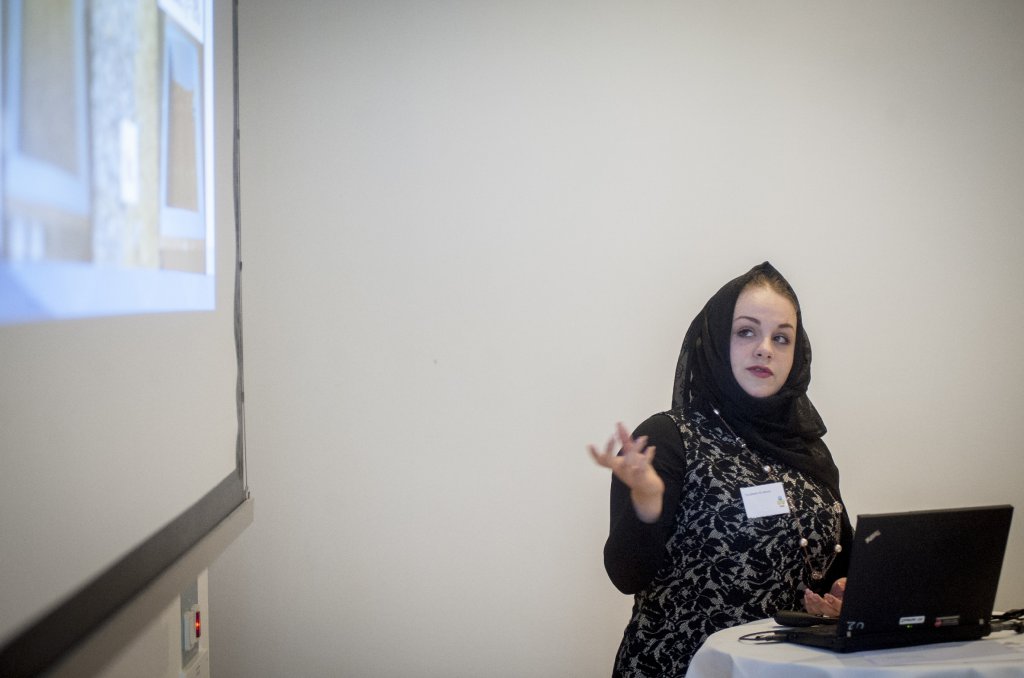






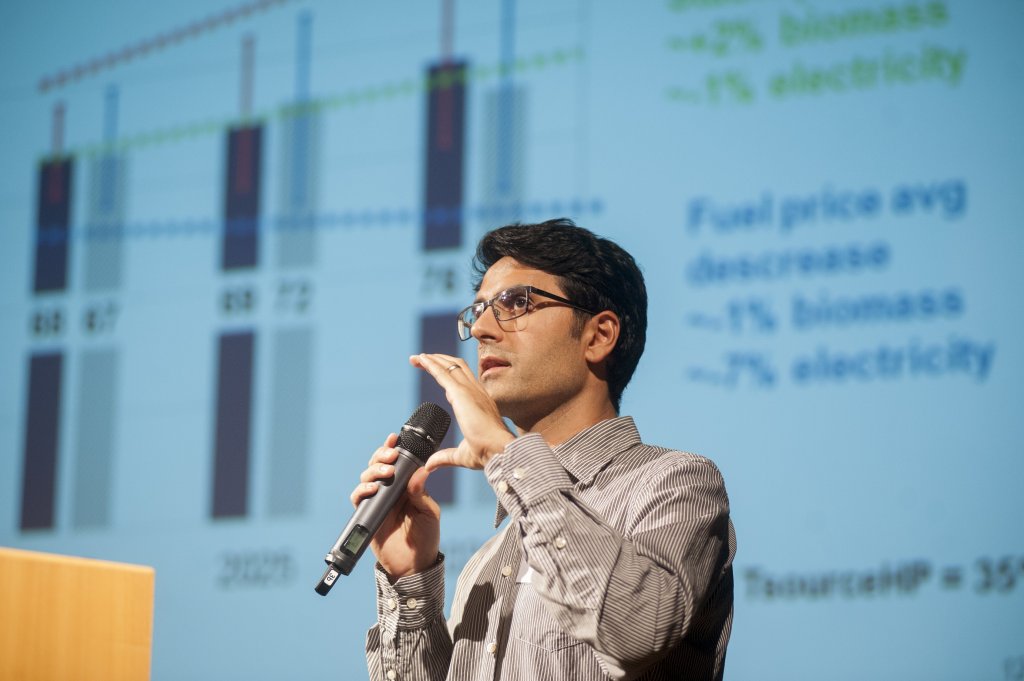

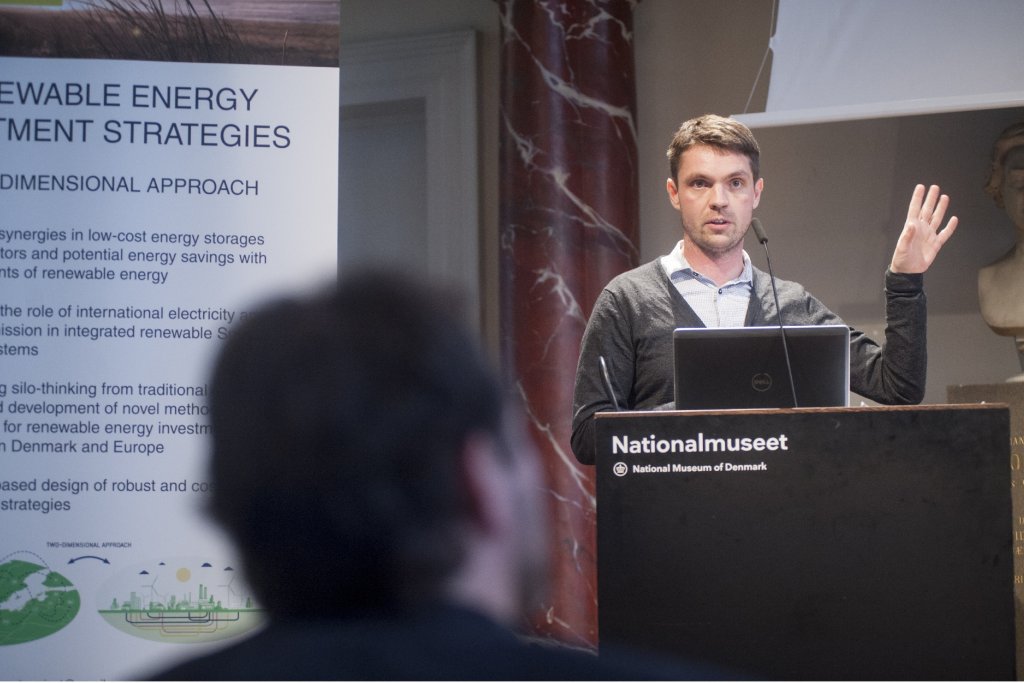
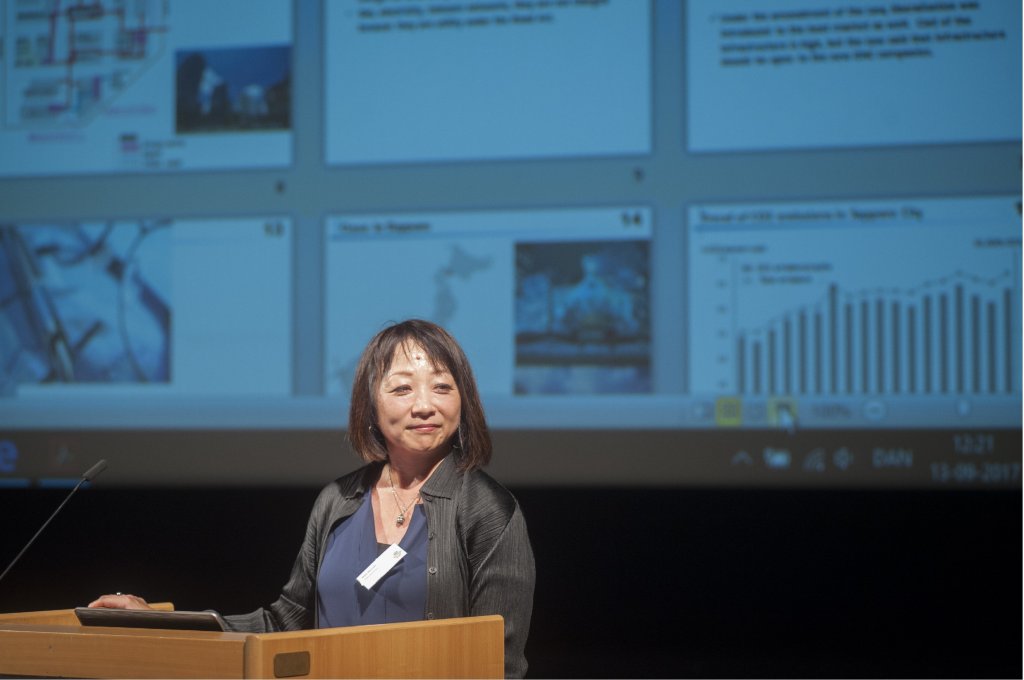



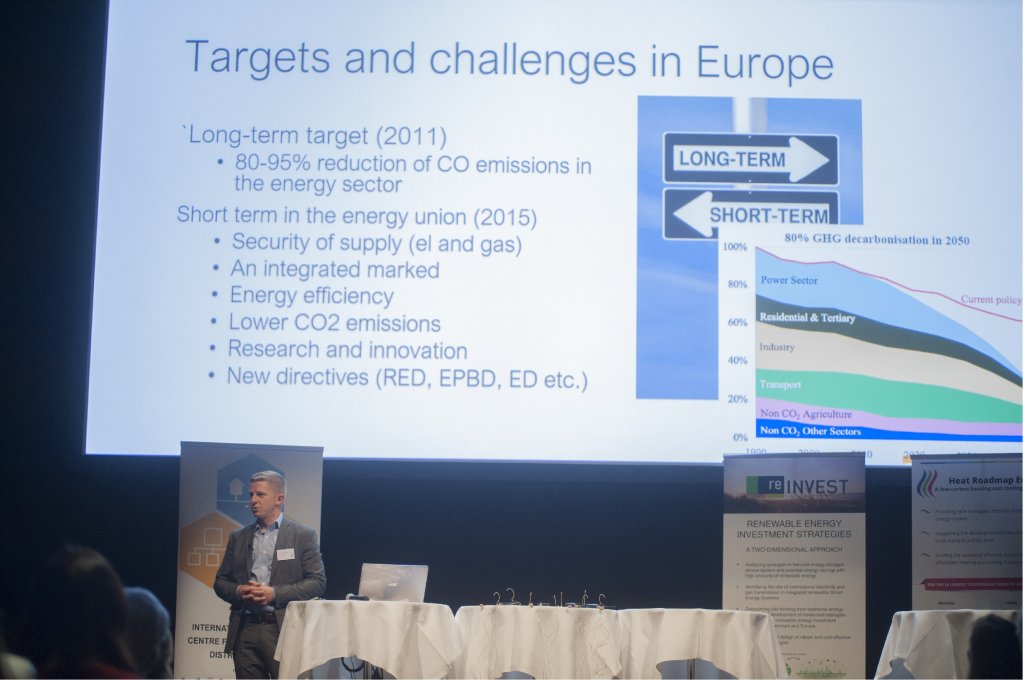

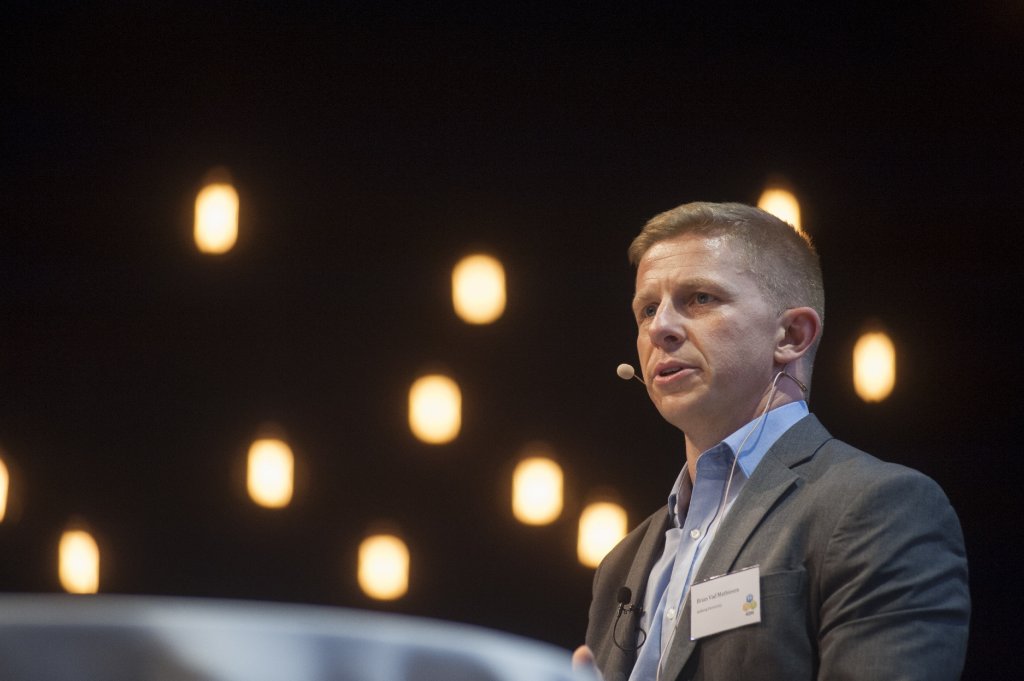



Videos
Conference film from the 3rd International Conference on SES4DH 2017
Opening speech by Professor Henrik Lund at the 3rd International Conference on SES4DH 2017
Keynote presentation by Prof. Brian Vad Mathiesen at the 3rd International Conference on SES4DH 2017
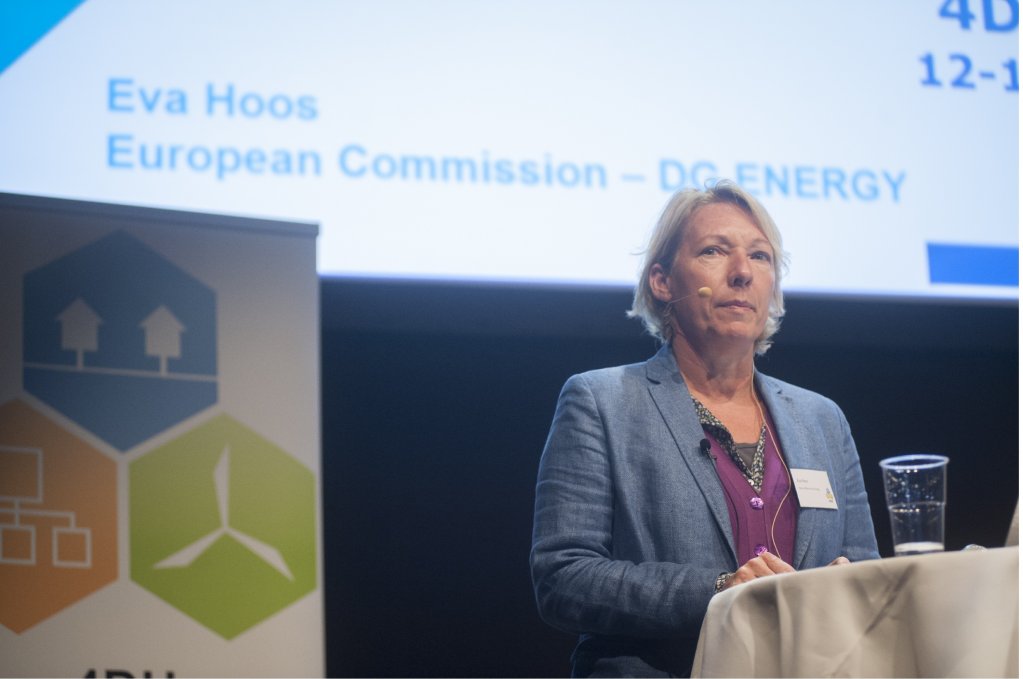
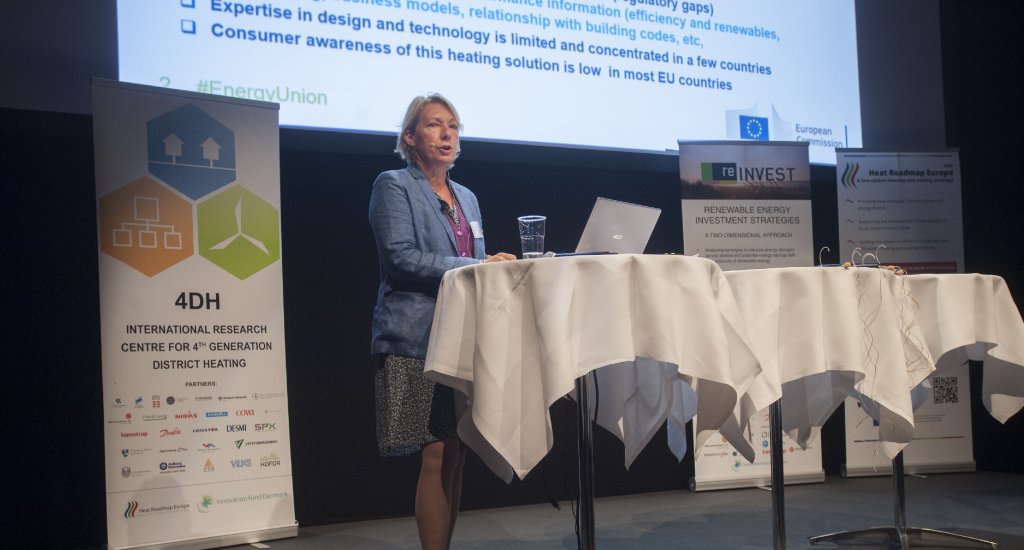
Keynote presentation by Eva Hoos from DG ENERGY at the 3rd International Conference on SES4DH 2017
Keynote presentation by Professor Sven Werner at the 3rd International Conference on SES4DH 2017
Mads Hagh from NIRAS A/S at the 3rd International Conference on SES4DH 2017
Winner of the Best Presentation Award at the at the 3rd International Conference on SES4DH 2017
Keynote presentation by Morten Abildgaard at the 3rd International Conference on SES4DH 2017
Presentation by Steen Schelle Jensen, Kamstrup, at the 3rd International Conference on SES4DH 2017
Presentations
Opening speech by Henrik Lund
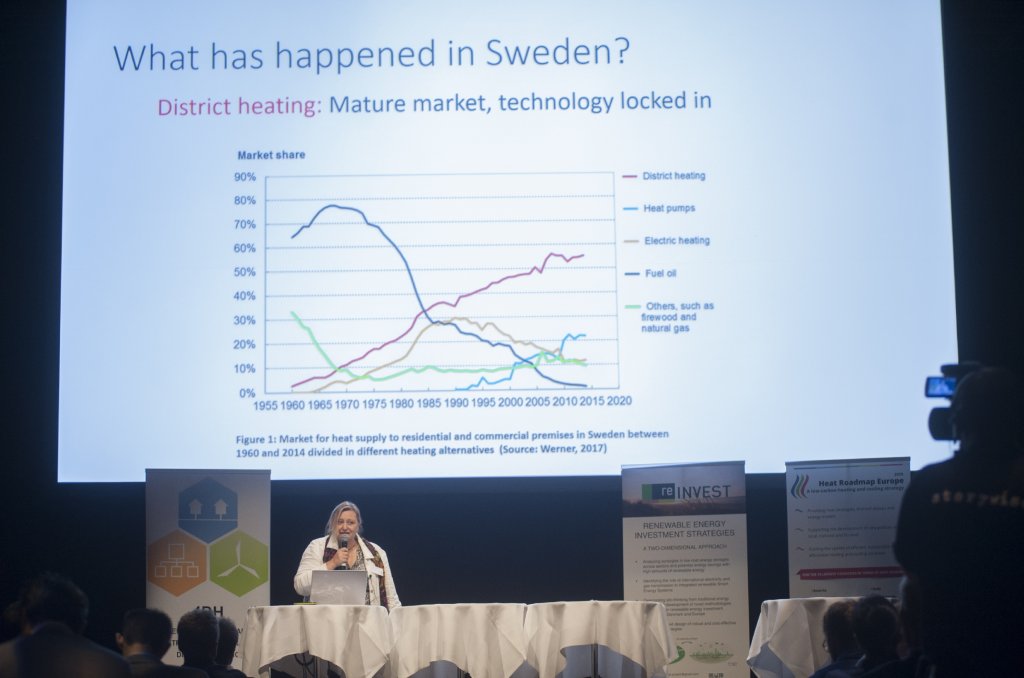
Plenary keynote by Professor Sven Werner: World DH status and Transformation Roadmap for 4GDH
Plenary keynote by Morten Abildgaard; CEO Viborg District Heating: Data Centers and 4GDH in practice – the case of Viborg
Session keynote and cochair: Rasmus Aaen: Balancing District Heating to increase uptake of low temperature surplus heat sources
Pierre Vogler-Finck: Online short-term heat load forecast – An experimental investigation on greenhouses
Borna Doračić: Scenario analysis of the renewable district heating system in Ozalj, a small city in Croatia
Philipp Geyer: Technology patterns and business cases for thermo-chemical networks
Jay Hennessy: Techno-economic assessment of heat-to-power use in district heating networks
Session keynote and co-chair: Erik O. Ahlgren: A system view on carbon impacts of future heating
Bernd Windholz: Application of heat pumps in the district heating network of Vienna
Renaldi Renaldi: Borehole Thermal Energy Storage Modelling in Energy Systems Optimisation
Hrvoje Dorotić: An hourly based optimization model of district heating system with building retrofit with the time horizon of one year, case study of Velika Gorica
Kristina Lygnerud: Risk assessment for industrial heat recovery in district heating systems
Session keynote and co-chair: Peter Jorsal: The right pre-insulated pipe system for solar district heating networks
Jigeeshu Joshi: Applying Geographical Information Systems (GIS) to analyse the potential and design of district heating networks
Jürgen Knies: A spatial approach for a future-oriented heat planning in urban areas
Johan Dalgren: The time dependent impact of supply and return temperatures on CHP, HP and FGC production when utilizing a thermal network as energy storage
Bram van der Heijde: Optimizing thermal energy storage in fourth generation thermal networks
Session keynote and co-chair: Oddgeir Gudmundsson: Cost analysis for Cold District Heating versus Low Temperature District Heating
Kim Rolin: Cost effective 4th generation district heating pipe concepts
Christian Engel: End consumer engagement as a key to successful implementation of 4th Gen DH
Ashreeta Prasanna: Efficiency of centralised and decentralised low temperature district networks compared with individual heating and cooling systems
Markus Rabensteiner: Simulation of bidirectional heat transfer stations in district heating grids
Session keynote and co-chair: Anna Volkova: Barriers for transition to 4th generation district heating in existing large networks
Danhong Wang: A methodology on modelling district heating networks with decentralized renewable energy feed-in
Andra Blumberga: Future Buildings as Prosumers Integrated into DH Systems
Asad Ashfaq: Hydraulic control model for the implementation of LTDH in existing boiler based buildings (presentation not available)
Xiaochen Yang: Methods of reducing the district heating return temperature from the local substations
Session keynote and co-chair: Linn Laurberg Jensen: Cold Water District Heating and Cooling Systems as Flexible Energy Exchange Systems – a Promising Concept for the Future?
Nadège Vetterli: Five-year energy monitoring of a low temperature heating and cooling network
Henrik Pieper: Performance analysis of heat pumps utilizing different low temperature heat sources to supply district heating
Anna-Elisabeth Lehmkuhl: Integration of seasonal heat storage systems in existing building structures
Benjamin Zühlsdorf: Potential for performance improvement of booster heat pumps by utilization of mixtures
Session keynote and cochair: Tobias Fleiter: Using industrial excess heat in district heating networks – A simulation assessment of potentials and cost-effectiveness for a refinery in Portugal
Hanmin Cai: An Experimental Setup for Investigating Flexibility of District Heating with Fuel Shift
Sylvain Quoilin: Coupling a power system model to a building model to evaluated the flexibility potential of DSM at country level
Foteini Rafaela Tsaousi: The influence of participation in ancillary services markets on optimal energy hub operation
Session keynote and co-chair: Louise Ödlund: Cooperation and system perspective for increased sustainability
Jelena Ziemele: Bioeconomy approach in district heating development
Gunnar Lennermo: The value of heat supplied to the return or supply pipe – a comparison of different designs for local heat supply
Johannes Pelda: Quasi-dynamic simulation of district heating systems using hydraulic load factor as key indicator for optimised transition towards 4th generation district heating
Ivan Andrić: The impact of global warming and building renovation measures on district heating networks techno-economic parameters
Session keynote and co-chair: Niels Frank: Albertslund – Municipality in transition to low temperature district heating
Daniel Møller Sneum: Socio-economic evaluation of regulatory framework conditions in the heat-electricity interface
Matteo Giacomo Prina: Multi-objective optimization algorithm coupled to EnergyPLAN software: the EPLANopt model
David Drysdale: Low carbon energy system planning in Small and Medium sized Municipalities in Europe
Hanne Kauko: Dynamic modelling of local district heating grids with multiple heat sources and thermal storage
Session keynote and co-chair: Steen Schelle Jensen: Smart metering provides the transparency required for efficiency
Dietrich Schmidt: Low temperature district heating for future energy systems
Paolo Leoni: Decreasing district heating network heat losses in the summer months using decentralized systems: A simulation case study
Session keynote and co-chair: Svend Svendsen: Solutions for low temperature heating of rooms and domestic hot water in existing buildings
Knut Bernotat: Uncertain Future – How Do Different Ways to Estimate Heat Demand in Retrofitted Buildings Affect District Heating owners?
Soma Mohammadi: Techno-economic analysis of low-temperature district heating network implementation in the city of Nottingham, UK
Natasa Nord: Challenges and potentials for low-temperature district heating implementation in Norway
Ivo Pothof: Maximizing geothermal output by using optimization model for the model-predictive control for a district heating system
Session keynote and co-chair: Bent Ole Gram Mortensen: Smart Energy Systems and the EU data protection regulation
Juan P. Jiménez: The joint effect of centralized CHP plants and thermal storage on the flexibility of the power system
Ambrose Dodoo: Primary energy benefits of cost-effective energy renovation of a district heated multi-family building under different energy supply systems
Lennart Rogenhofer: Evaluation of innovative heat pump concepts for multi-family houses
Wiebke Meesenburg: Evaluation of the flexibility provided by integrating energy systems using advanced exergoeconomic analysis
Session keynote and cochair: Carsten Bojesen: Local Village Heating in a Smart Energy Context
Benedetto Nastasi: Smart Heat sharing for high, medium and low temperature Power-To-Heat solutions
Annelies Vandermeulen: Improving agent-based control performance of thermal networks by inclusion of time delays: a simulation case
Mei Gong: : Exergy and cost analysis of heating systems considering energy storage
Miaomiao He: Domestic heat demand prediction and the implications for designing community heat networks
Session keynote and co-chair: Dagnija Blumberga: Solar collectors versus solar panels in DH
M. Leurent: Socioeconomic potential for deploying large district heating networks using heat from nuclear plants in Europe
Danica Djuric Ilic: Searching for new roles for district heating in a sustainable society
Goran Krajacic: Status and perspectives of district heating systems in Eastern Europe
Zikun Wang: Heat pumps in the UK’s district heating: individual, district level, both or neither?
Session keynote and co-chair: Frede Hvelplund: Heat conservation incentives and policies for 4th generation district heating systems
Stefan Petrovic: Comparing different district heating supply scenarios with energy savings and individual supply options in six European municipalities
Patryk Chaja: Modelling participation in the Polish Day-Ahead Market (DAM) using a district heating company as a case
Eva Wiechers: Matching district heat demand and excess heat supply using network allocation analysis
Session keynote and co-chair: Helge Averfalk: Pressure situation in low temperature network with a third distribution pipe
Andrew F. Lyden: Unleashing the potential of existing biomass systems via 4th generation district heating and thermal storage: A Scottish perspective
Alexei Sednin: Possibilities of lowering district heating temperatures in Belarus
Nicole Pini: Guidelines for an optimal integration of water-to-water heat pumps in low-temperature district heating networks: lessons learnt from the analysis of three networks in France
Session keynote and co-chair: Carsten Østergård Pedersen: Intelligent utilization of pumps in LTDH
Johnny Iversen: Ultra-Low Temperature District Heating Supply in New Build Areas and in Apartment Buildings
Maria Justo Alonso: How low can the heating supply temperature be in different building types in Norway?
Roar Nysted: 4th Generation heating system using geothermal energy as the main source
Hironao Matsubara: The 1st application of 4th Generation District Heating in Japan, its outcomes and lessens
Session keynote and co-chair: Anders N. Andersen: Distributed CHP units in Denmark are too quickly loosing electricity production
Alfonso Gordaliza Pastor: Renovation towards a smart district heating in Valladolid
Thibaut Richert: Integrating electrical and thermal domains – A case study of the Danish Technical University campus
Session keynote and cochair: Kerstin Sernhed: Synthesis of Swedish District Heating Research between 2013 to 2017
Andrei David: Quantifying the impact of district heating, heat pumps, and electric vehicles in Italy, Romania, and the United Kingdom
Nadine Aoun: A sensitivity analysis to support the modelling of space heating demand in view of developing a load shedding algorithm
Søren Møller Thomsen: The Smart Electricity Storage – District Heating and Cooling with Thermal Storages
Alexander Tureczek: District heat household consumption classification using smart meter data
Session keynote and co-chair: Torben Ommen: Design considerations for integration of two 5 MW vapour compression heat pumps in the Greater Copenhagen district heating system
Magnus Dahl: Long-term production planning in large district heating systems
Oliver Martin-Du Pan: District Heating Network Pipe Sizing
Patrick Reiter: Focus of IEA SHC Task 55: „Towards the Integration of Large SHC Systems into DHC Networks“
William R H Orchard: Retrofitting the UK domestic sector with Energy Hubs, Exergenius™, and “Keep Hot Flow Pipes
Session keynote and co-chair: Ralf-Roman Schmidt: Sustainable heat supply strategies for district heating networks – tools and methodologies
Pablo Puerto: Implementation of distributed co-simulation for urban energy systems
Eftim Popovski: Cost-effectiveness of large scale heat pumps in district heating networks – a simulation model for a case study in Germany
Kanau Takahashi: District heating in Japan – current situation, challenges and possibilities
Rasmus Lund: Heat Roadmap Europe: A Method for linking EU-TIMES and EnergyPLAN energy system models
Session keynote and co-chair: Markus Köfinger: Simulation based evaluation of large scale waste heat utilization in the district heating network of Linz (Austria) by optimized integration of a seasonal storage
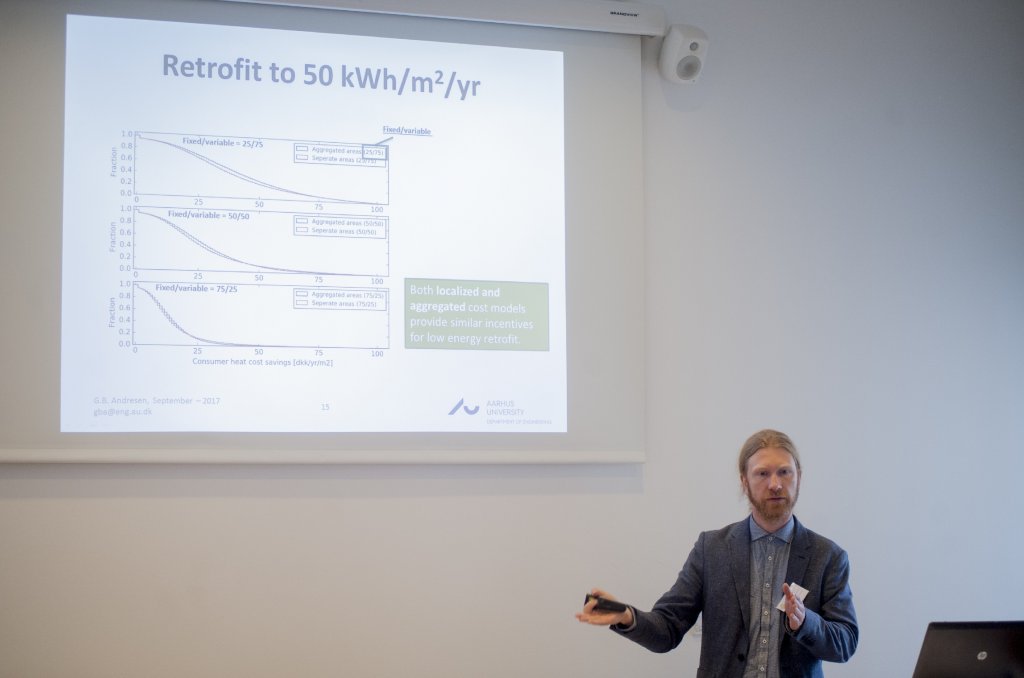
Gorm Bruun Andresen: User incentives for low-energy renovations in district heating systems of different scales
Olatz Terreros: Comparison of methods for thermal storage sizing in district heating networks
Maarten Blommaert: Towards Adjoint-based Topology Optimization of Thermal Networks
Lars Grundahl: Heat demand mapping implications on energy planning
Session keynote and co-chair: Matthew Gentry: Local heat, Local Food: utilising district heating systems for urban farming
Yasameen Al-Ameen: Utilizing waste materials from construction and industrial processes as potential ground storage mediums in HGHEs
Michele Tunzi: Design and operation of a low-temperature heat networks in the UK
Dorte Skaarup Østergaard: How to lower the district heating return temperature from historical apartment buildings
Isabelle Best: Low-temperature versus ultra-low temperature solar district heating for low heat density housing developments in Germany
Session keynote and co-chair: Luc Girardin: Wide scope categorization of DHC systems for the identification of emerging or disruptive technologies
Julian Formhalsulian Formhals: Effects of the District Heating Supply Temperature Level on the Efficiency of Borehole Thermal Energy Storage Systems
Somil Miglani: Optimization of solar and ground source district heating system using bottom-up technology models
Jukka Aho: Radically new ways to affect heating energy demand – Case Peak Power Optimization
Session keynote and cochair: Leif Gustavsson: Synthesis of Swedish District Energy efficient building blocks and low temperature district heating
Peter Sorknæs: Operational analysis of future renewable energy systems
Hannes Poier: BIG SOLAR GRAZ – Results of a techno-economic feasibility for solar district heating
Sarah Bourgarel: Innovative heat energy supply concepts for multi-family houses: real case evaluation through synergies between simulation and optimization modelling
Mathieu Vallée: Using power-to-heat for flexibility at district level: an overview of use cases
Session keynote and co-chair: Georg K. Schuchardt: Development of an empirical calculation procedure for determining the thermal conductivity and heat losses of pre-insulated twin pipe systems
Joseph Maria Jebamalai: 4DHC technology guidance and transition strategies for Northwest Europe
Marcin Bugaj: Assessment of primary energy savings through implementation of solar and heat pump hybrid in Warsaw district heating system
Fabian Bühler: Spatiotemporal analysis of industrial excess heat as a resource for district heating in Denmark
Ingo Leusbrock: Tools and methods for modelling district heating systems: A comprehensive comparison
Session keynote and co-chair: Urban Persson: Heat Roadmap Europe: Heat distribution costs
Steffen Nielsen: Geographic Placement of Power to Gas Plants in Denmark
Ivan Dochev: Hypothetical heating grid modelling with graph theory. A decision support tool for planning
Haichao Wang: Planning and optimizing the heat production for a district heating system with Chinese demand profiles
Session keynote and co-chair: Marie Münster: The Danish district heating regulation model in a comparative perspective – and possible impacts of changing it
Søren Djørup/Jakob Zink: Market Structures and Smart Energy Systems
Daníel E. Vilhjálmsson: : Identification of potentials and barriers for developing district cooling in Lima, Peru
Richard Büchele: Favourable policy frameworks for renewable heating and district heating – results from local case studies within the progRESsHEAT project
Thomas Pauschinger: Regional Policy and Market Support Initiatives for Solar and Renewable District Heating
Session keynote and co-chair: Davy Geysen: Forecasting of heat demand in district heating systems and their integration into smart grid controllers – Fractals, ensembles and expert advisers
Charlotte Marguerite: Simulation based assessment of retrofitting measures, storage integration and alternative heat sources in the district heating network of Aarhus
Franz Mauthner: Holistic urban energy planning: The benefits and drawbacks of using GIS-based methods
Ina De Jaeger: Impact of building geometry description within district energy simulations
Samuel Letellier-Duchesne: Balancing Demand and Supply: Linking Neighborhood-level Building Load Calculations with Detailed District Energy Network Analysis Models
Session keynote and co-chair: Veit Bürger: Third party access to district heating systems – Challenges for the practical implementation
Daniele Basciotti: Simulation based analysis of demand side management as enabler for heat pumps in district heating networks
Maksym Kotenko: Drag reducing additives in low temperature district heating
Miki Muraki: 1G/2G to 4G? Challenges in the Existing District Energy Infrastructure in Japan
Mikel Monclus: Combined HEat SyStem by using Solar Energy and heaT pUmPs
Plenary keynote by Professor Brian Vad Mathiesen: Towards a smart energy system approach in Europe
Plenary keynote by Eva Hoos, Policy Officer in DG Energy: High-performance, smart district heating and cooling
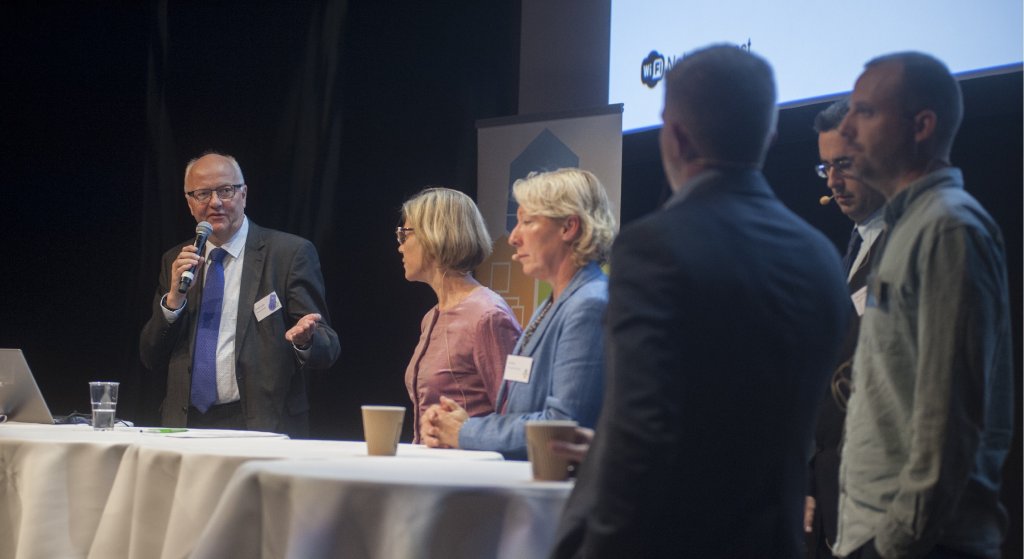
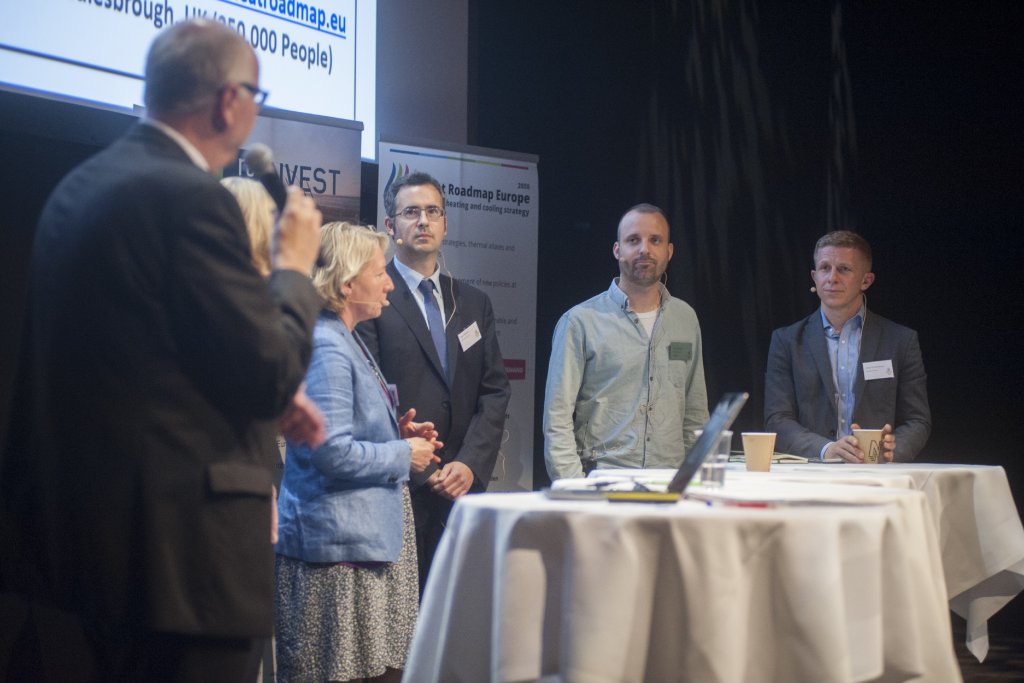
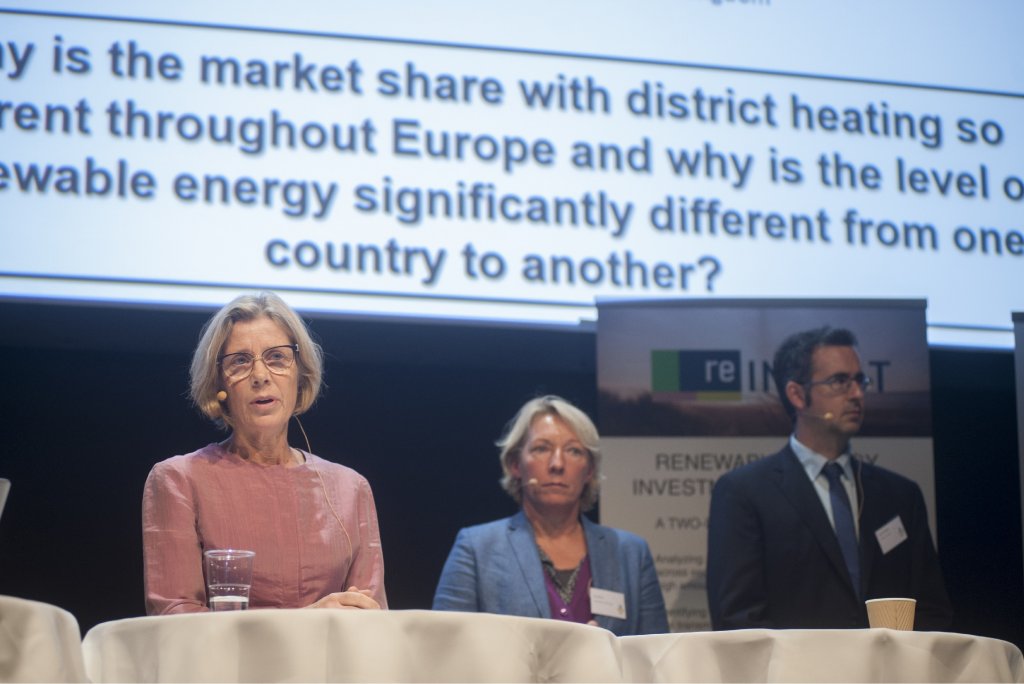
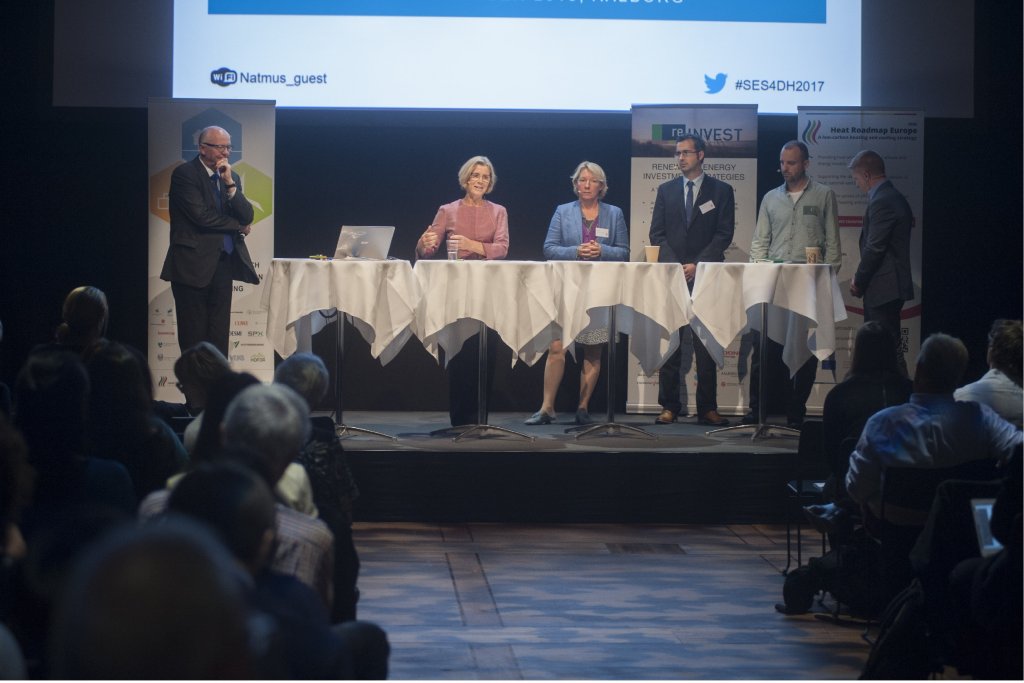
Panel Debate: Drivers and ownership models—how to spread district heating in Europe. Panel Participants: Eva Hoos, Katrina Folland, Ingo Weidlich, Søren Djørup and Brian Vad Mathiesen
Supported by: