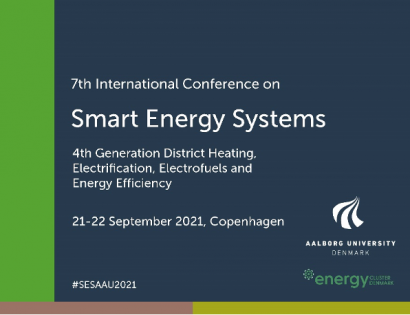
Conference programme
The conference programme 2021 consists of two parts:
1. ONLINE PROGRAMME – including both live sessions and recorded presentations.
2. PROGRAMME COPENHAGEN – with the sessions taking place in Copenhagen.
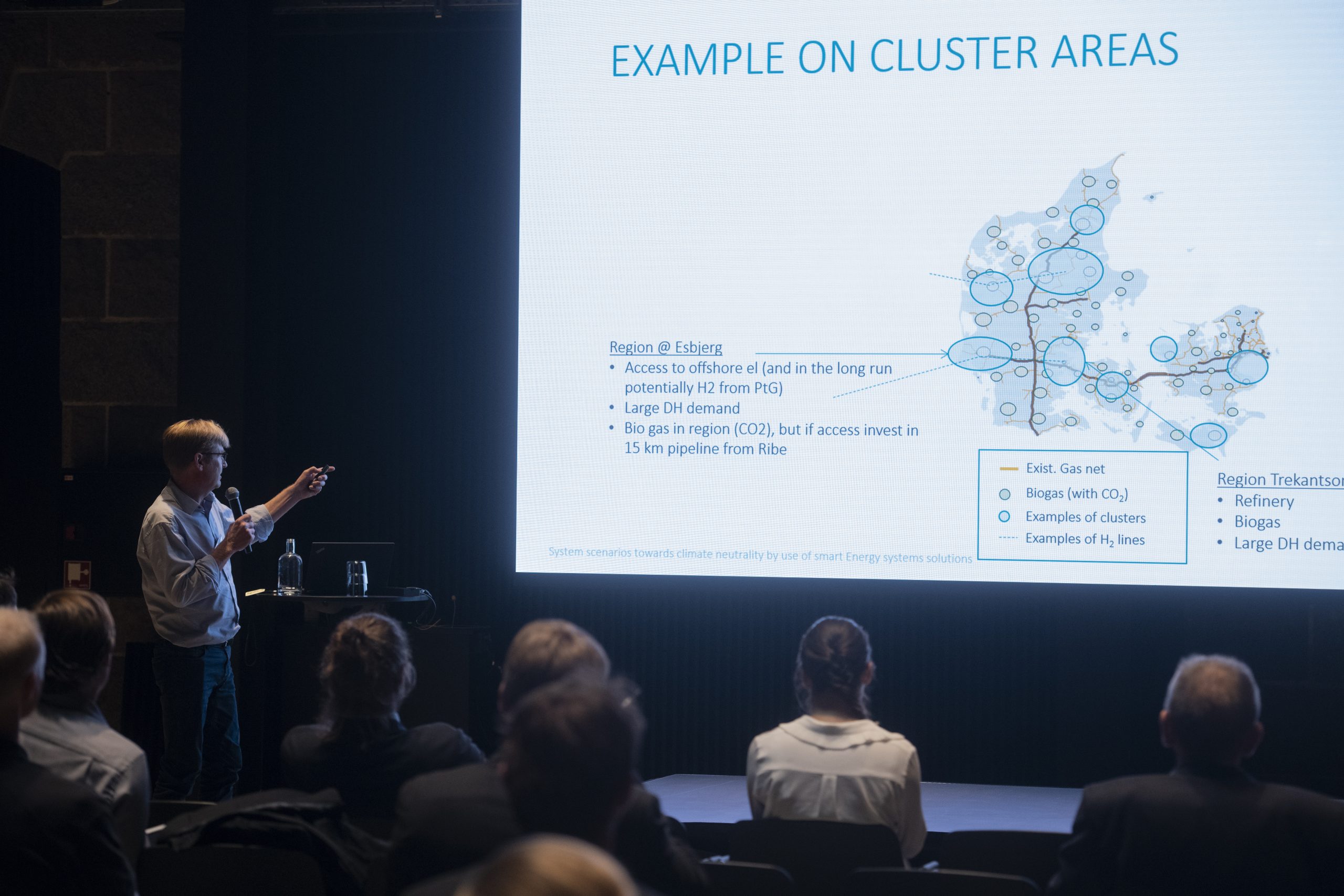
Pictures
Day 1

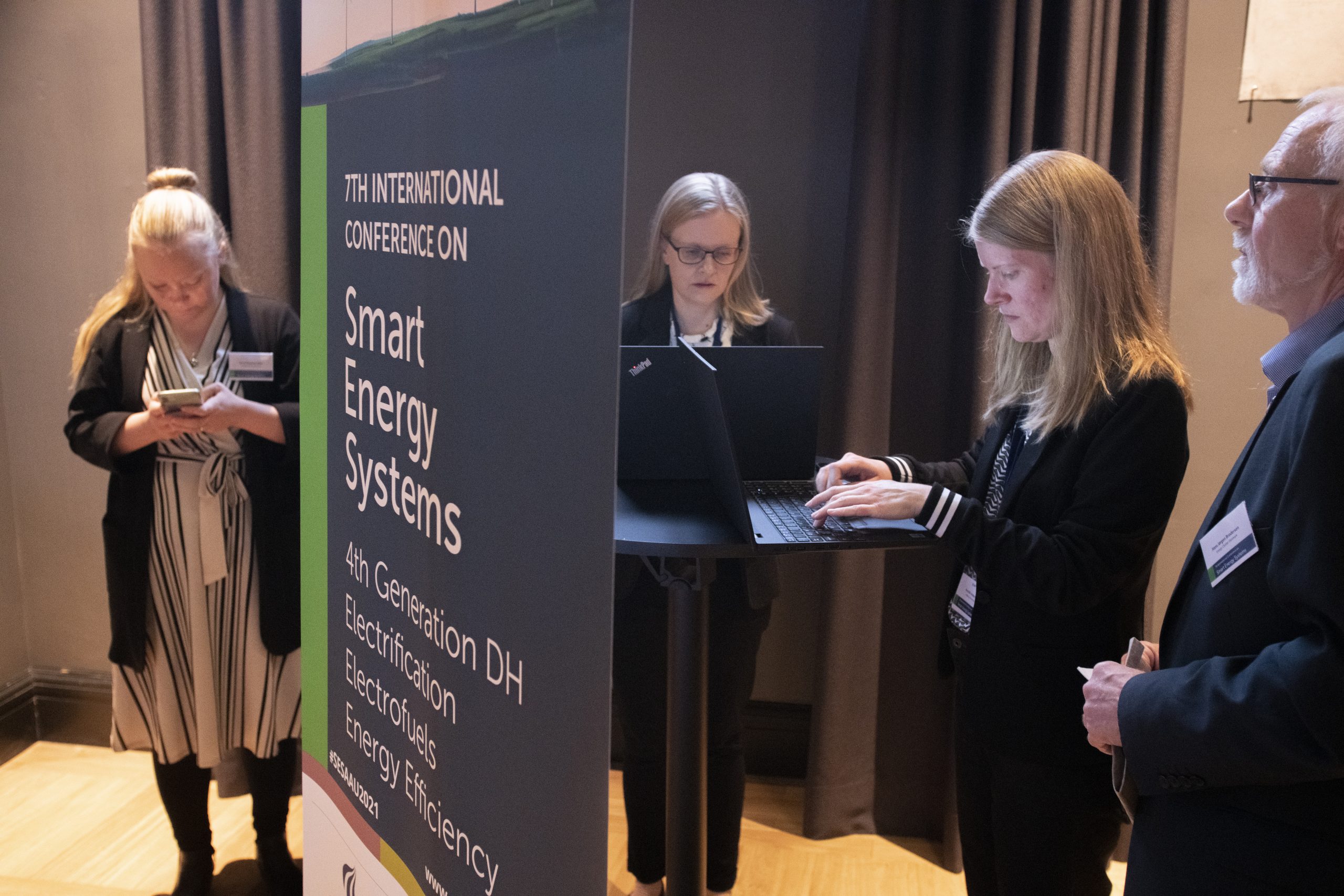





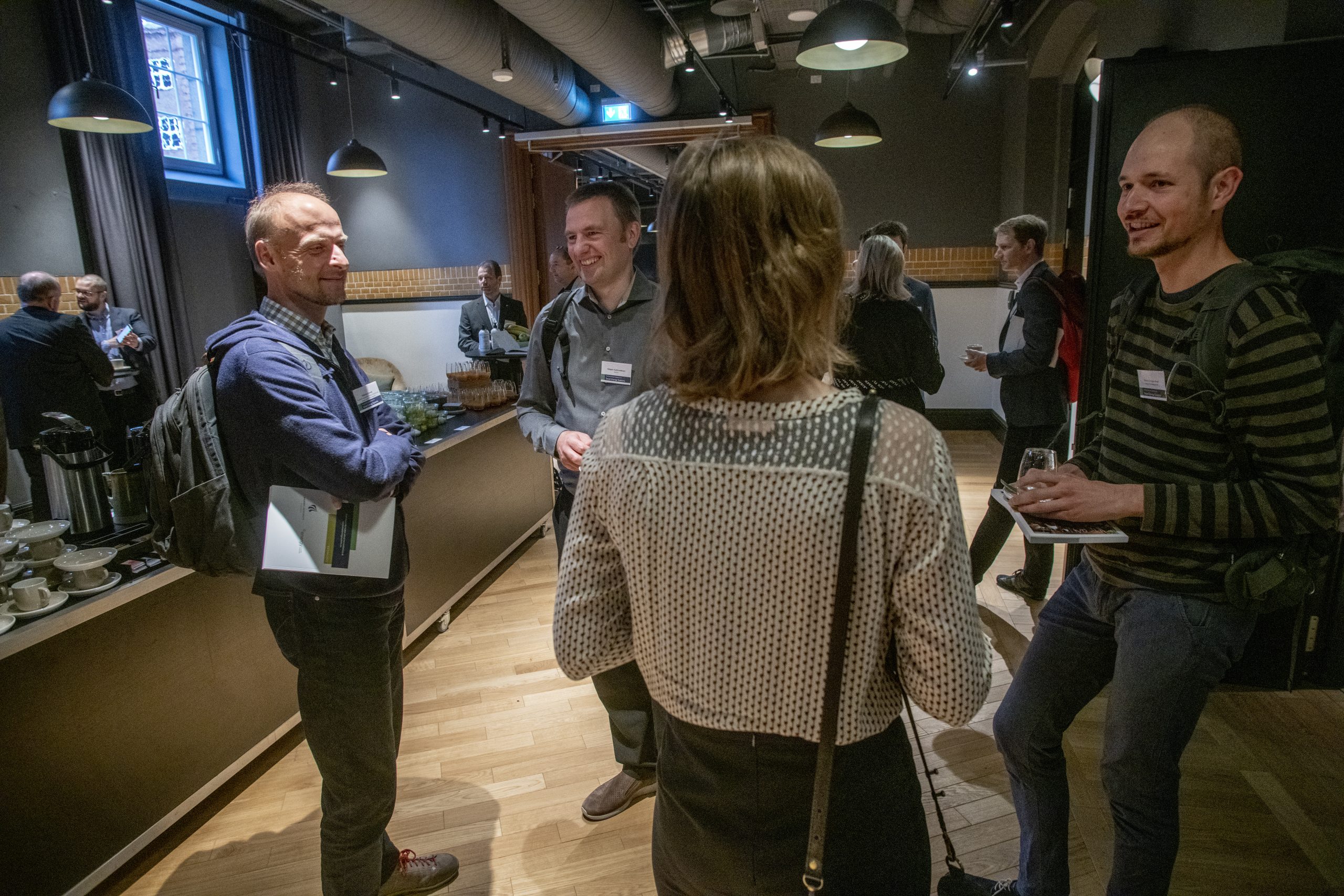

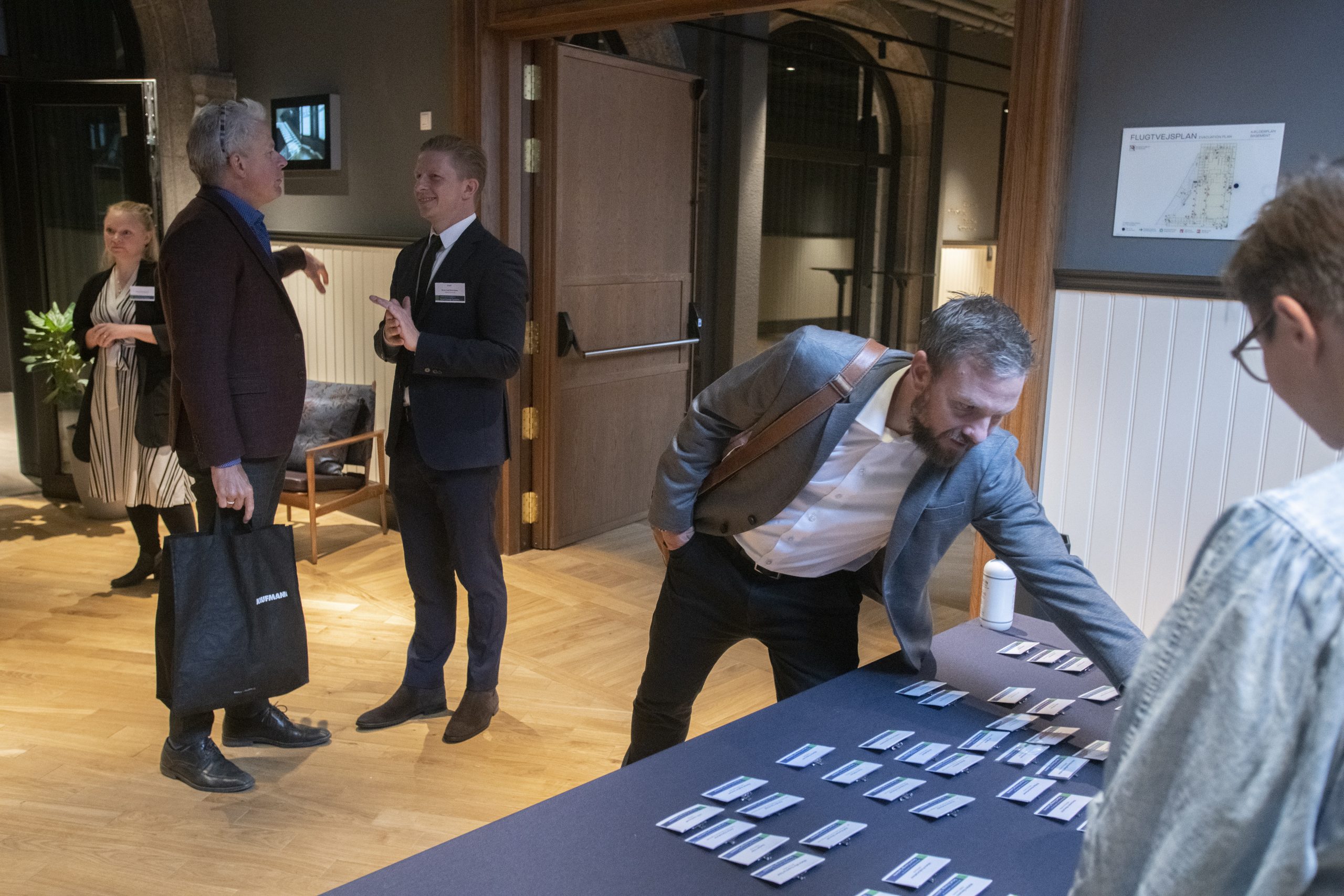

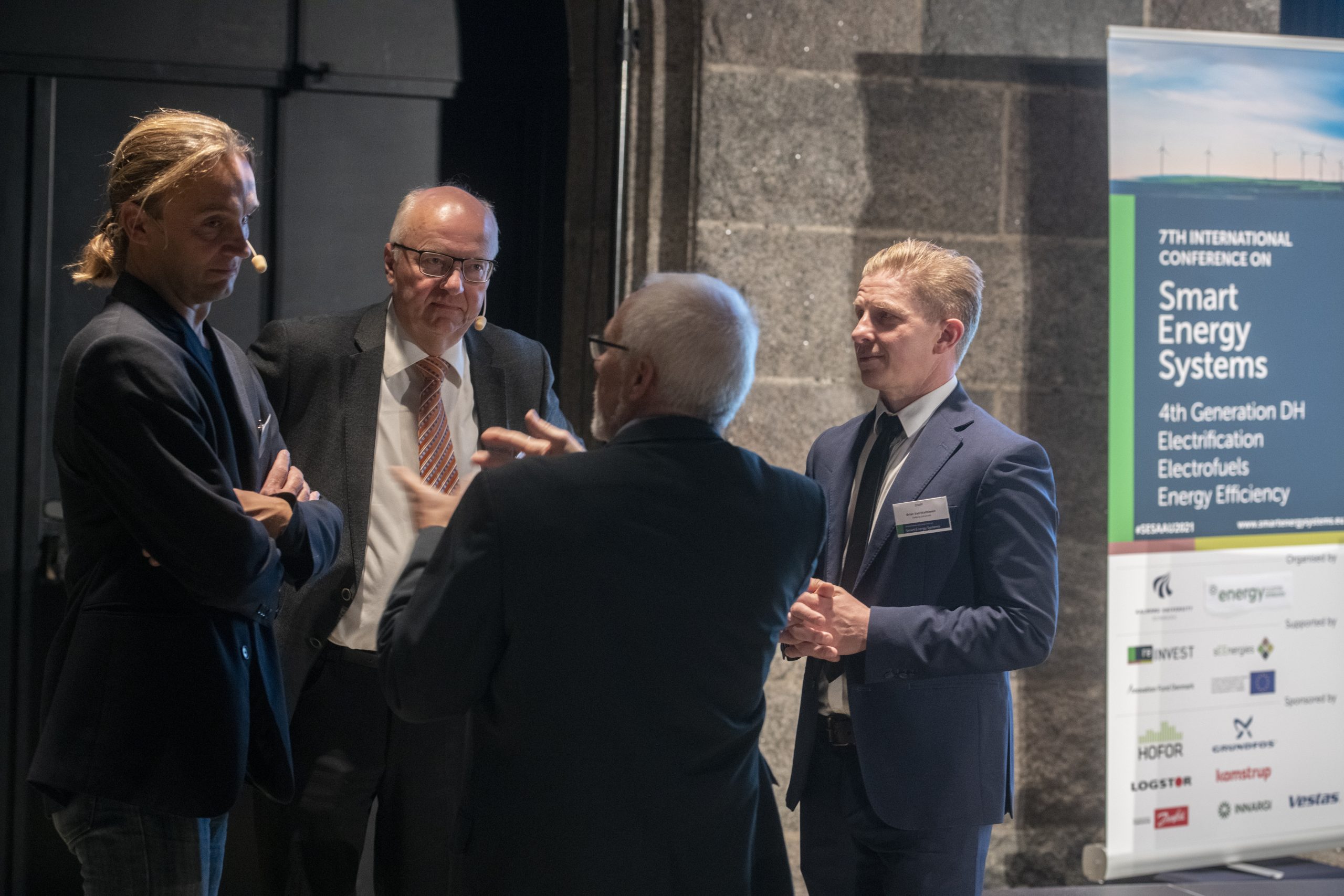
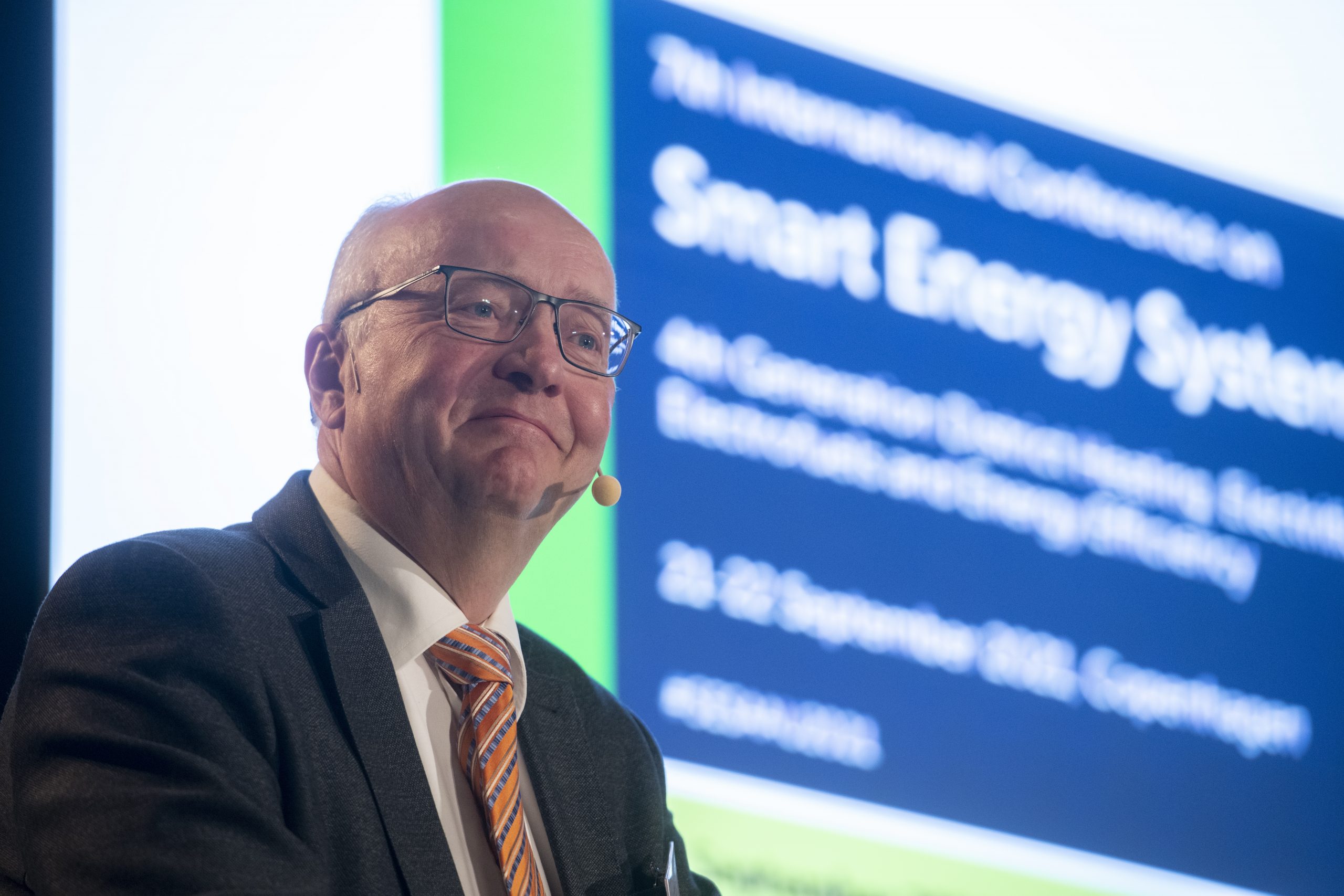
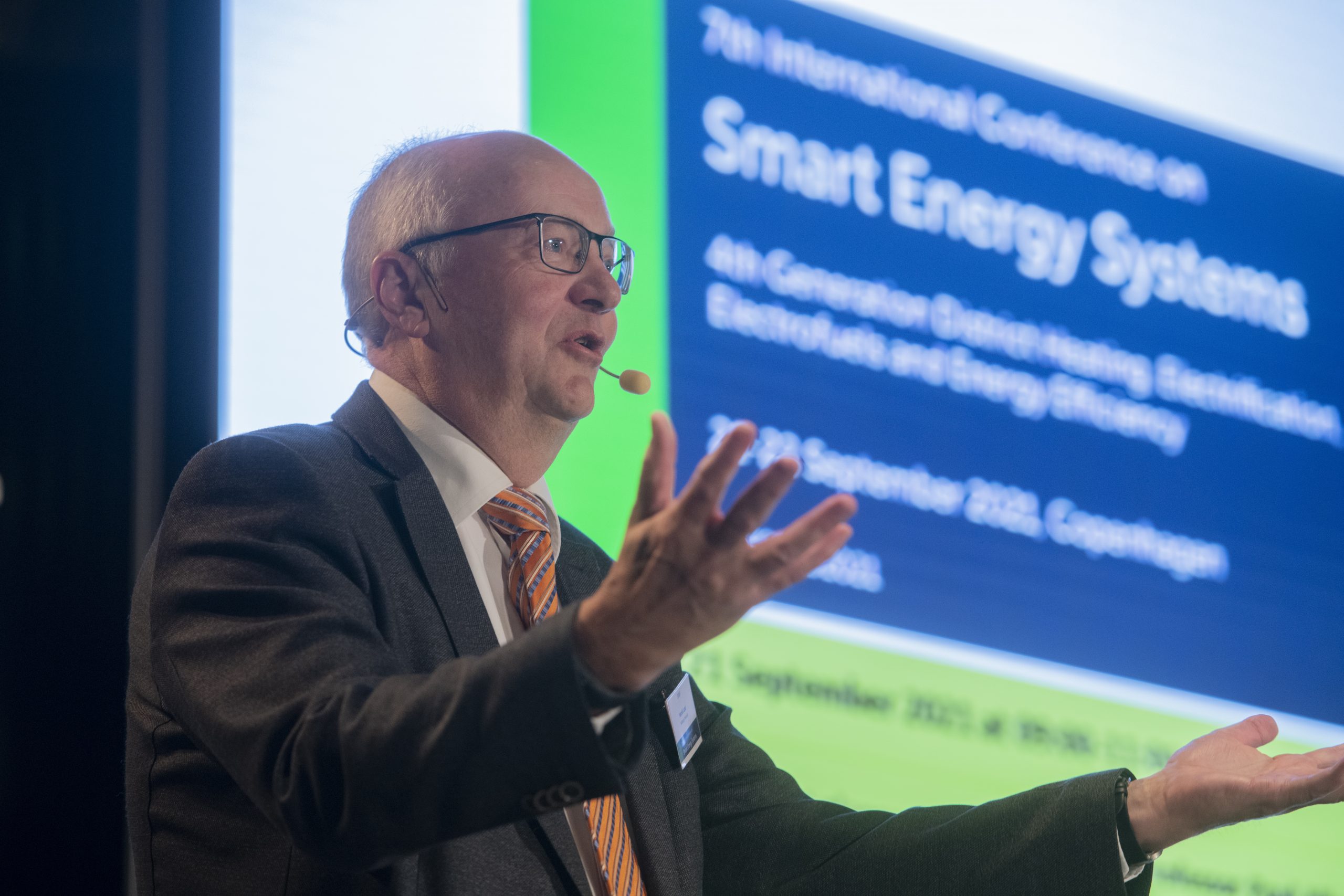
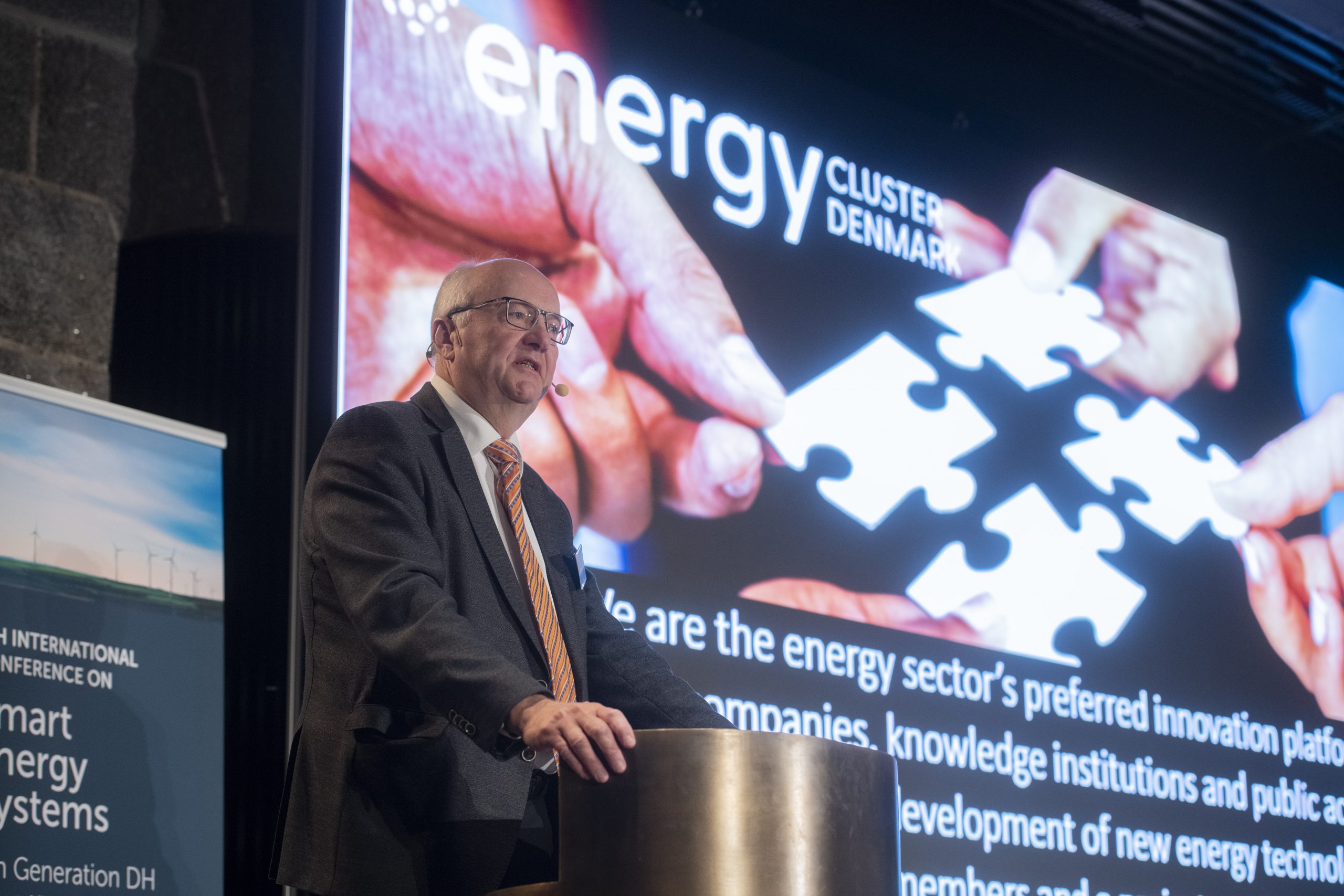
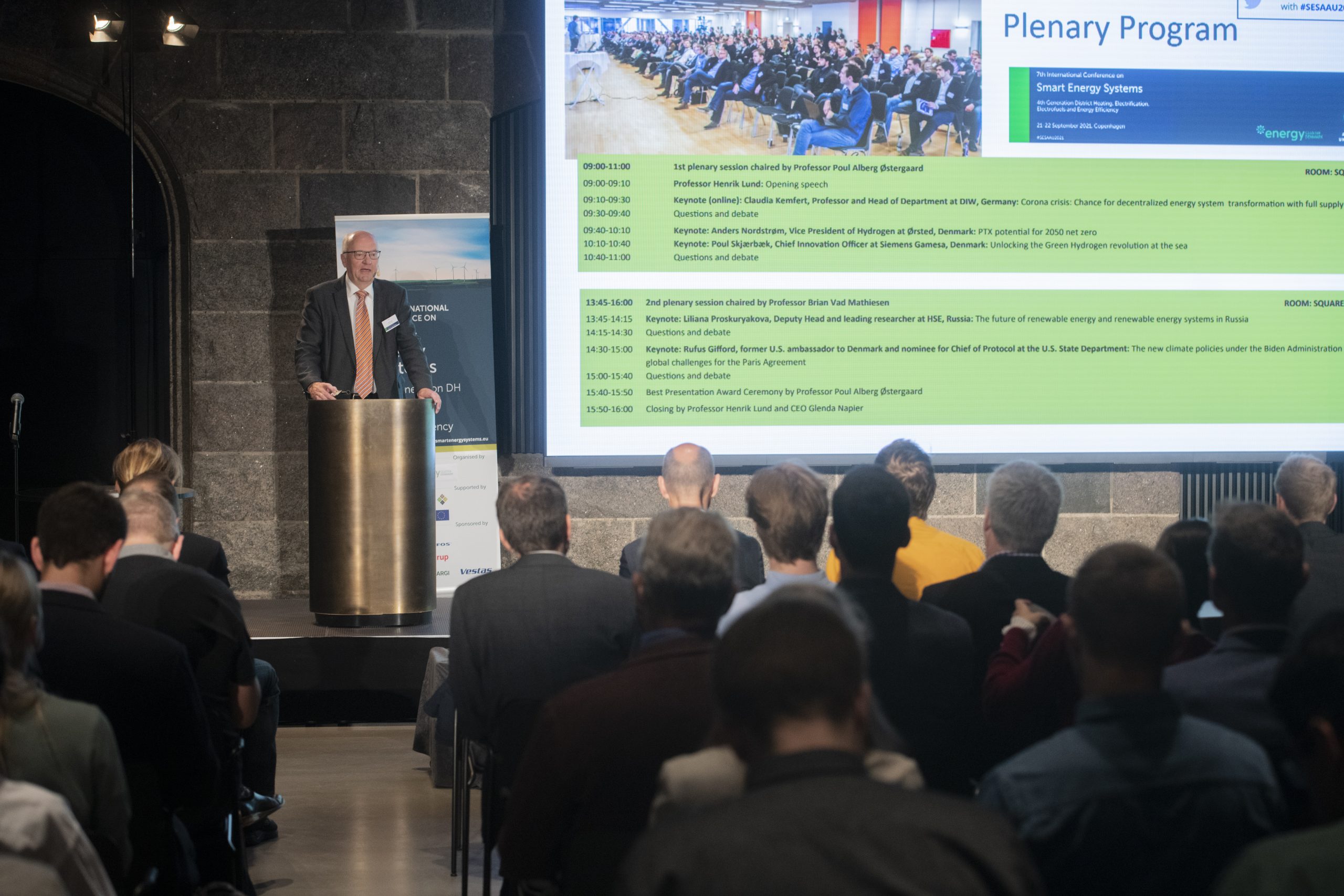

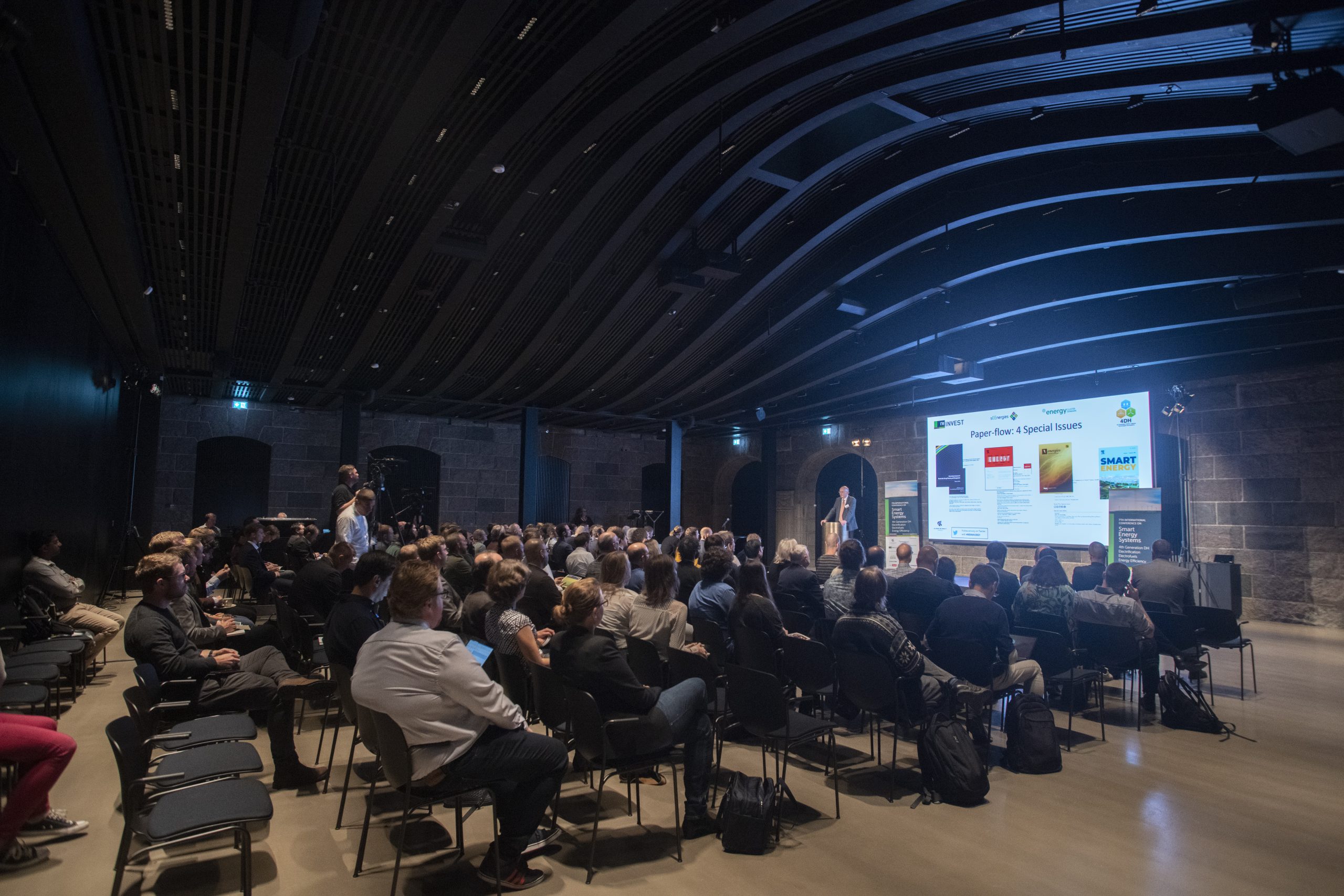
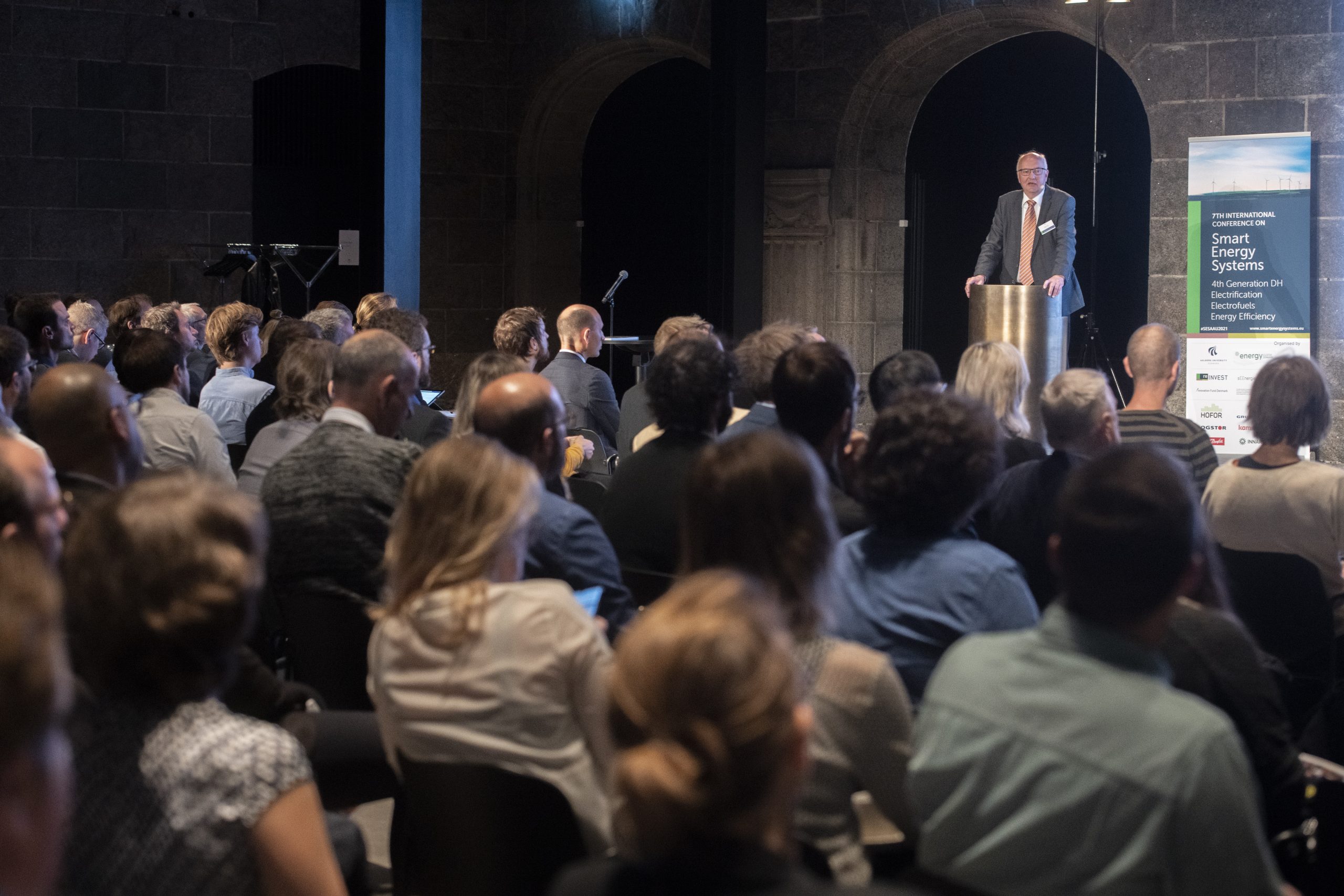
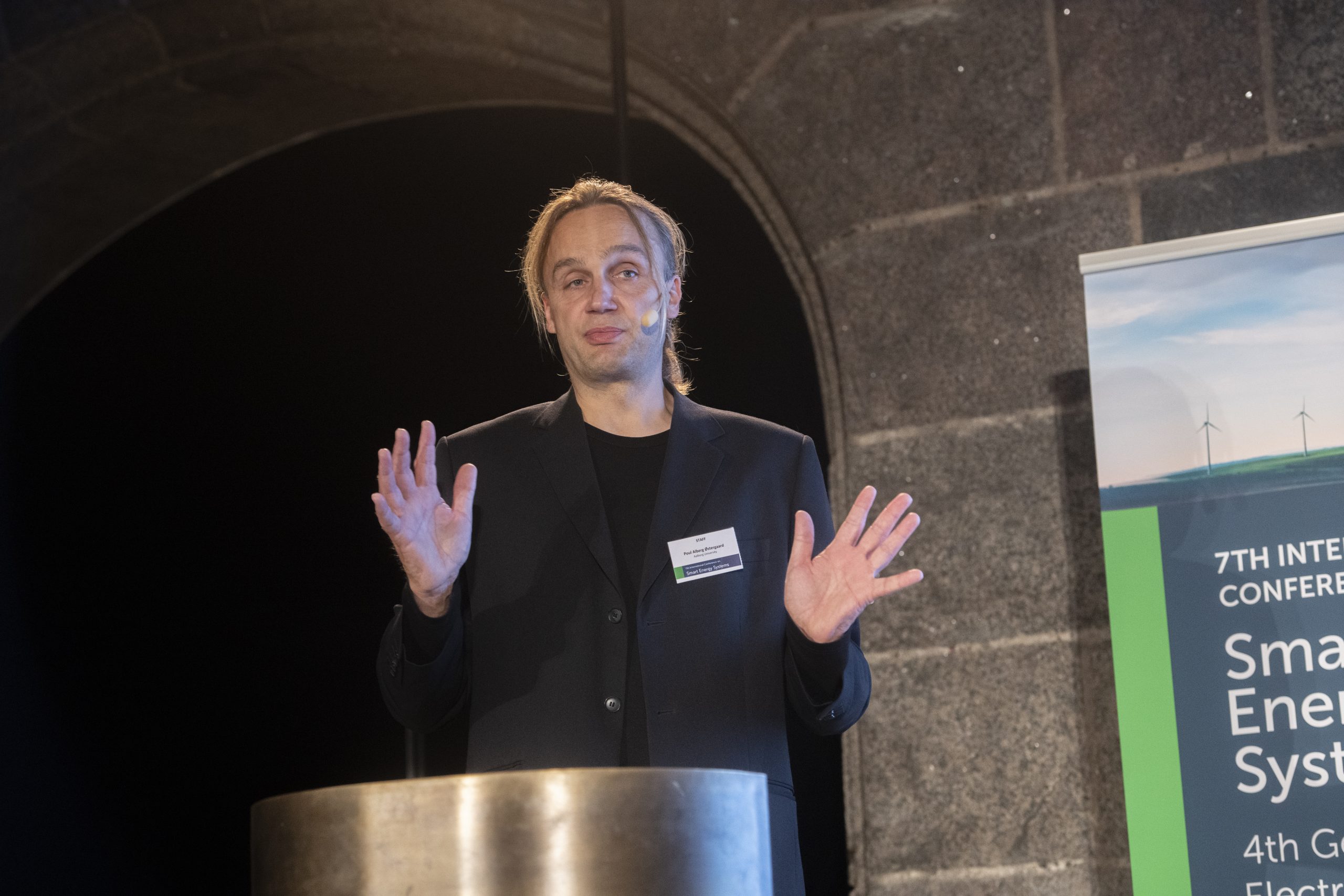


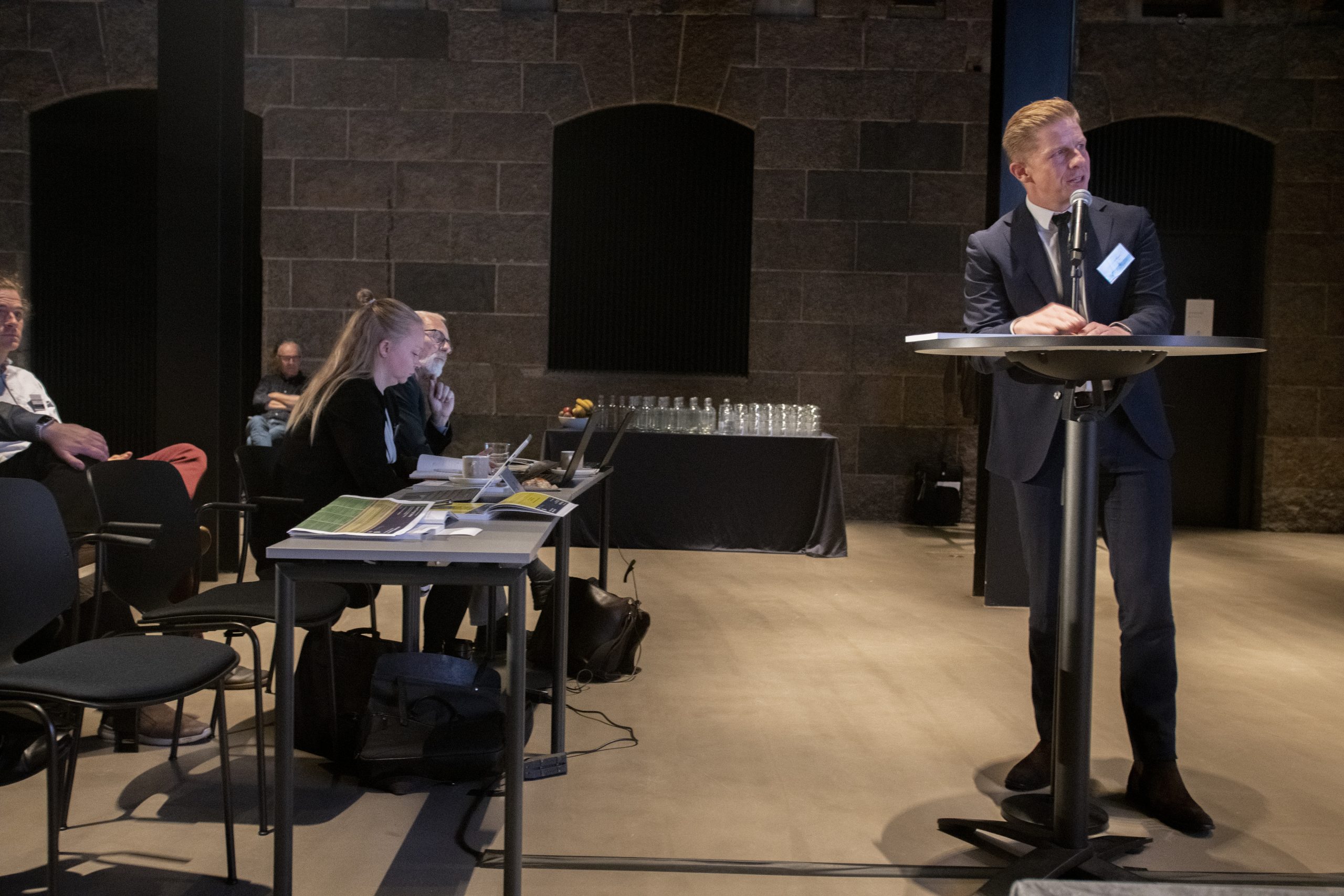
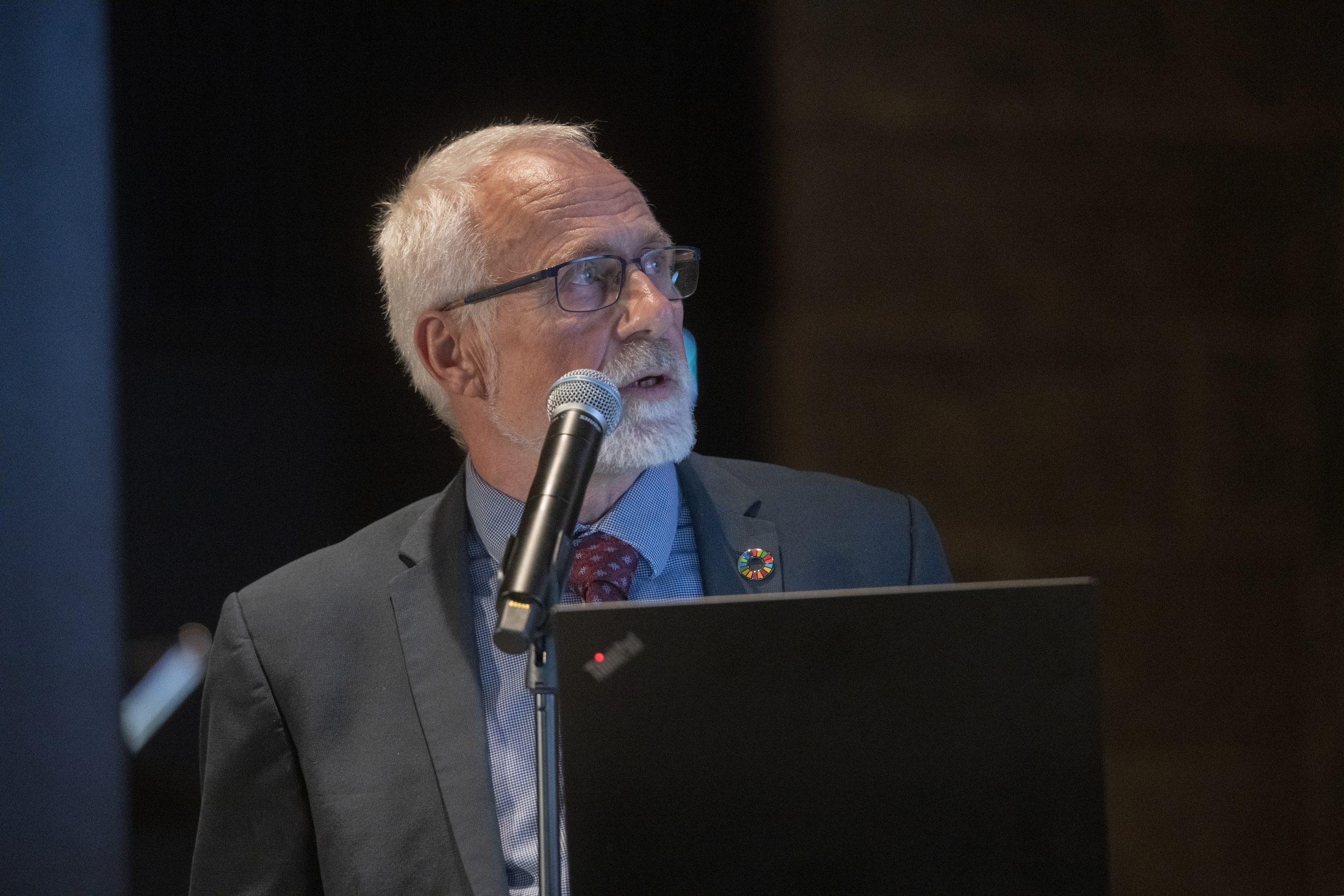
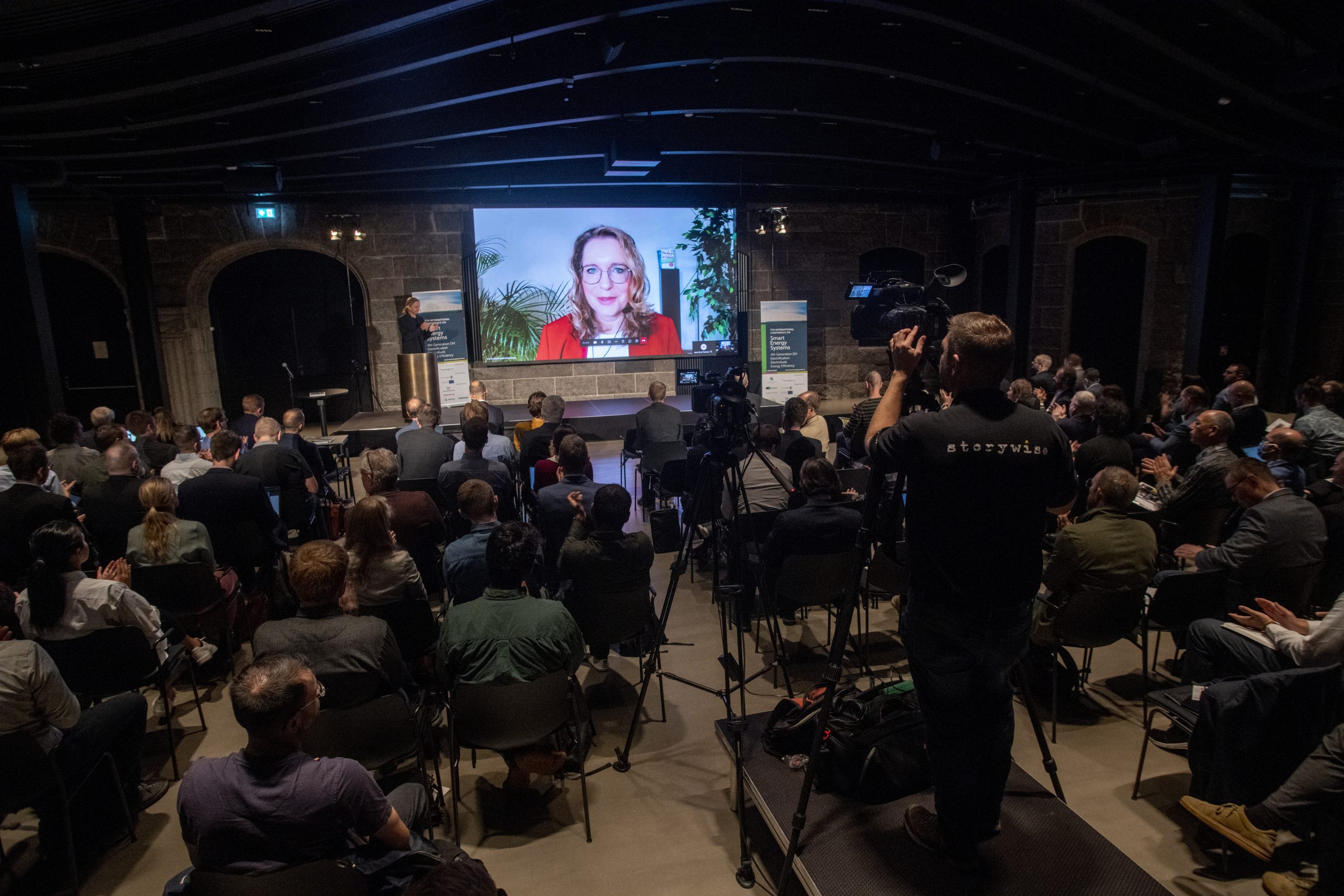
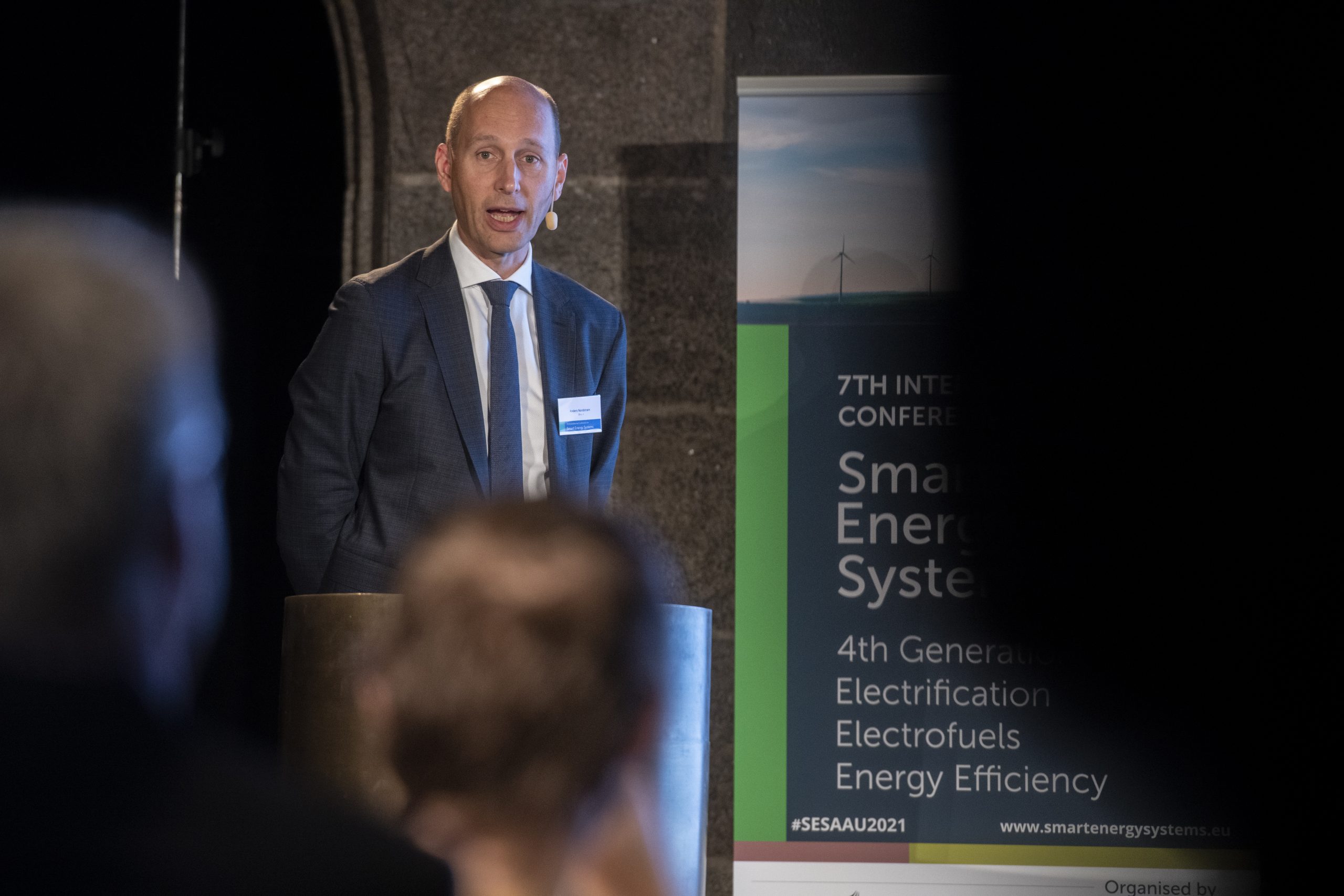
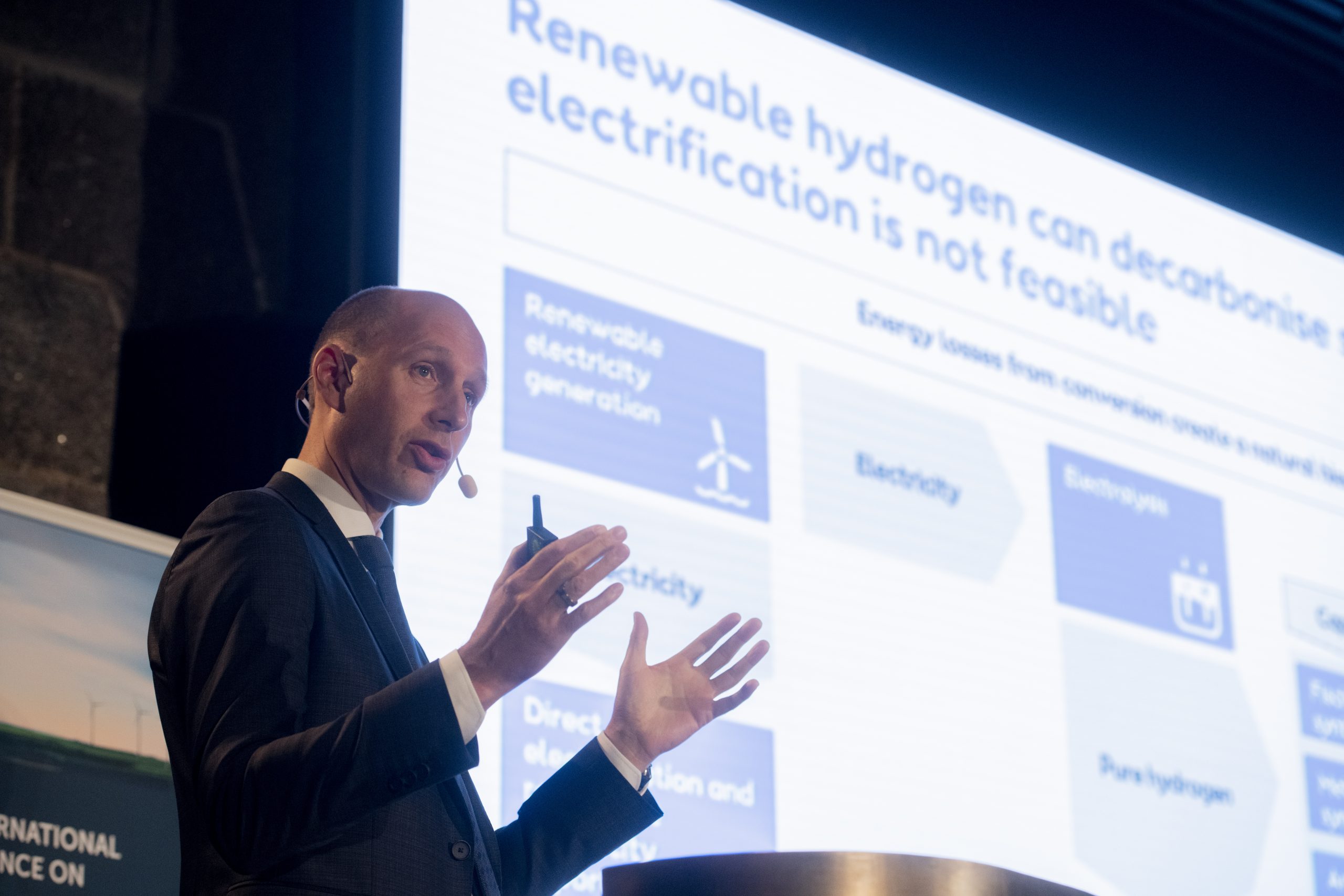
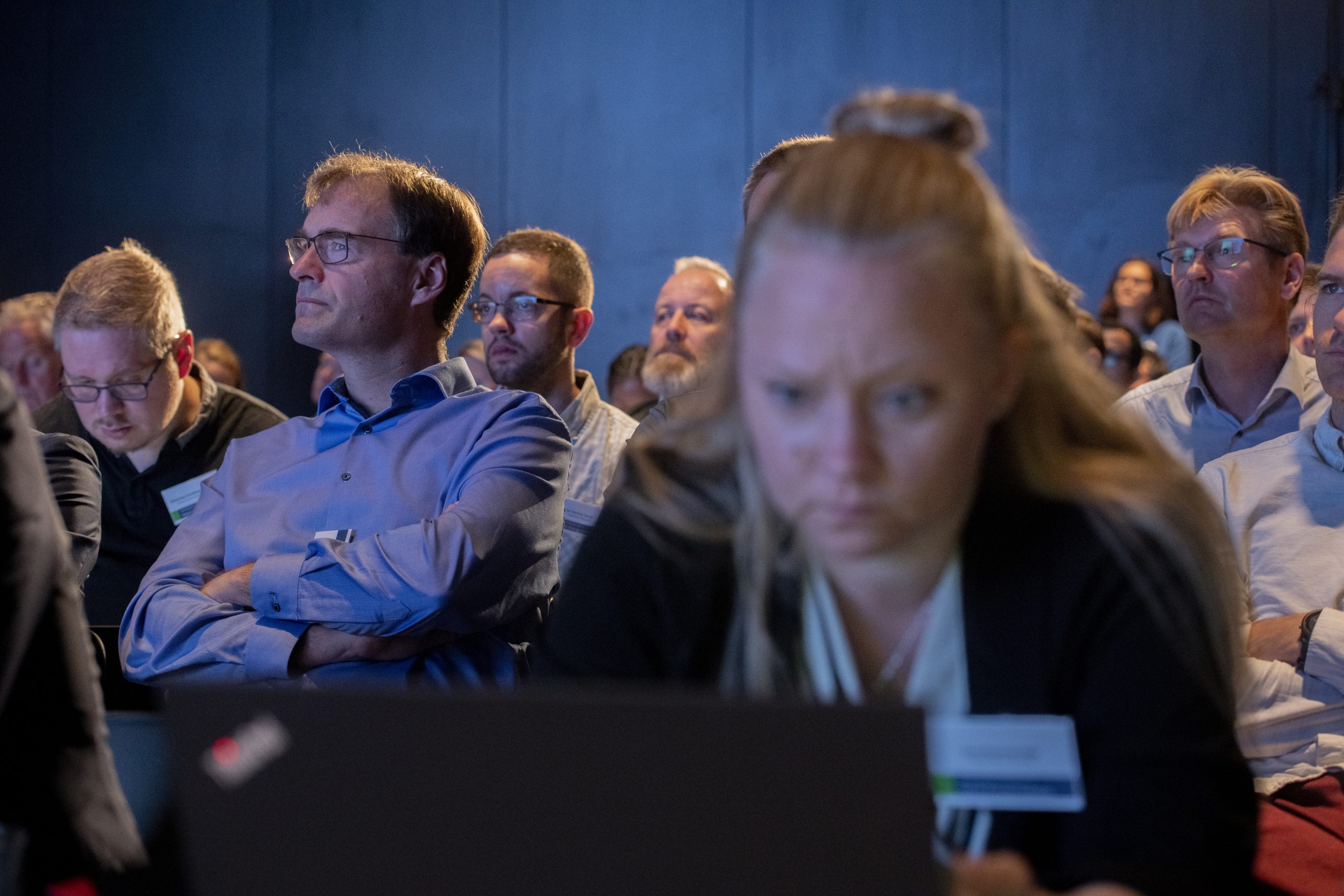

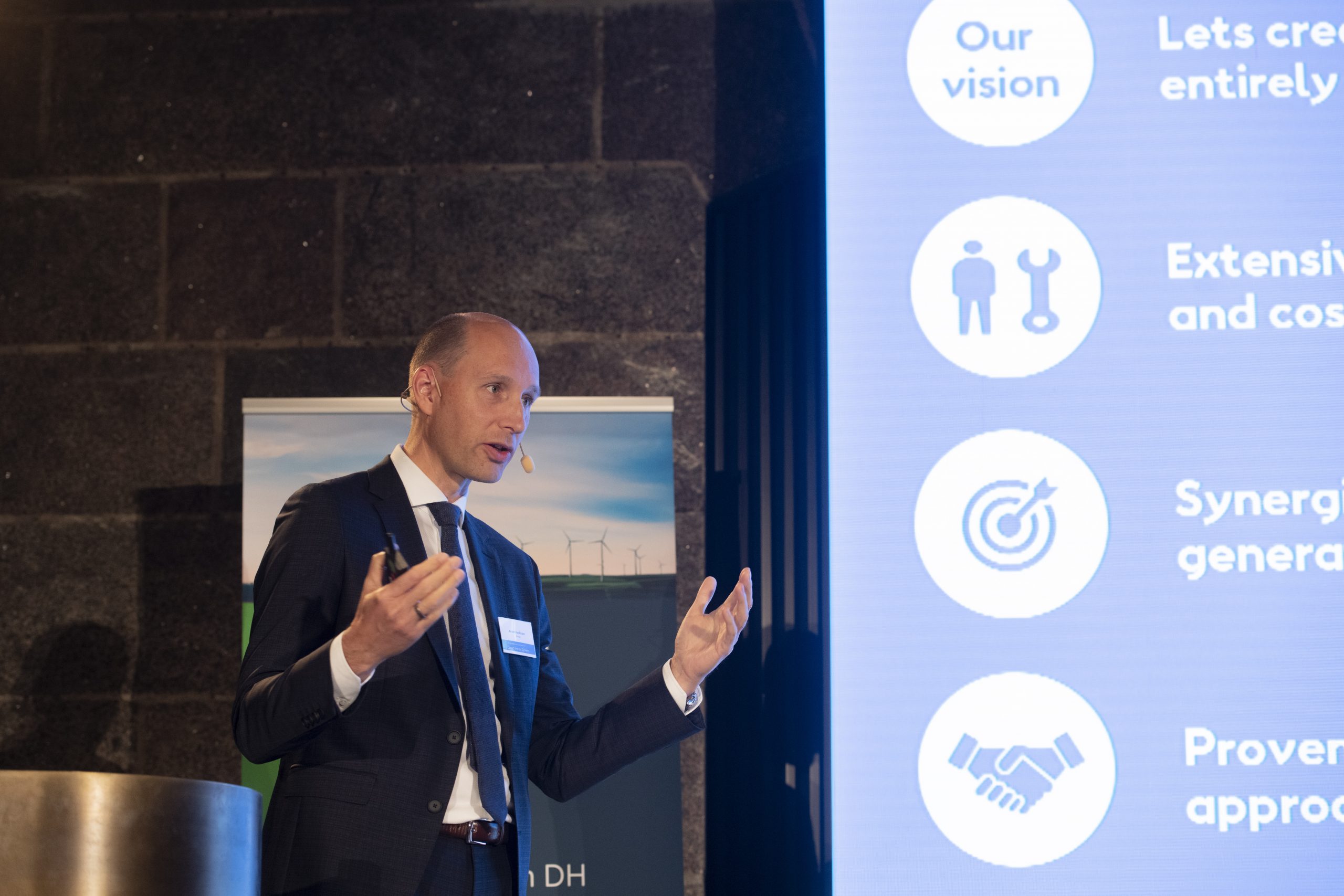
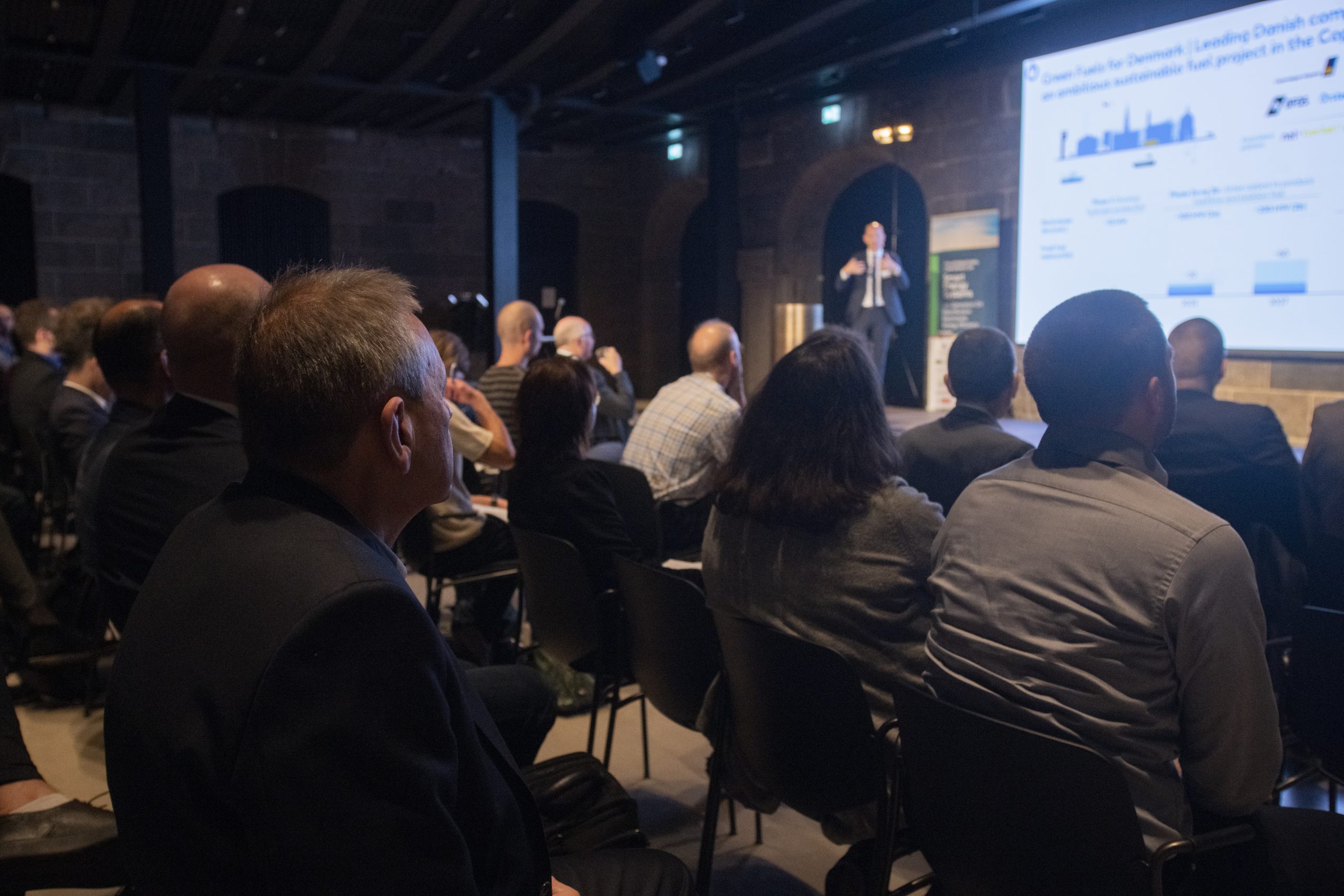
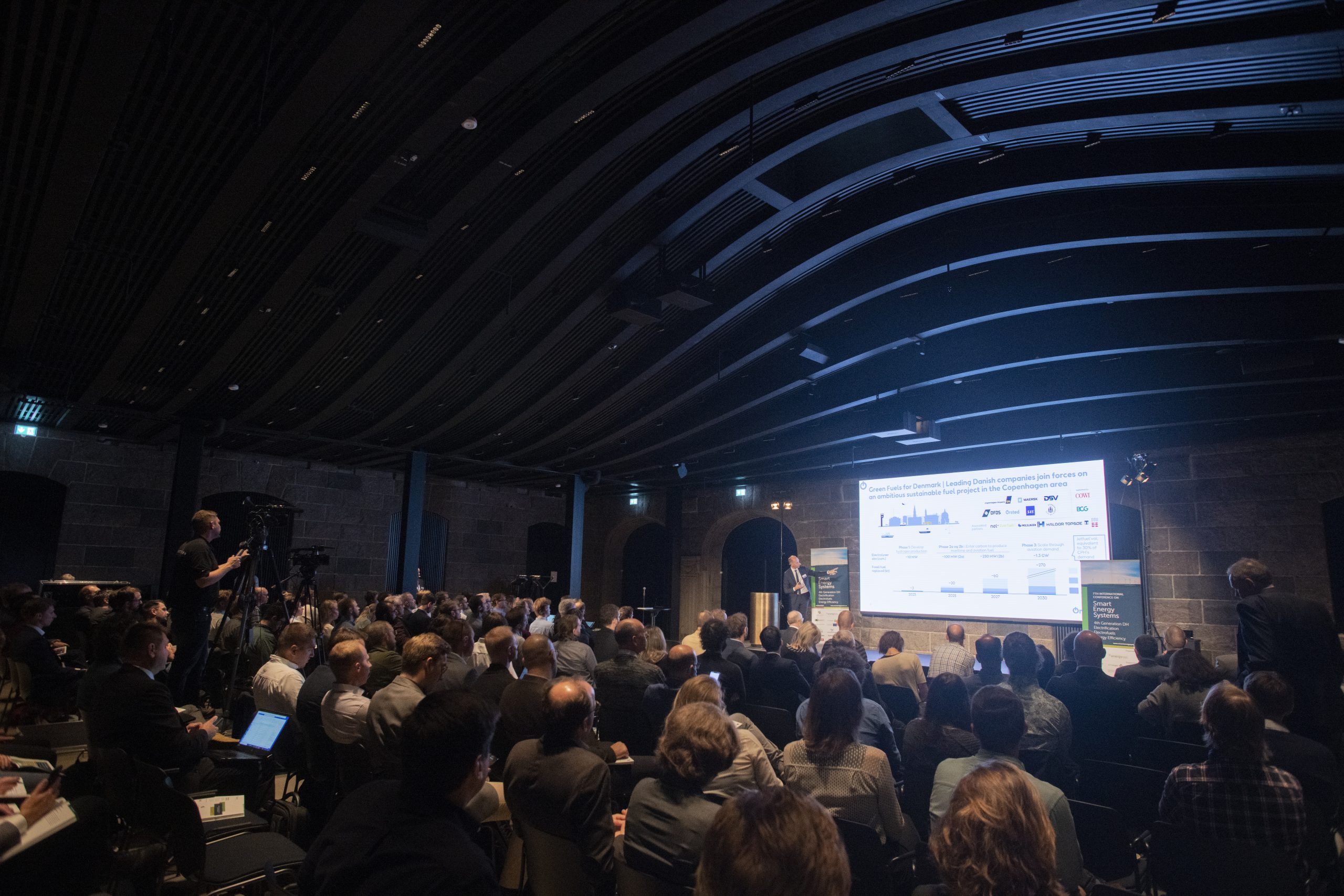
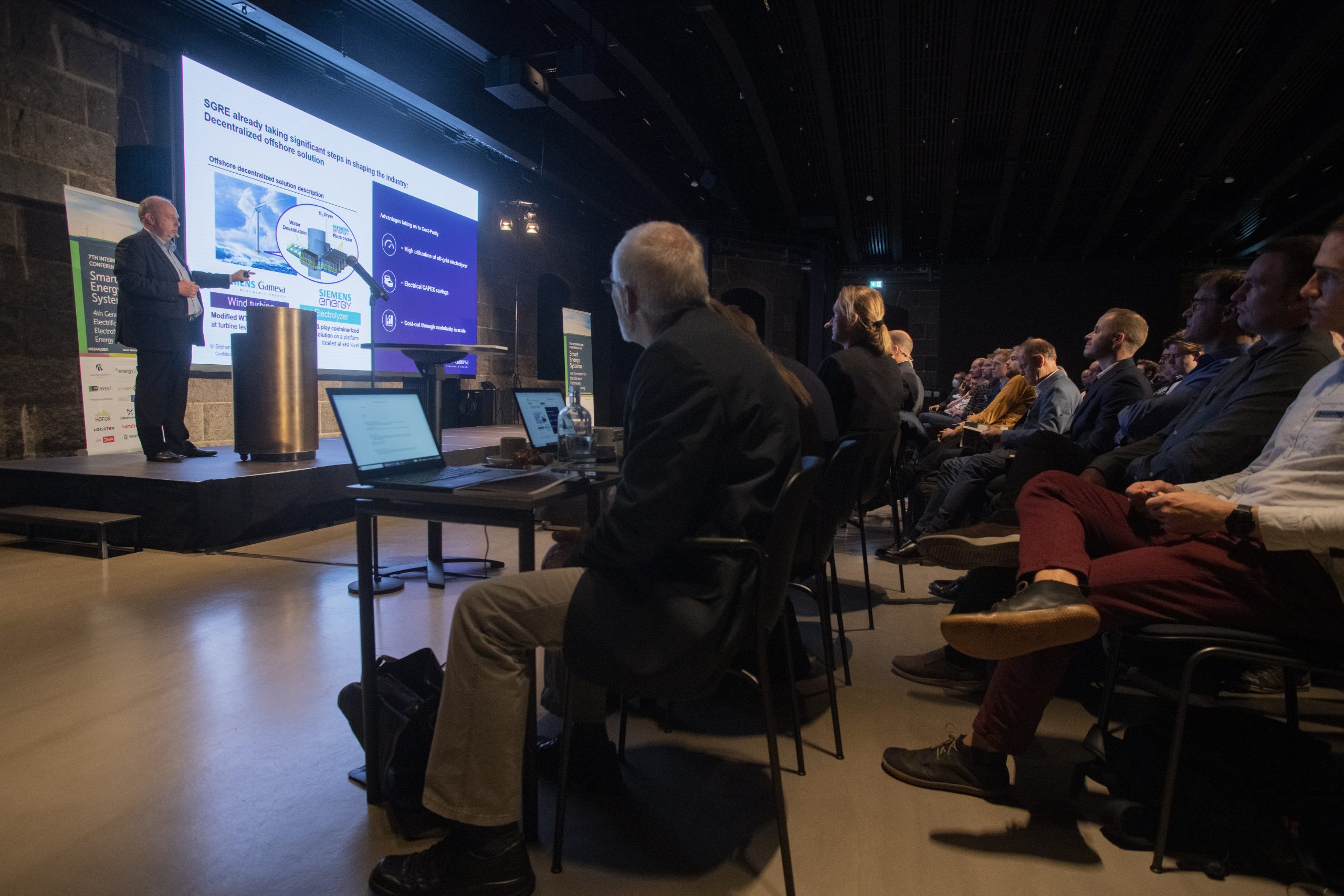
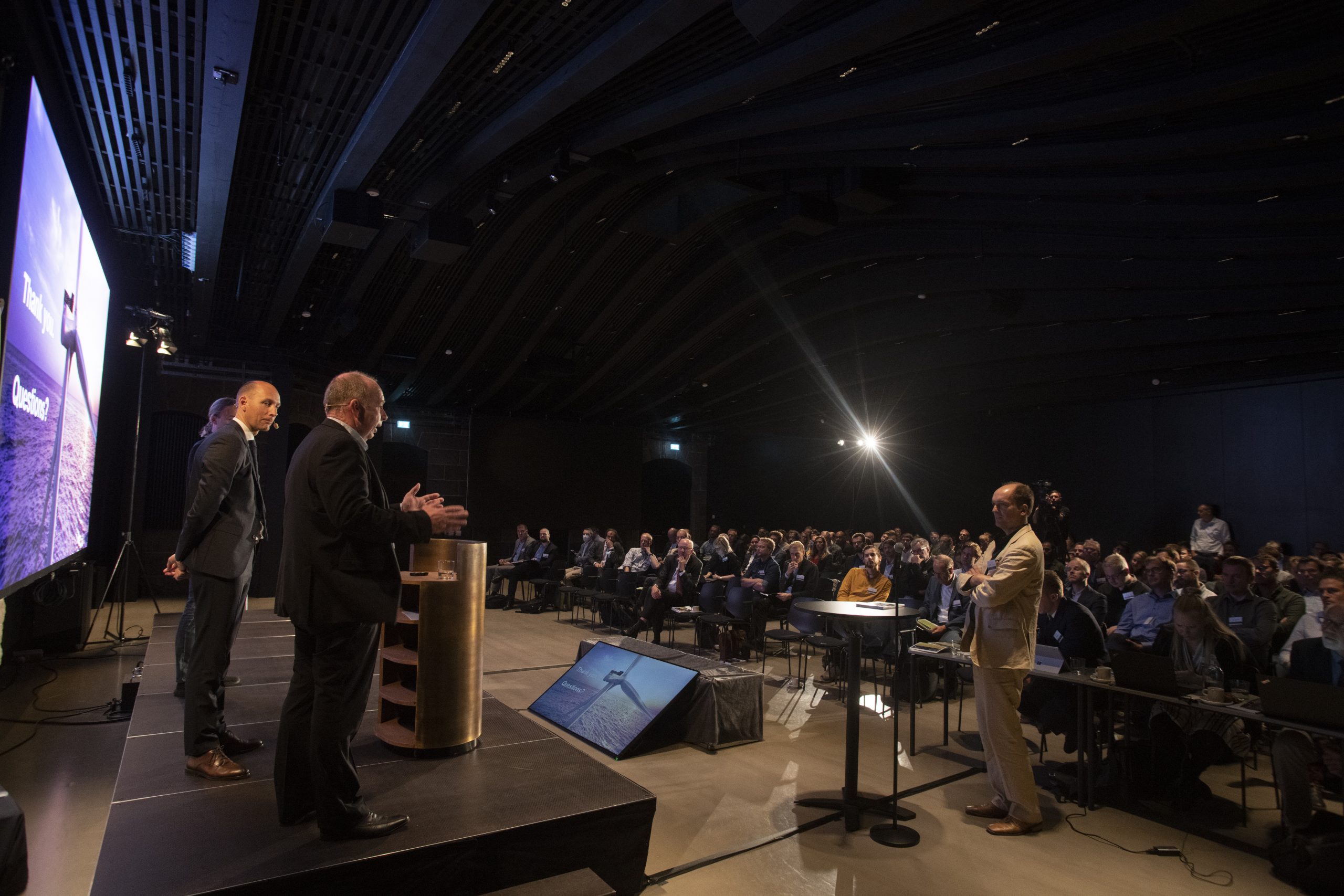
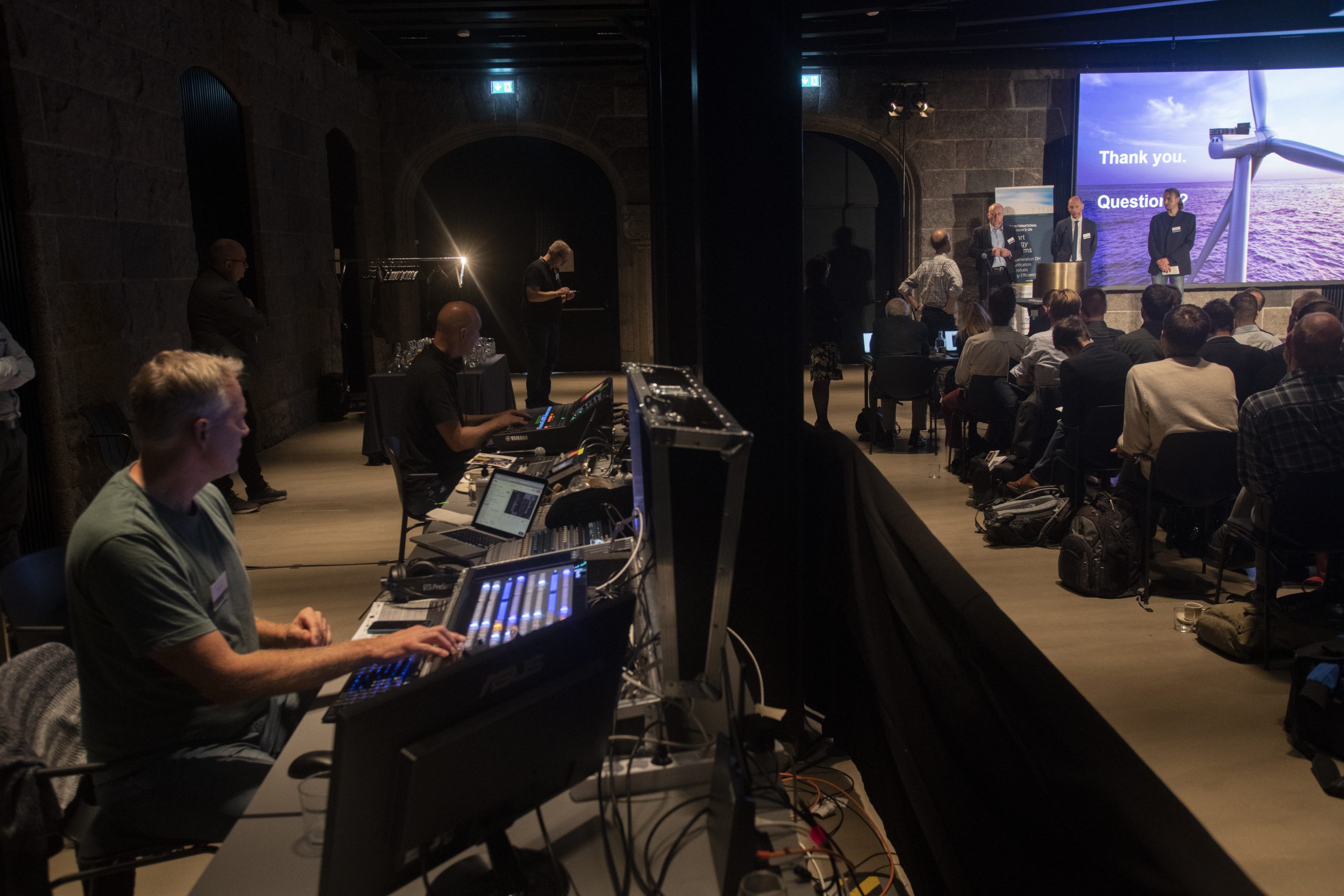

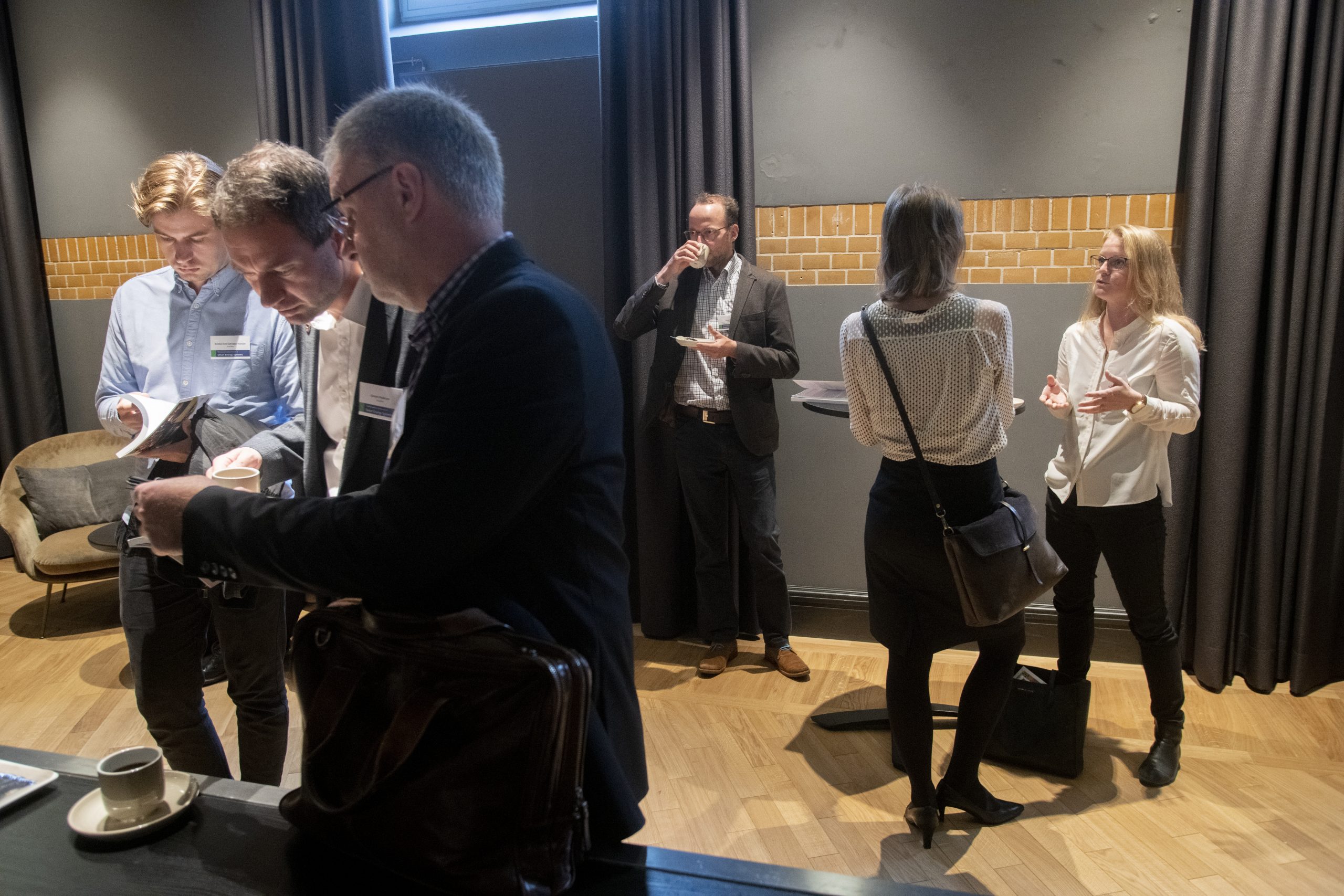

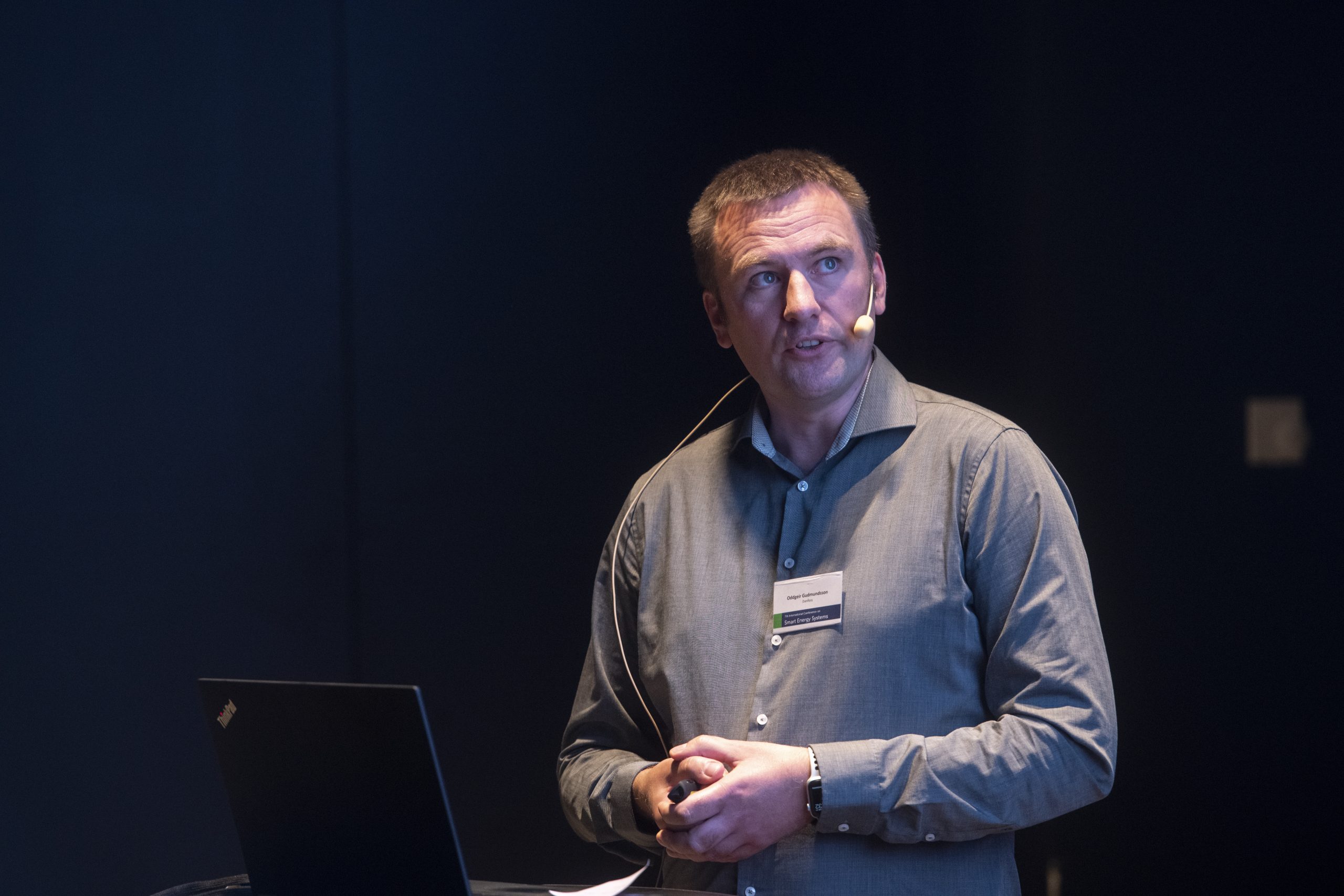


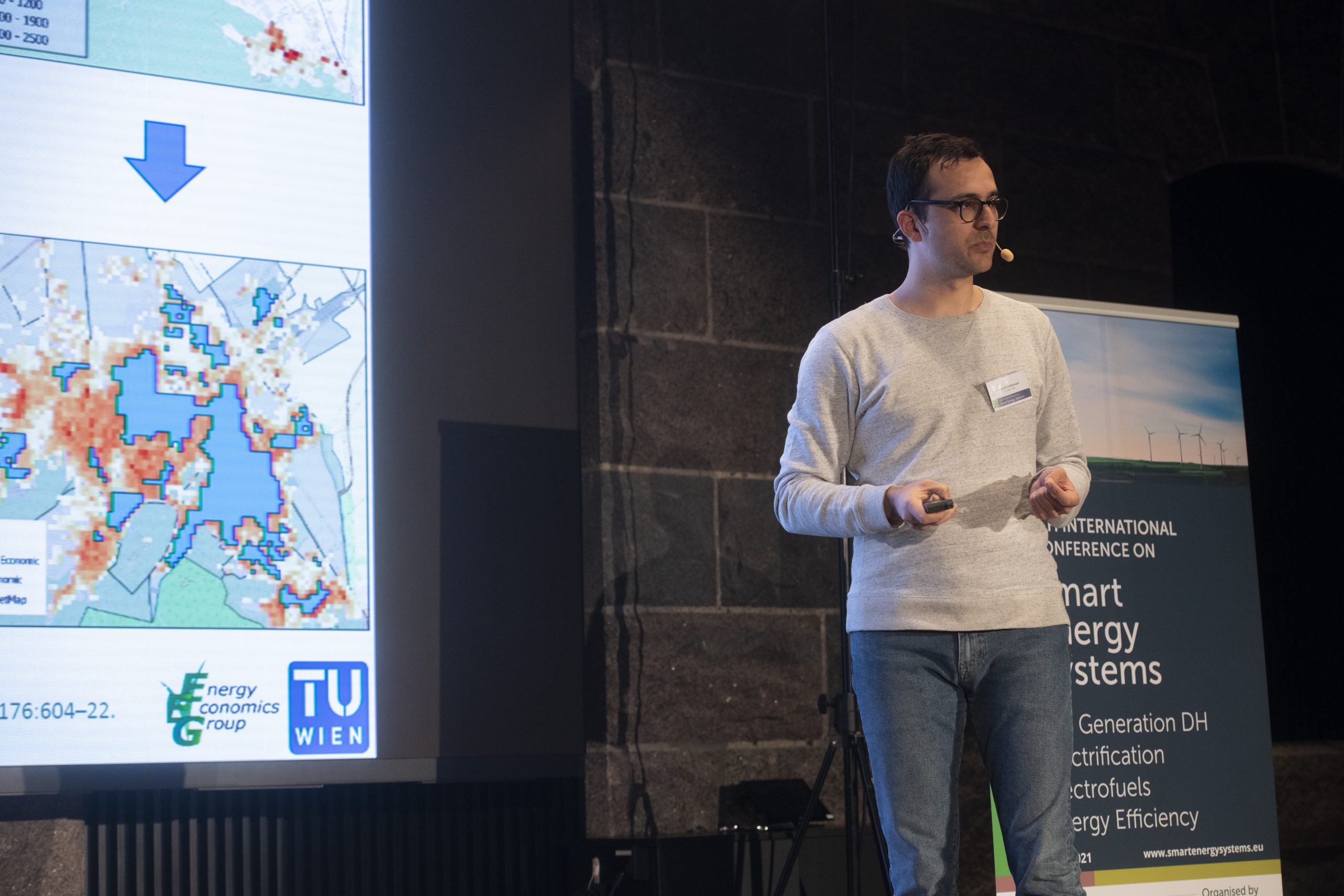

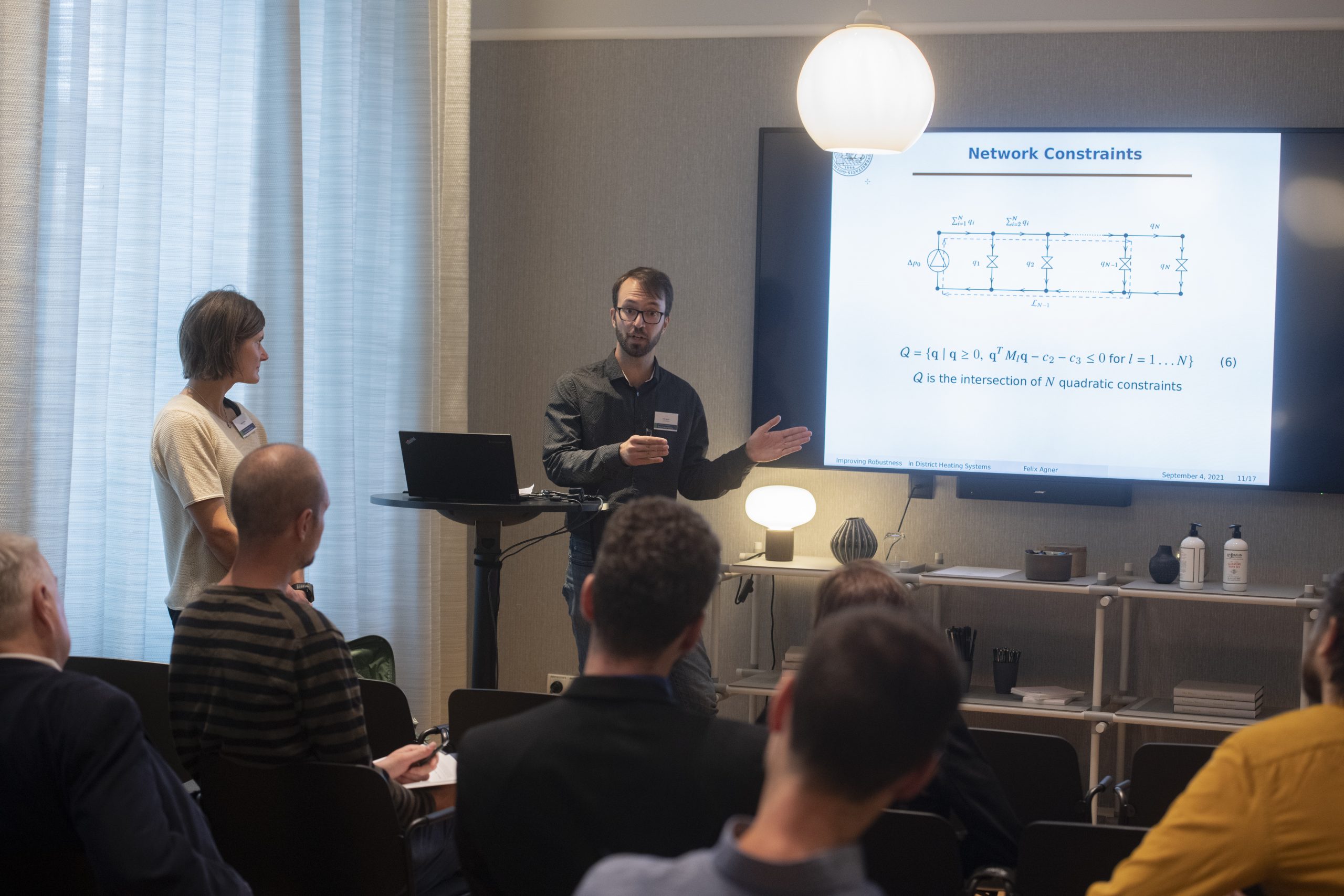


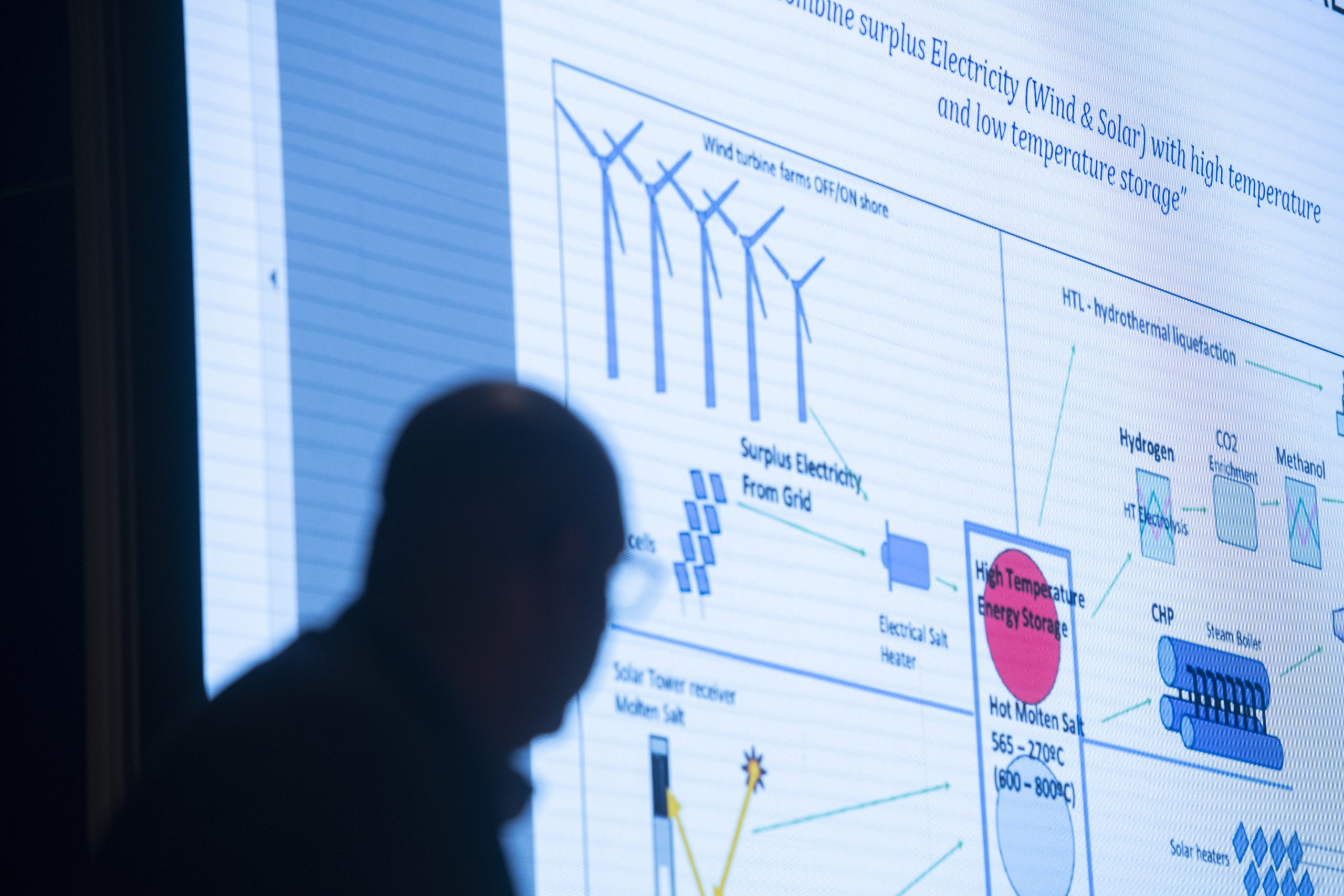

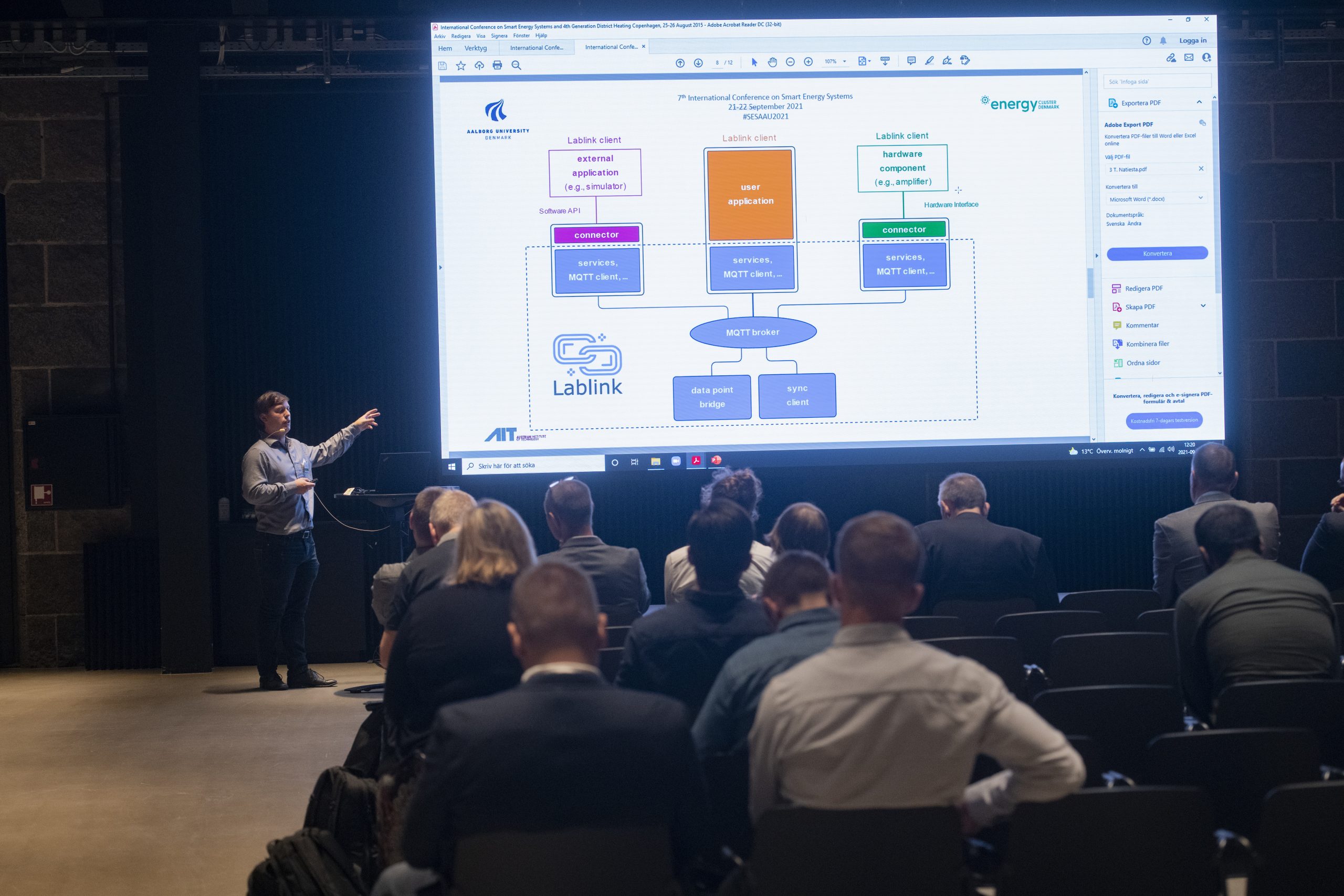




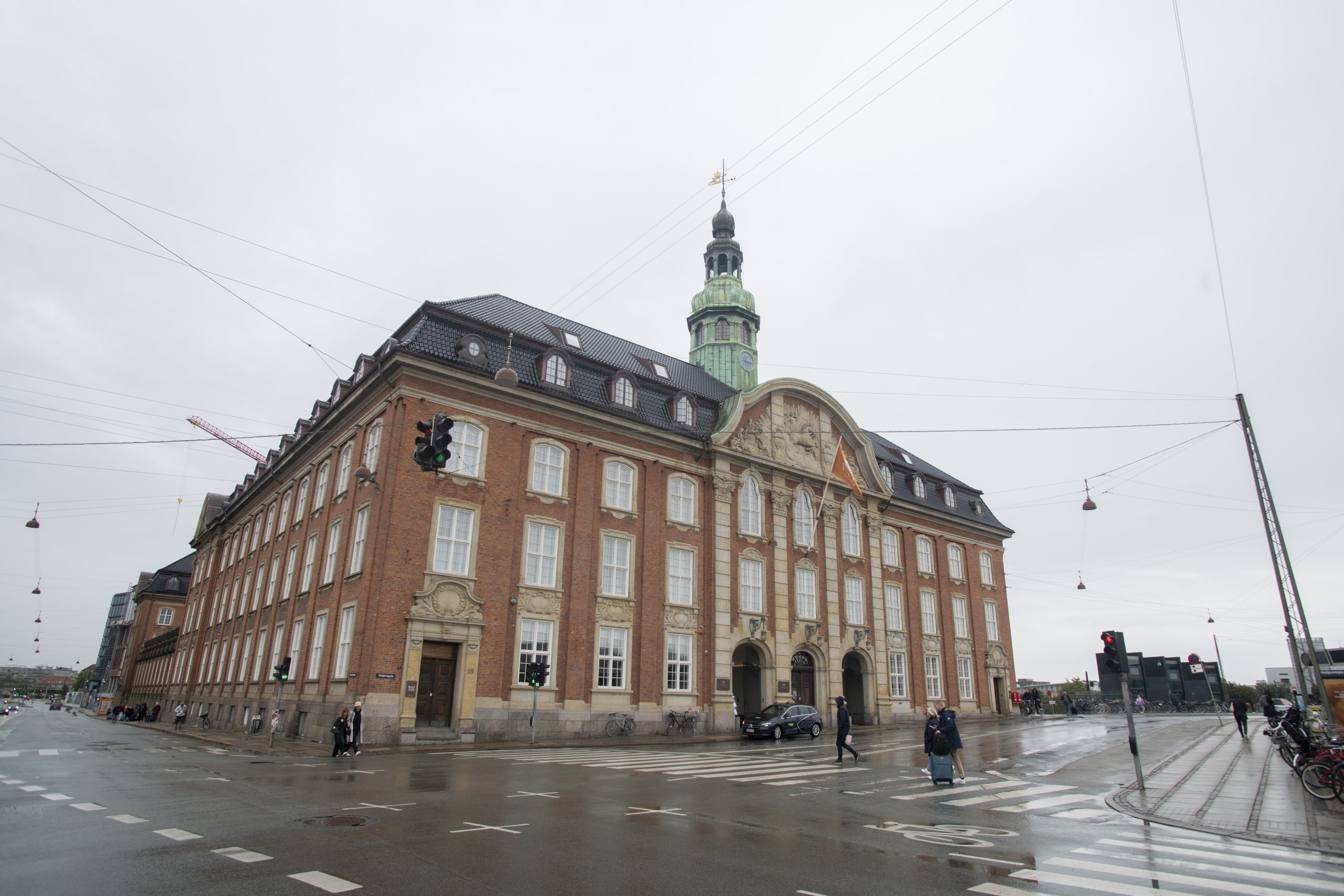
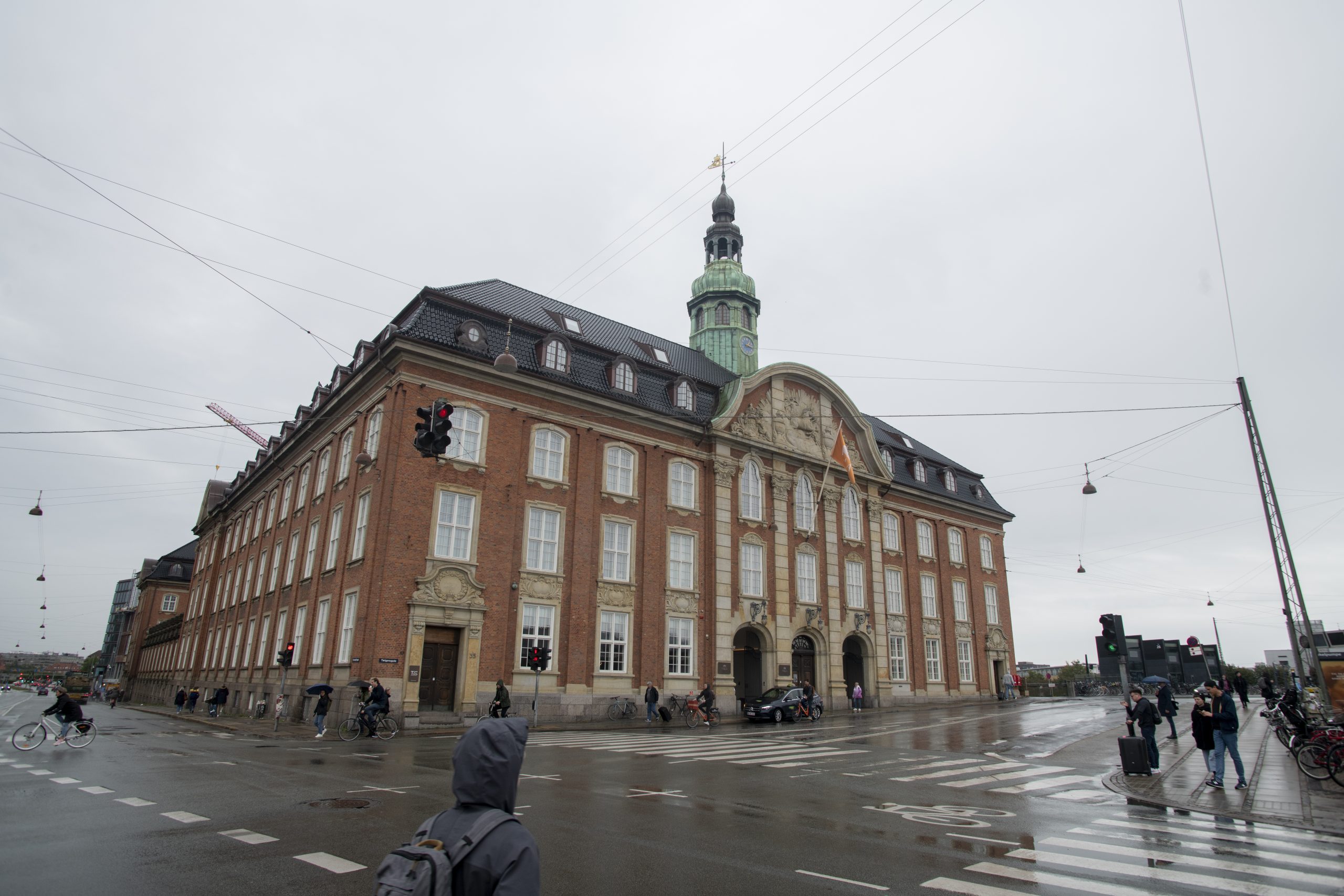

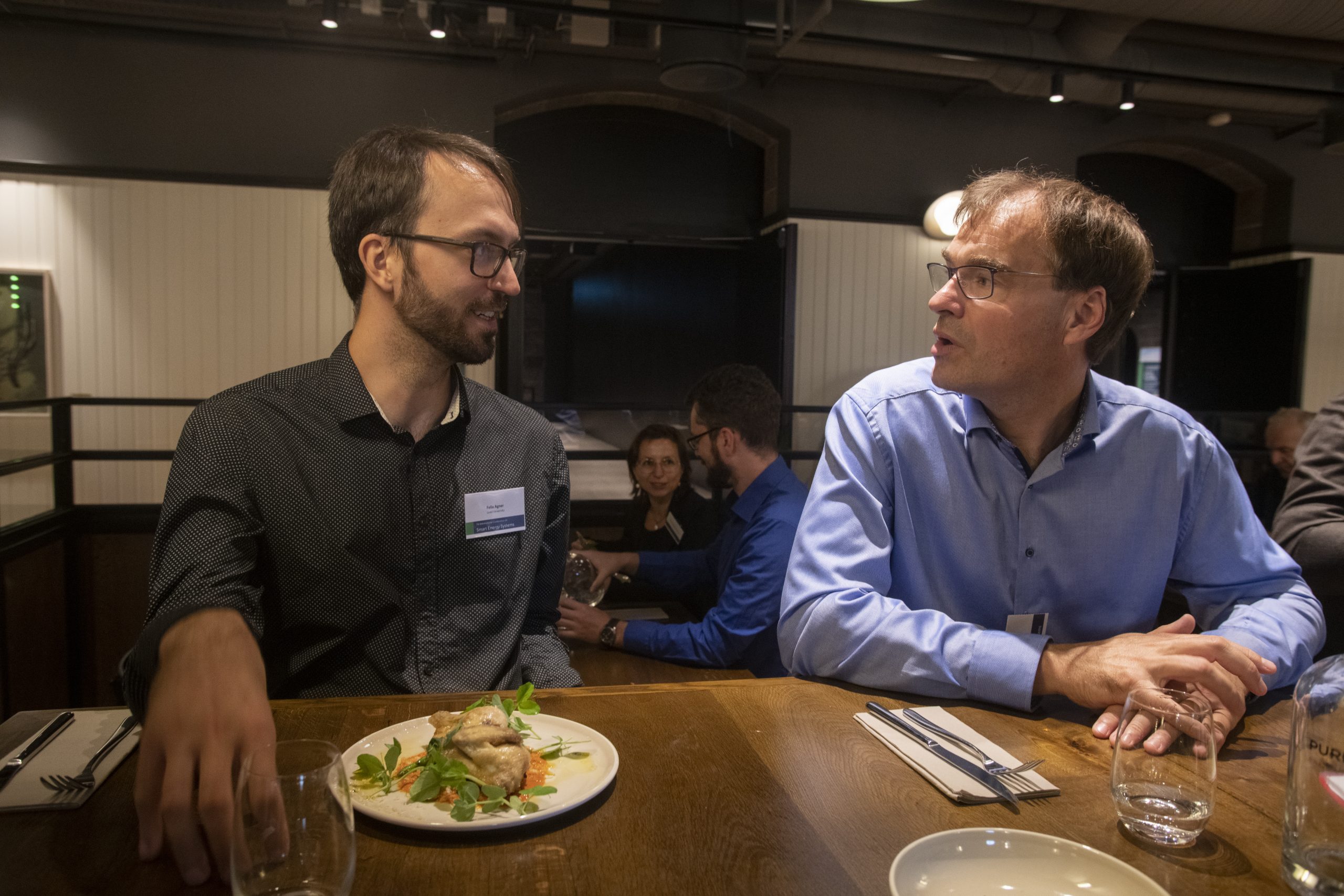
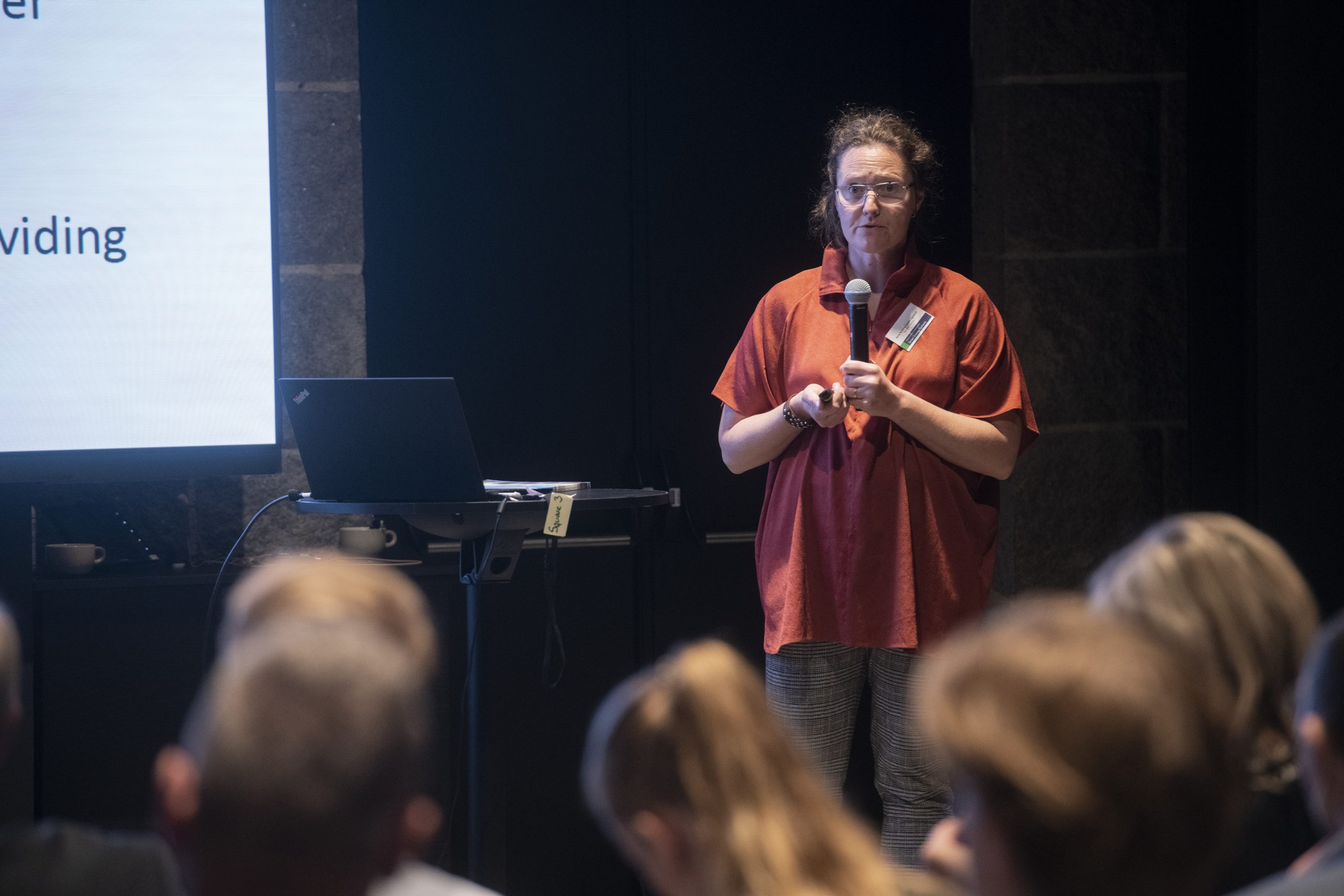


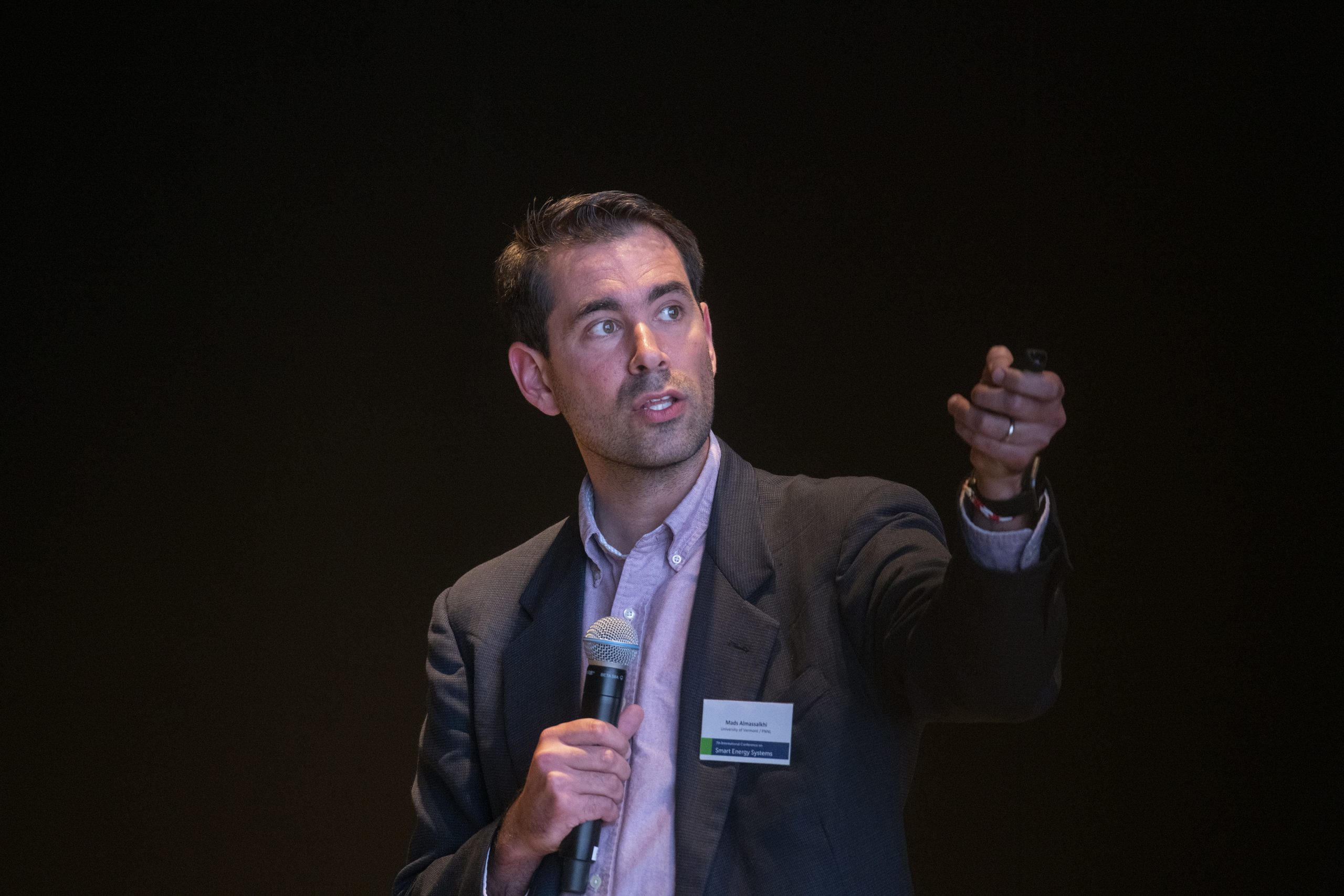
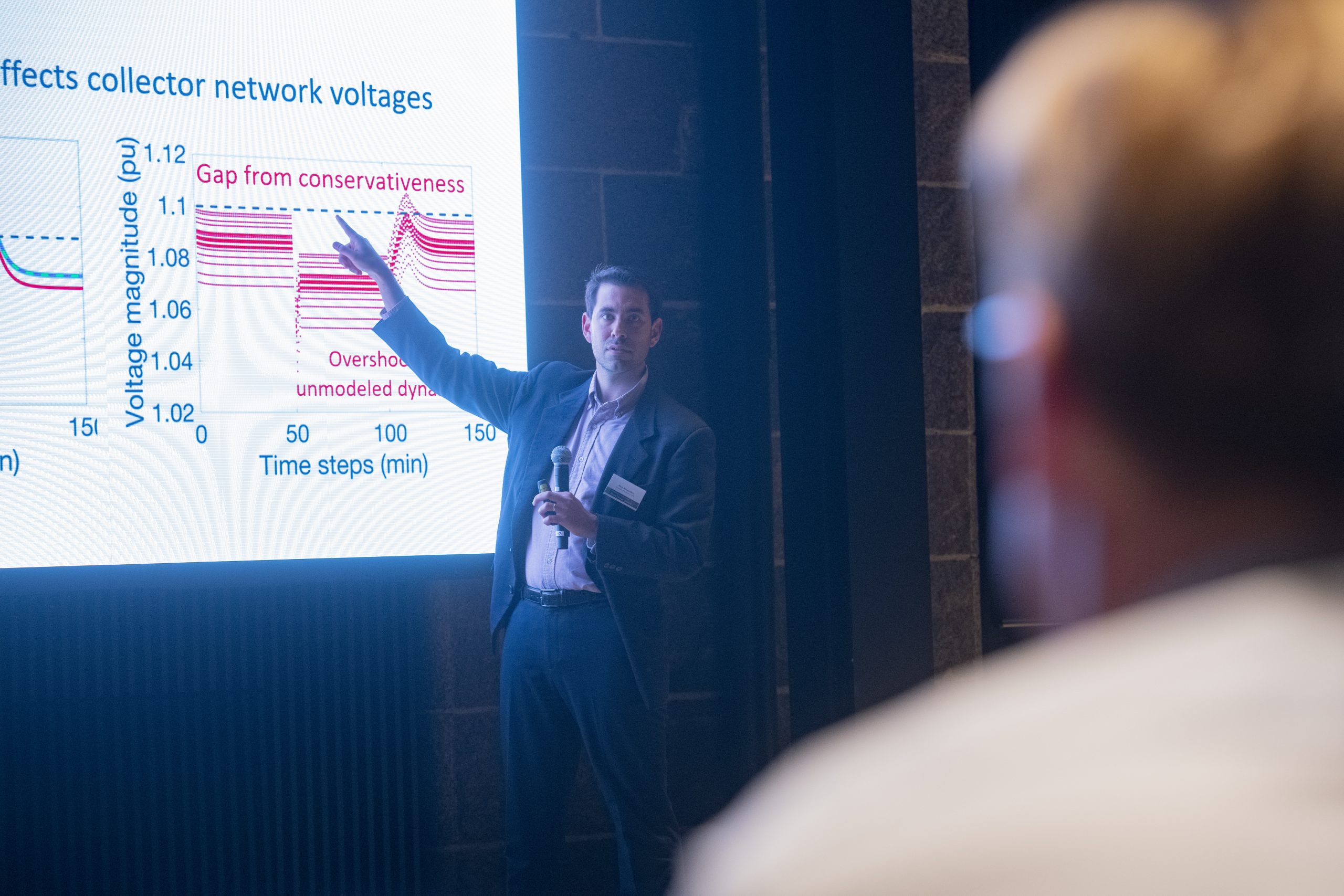


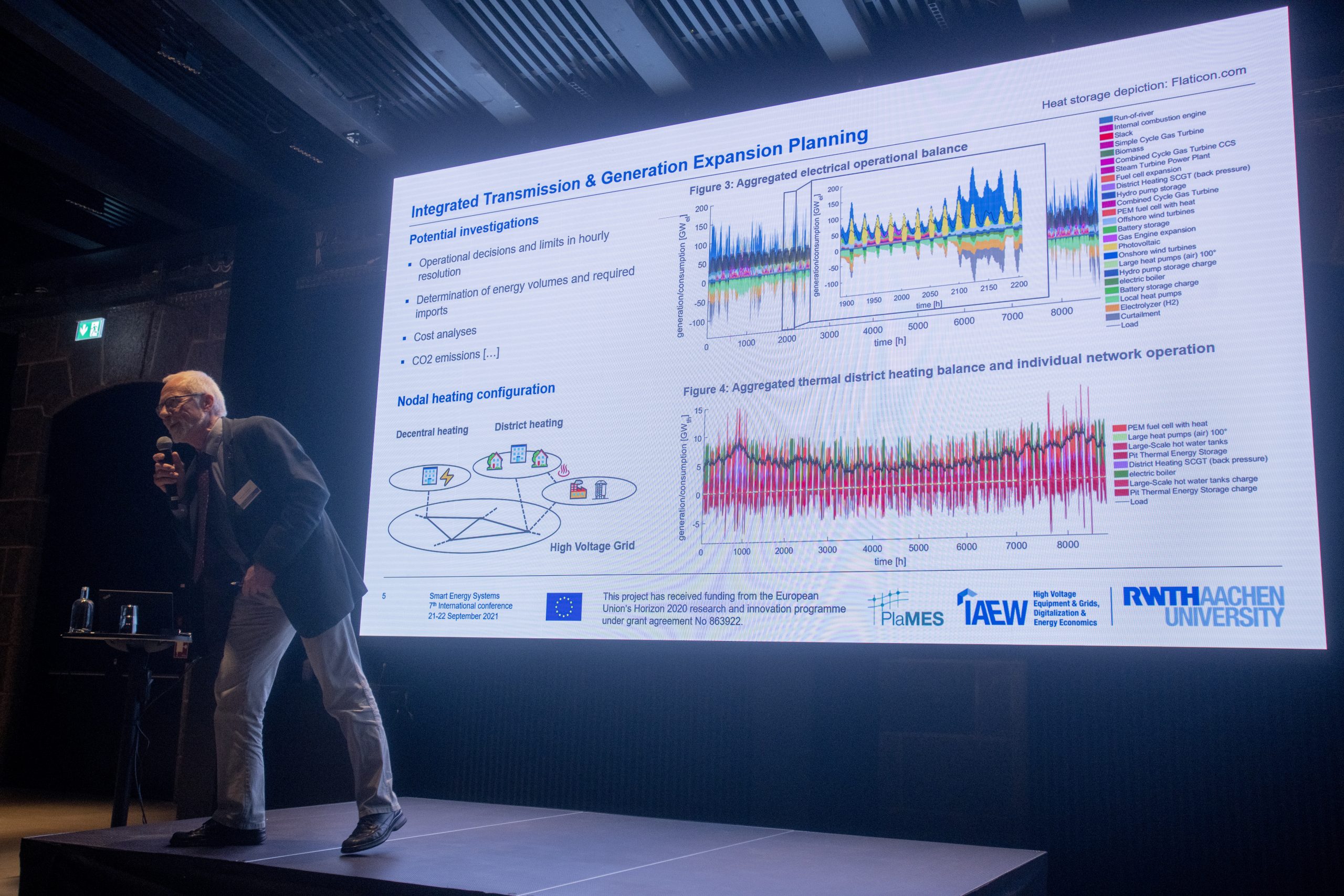

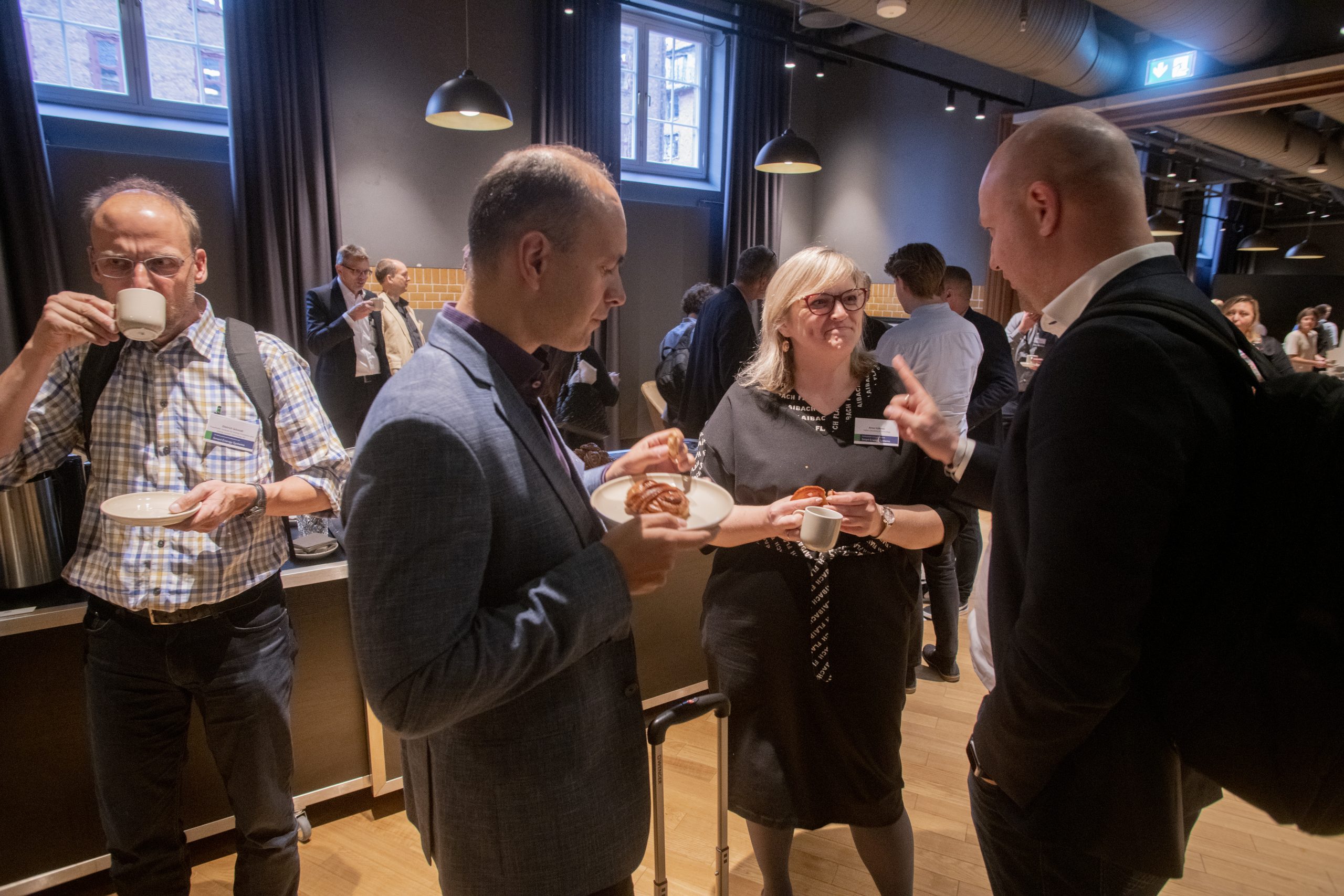
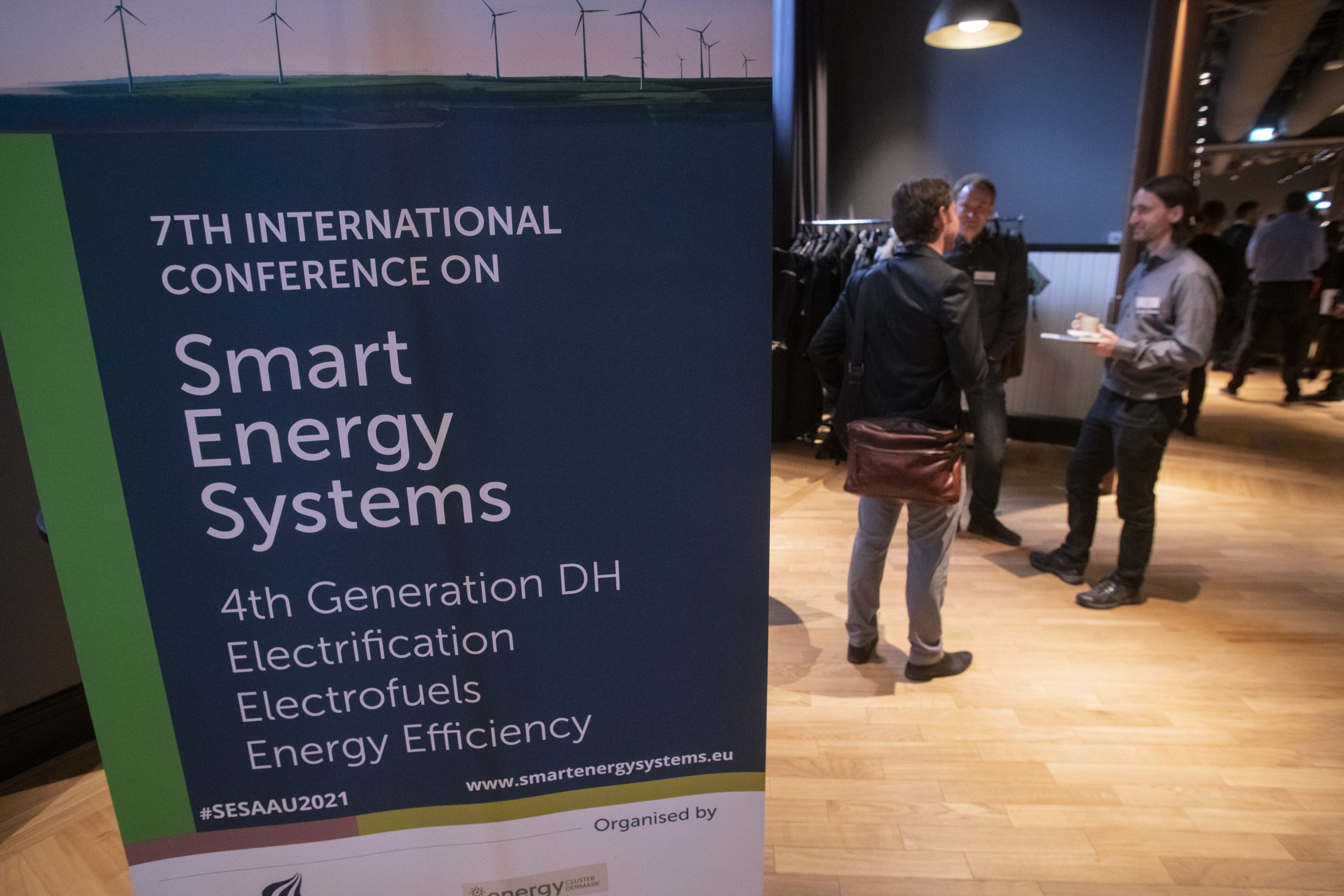
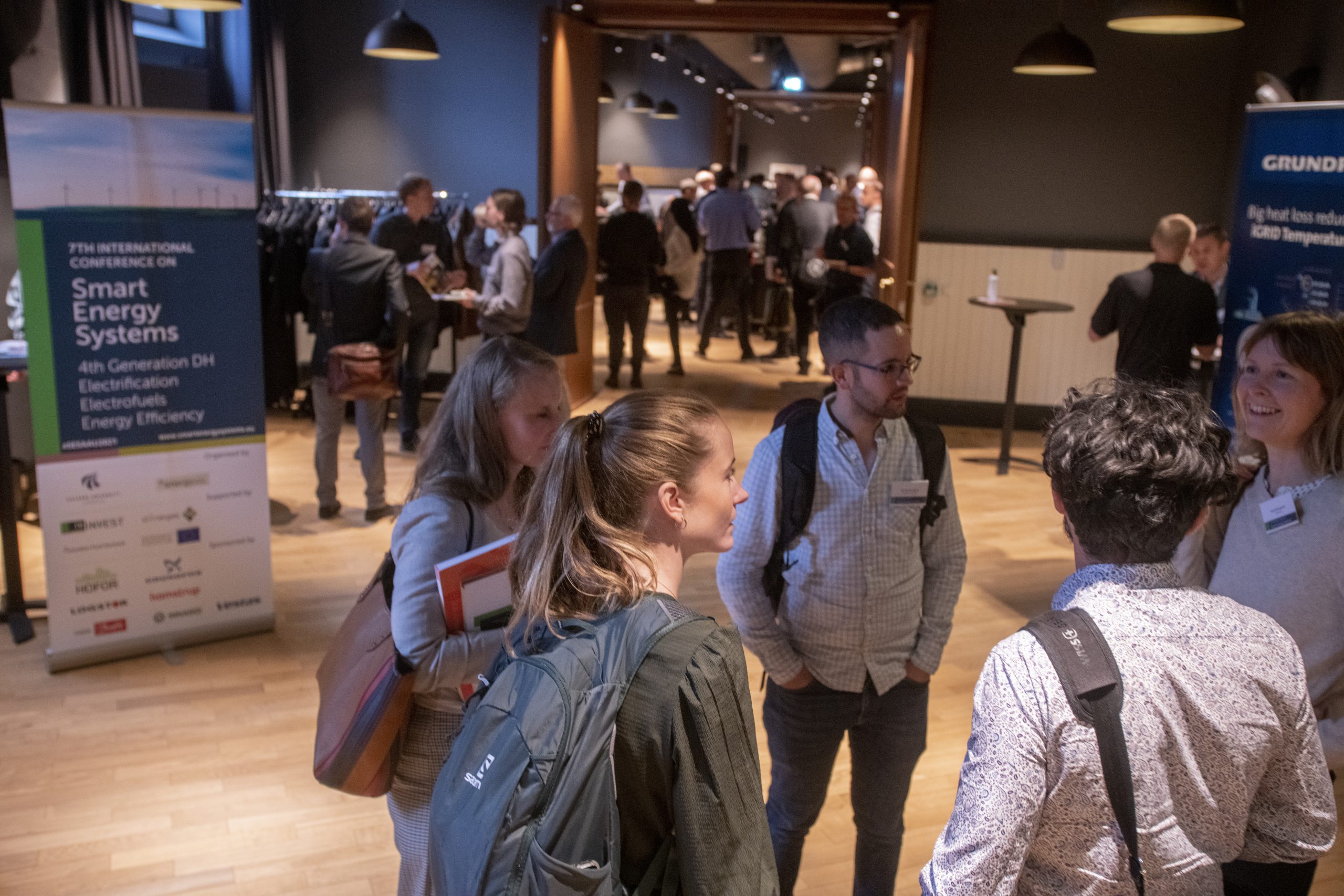
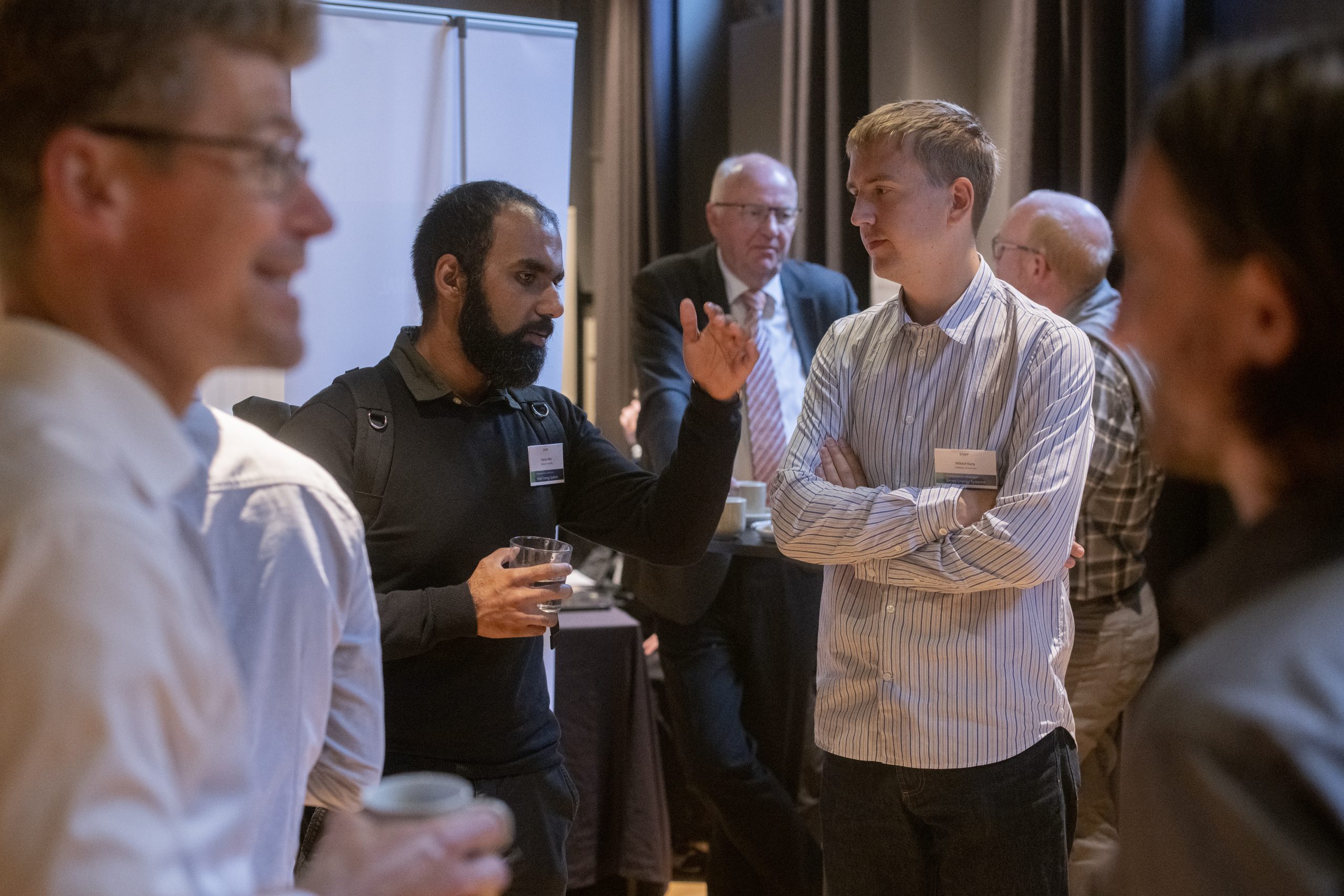




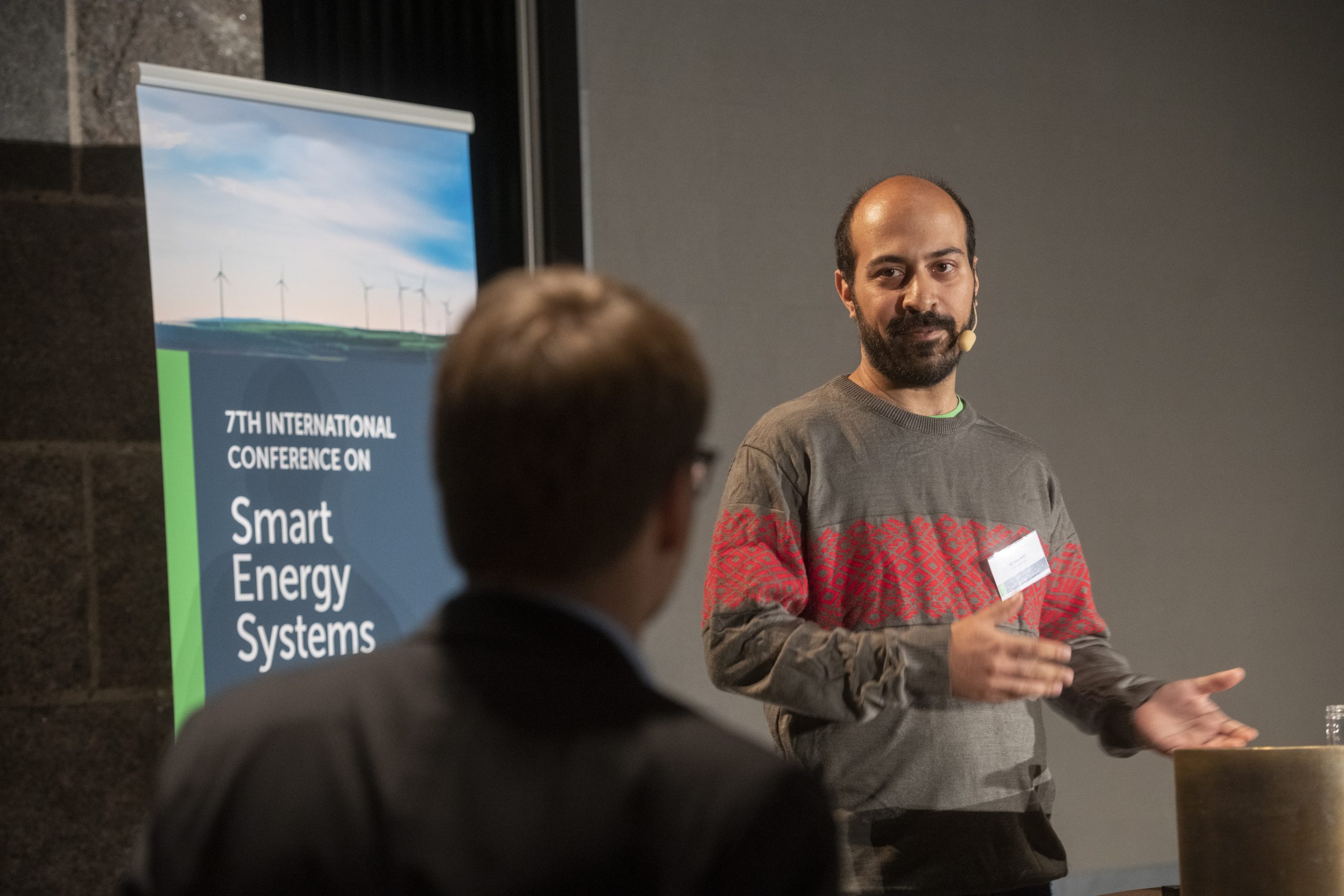


Day 2
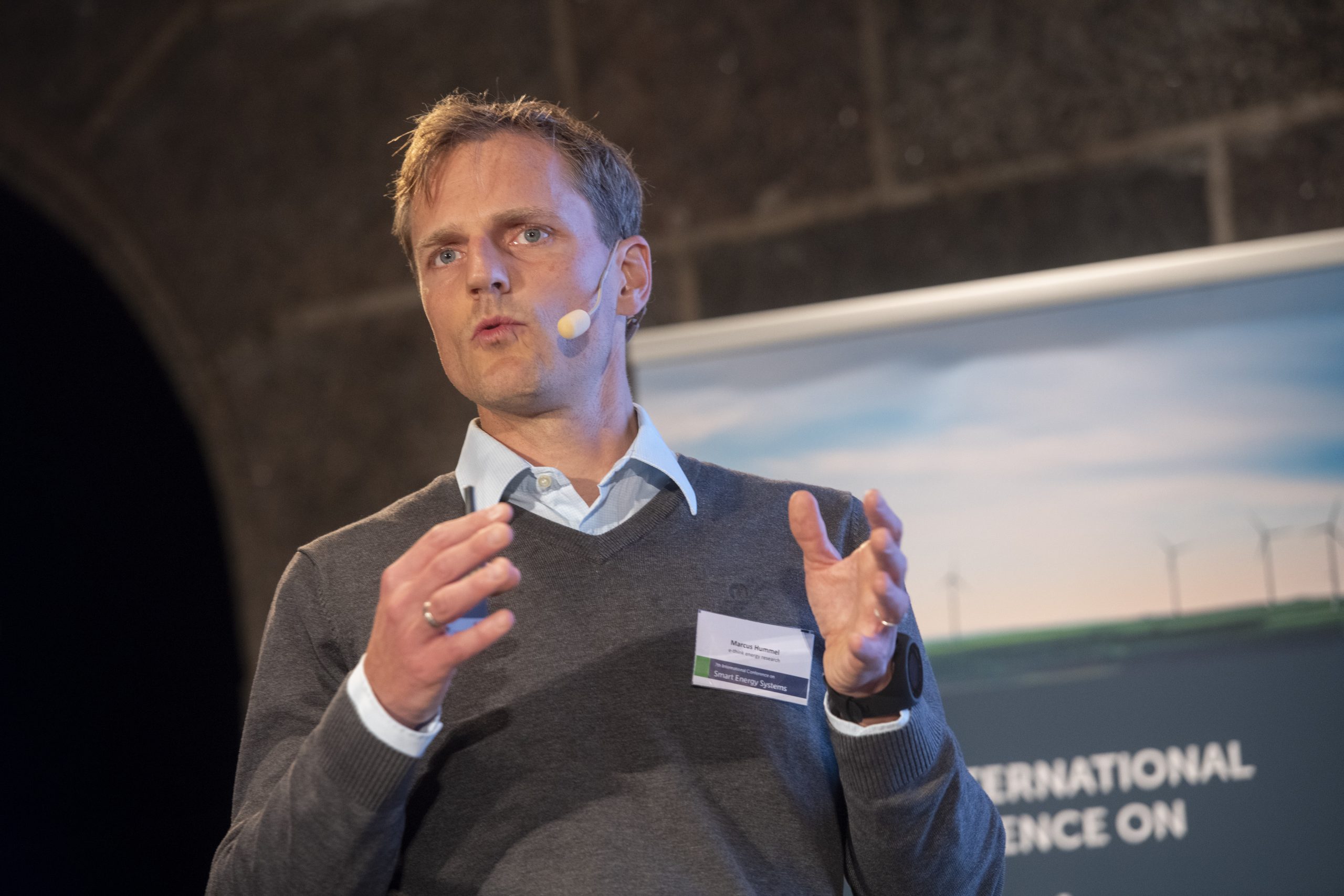

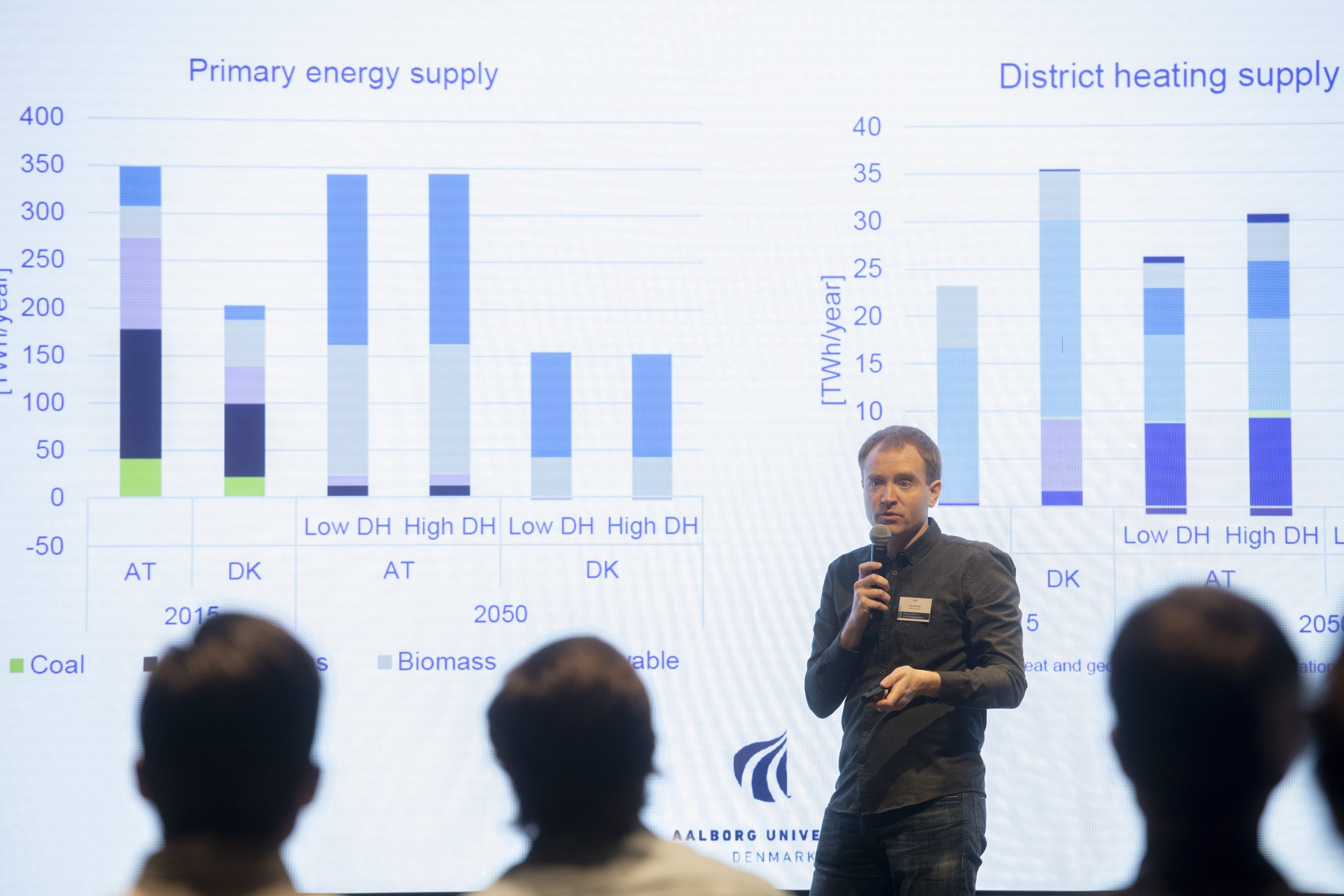
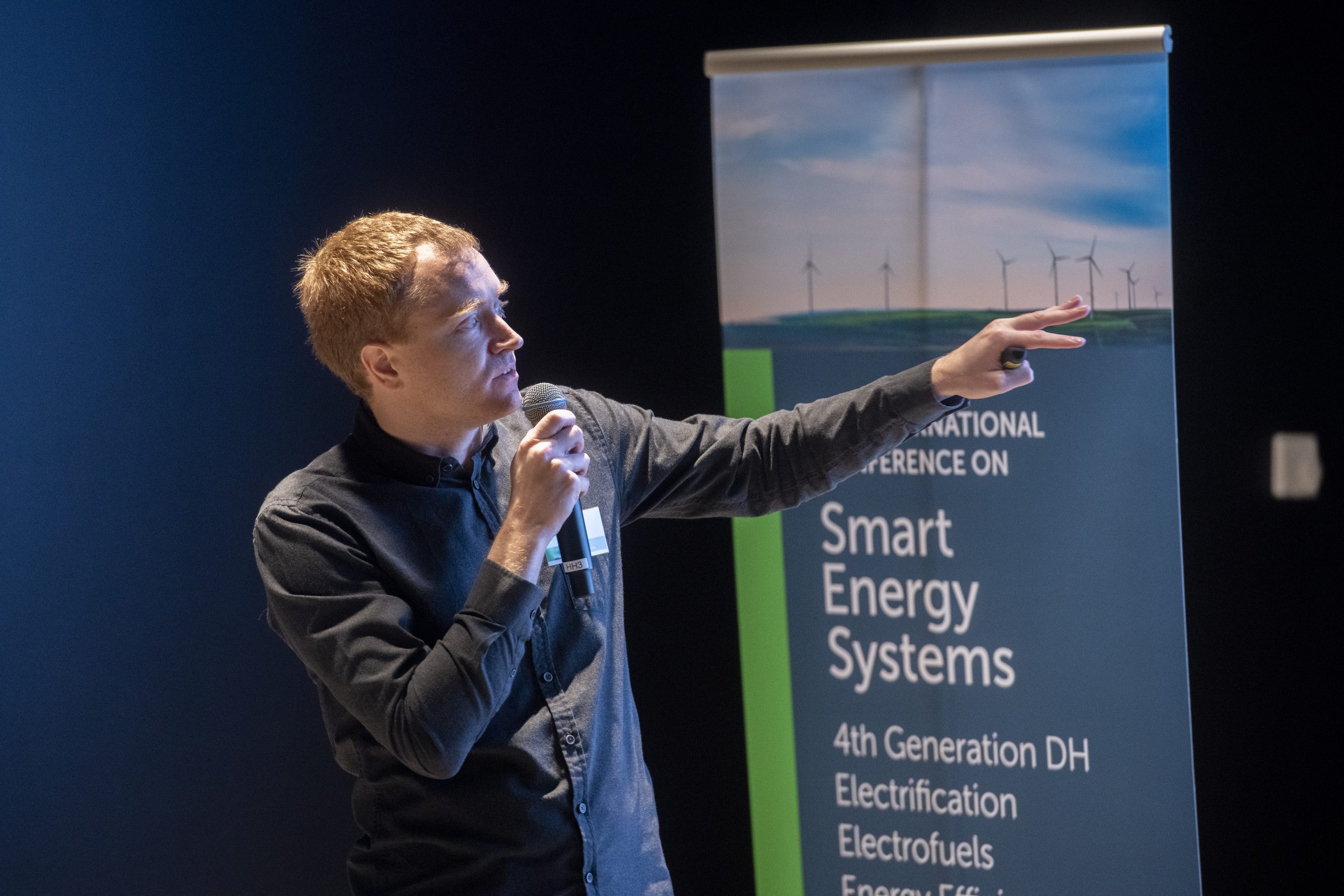
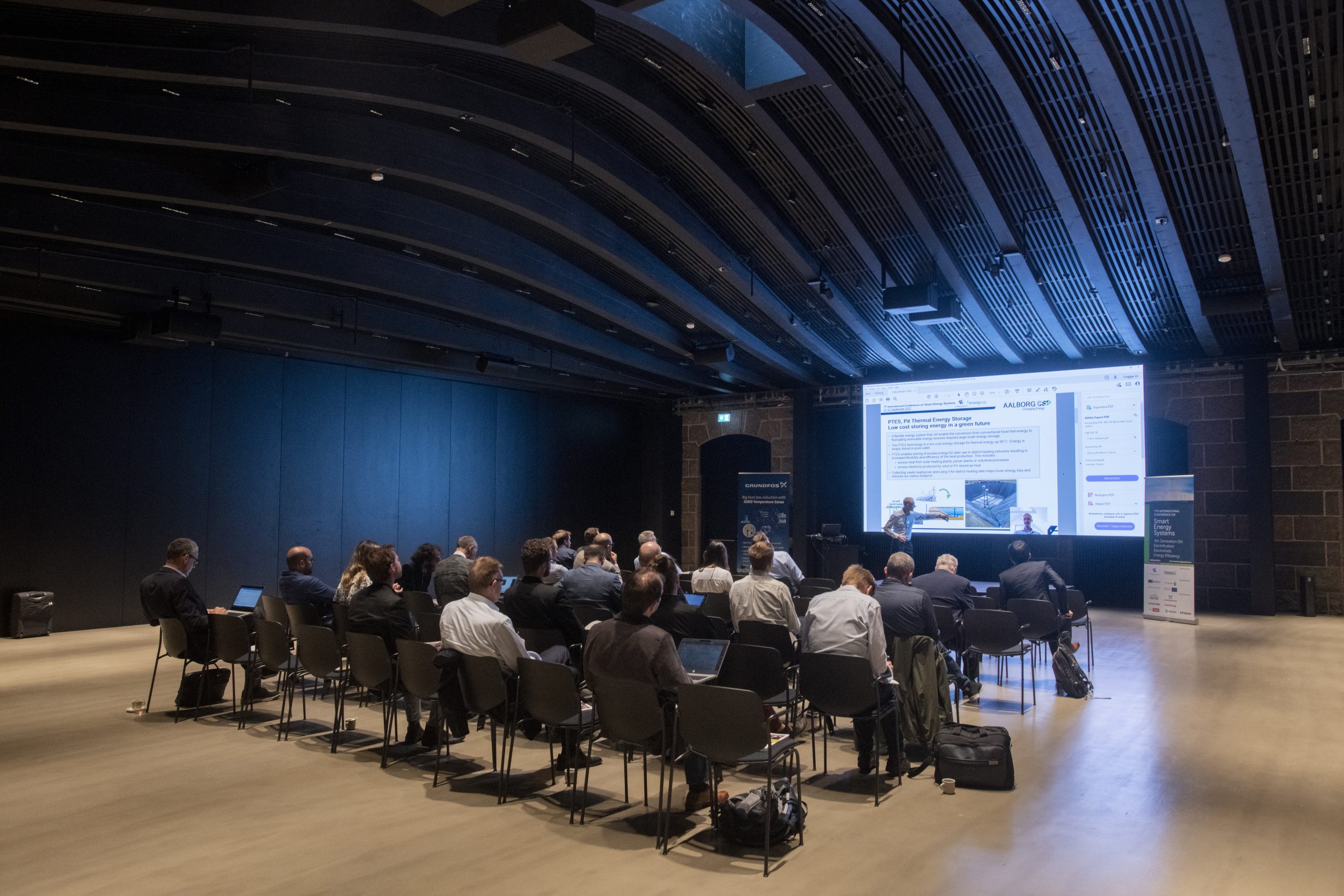

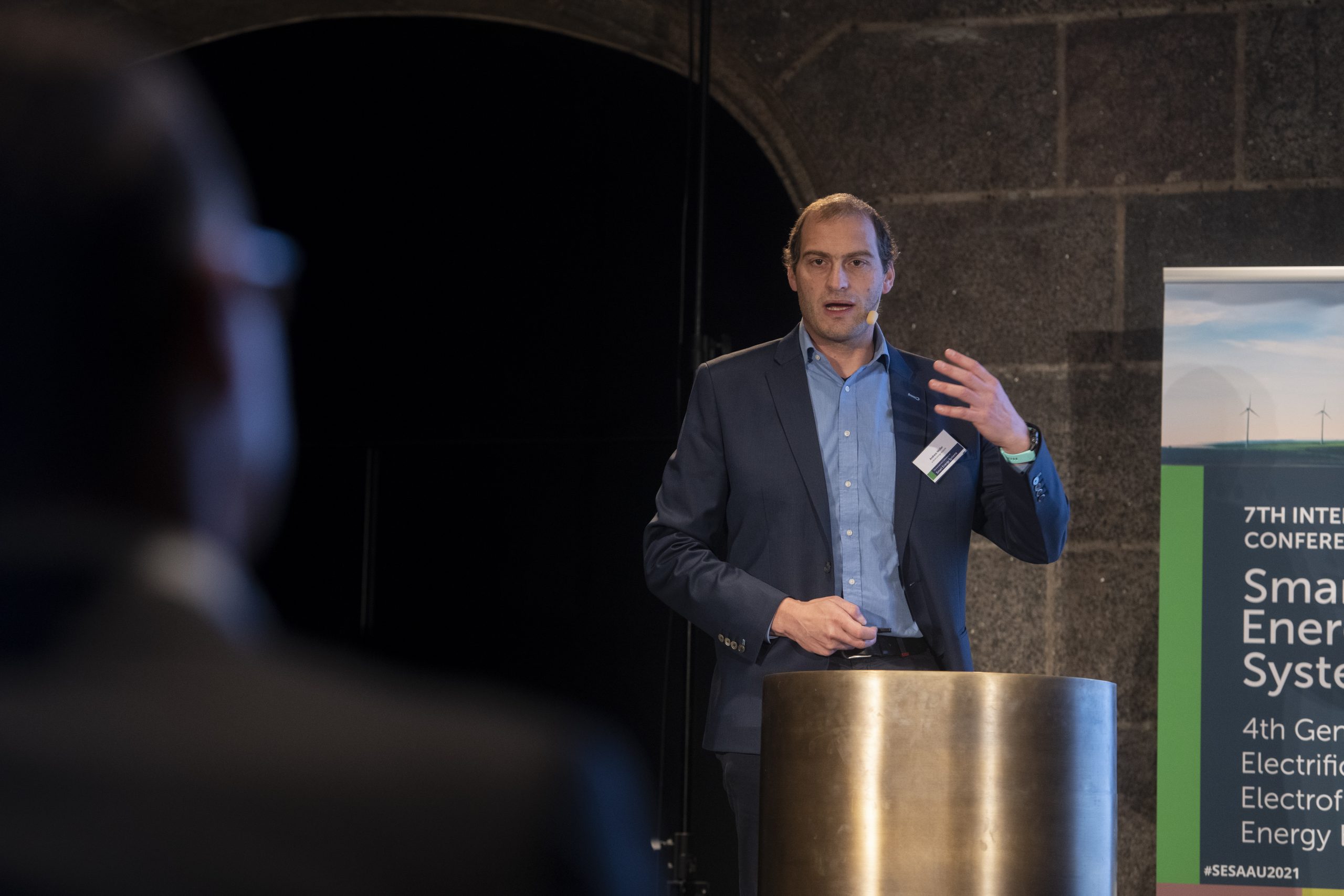
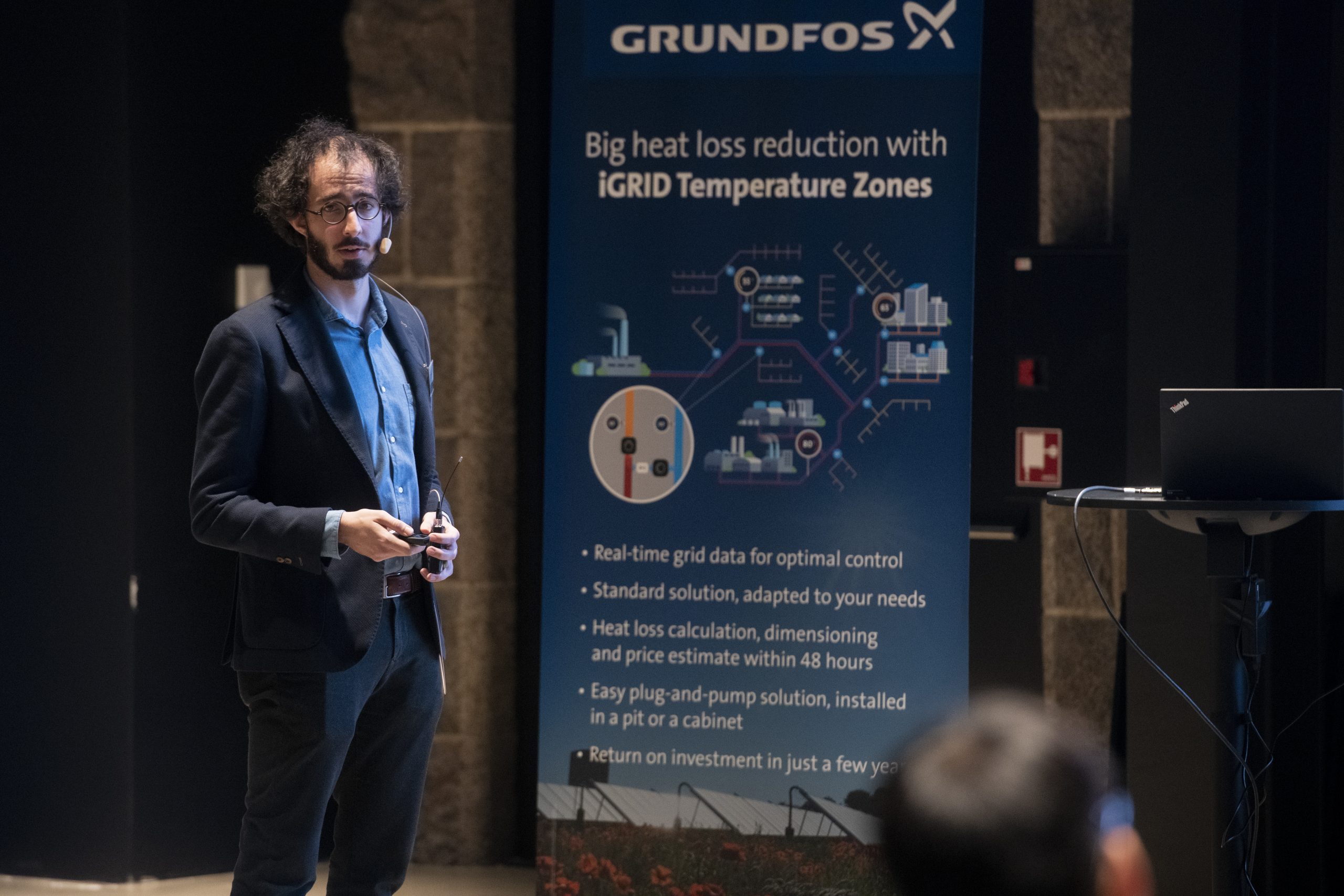
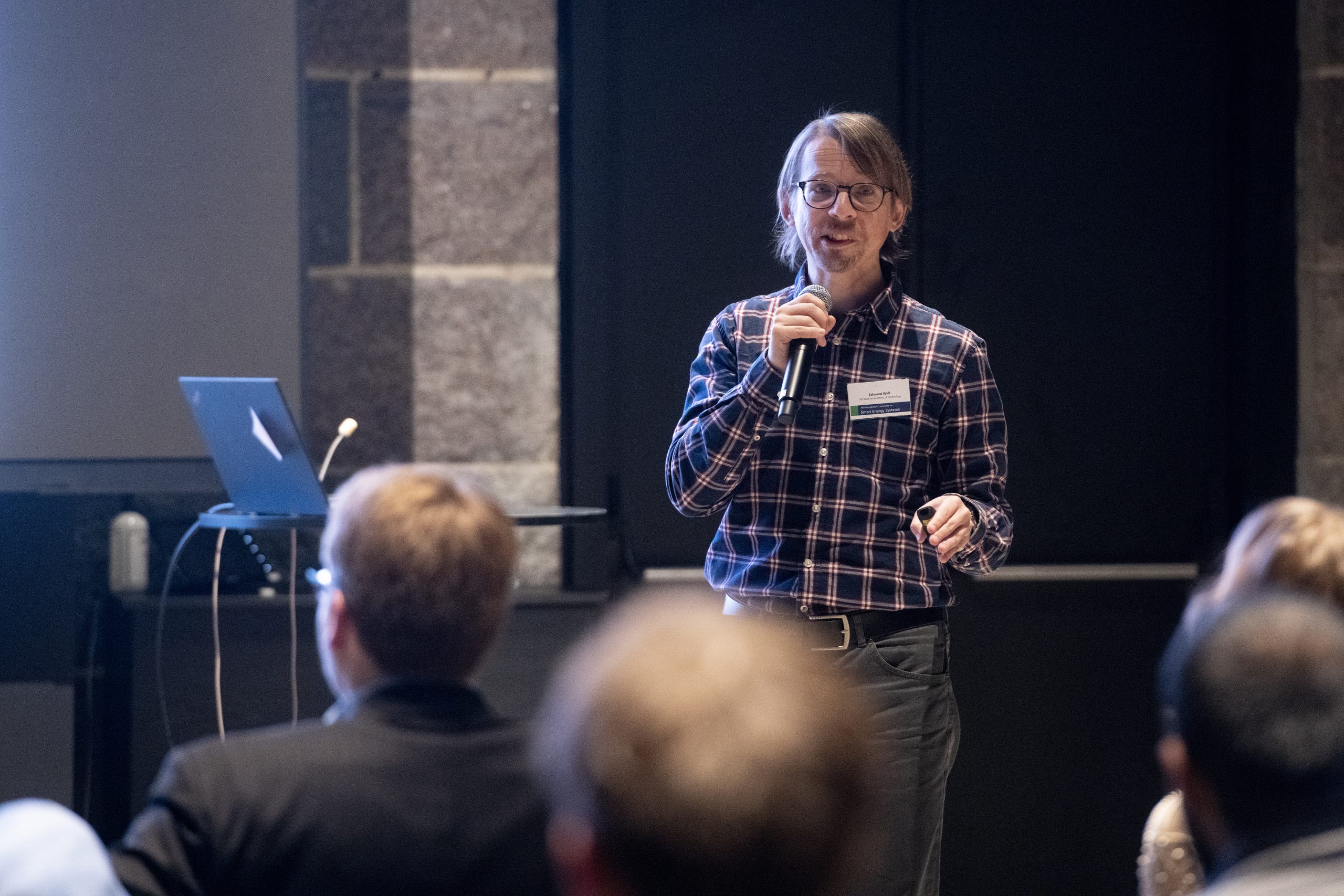

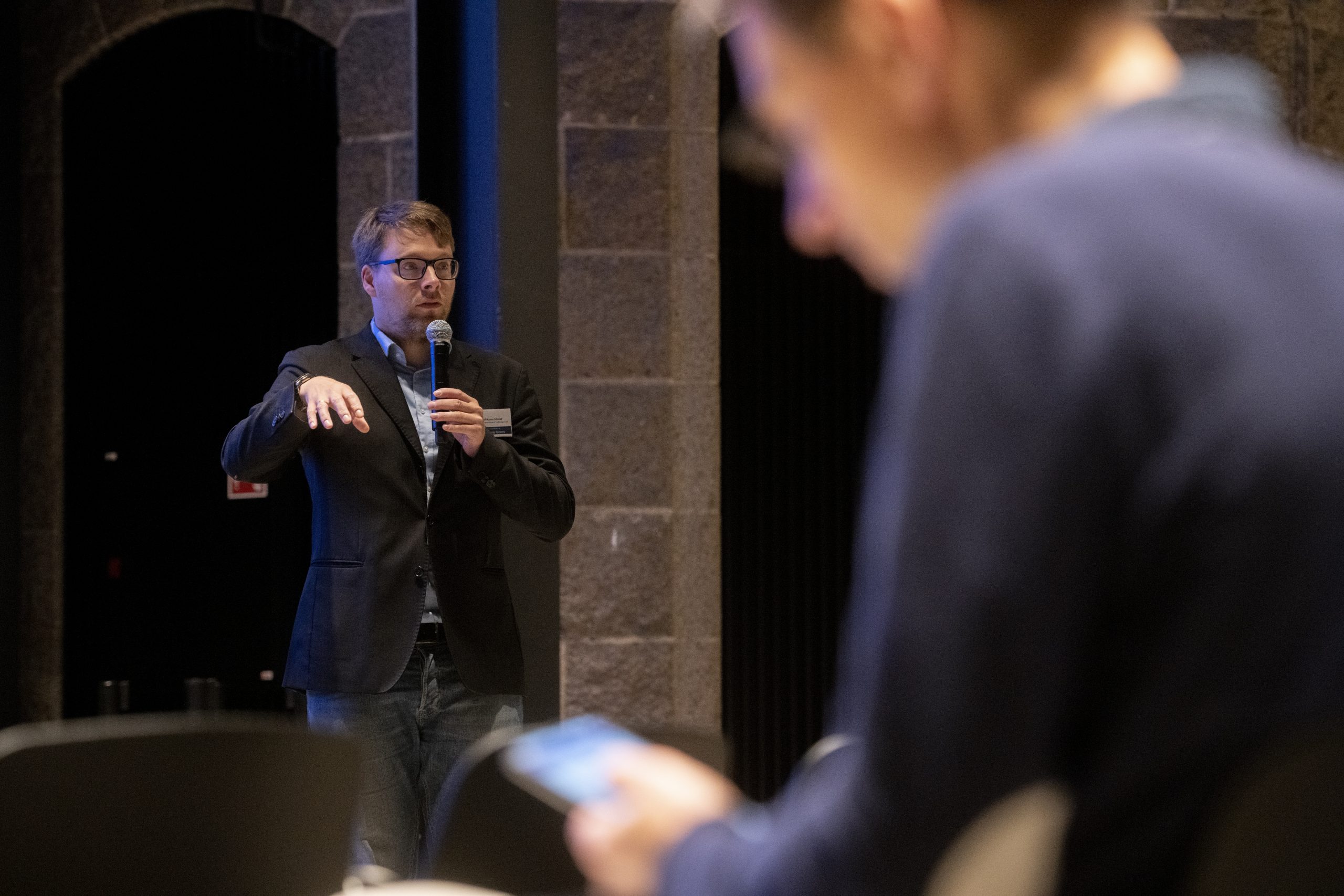

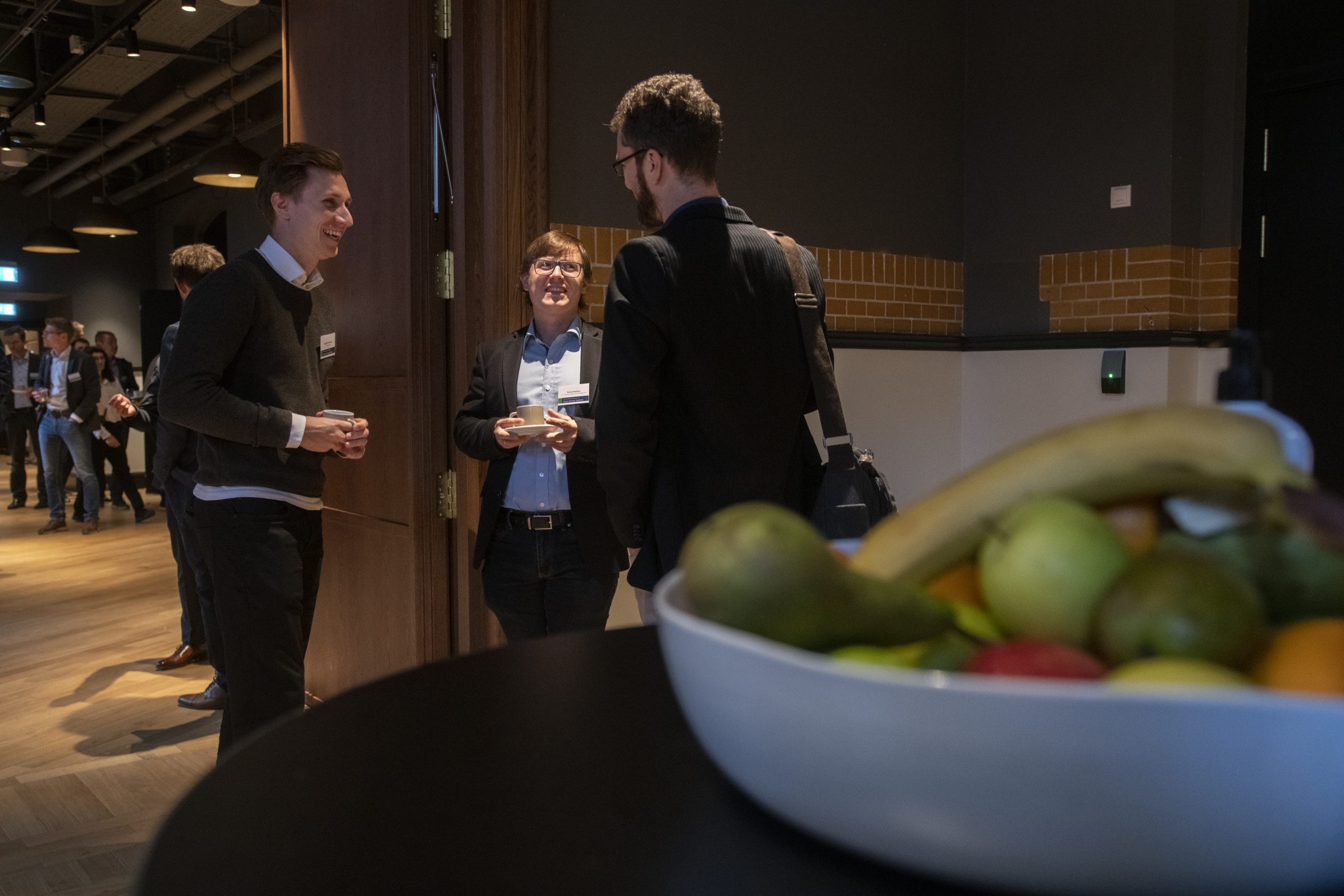
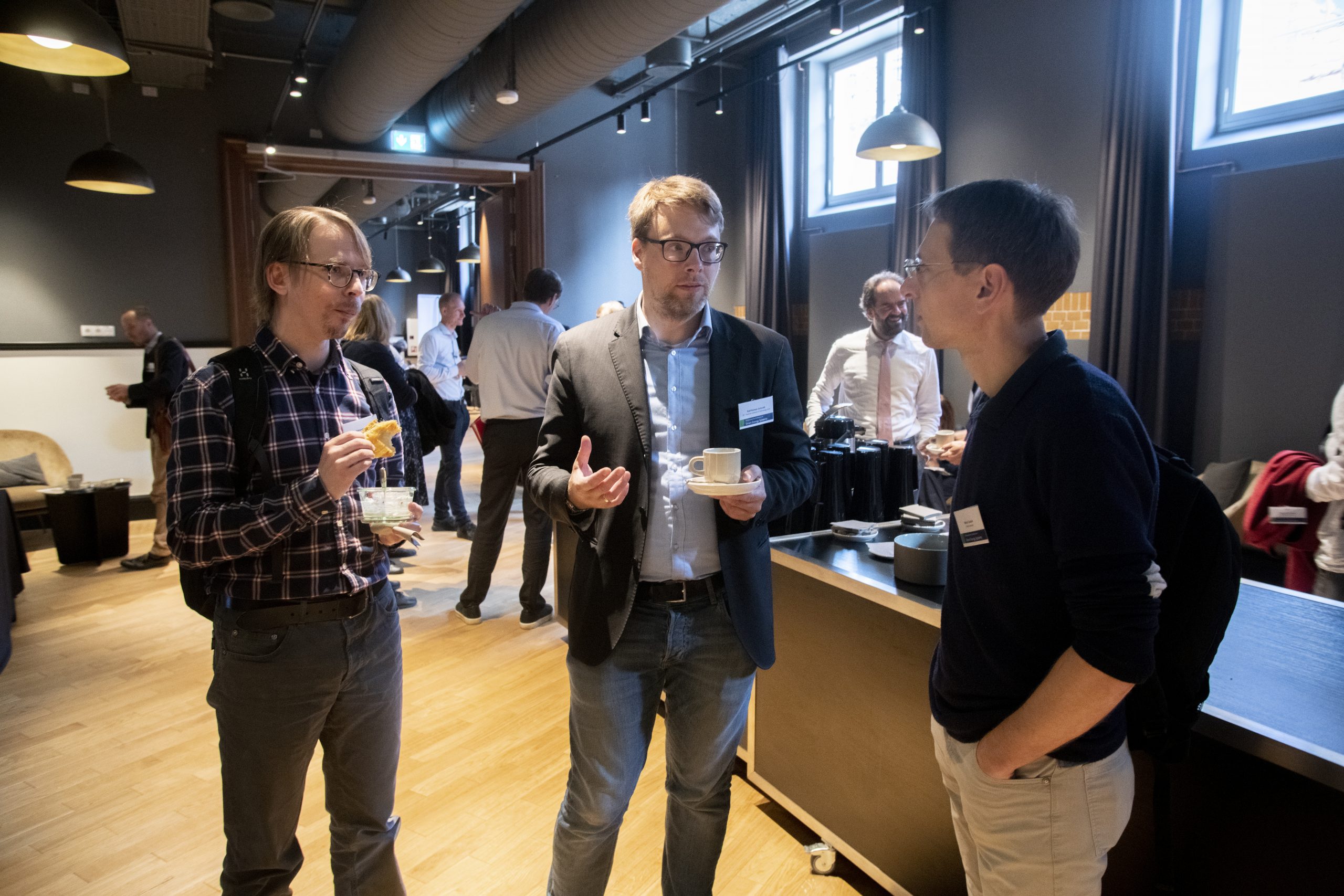


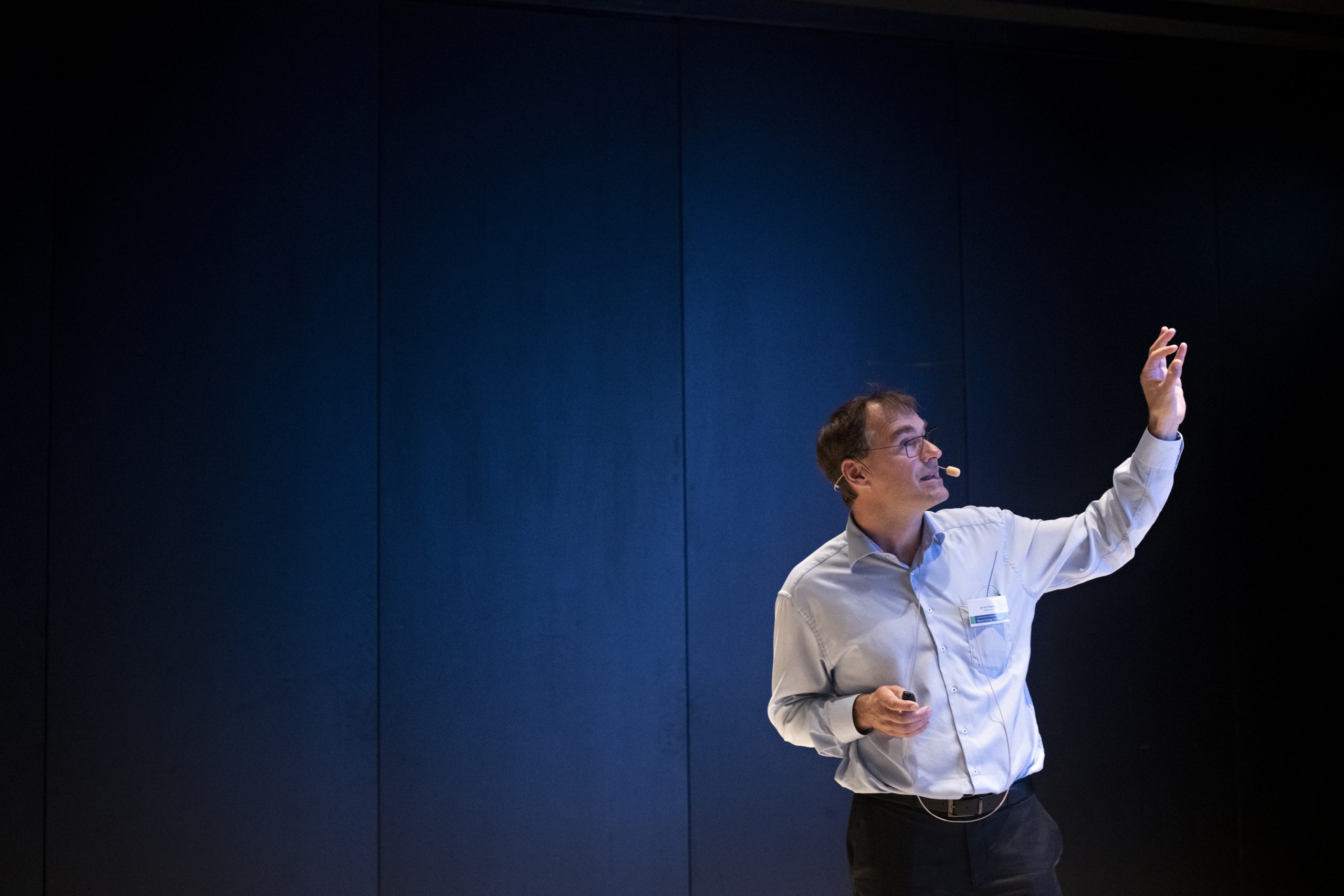
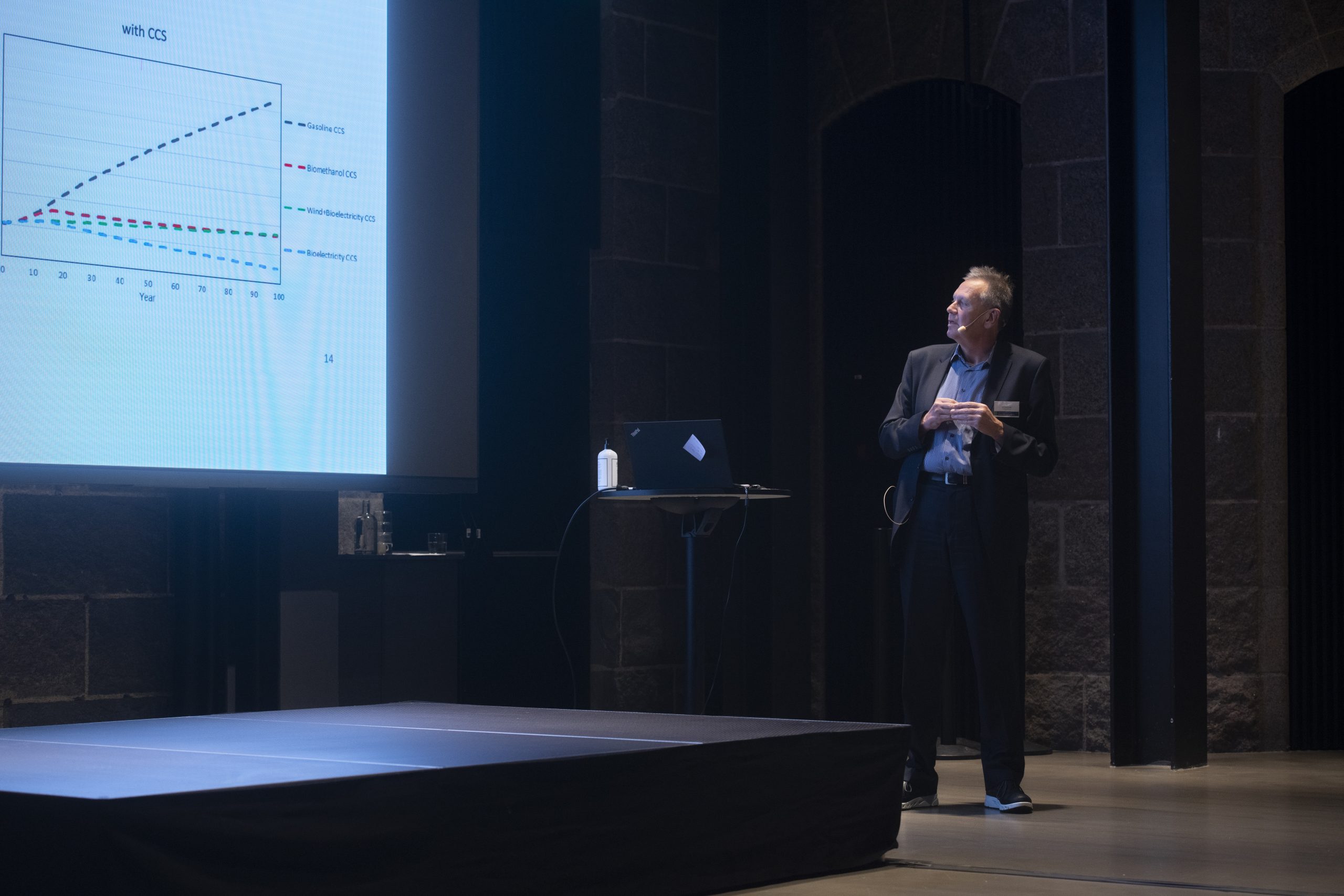
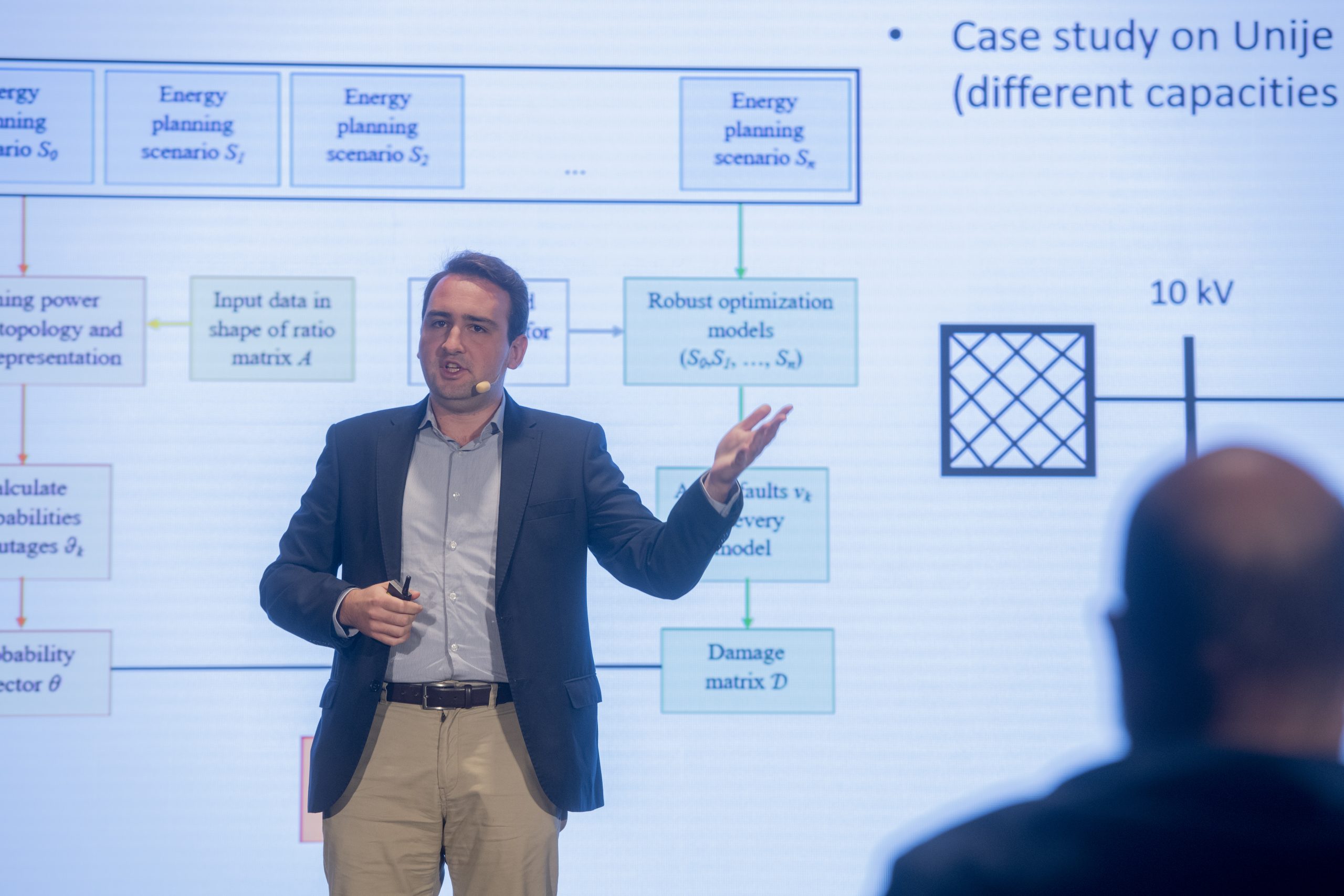

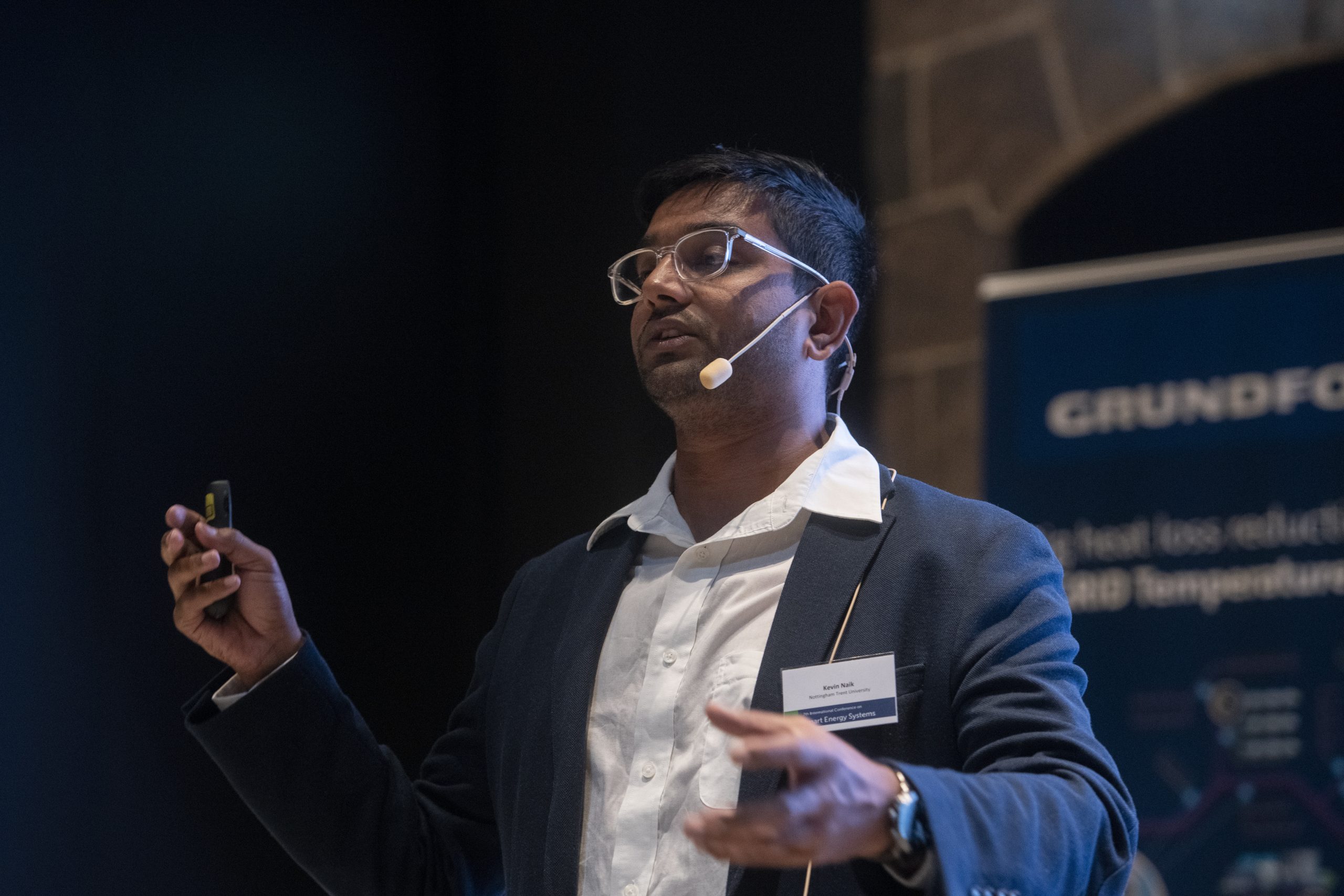
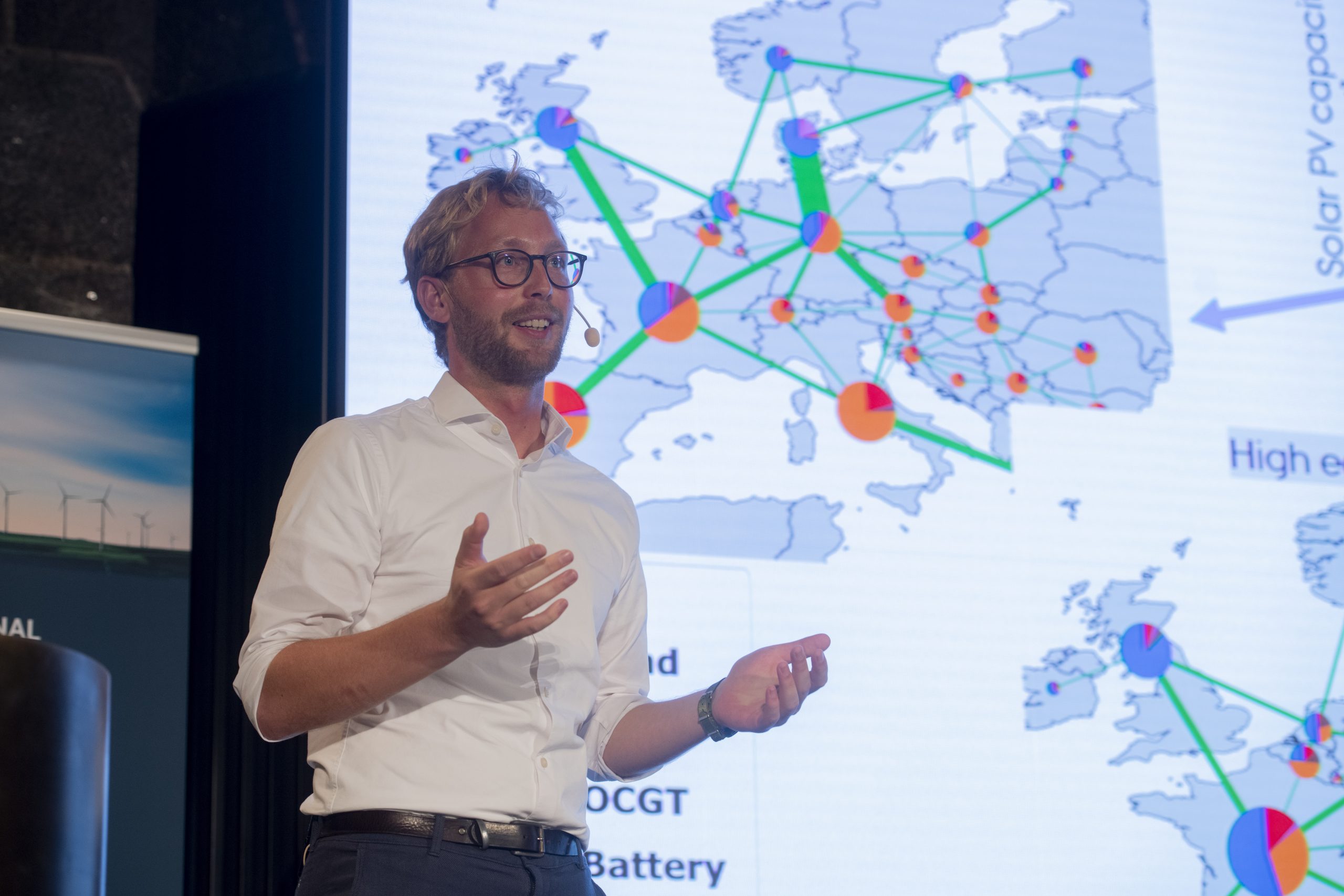
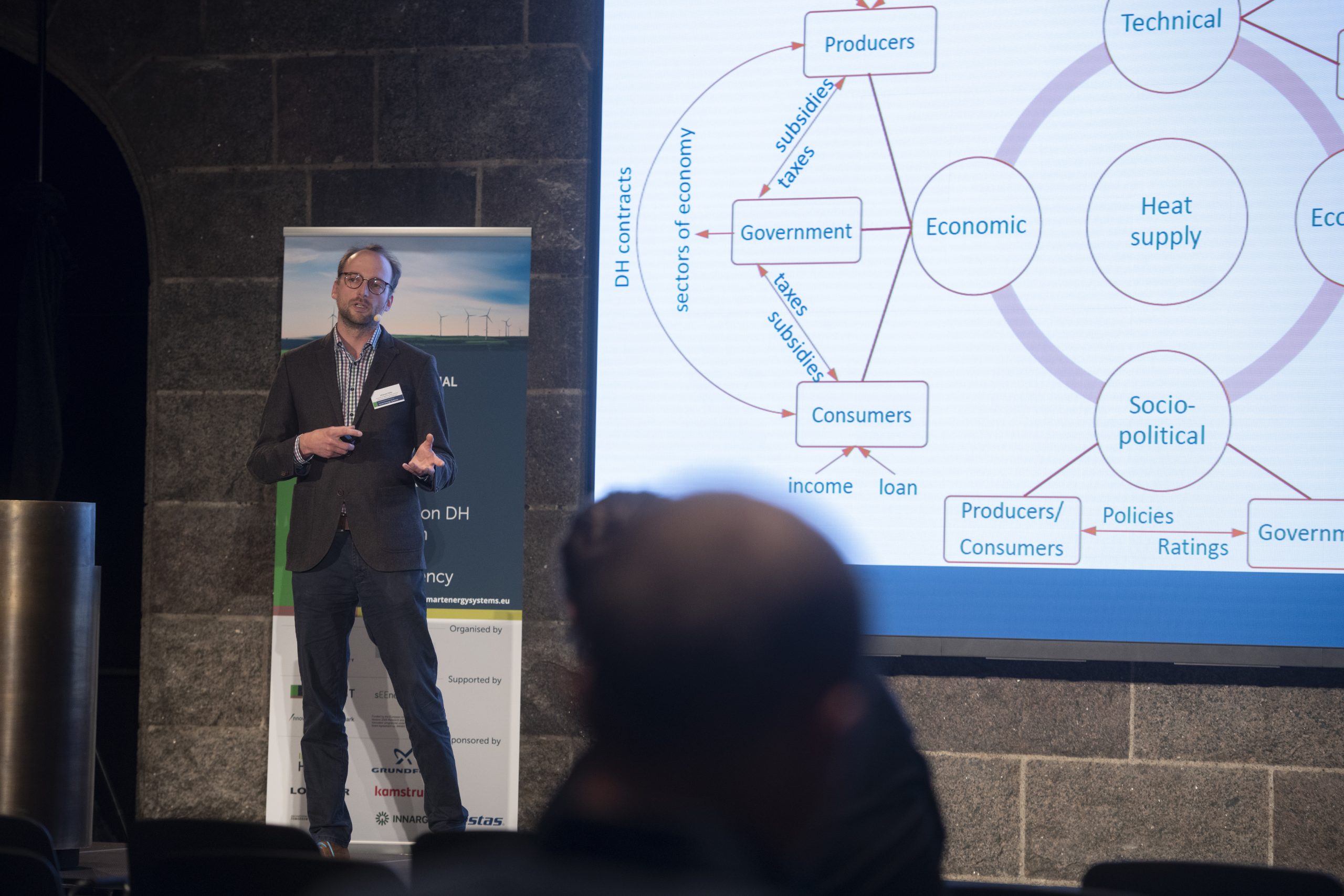
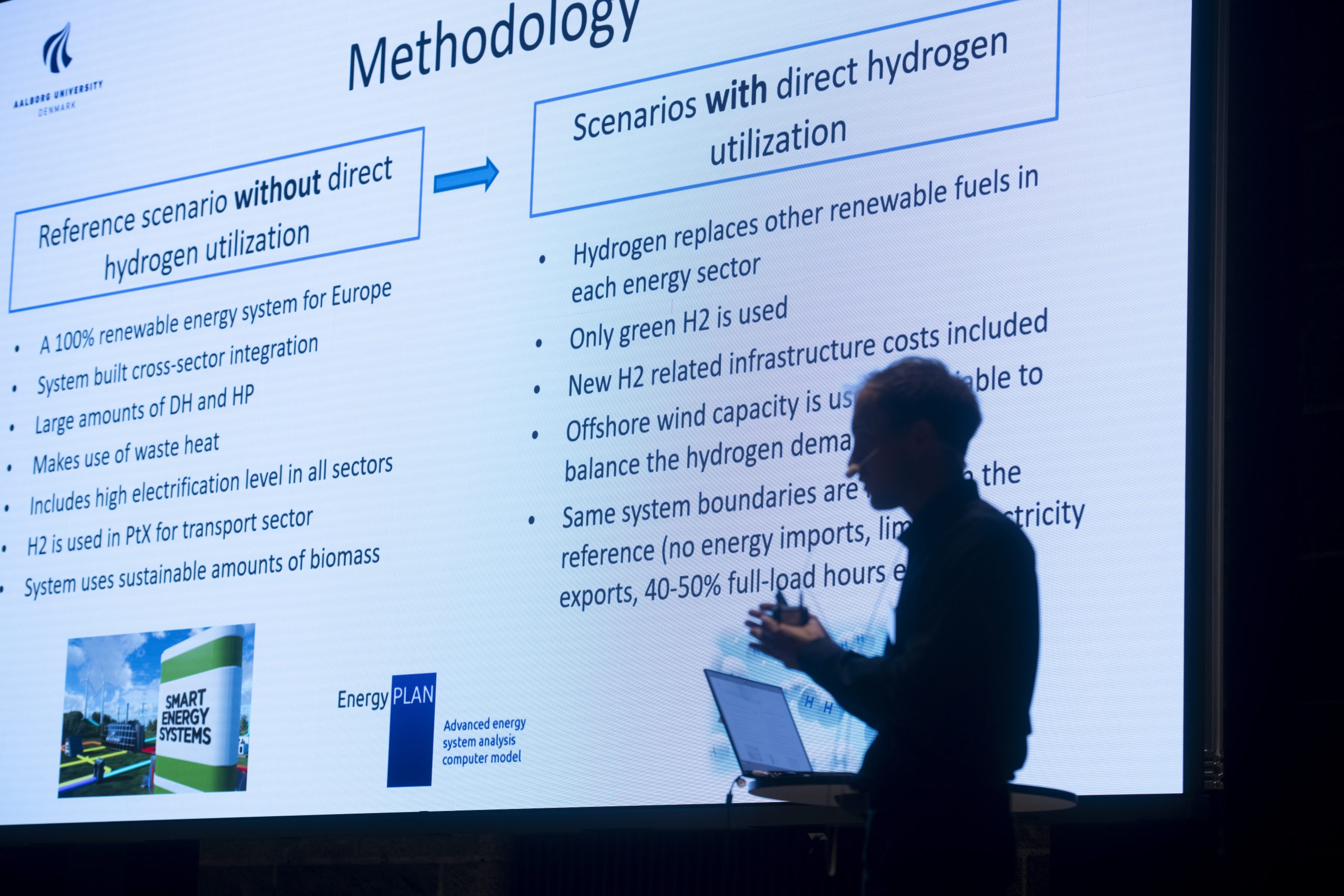
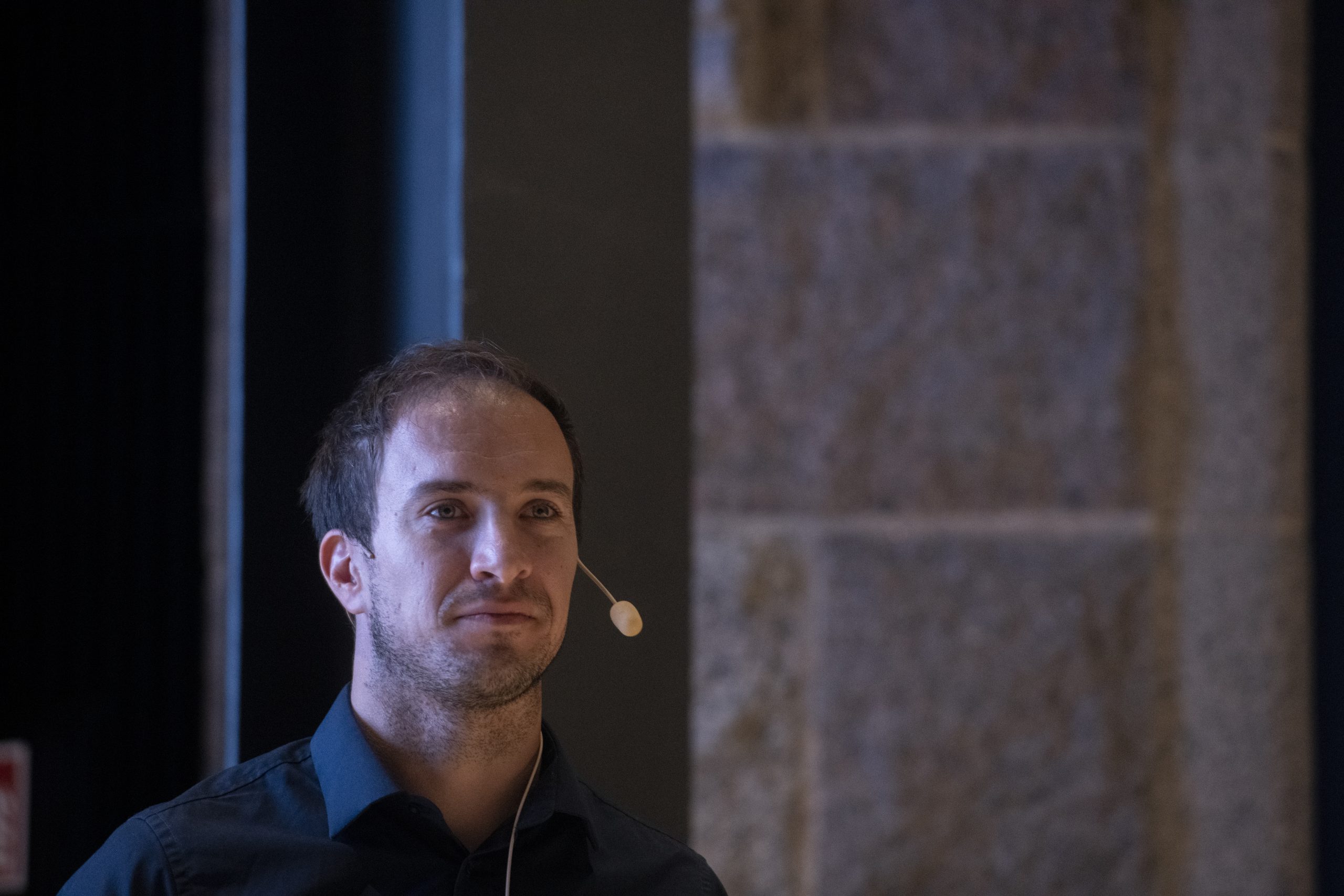

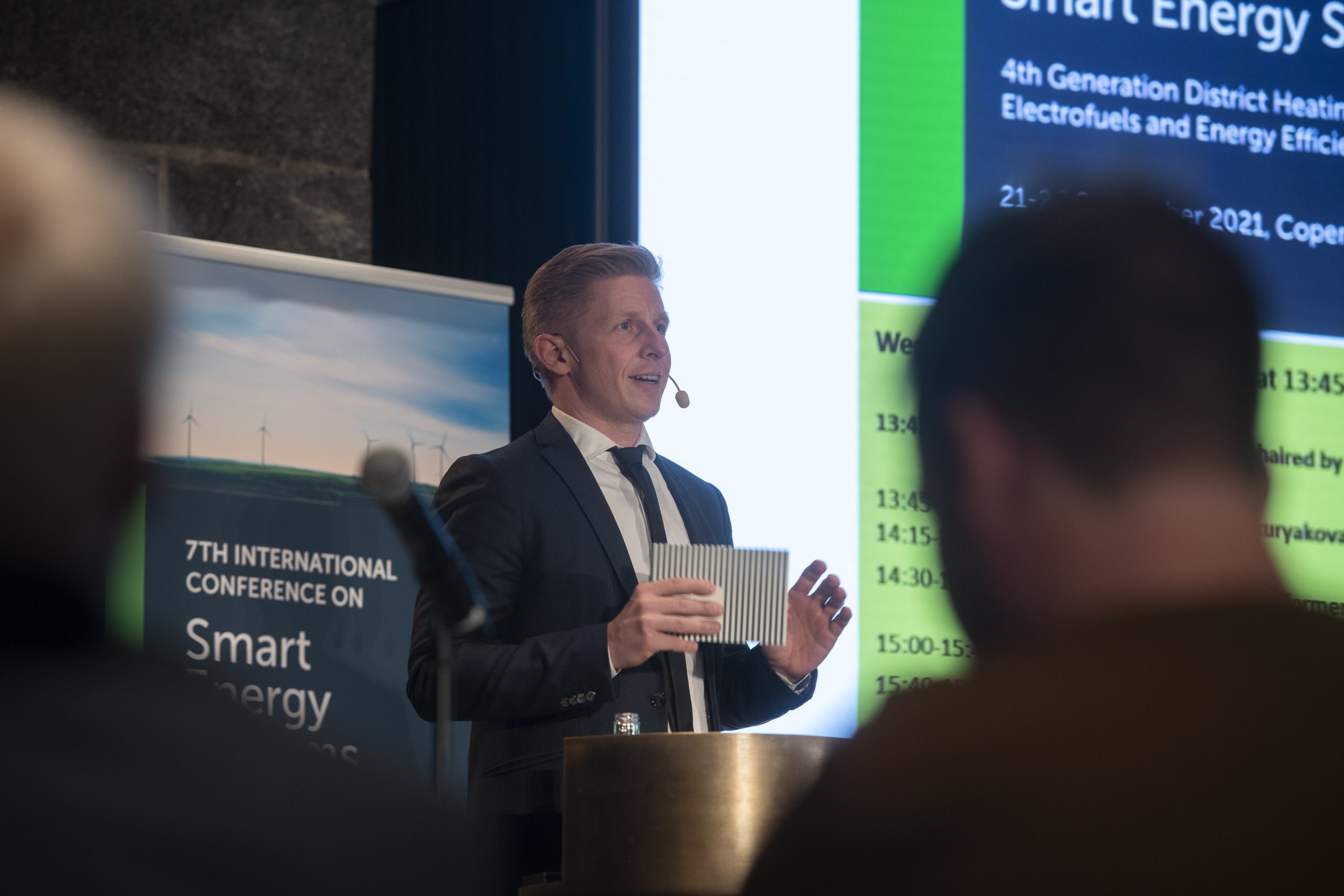
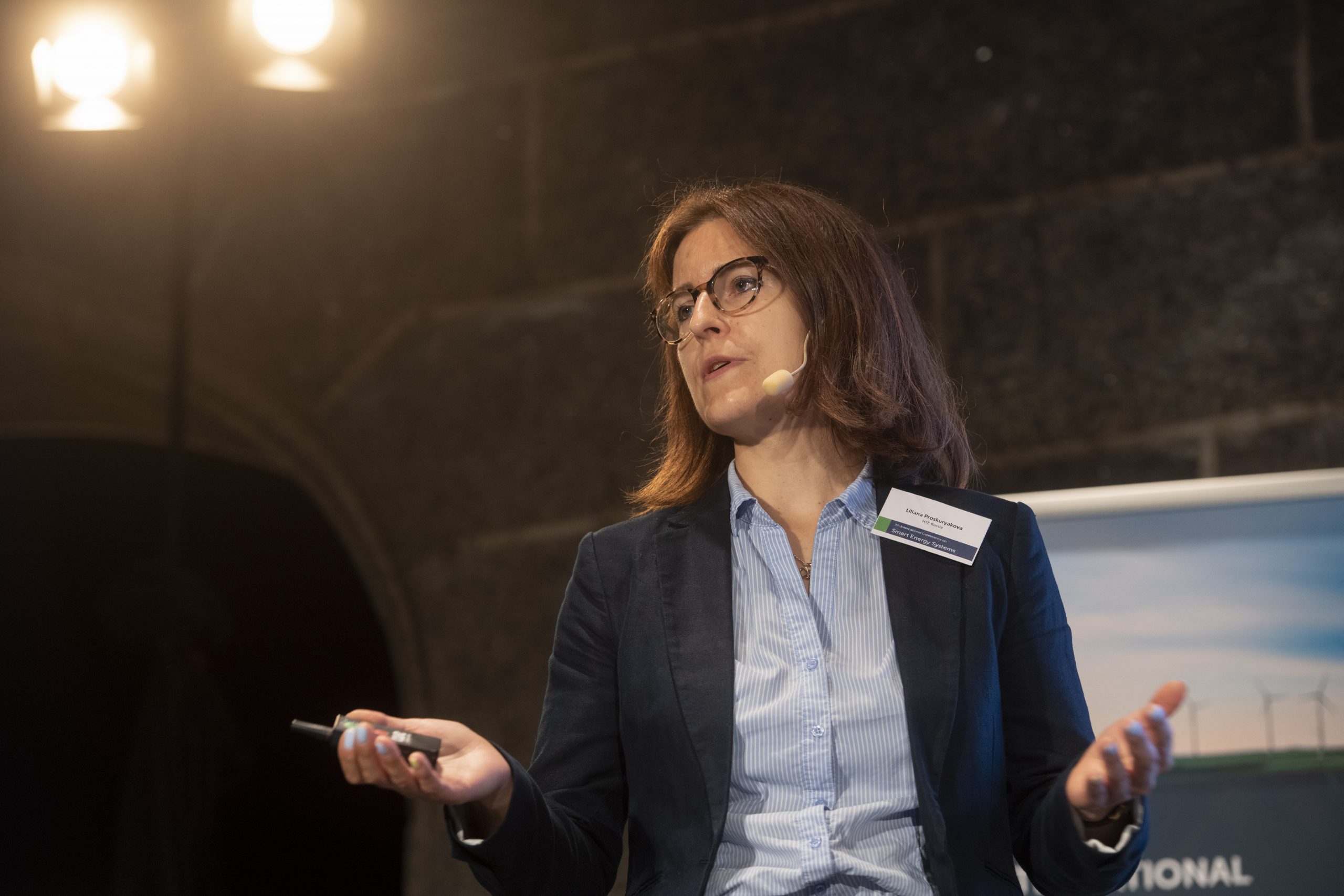
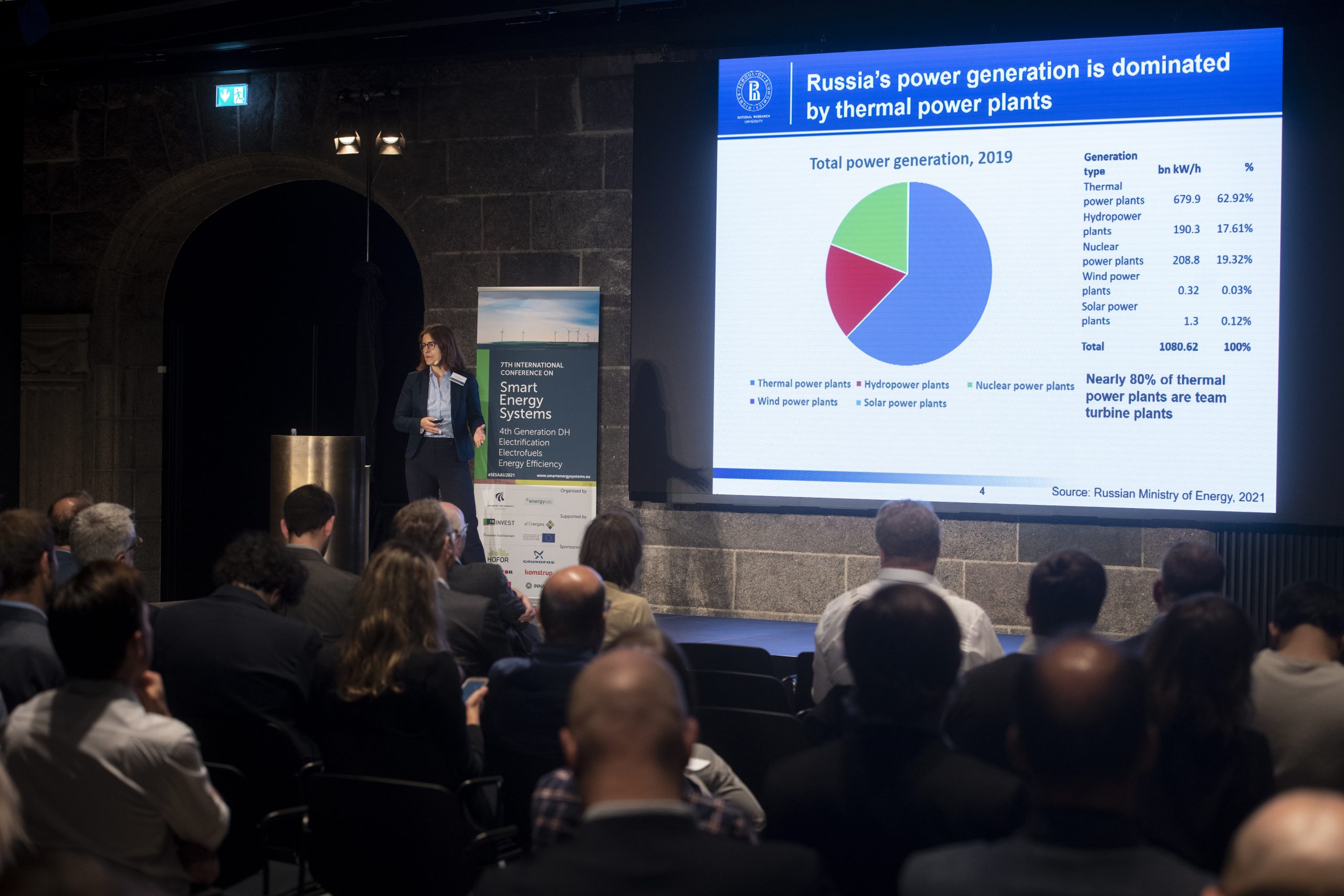
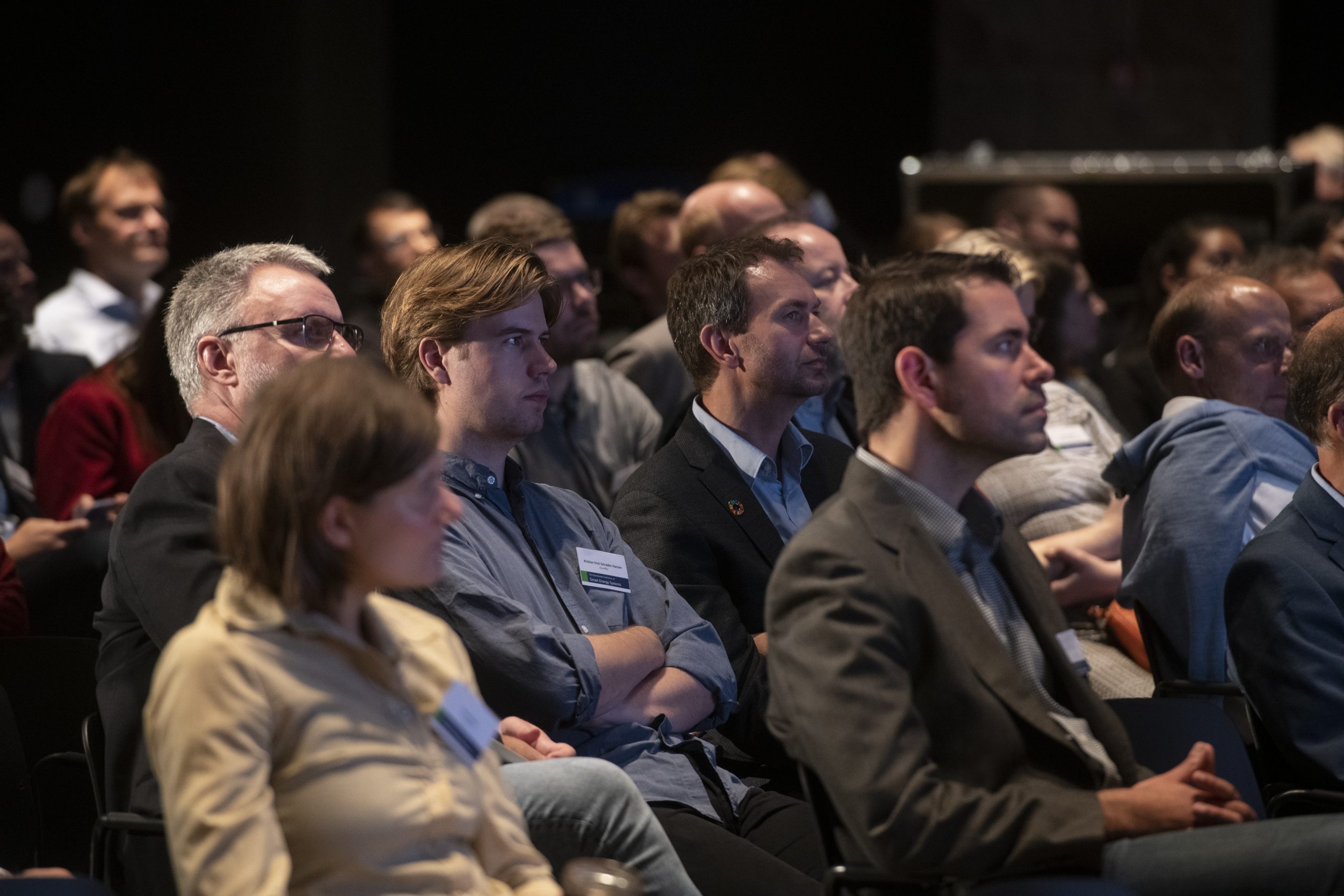
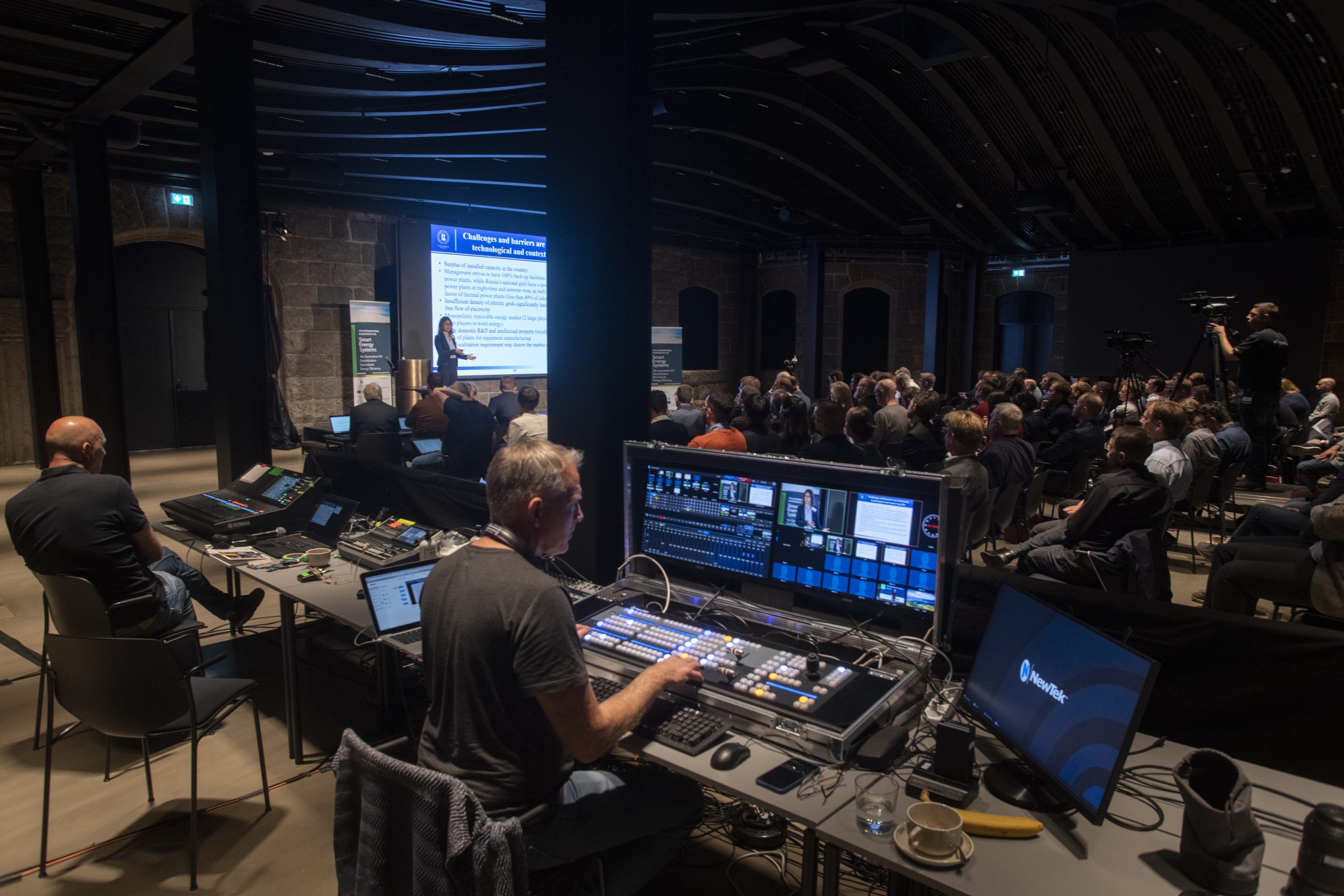
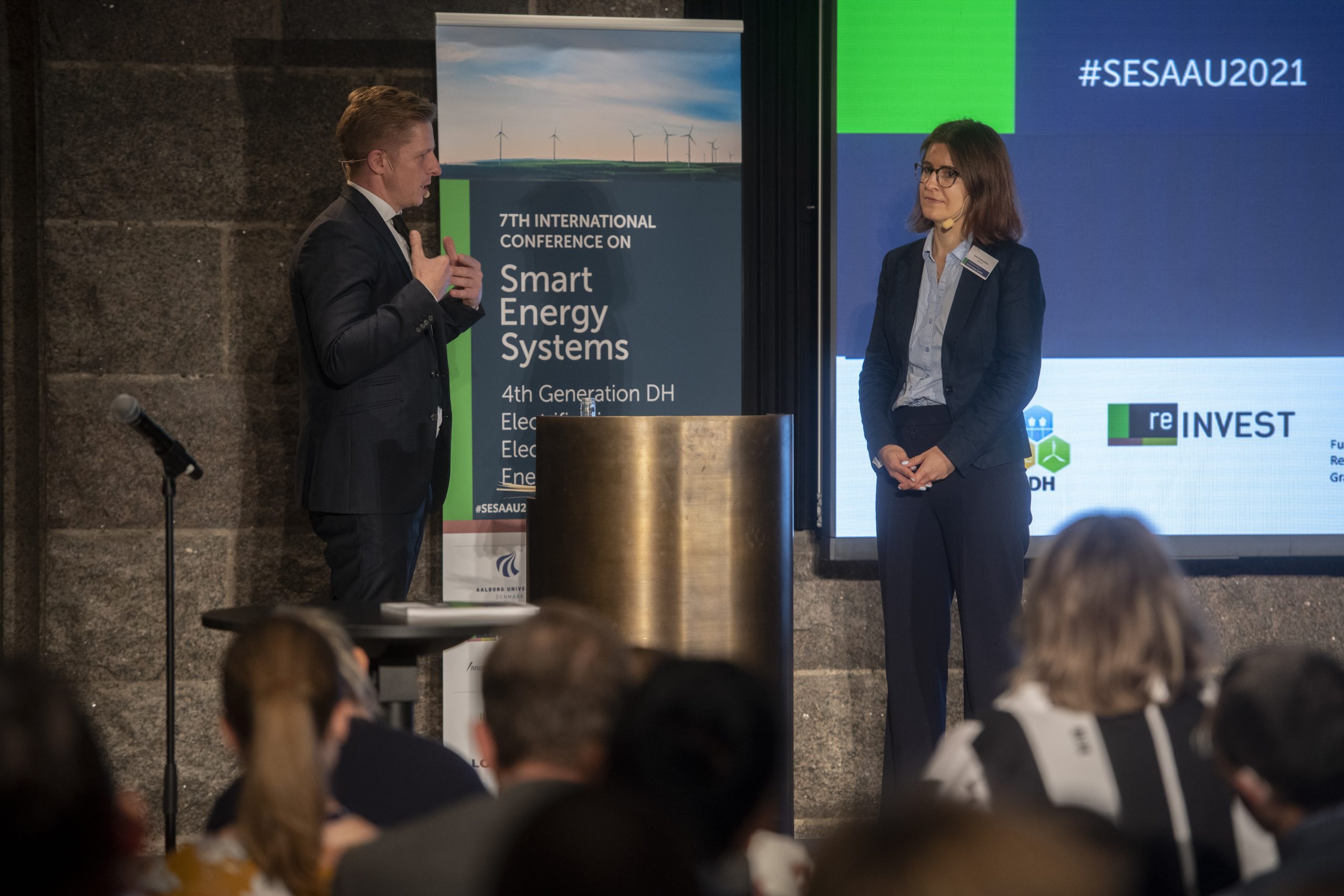



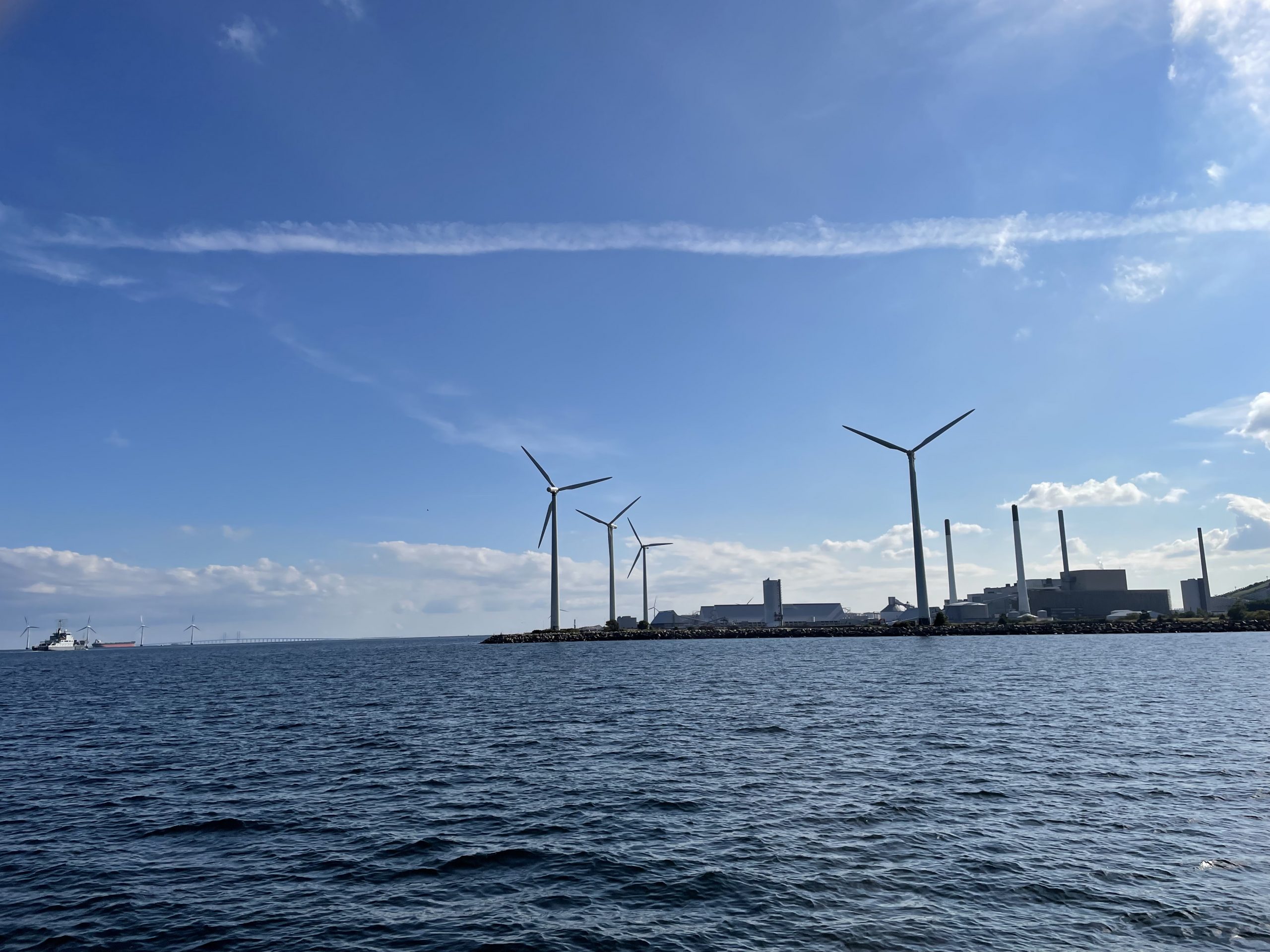
Technical tour to Middelgrunden wind farm
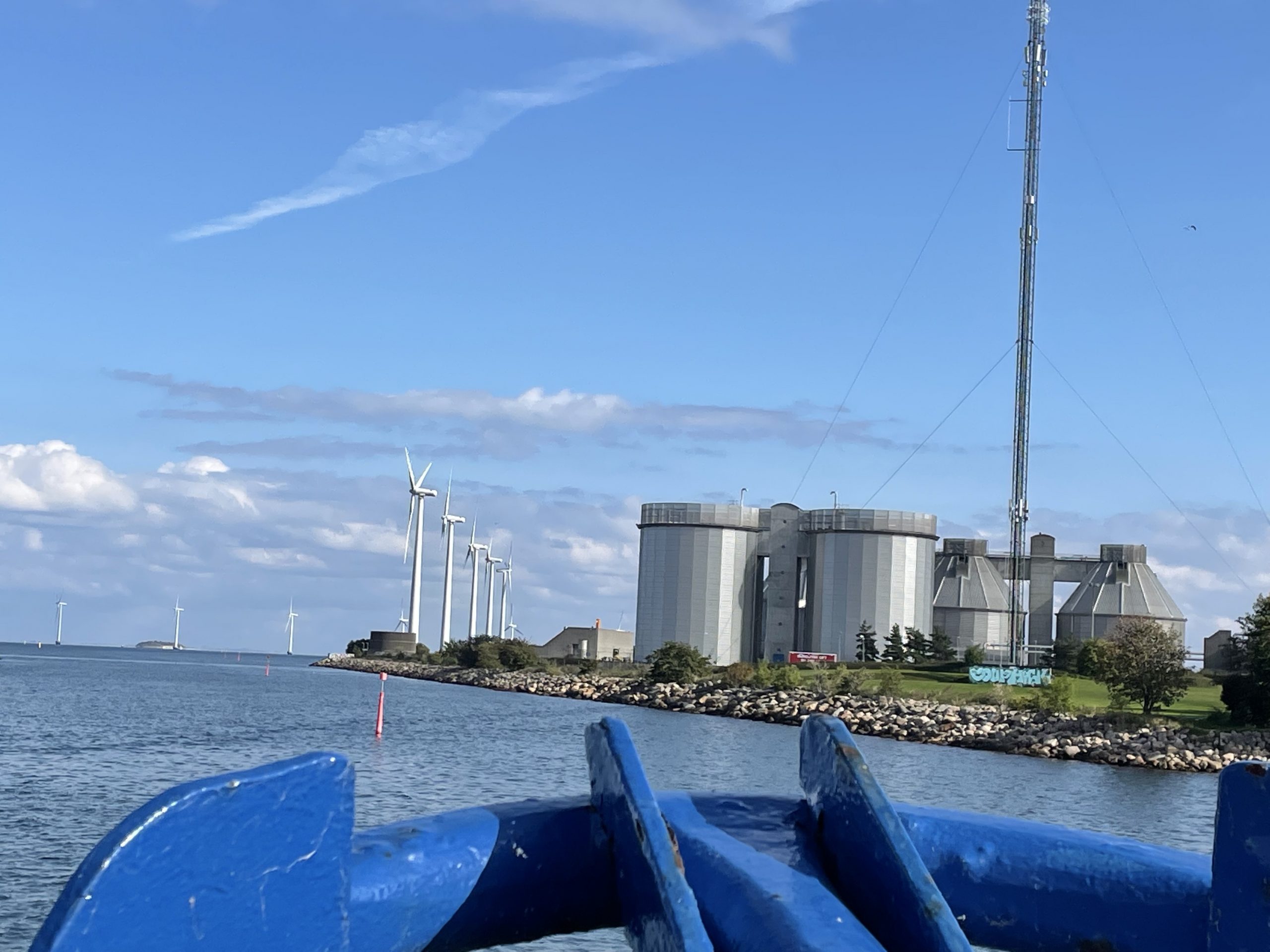
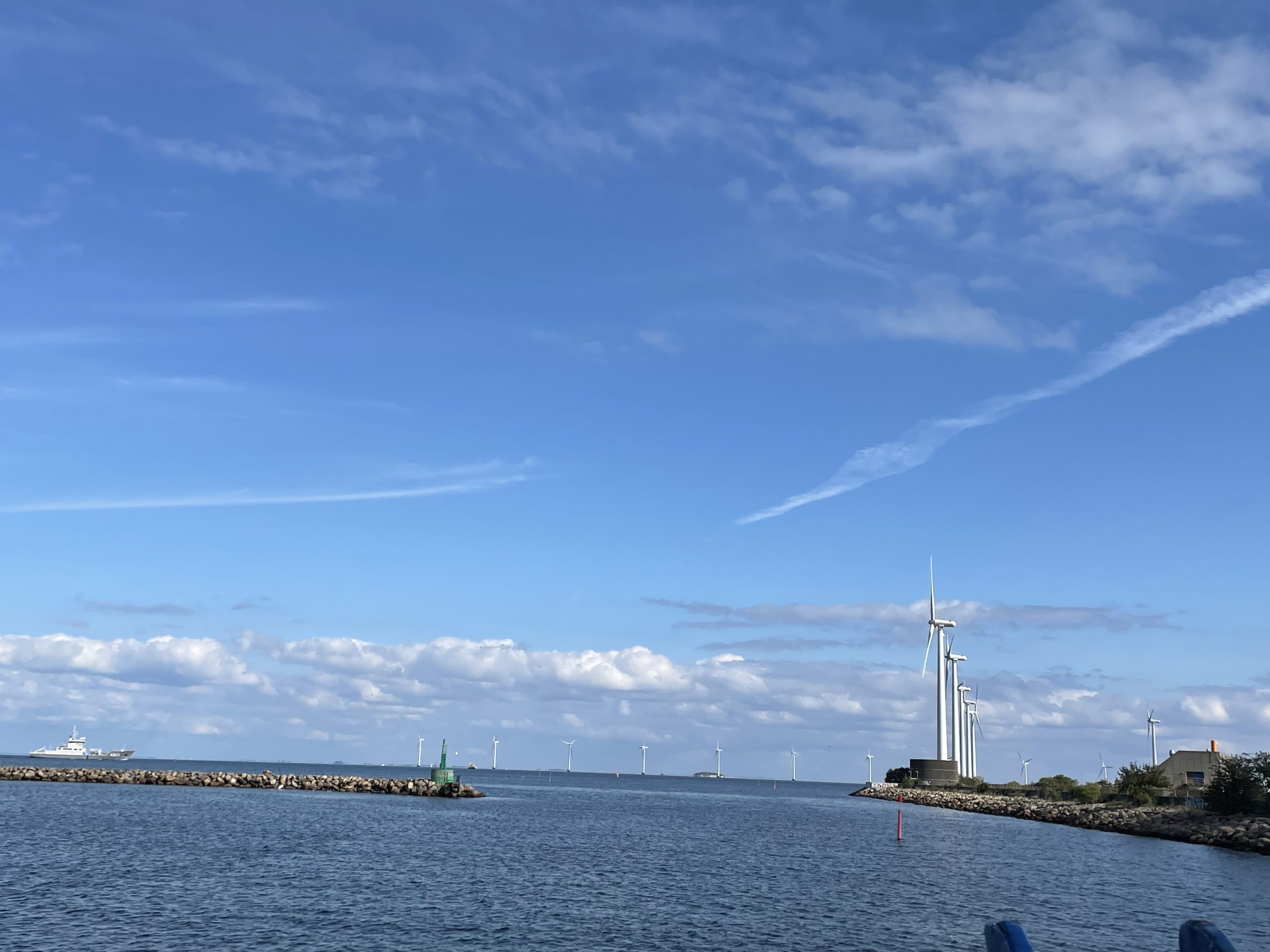
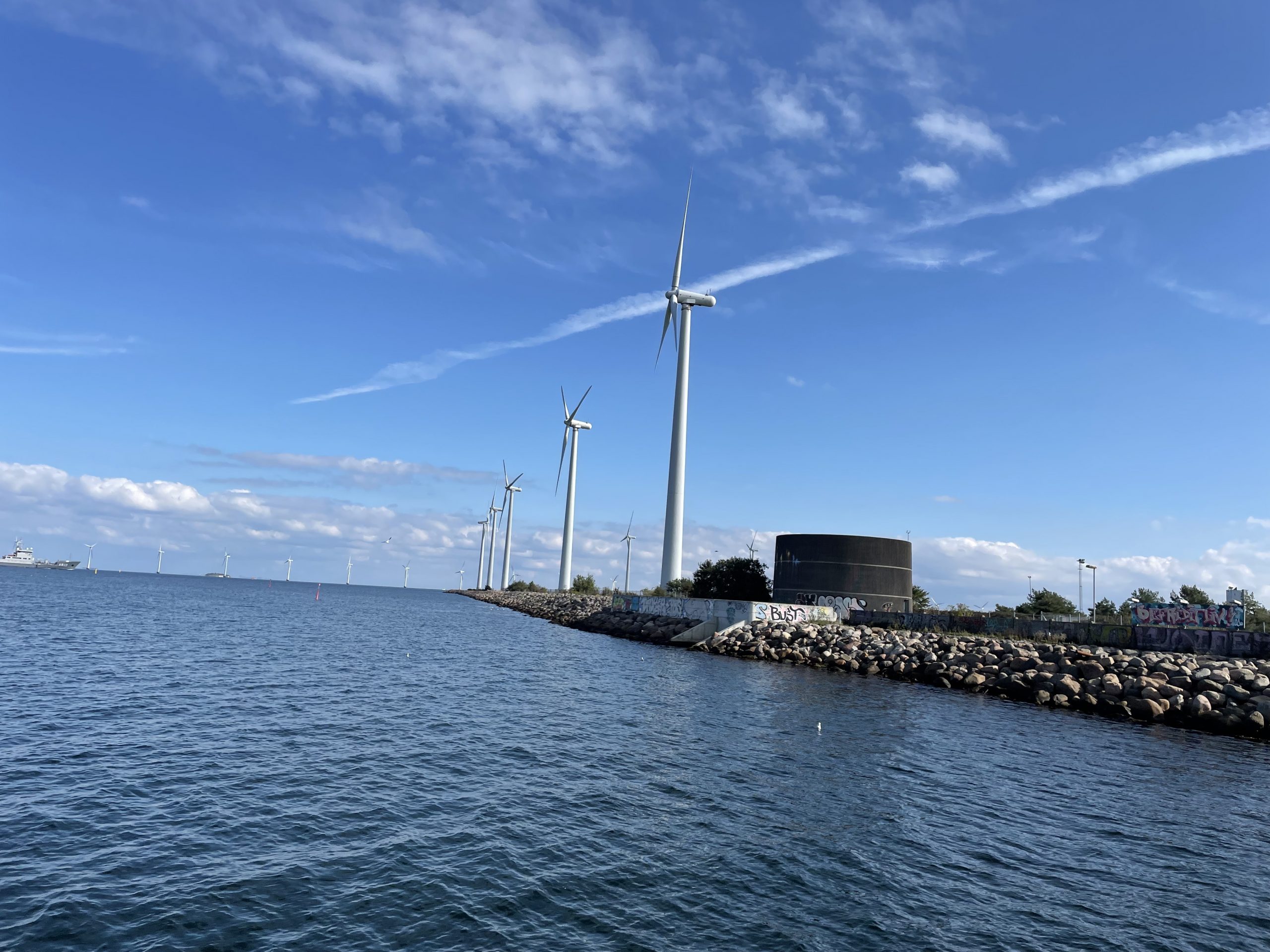
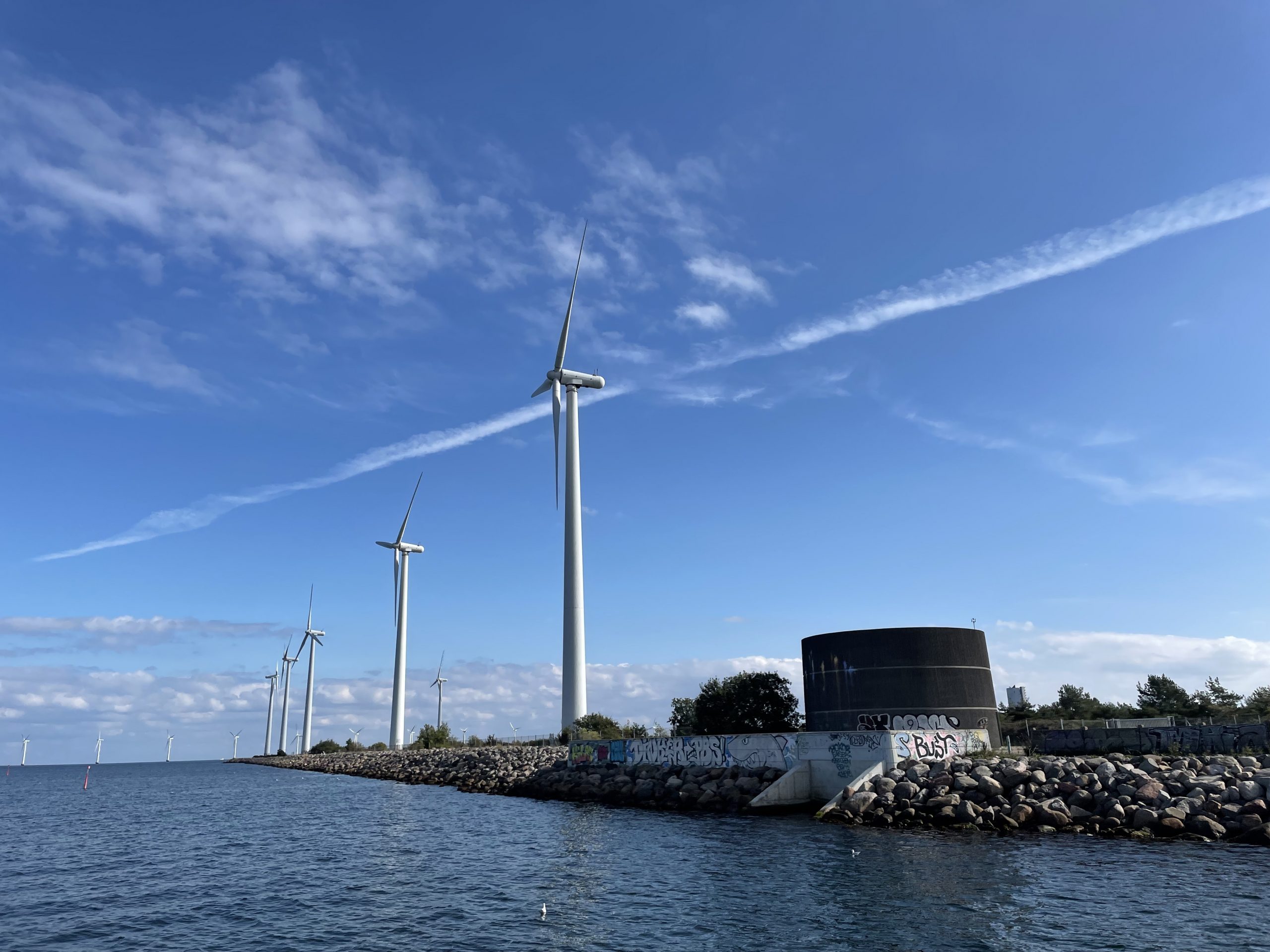

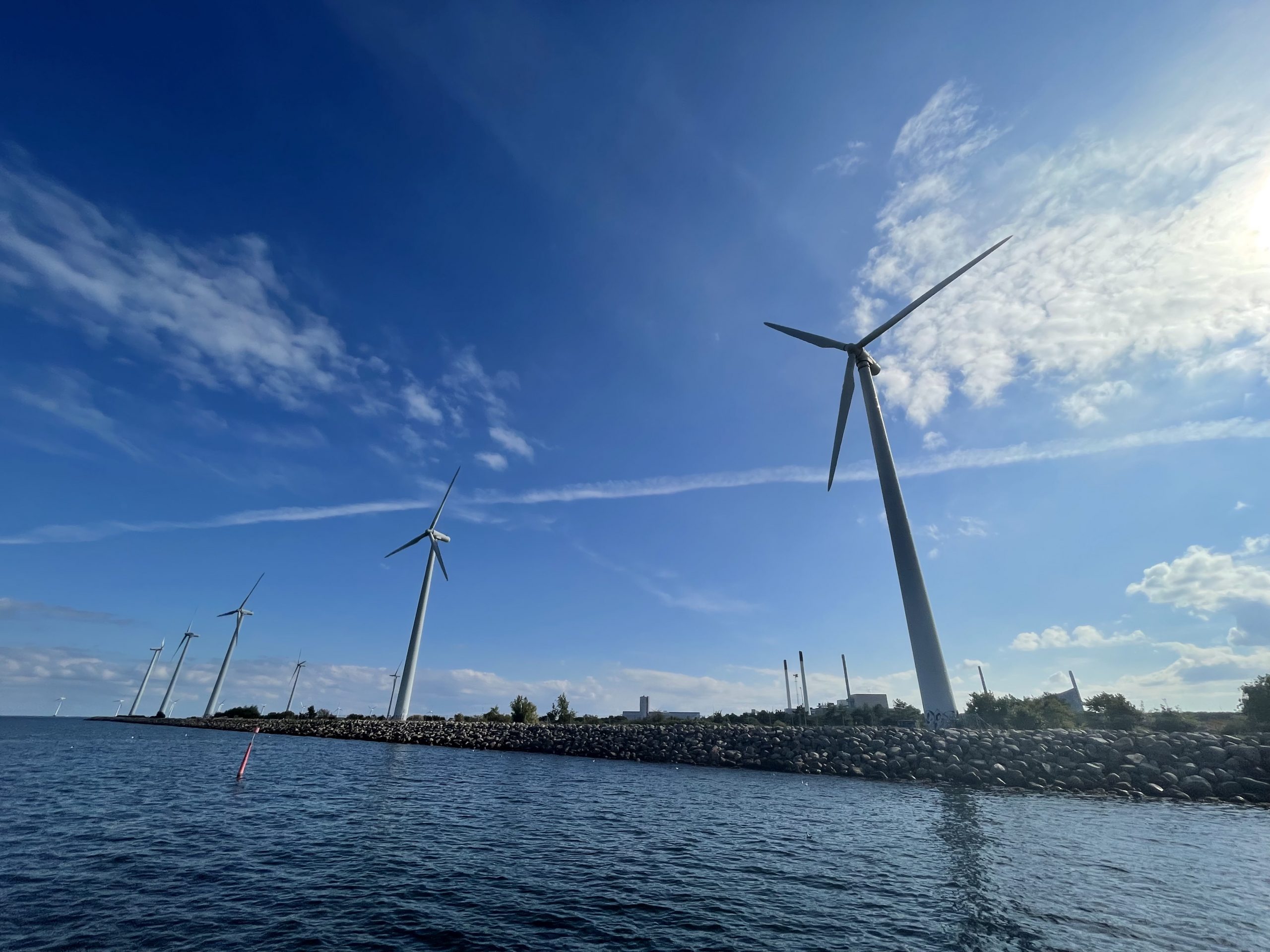
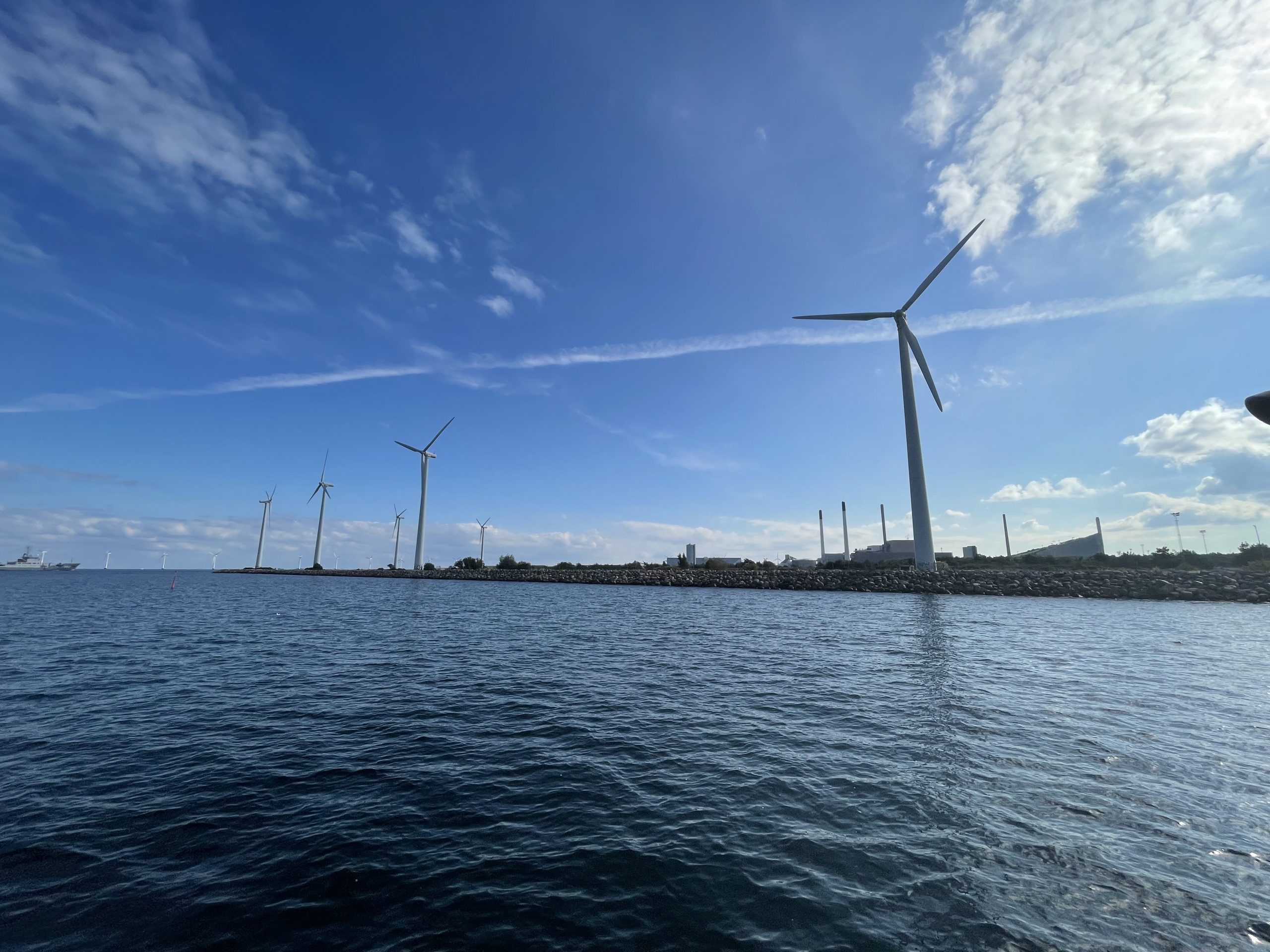
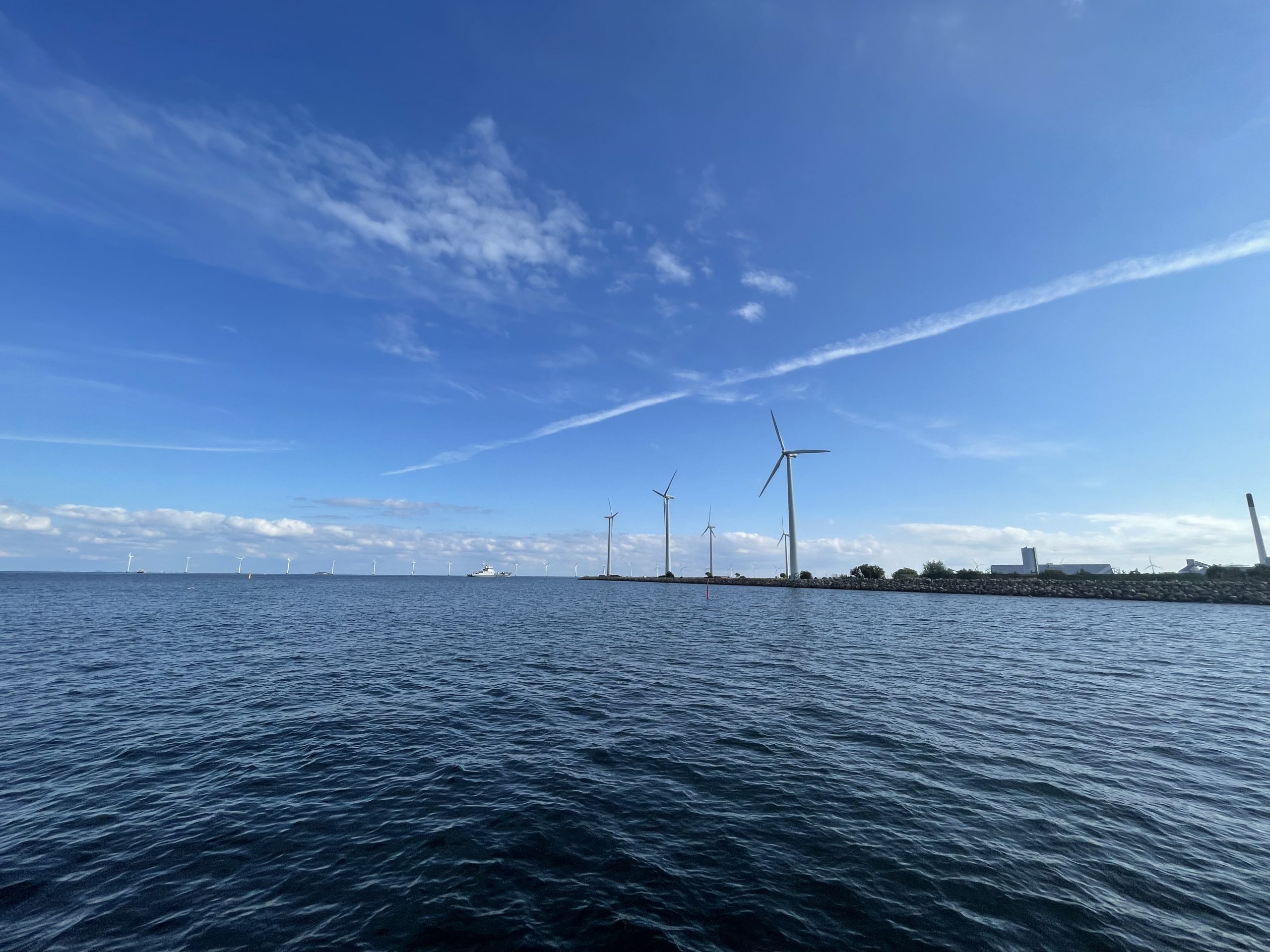
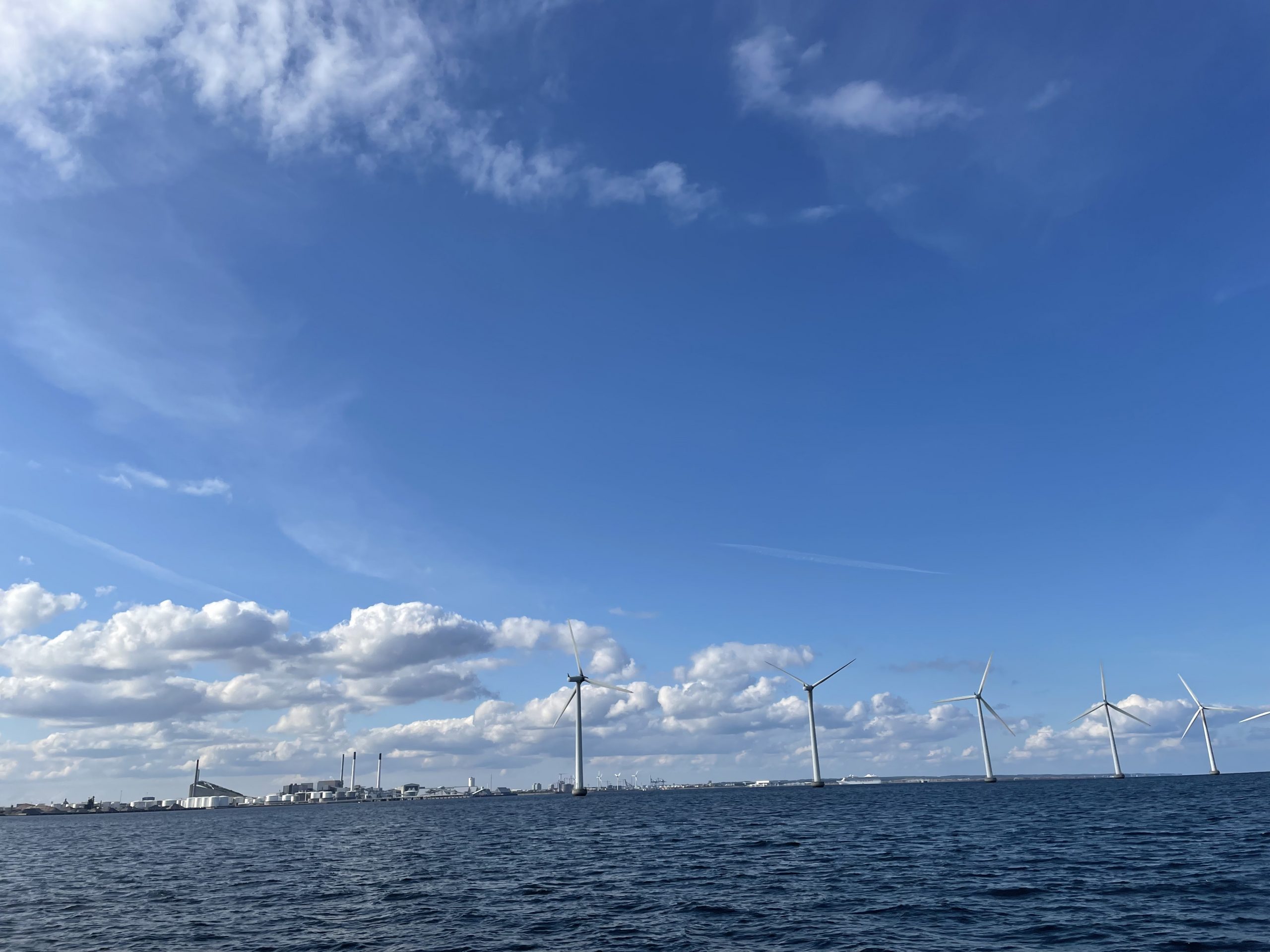
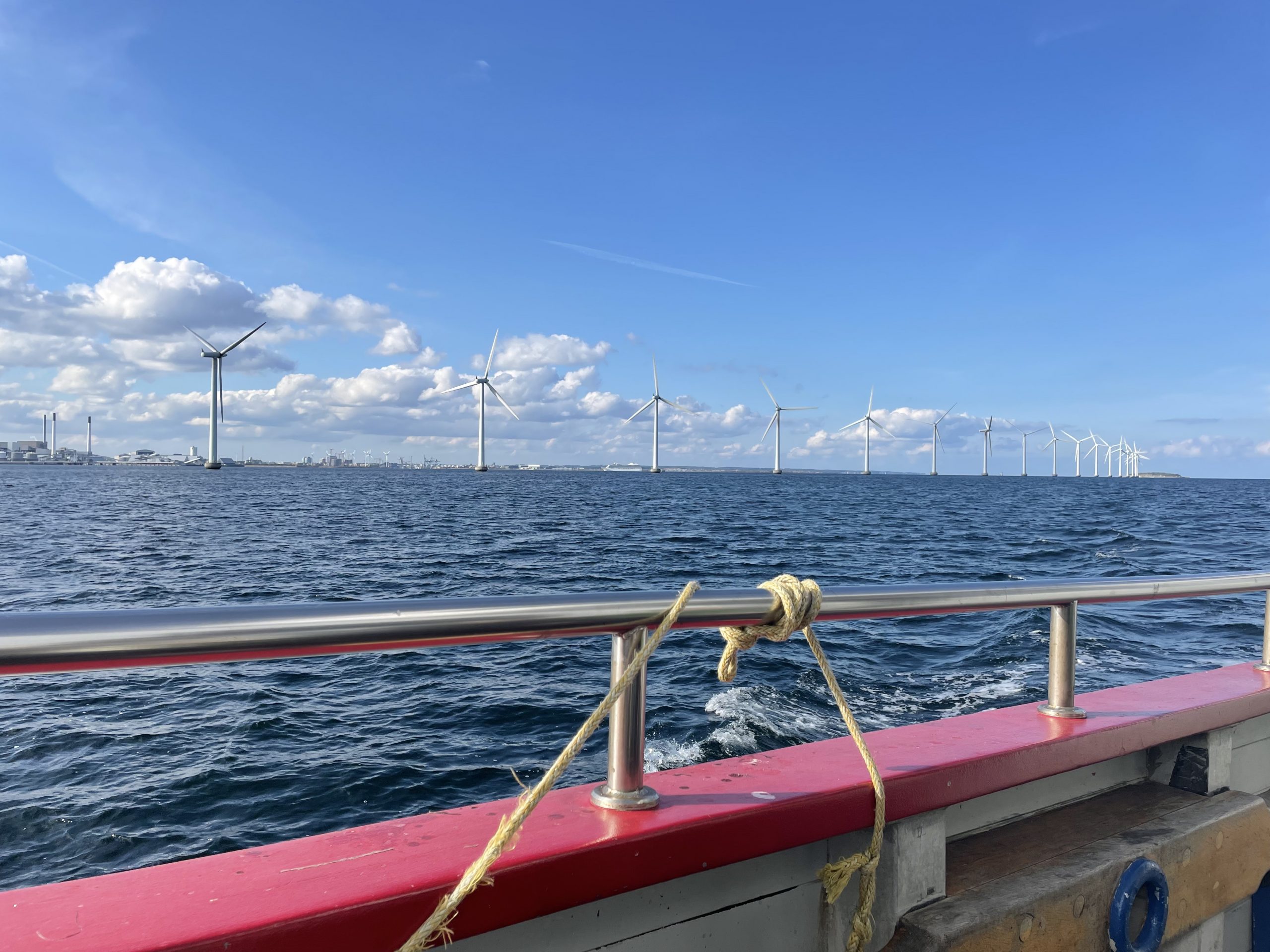
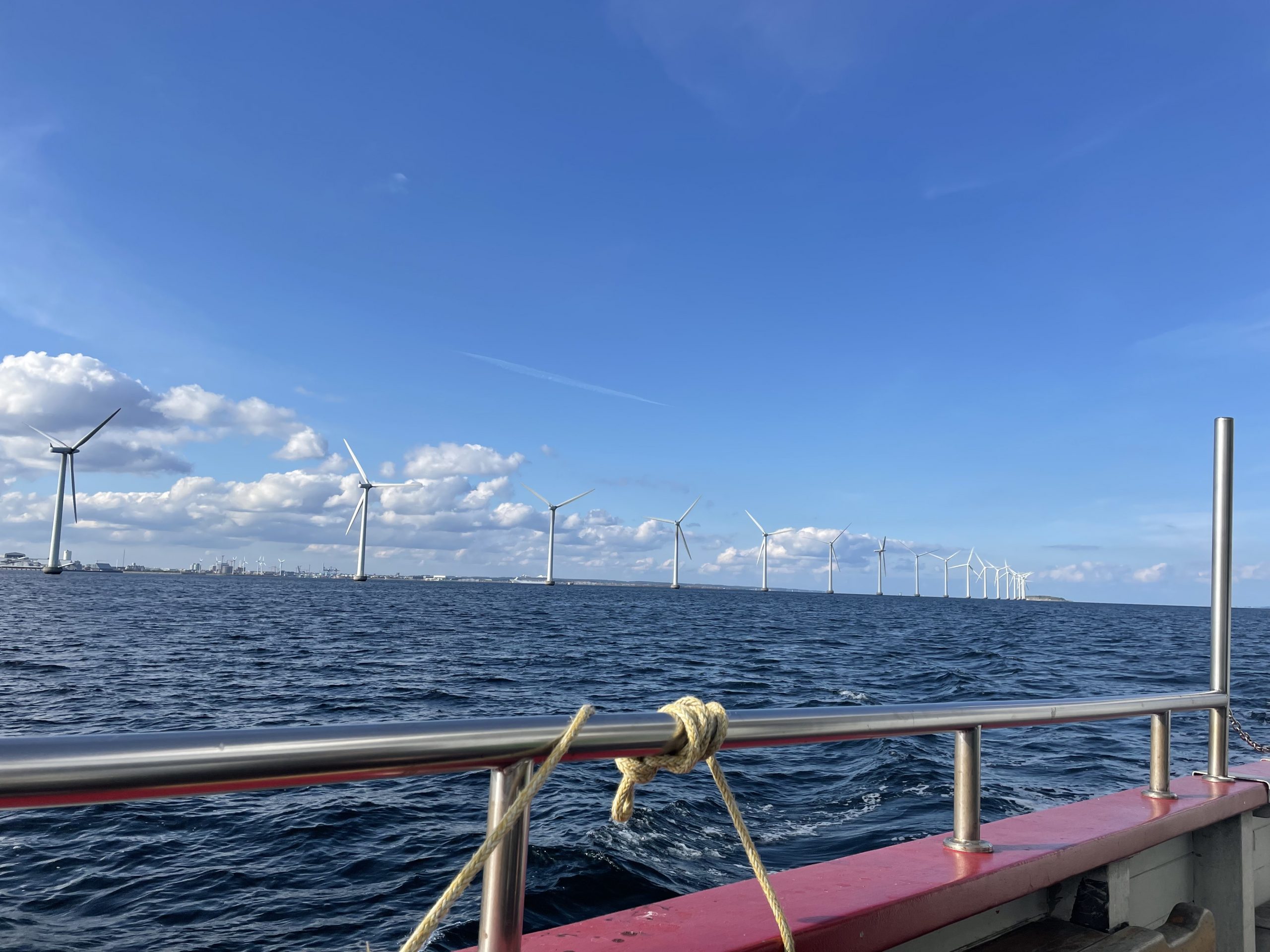


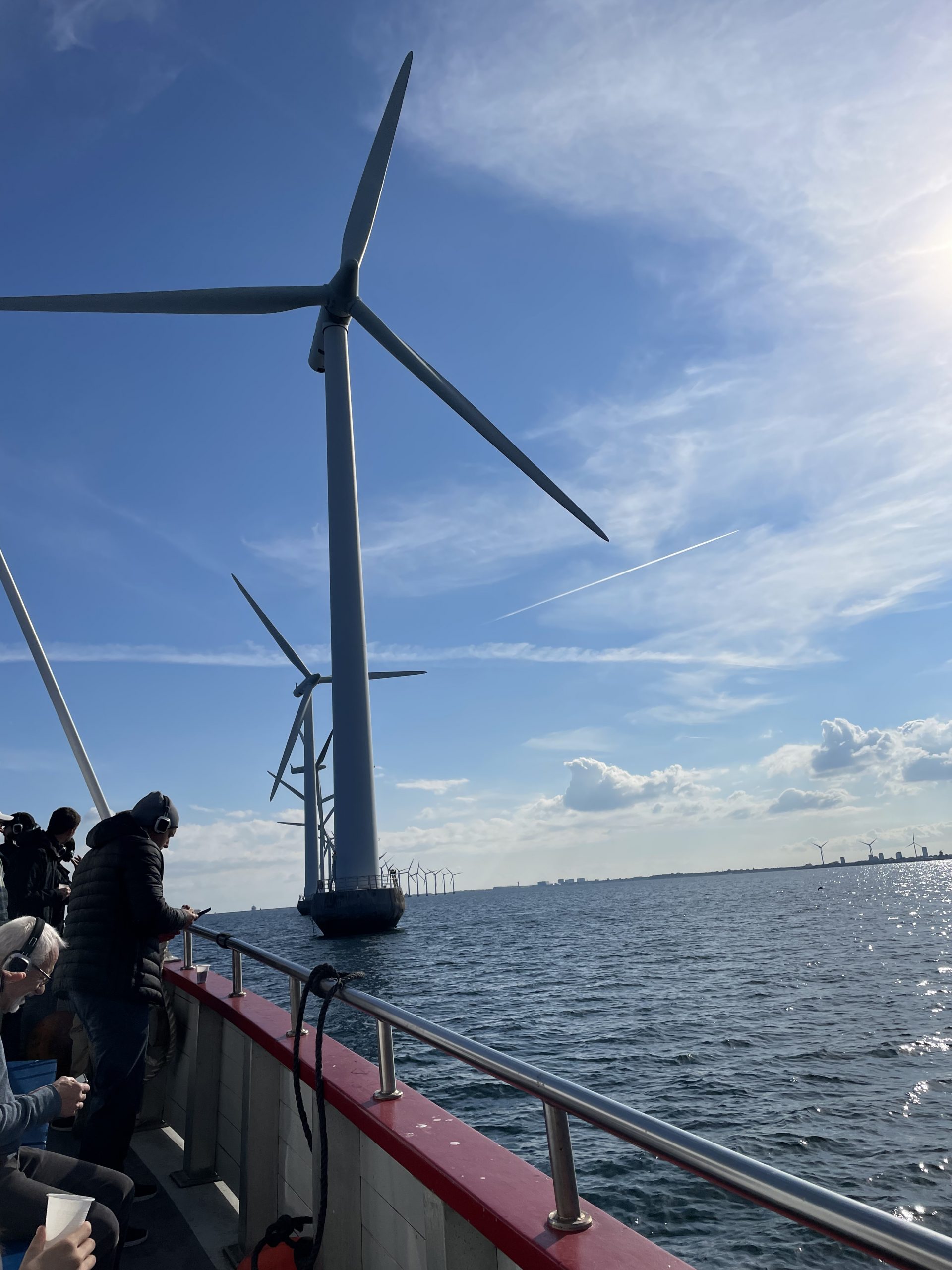
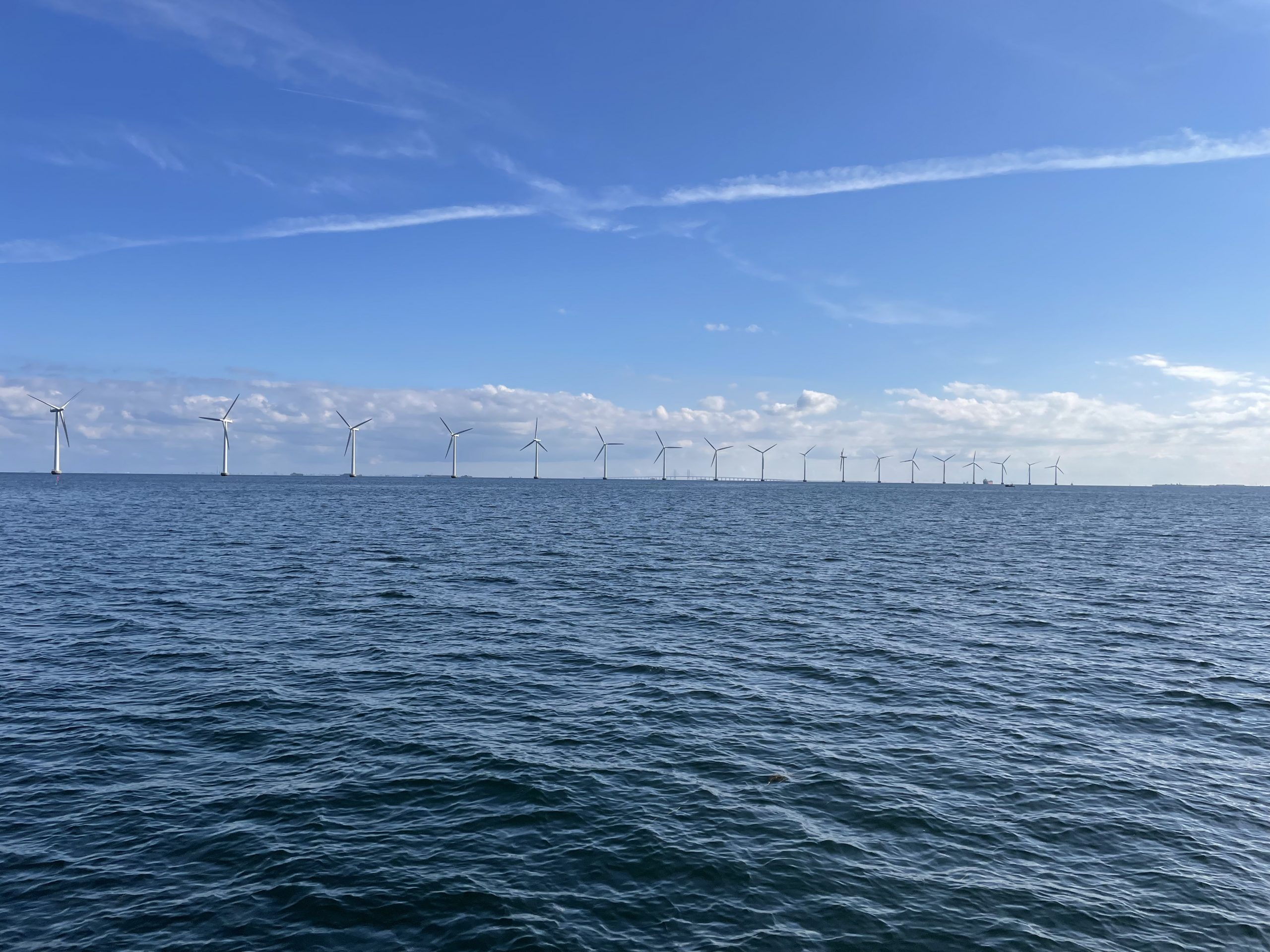
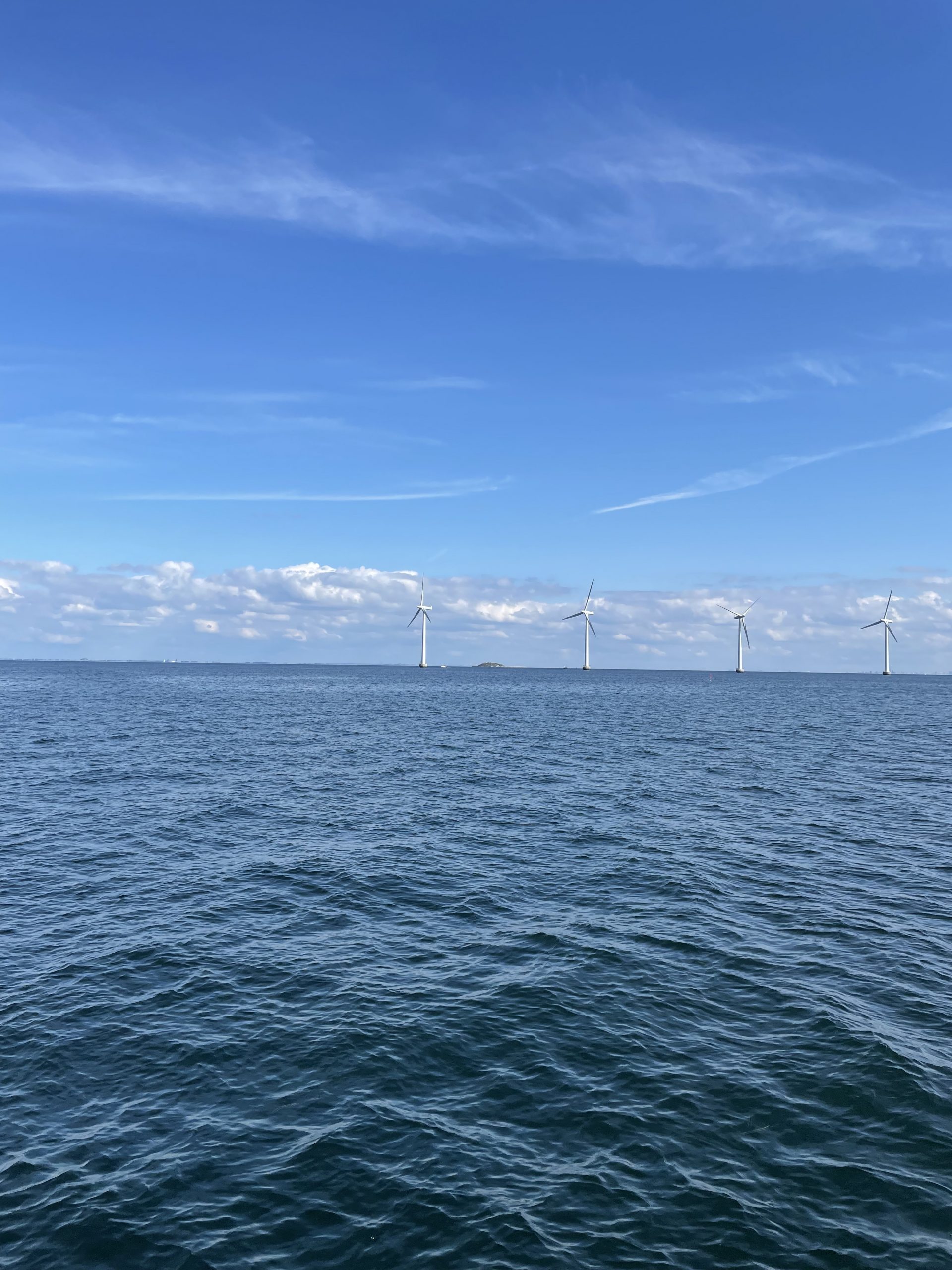
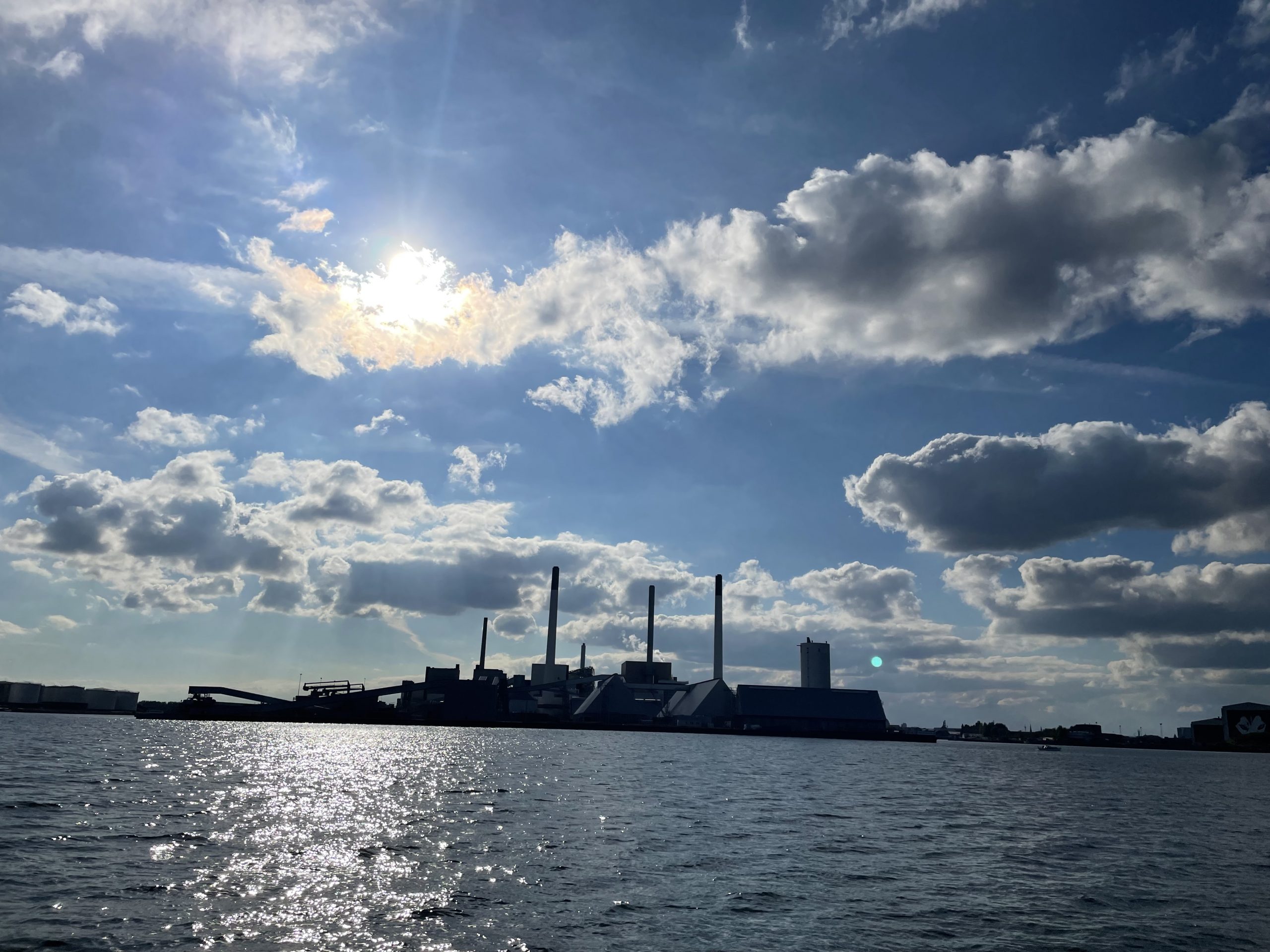
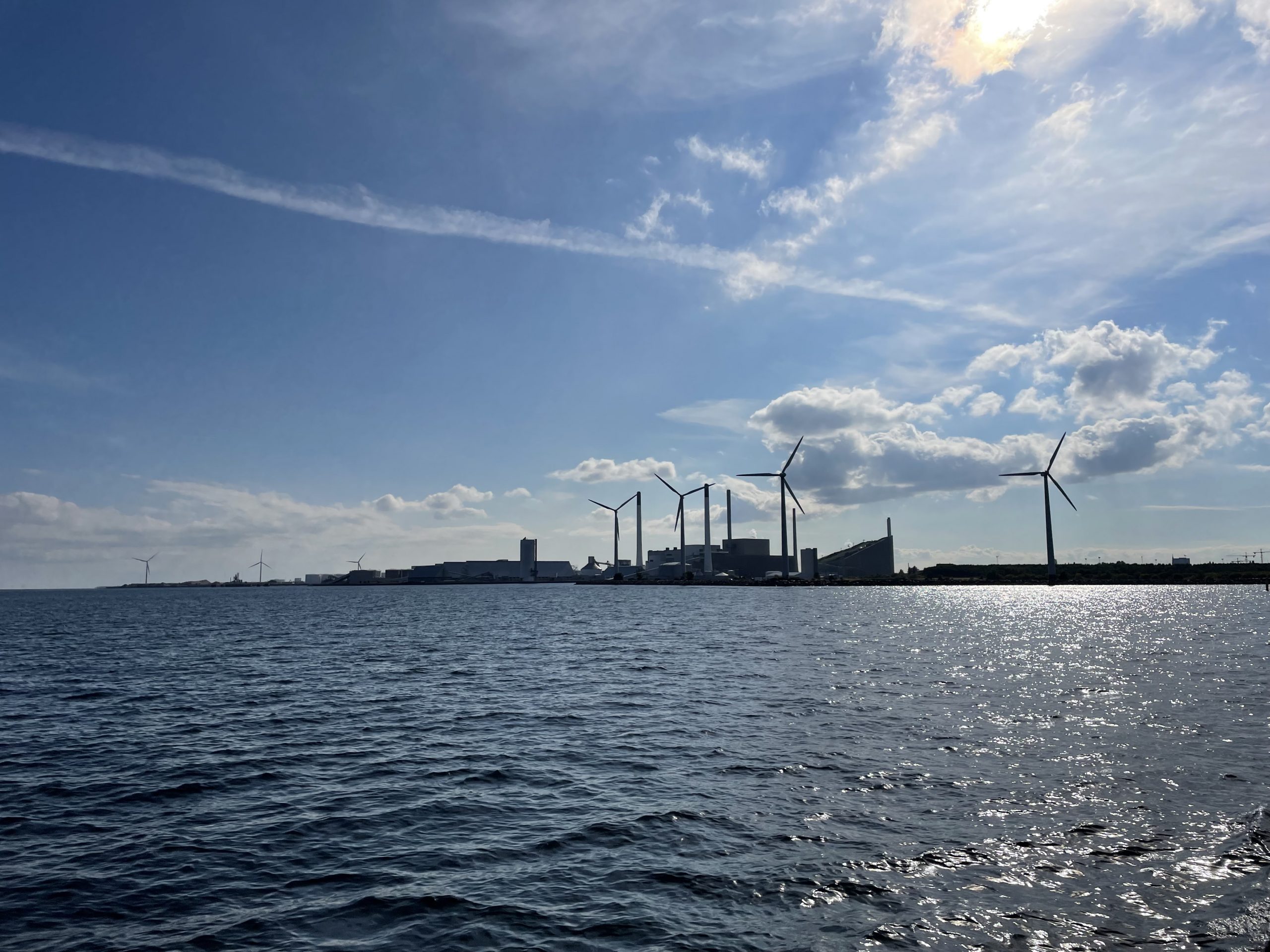

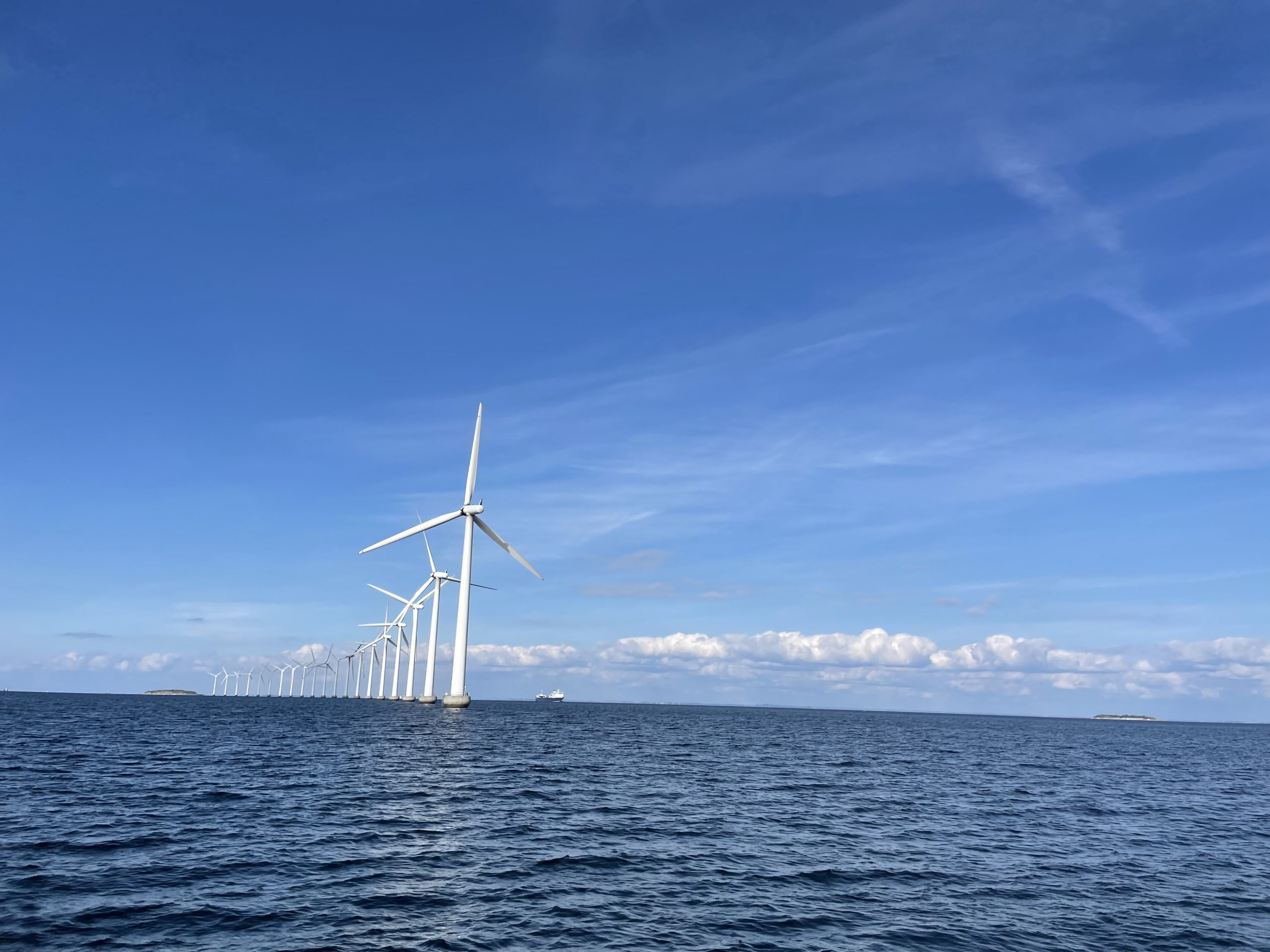
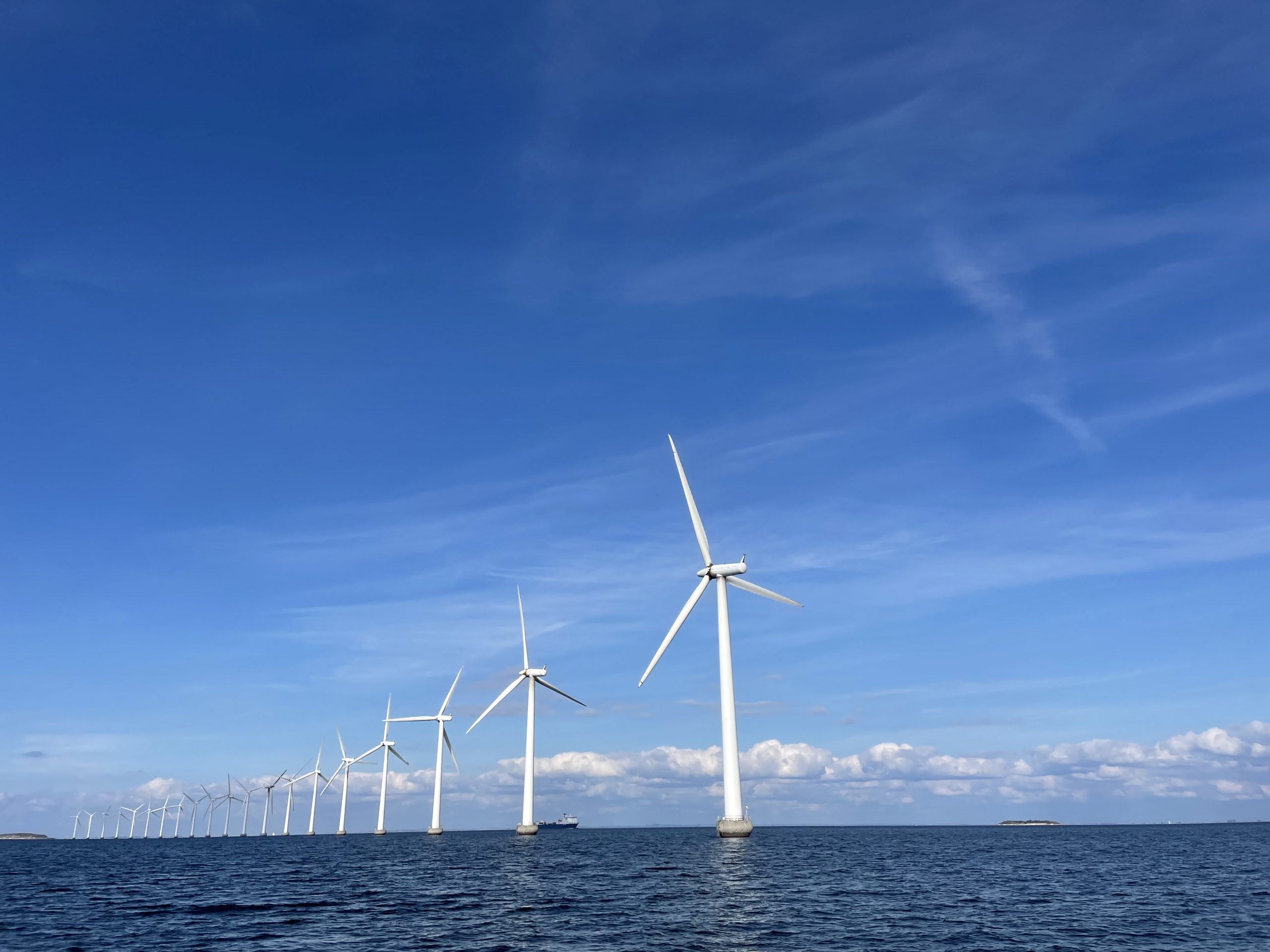
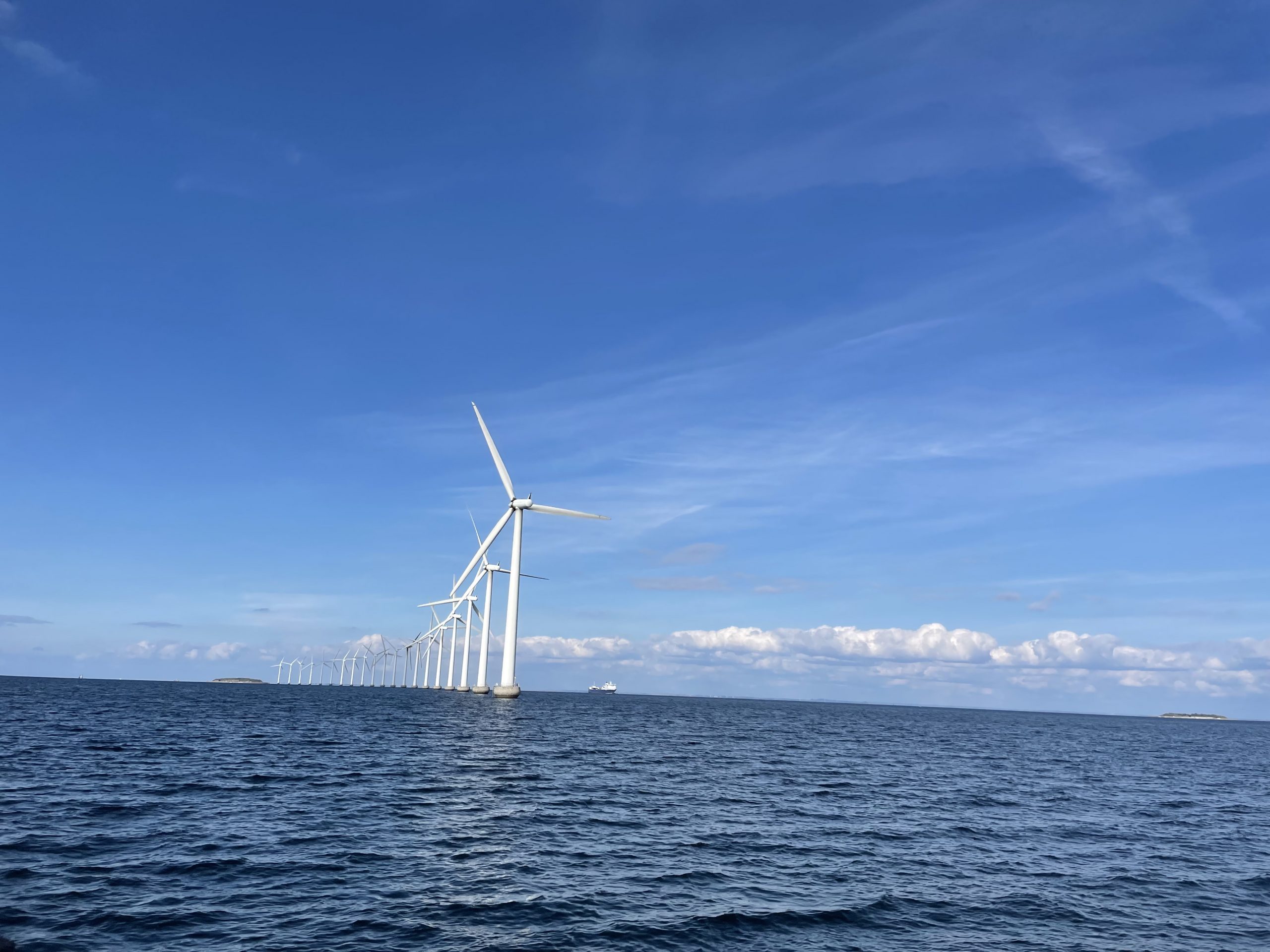
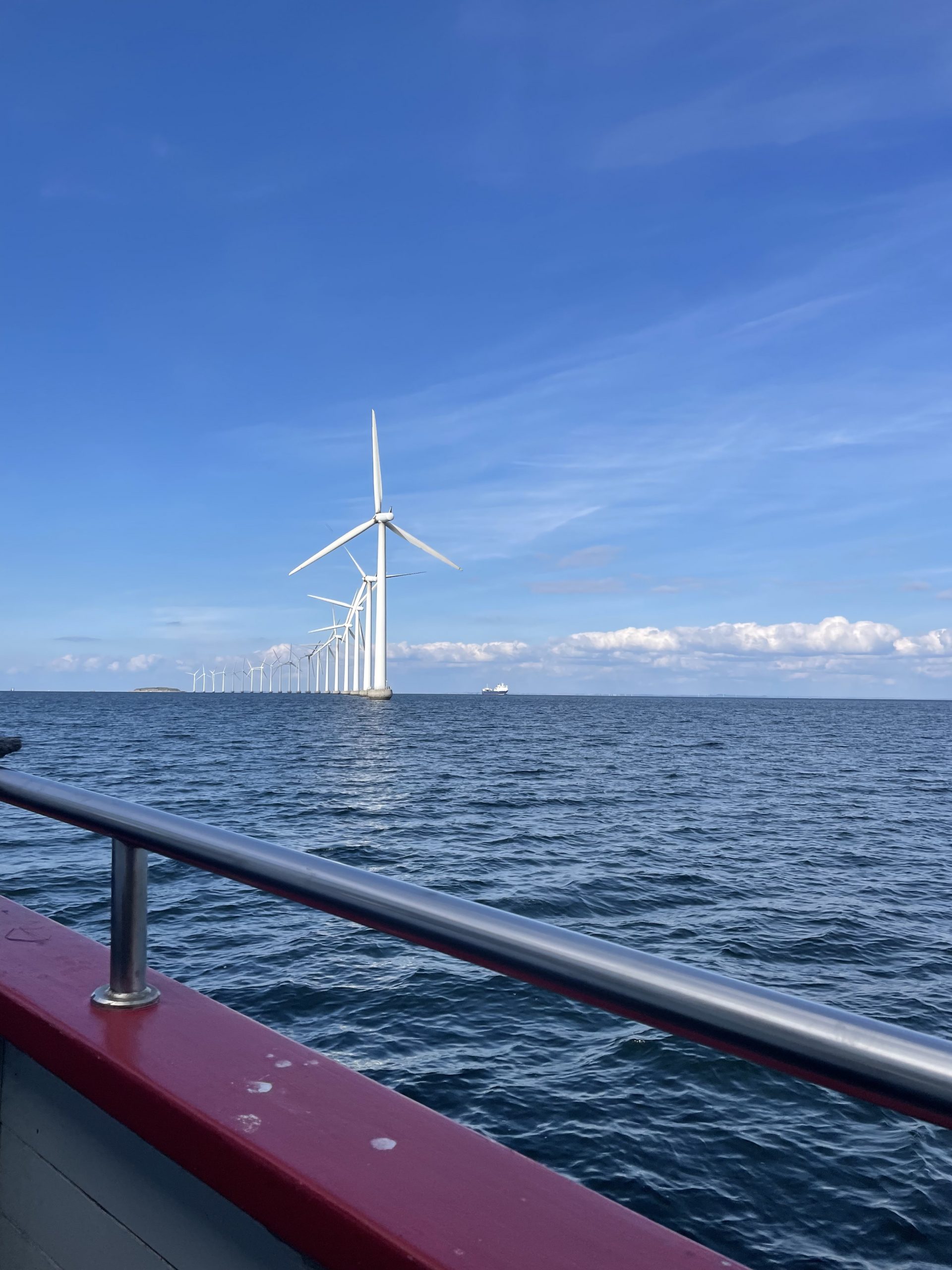
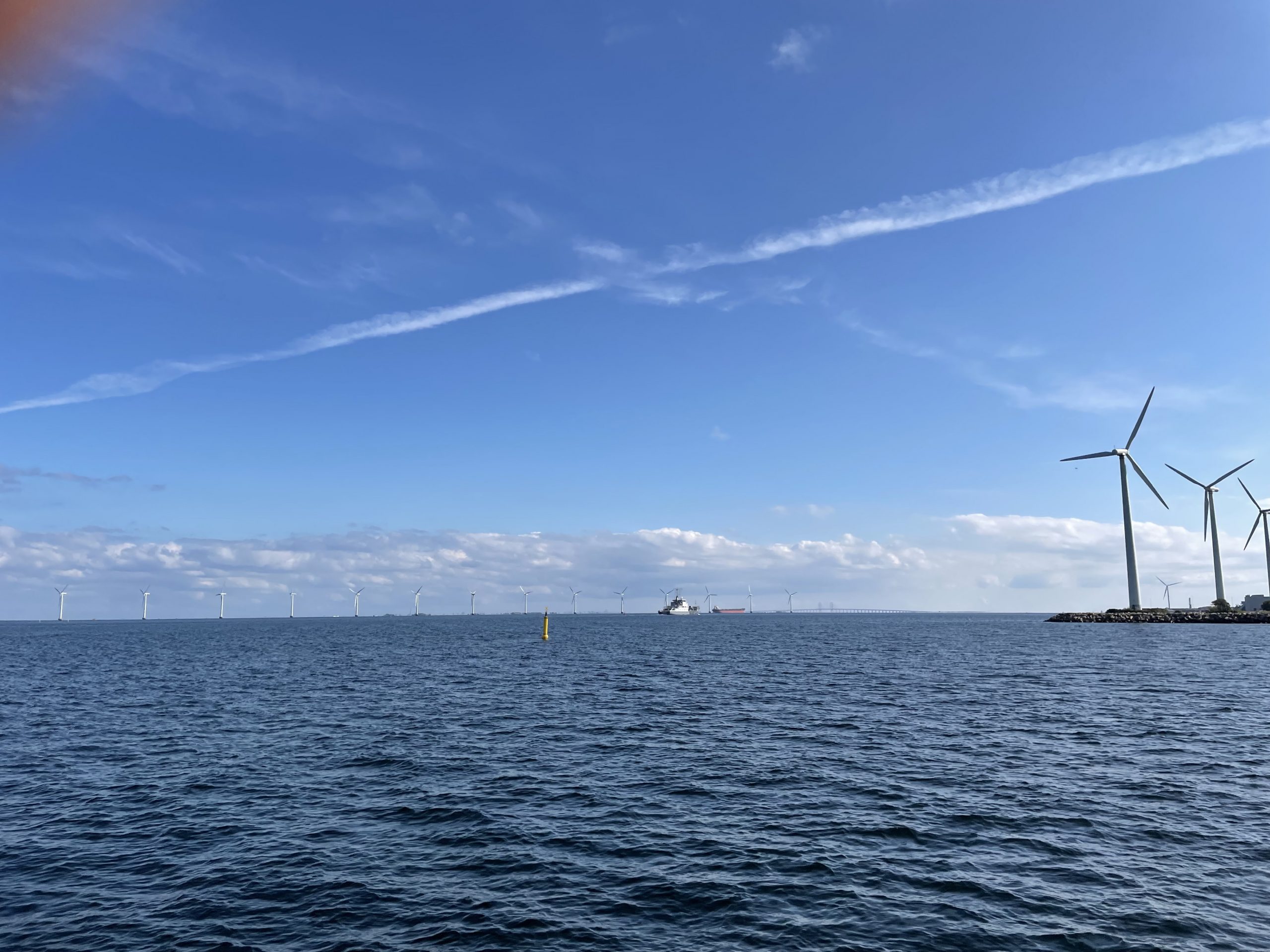
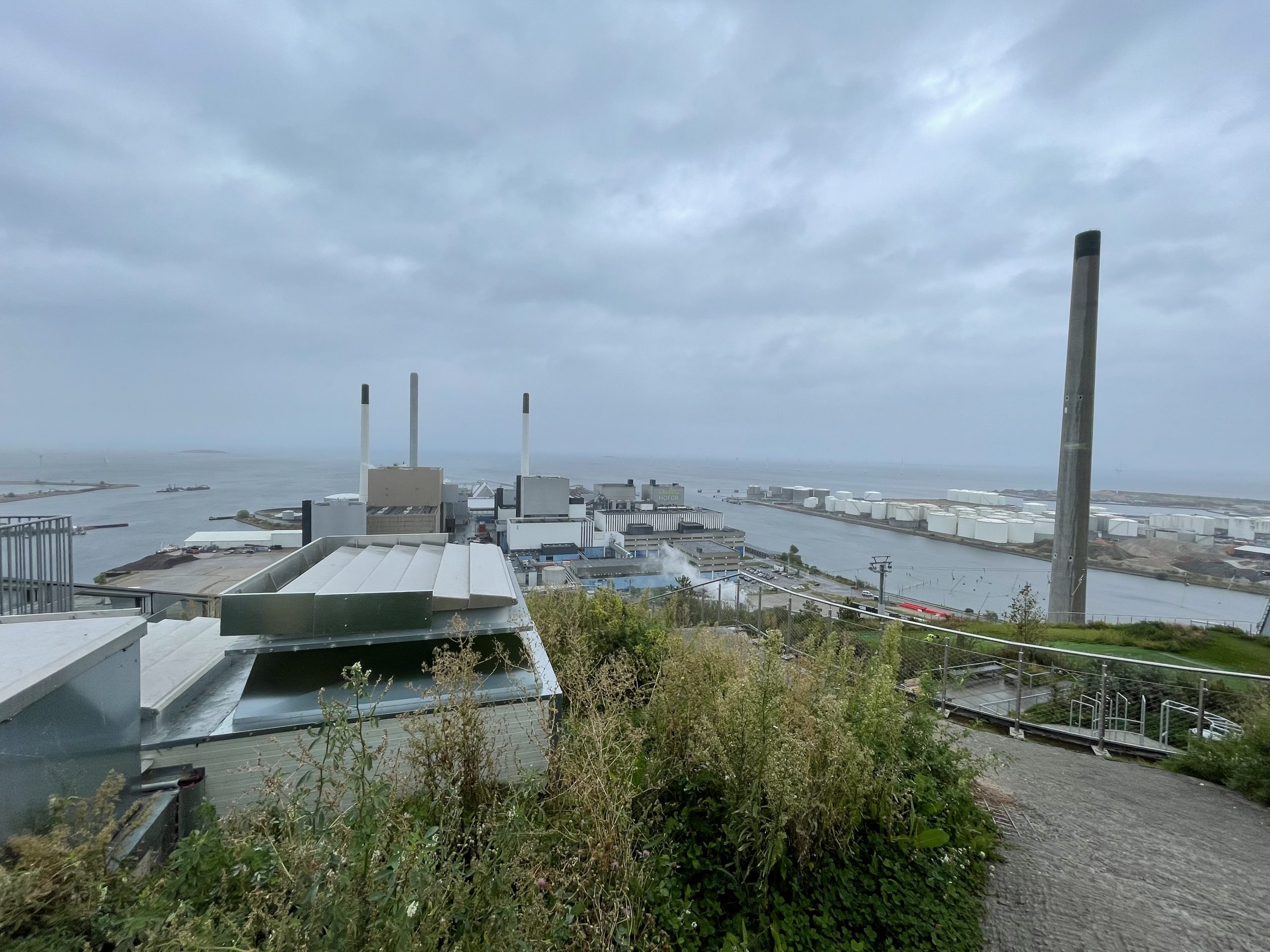
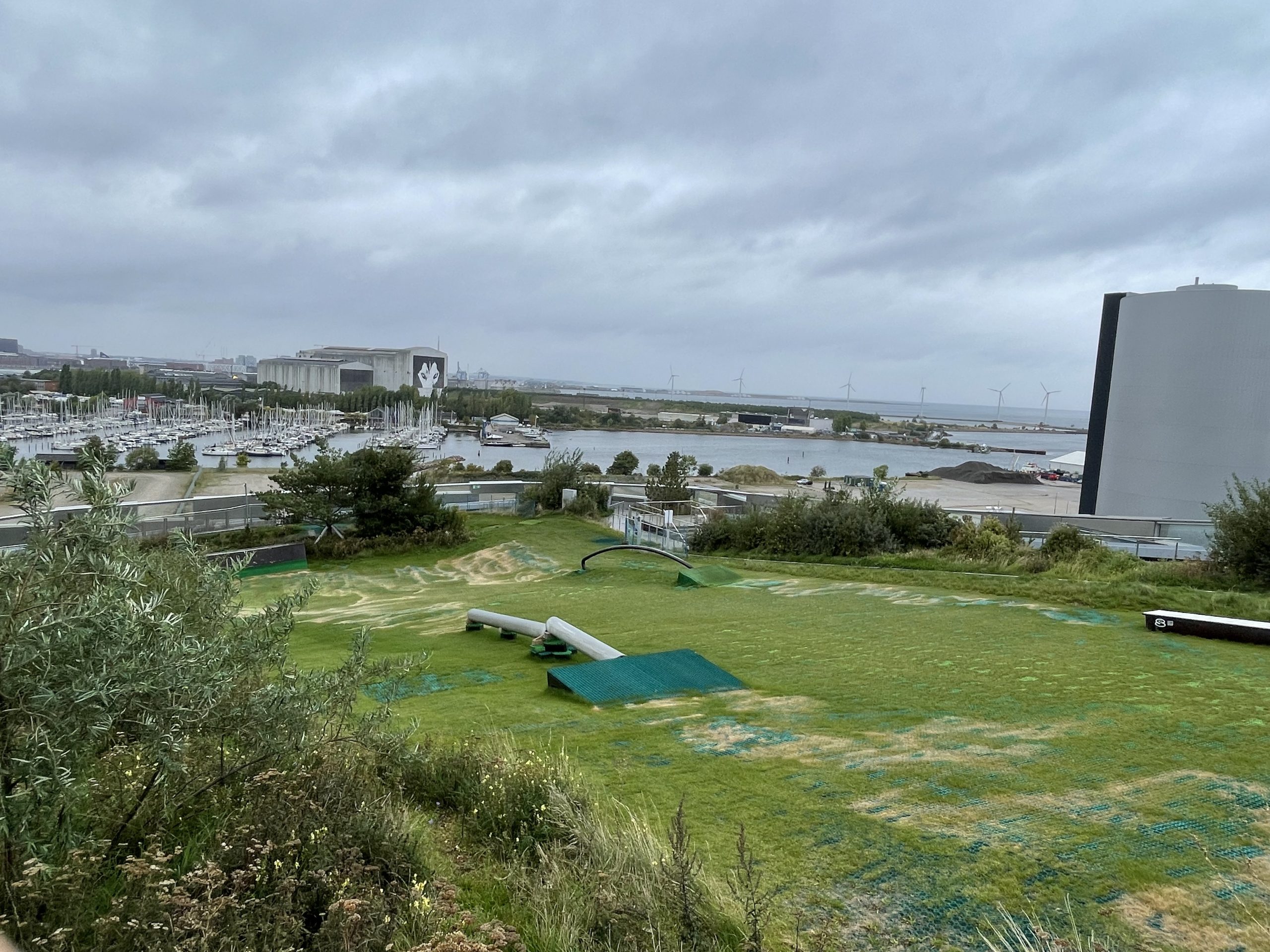
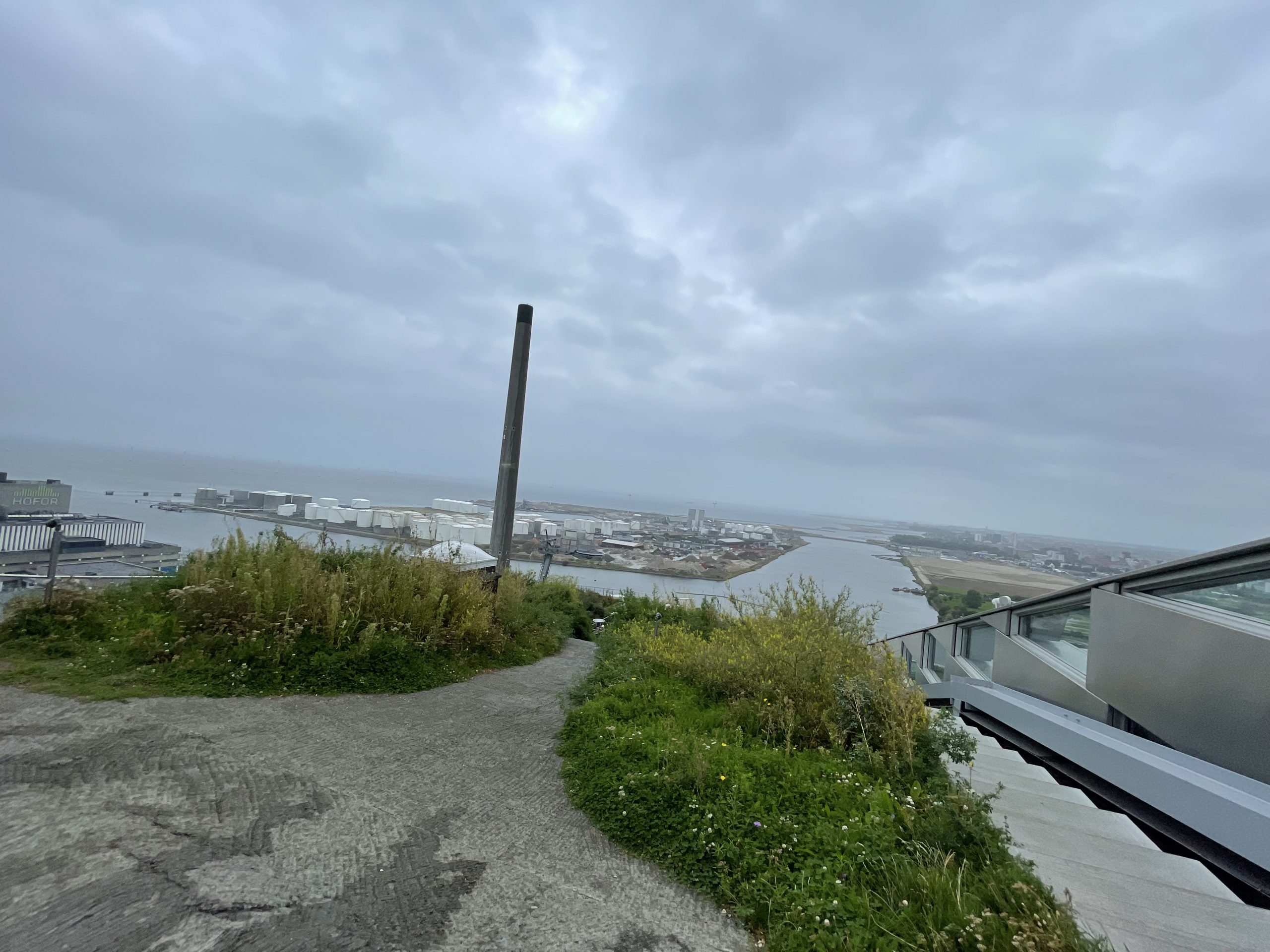
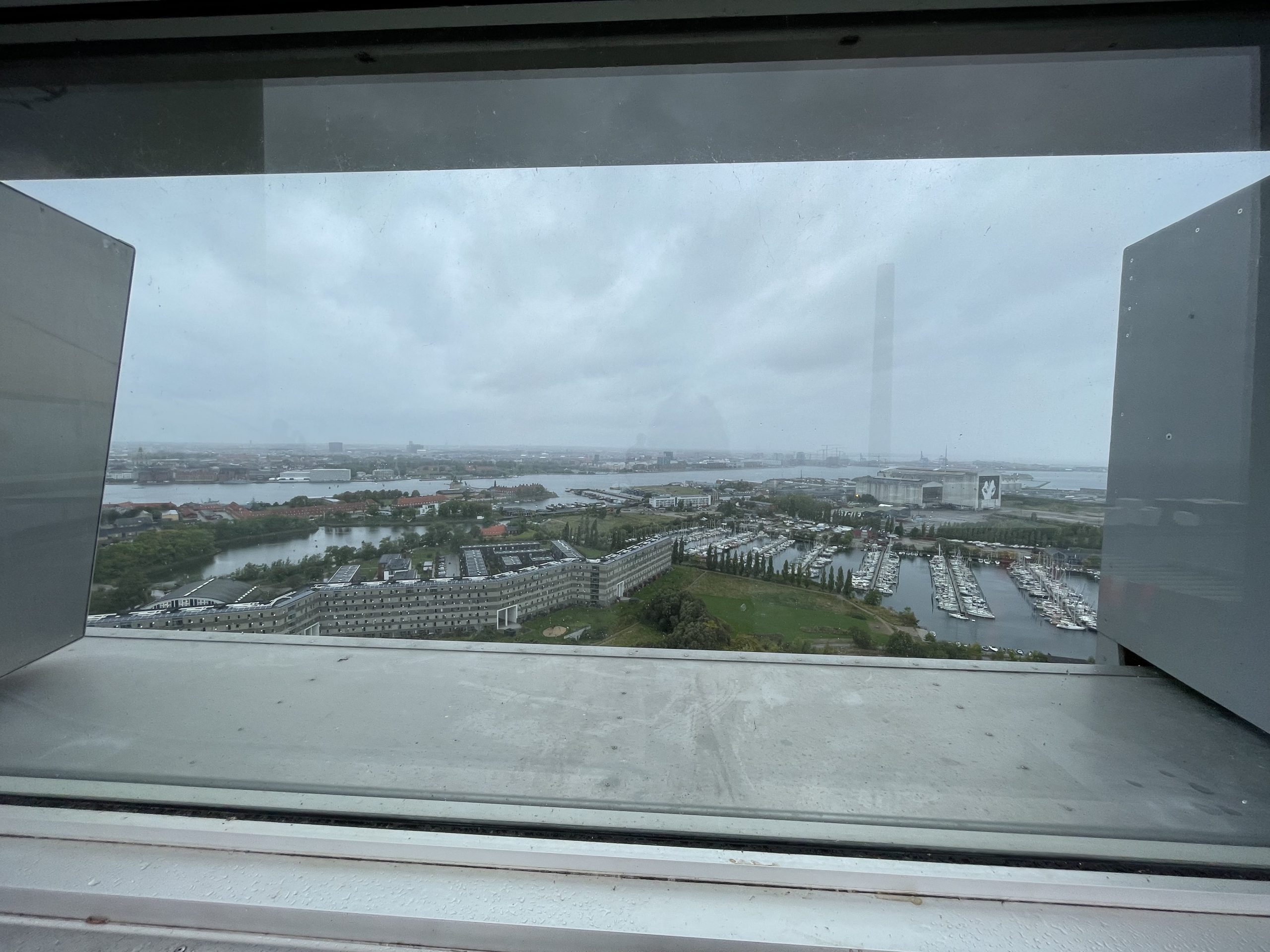
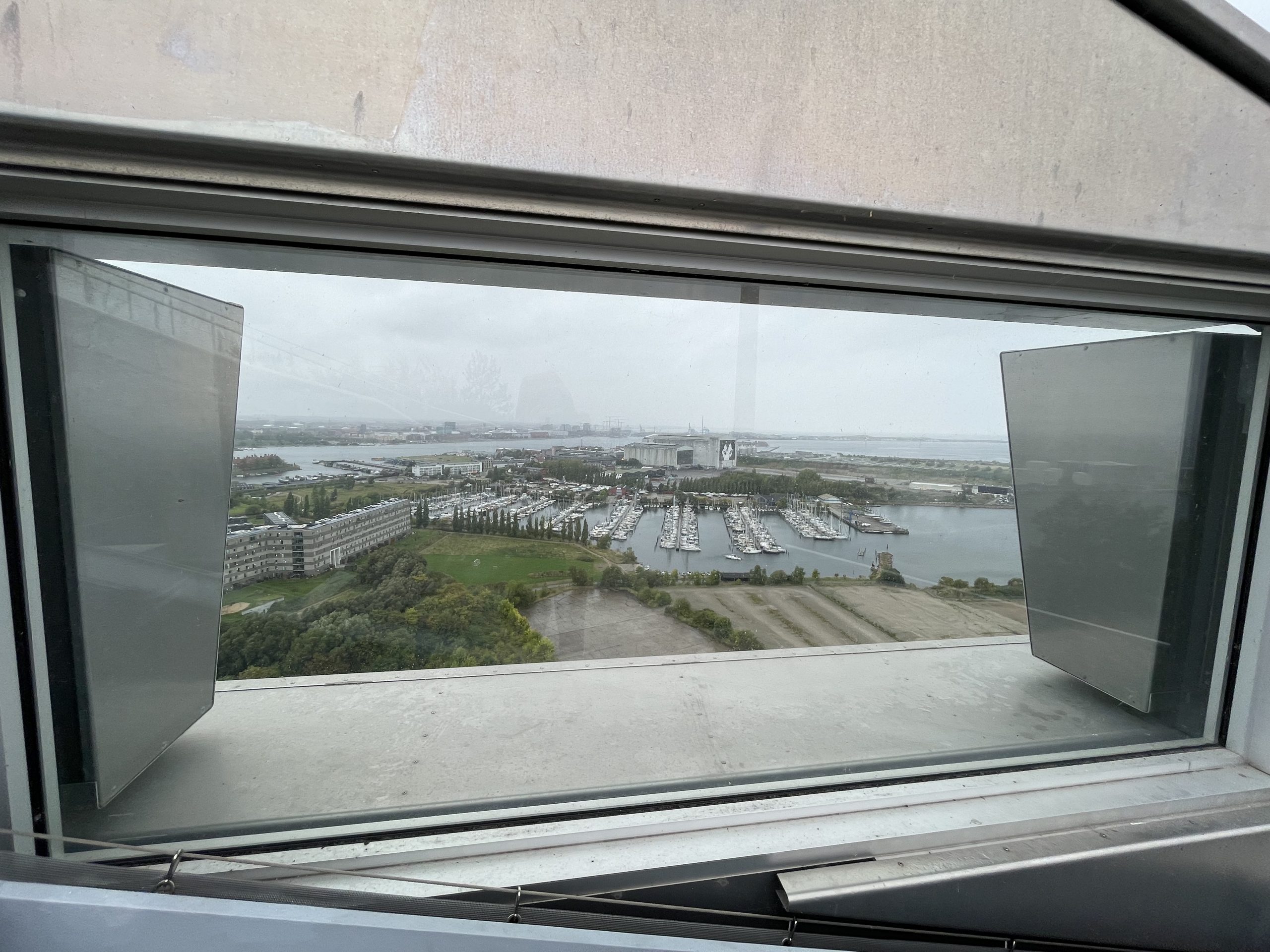
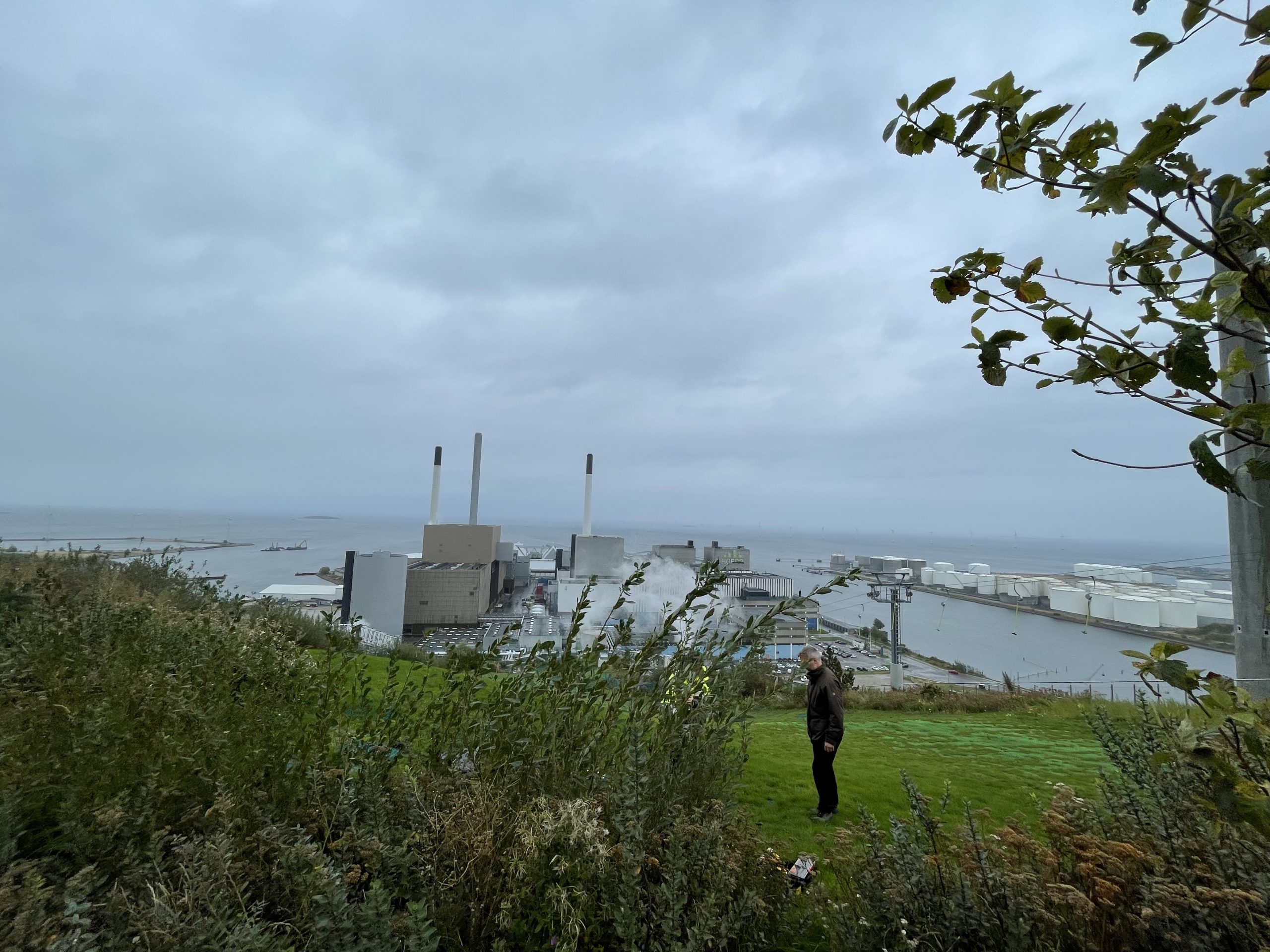
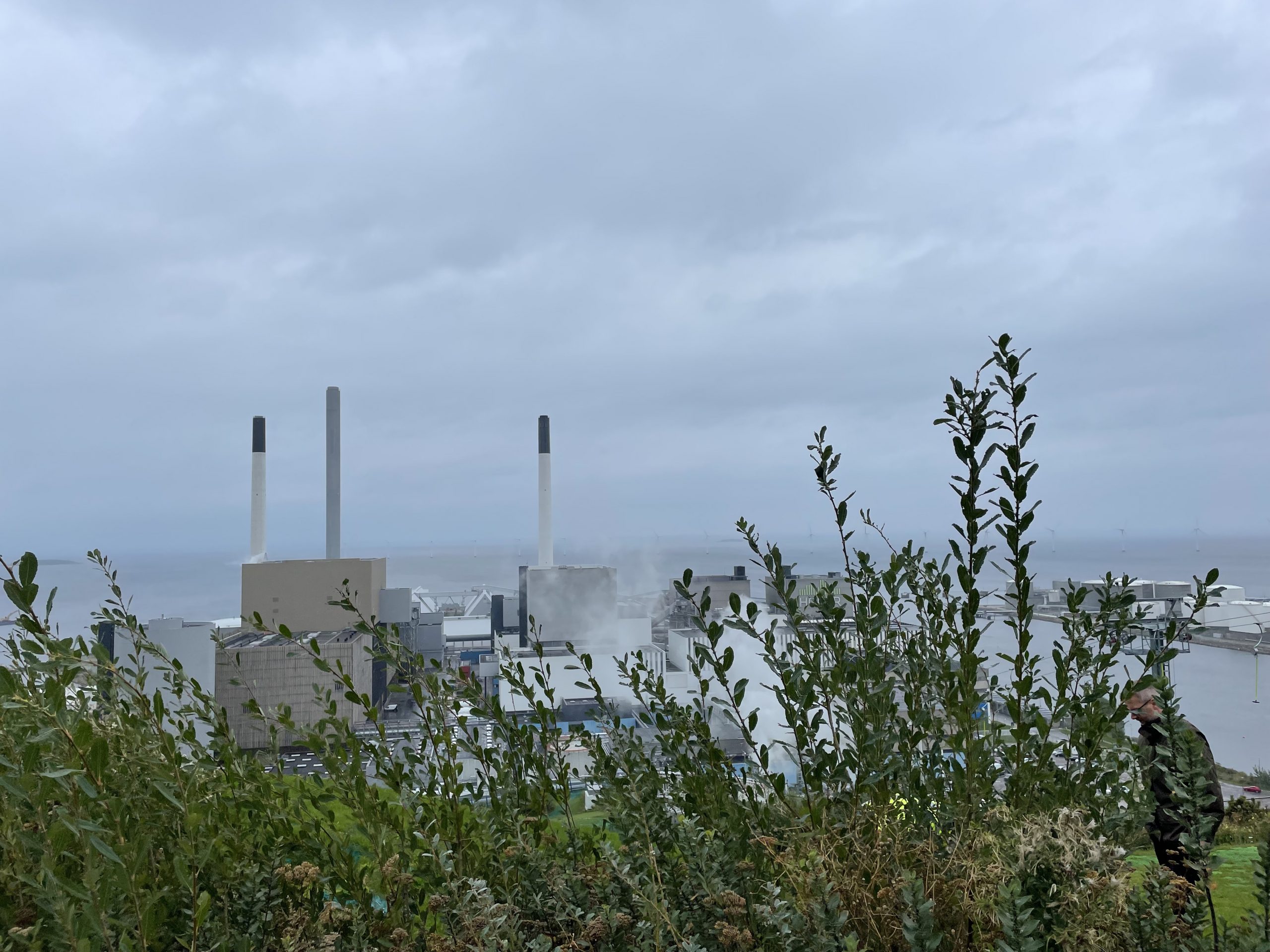
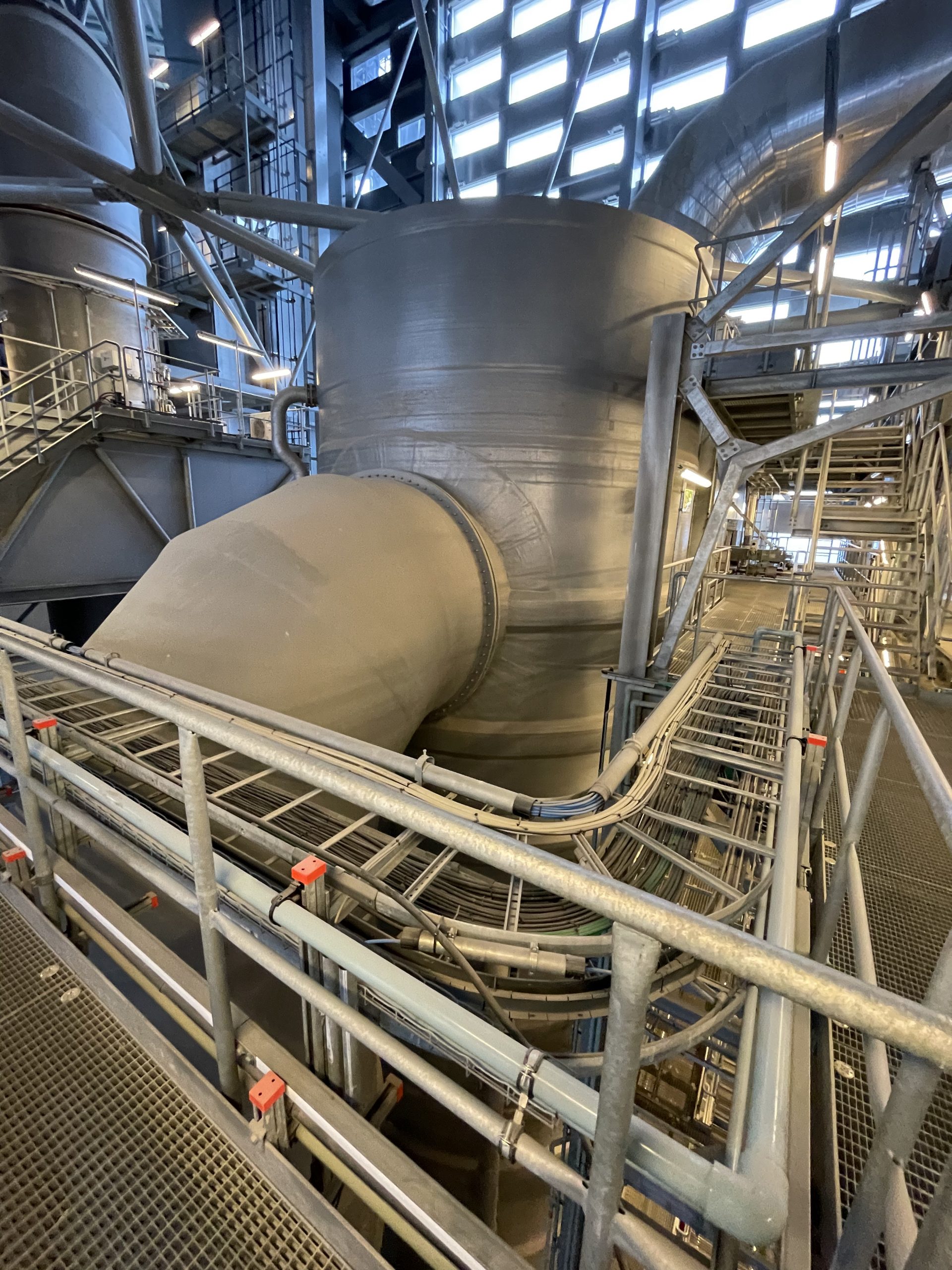
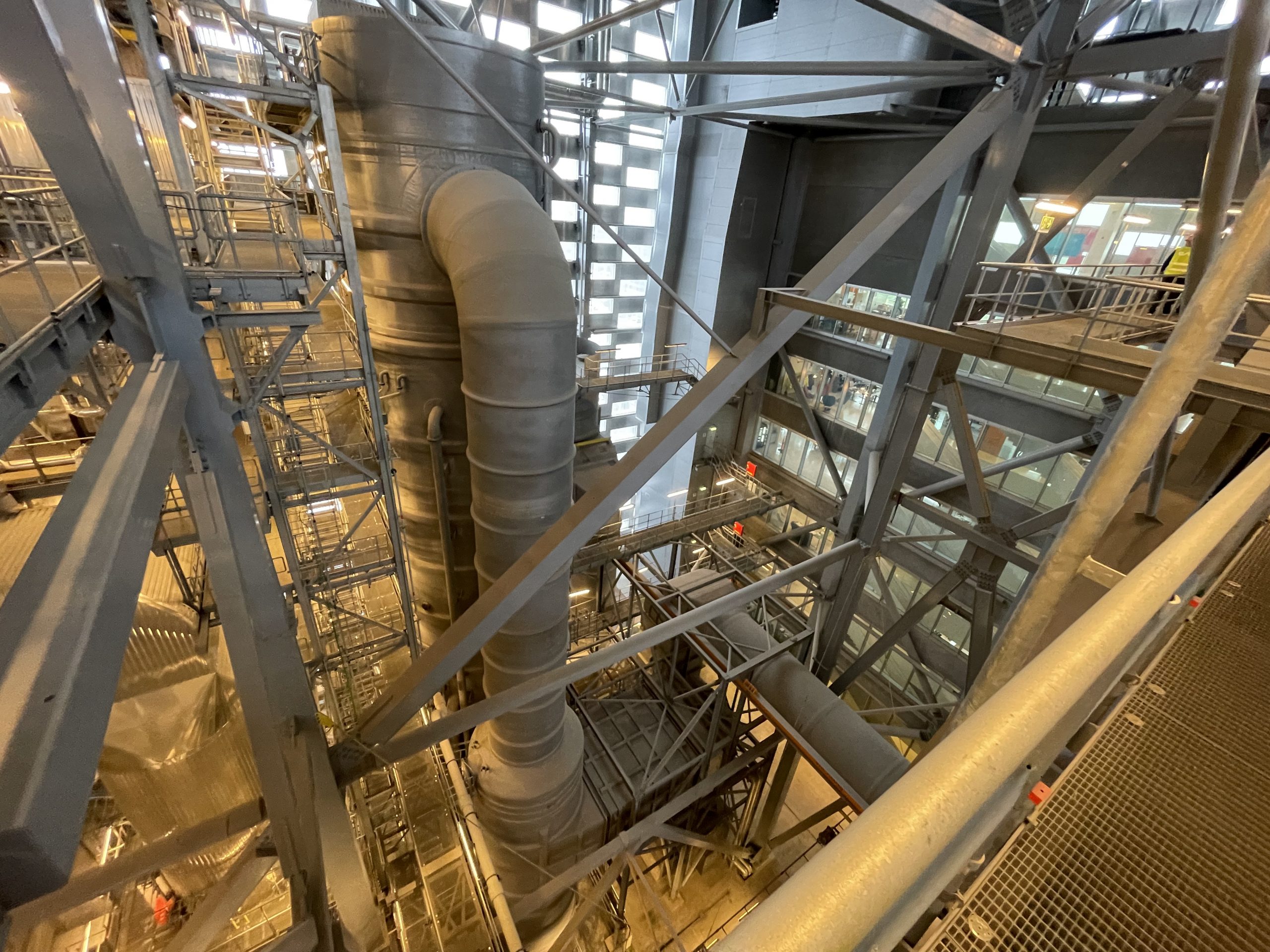
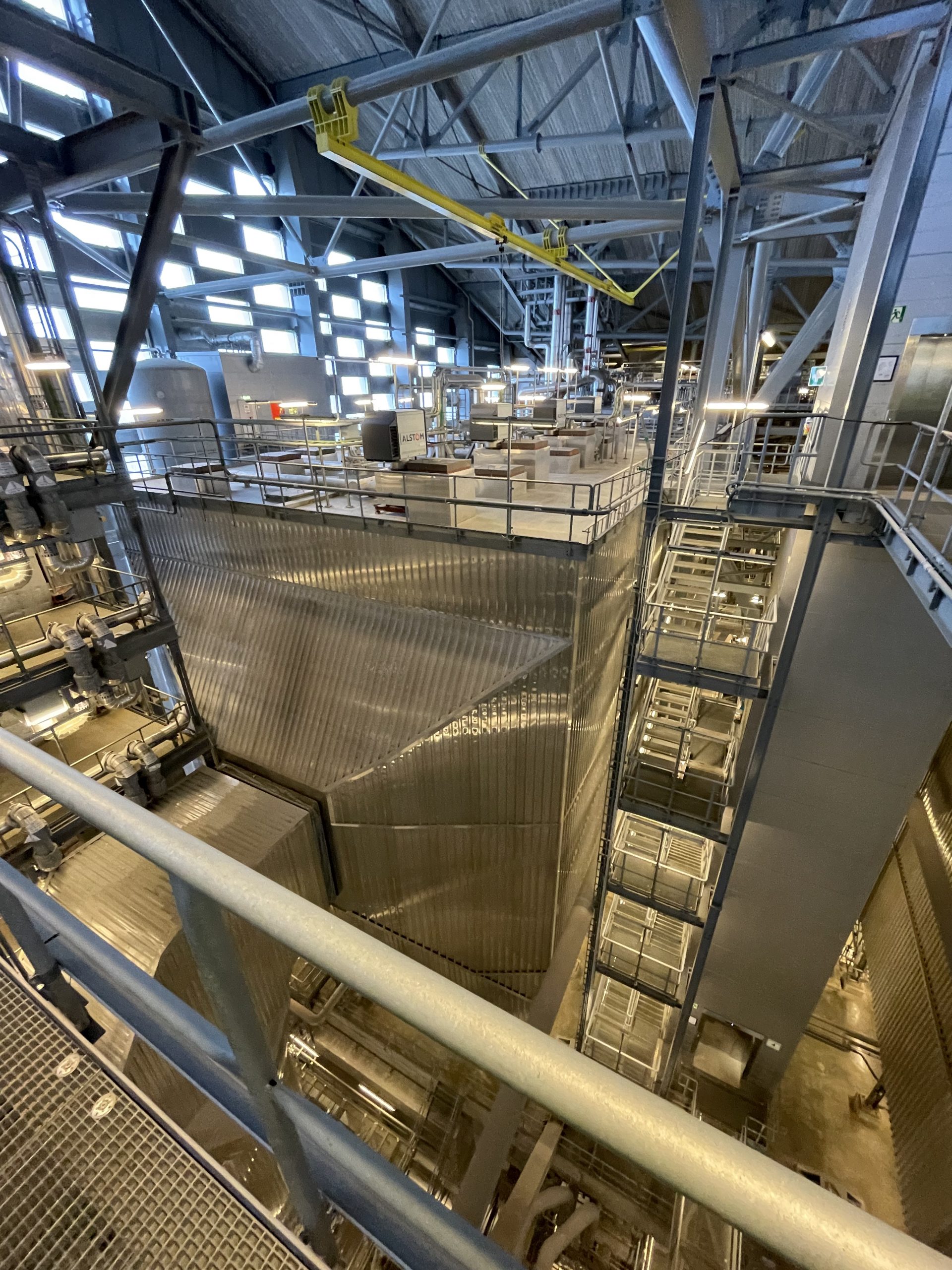
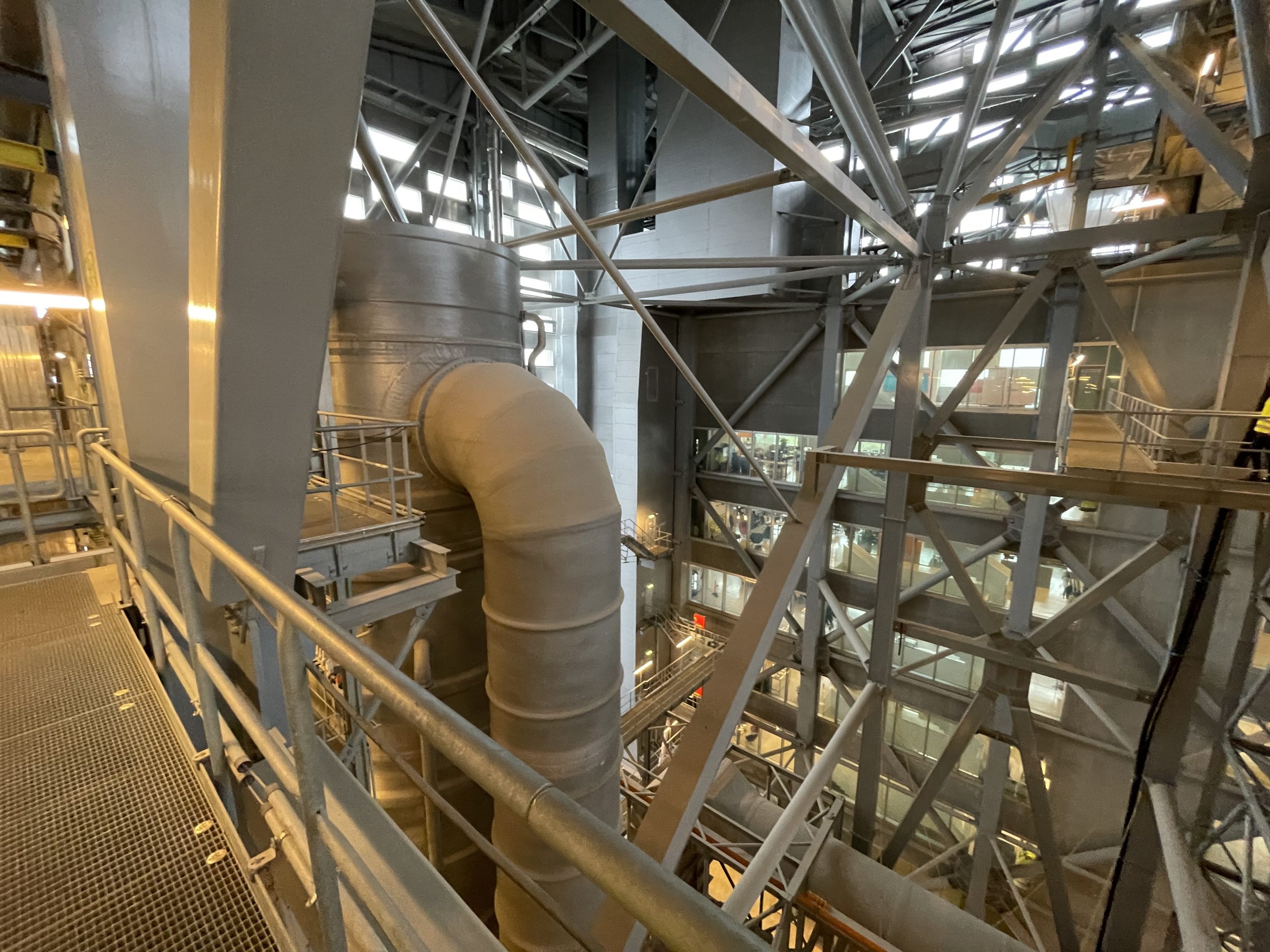
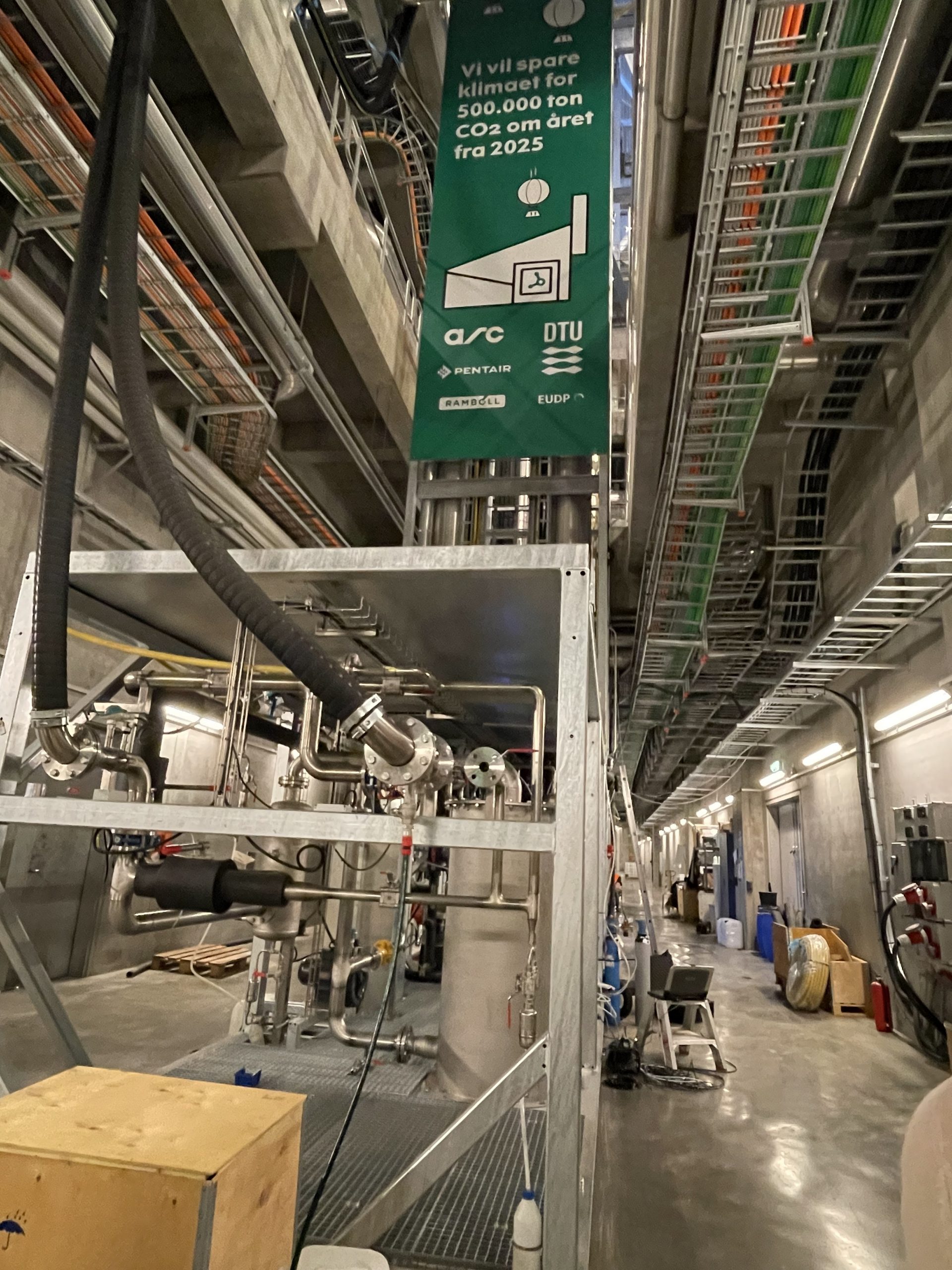
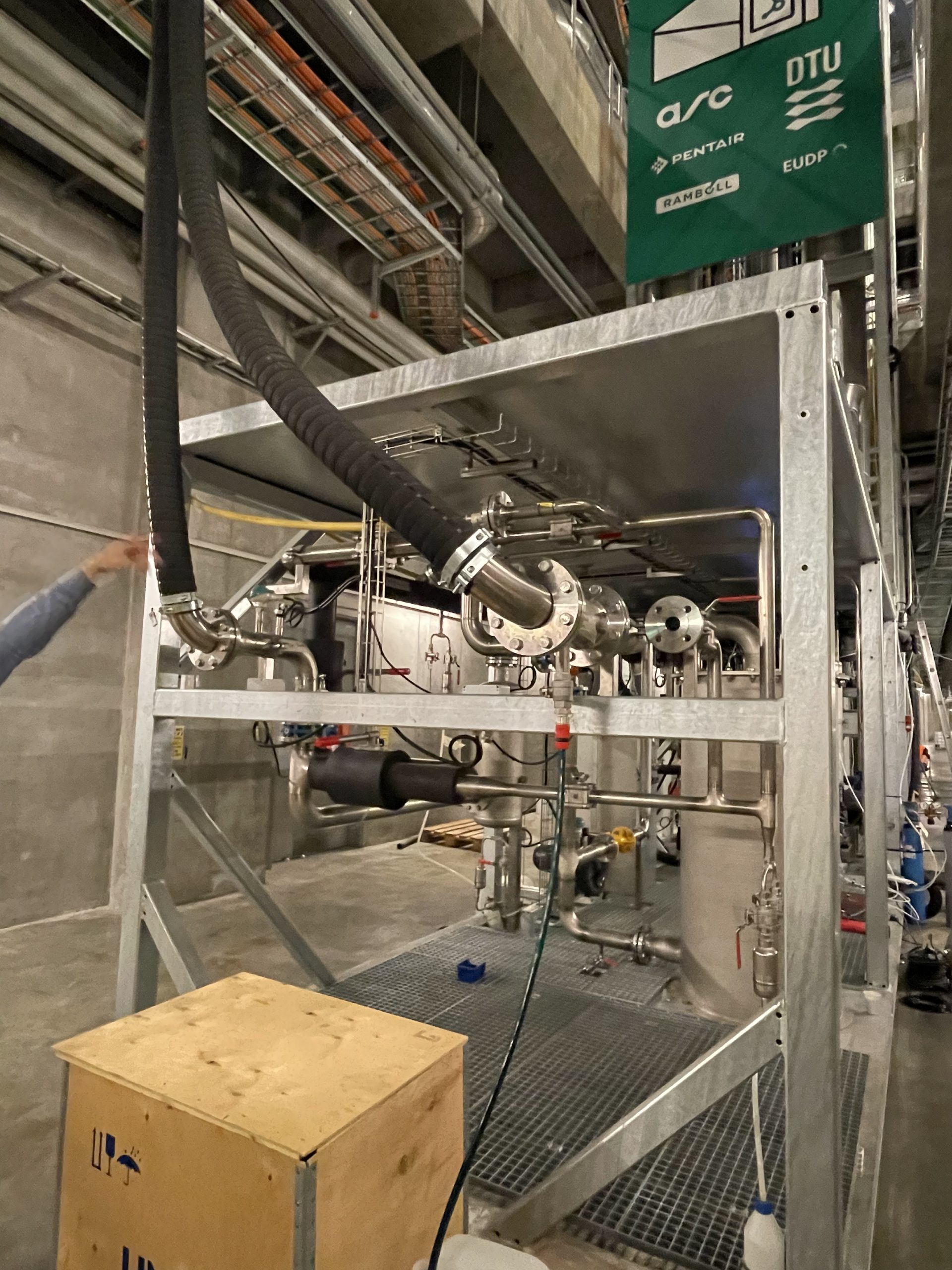
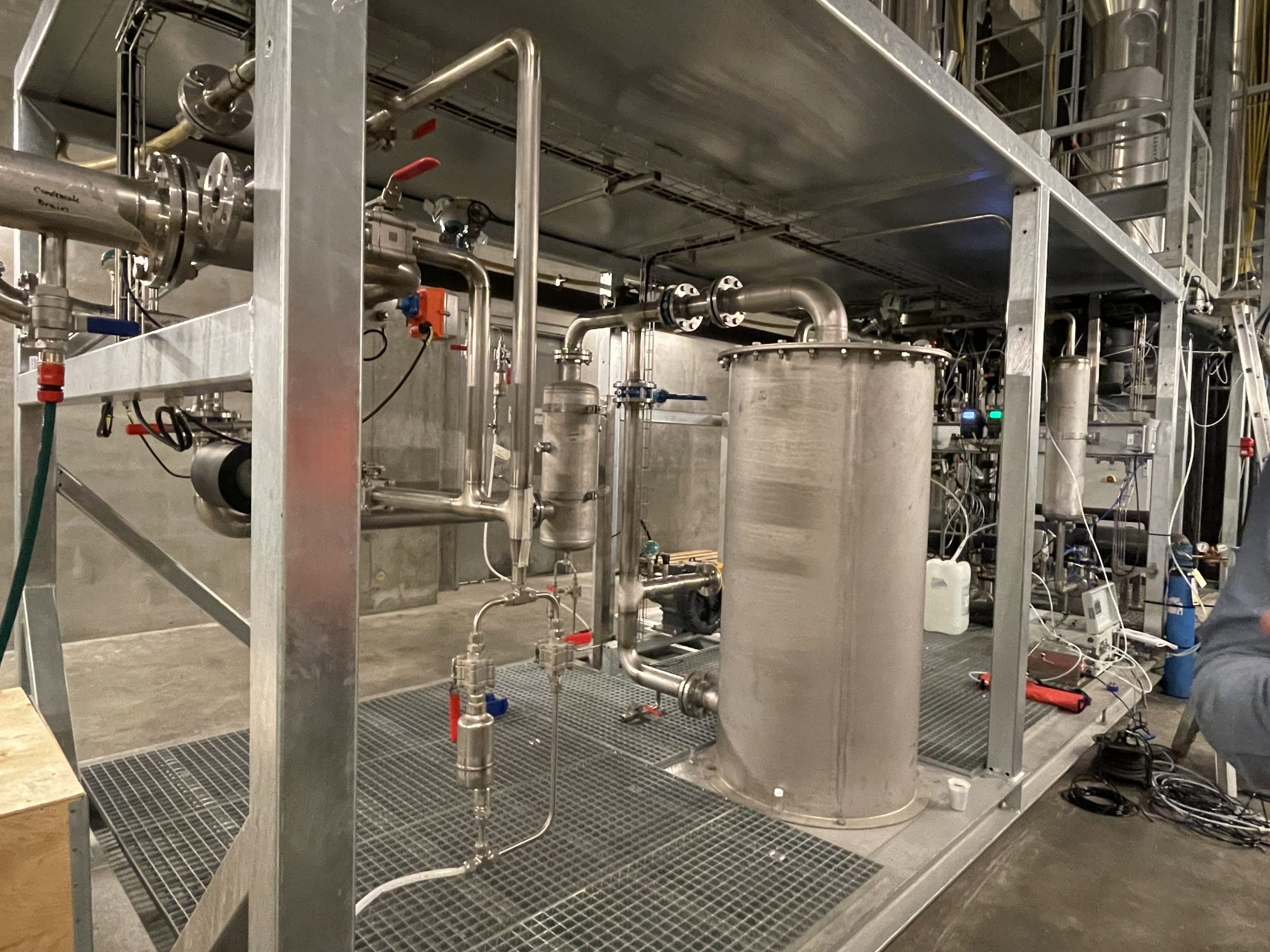
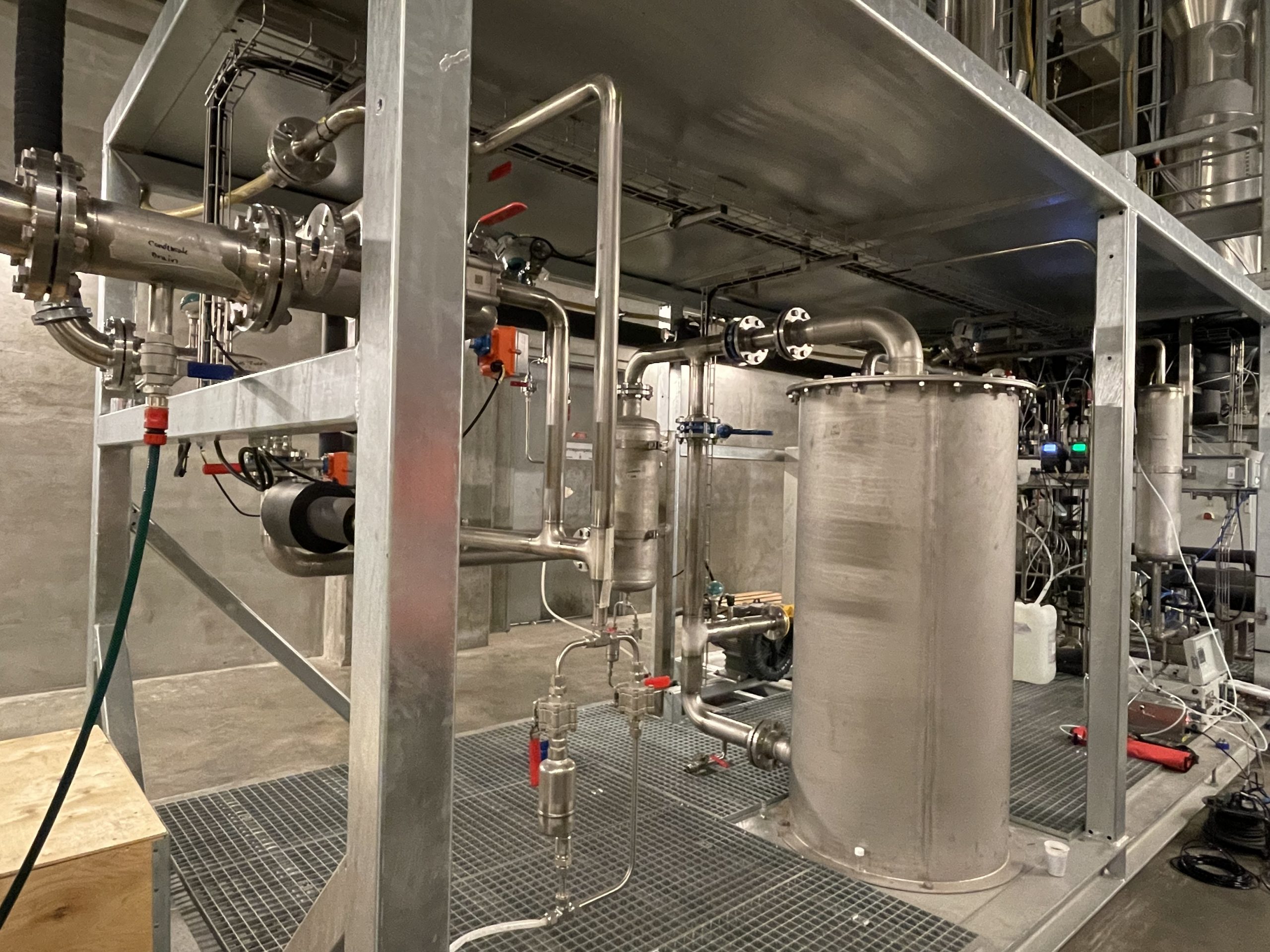
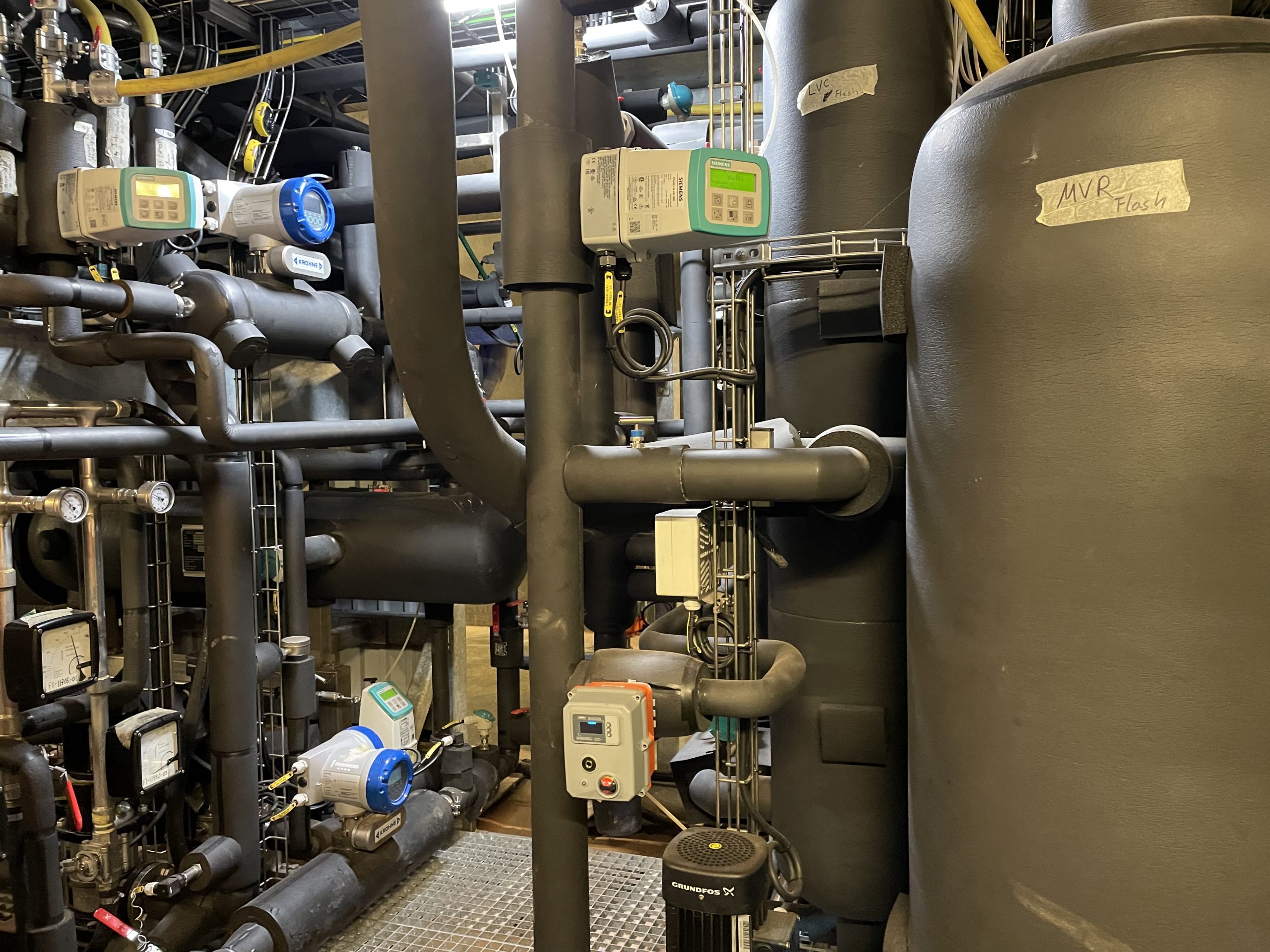
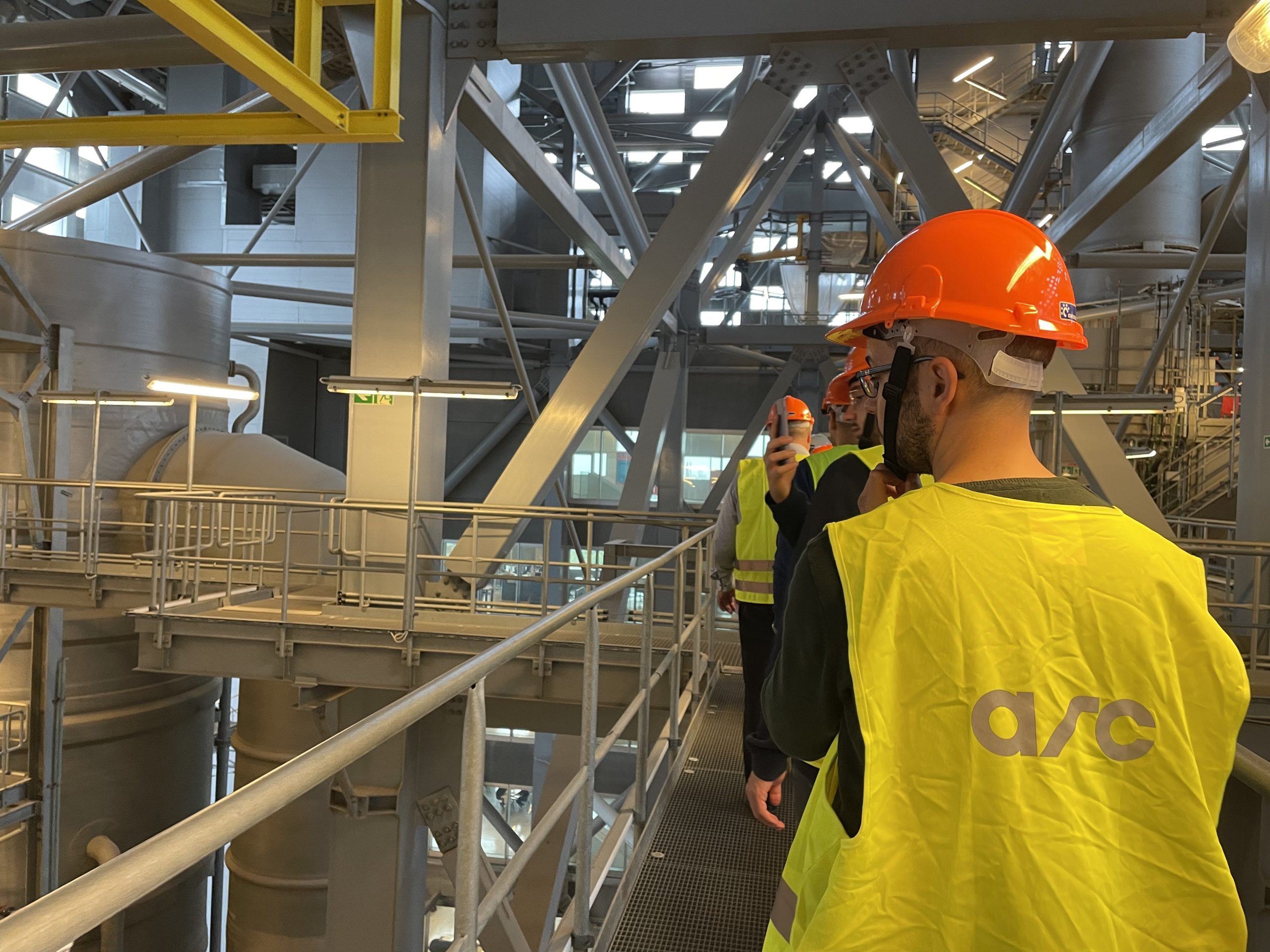
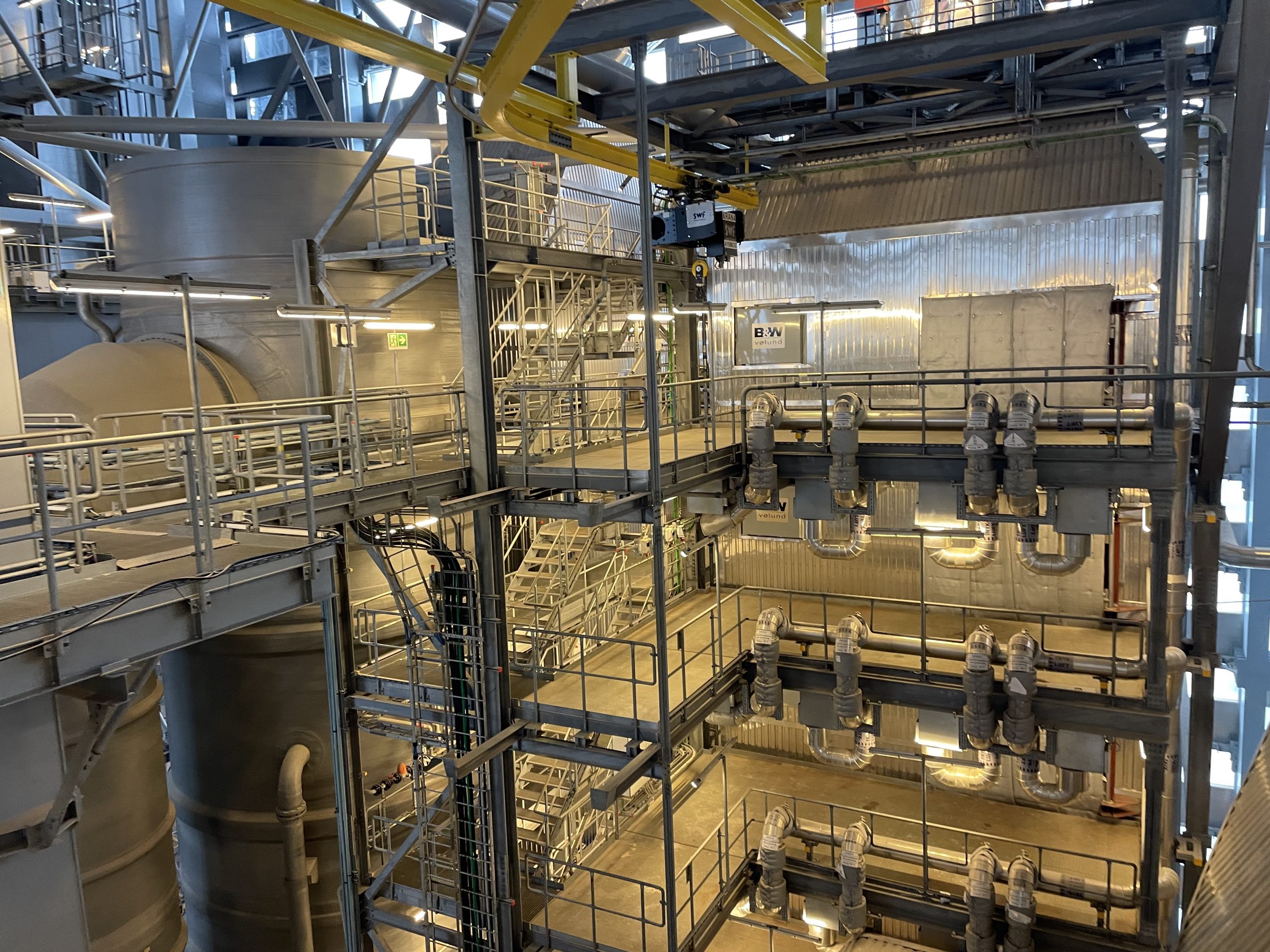
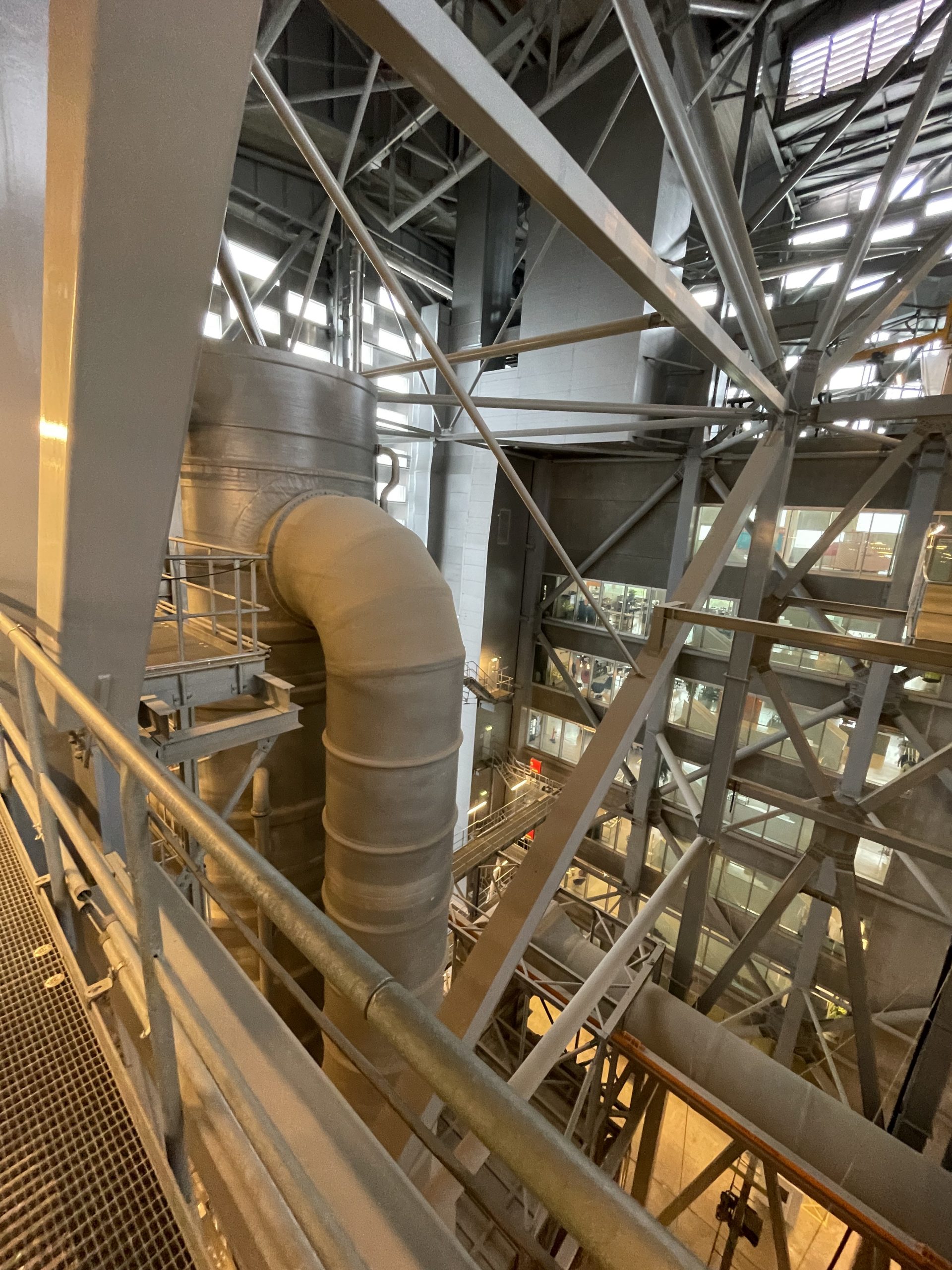
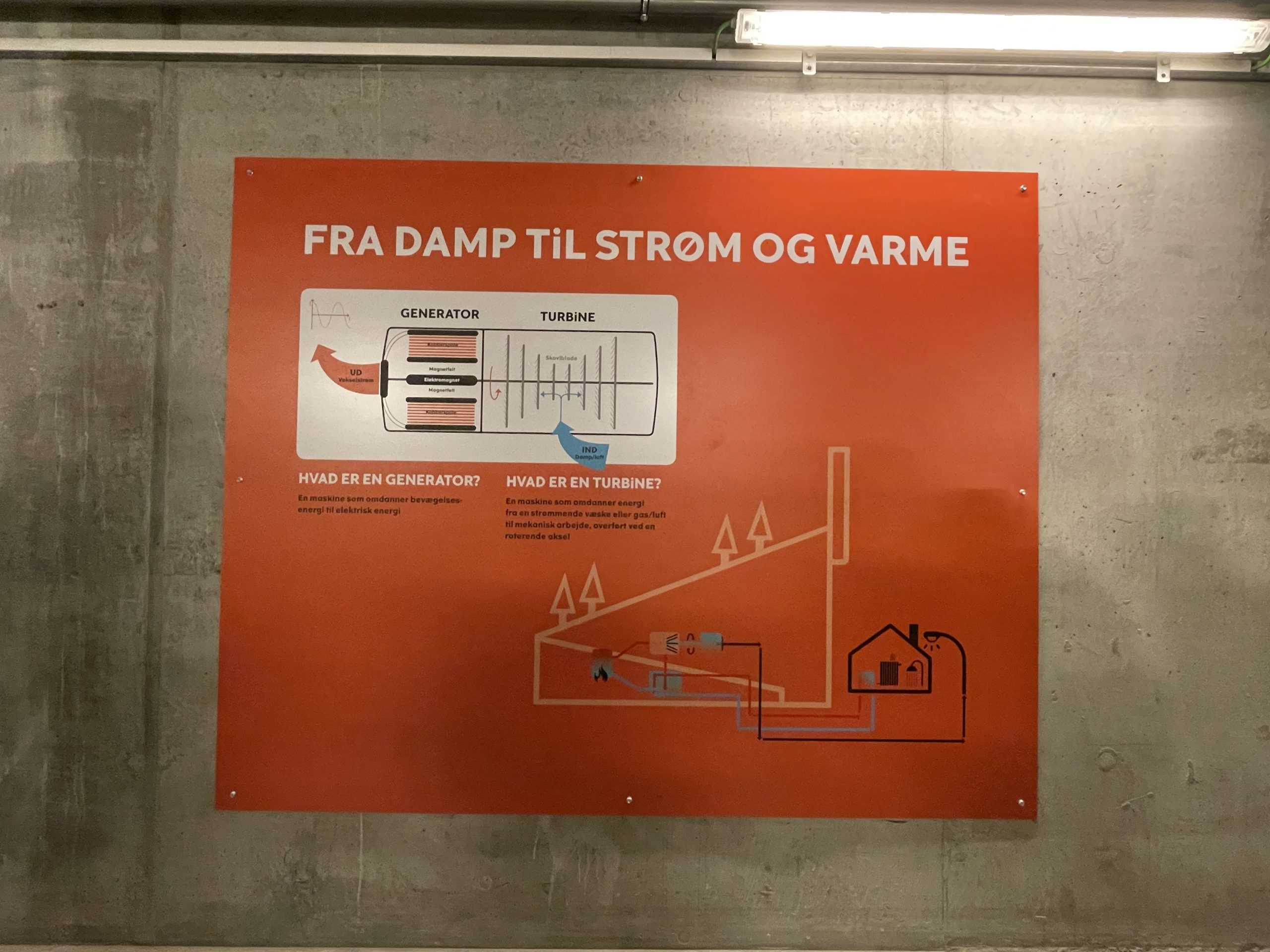
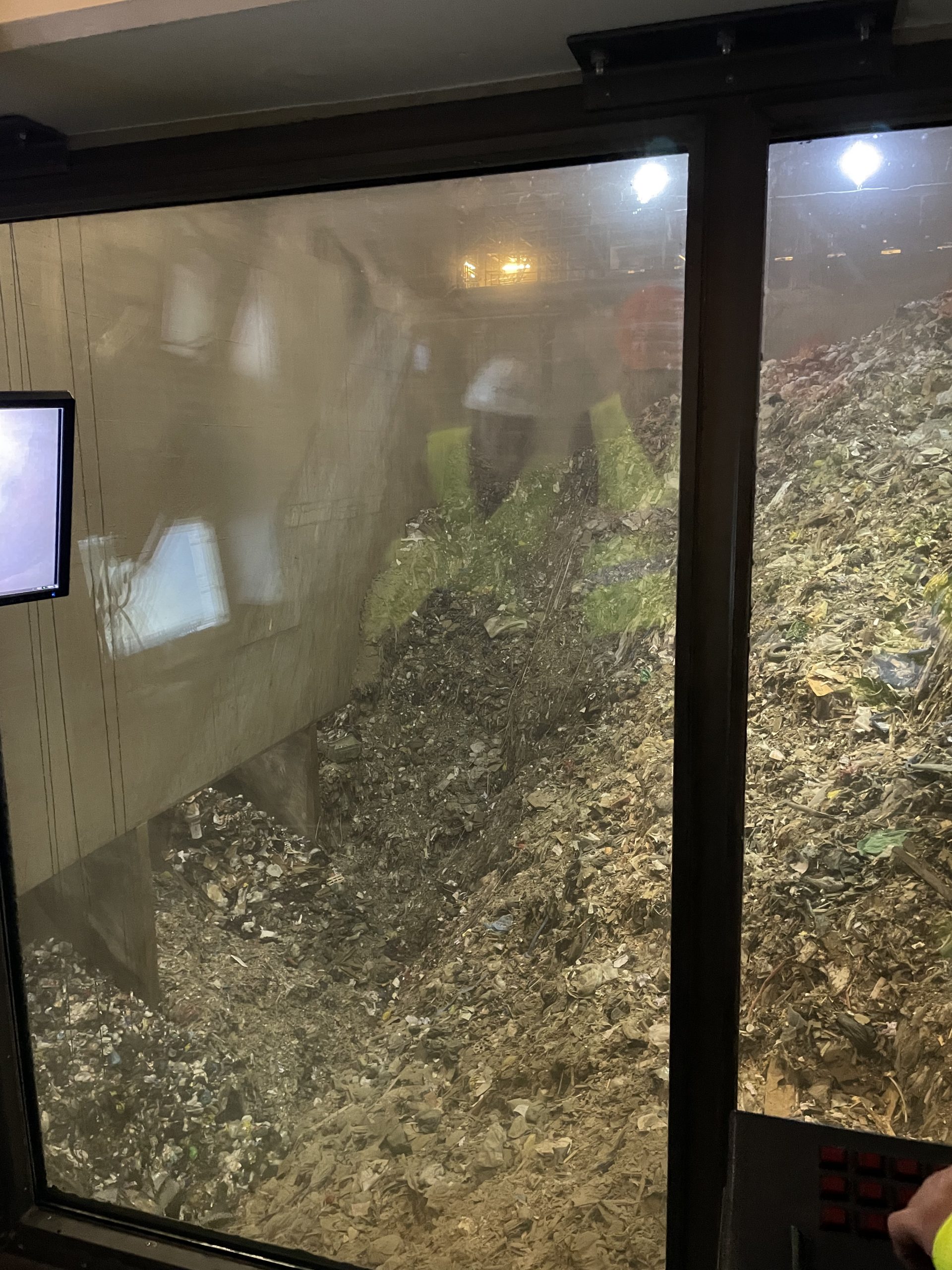
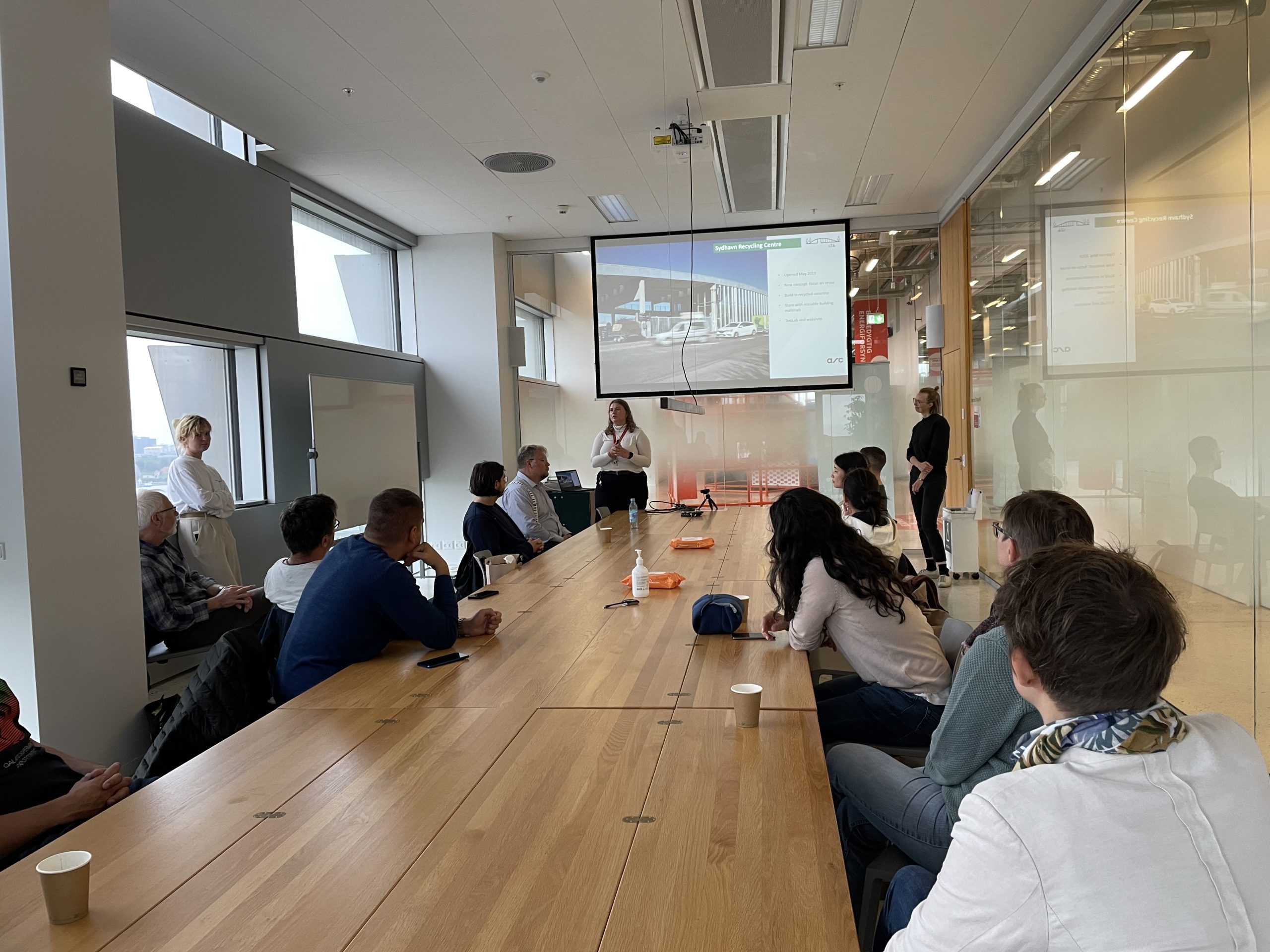
Technical tour to ARC – Waste-to-energy plant








Videos
Keynote speakers

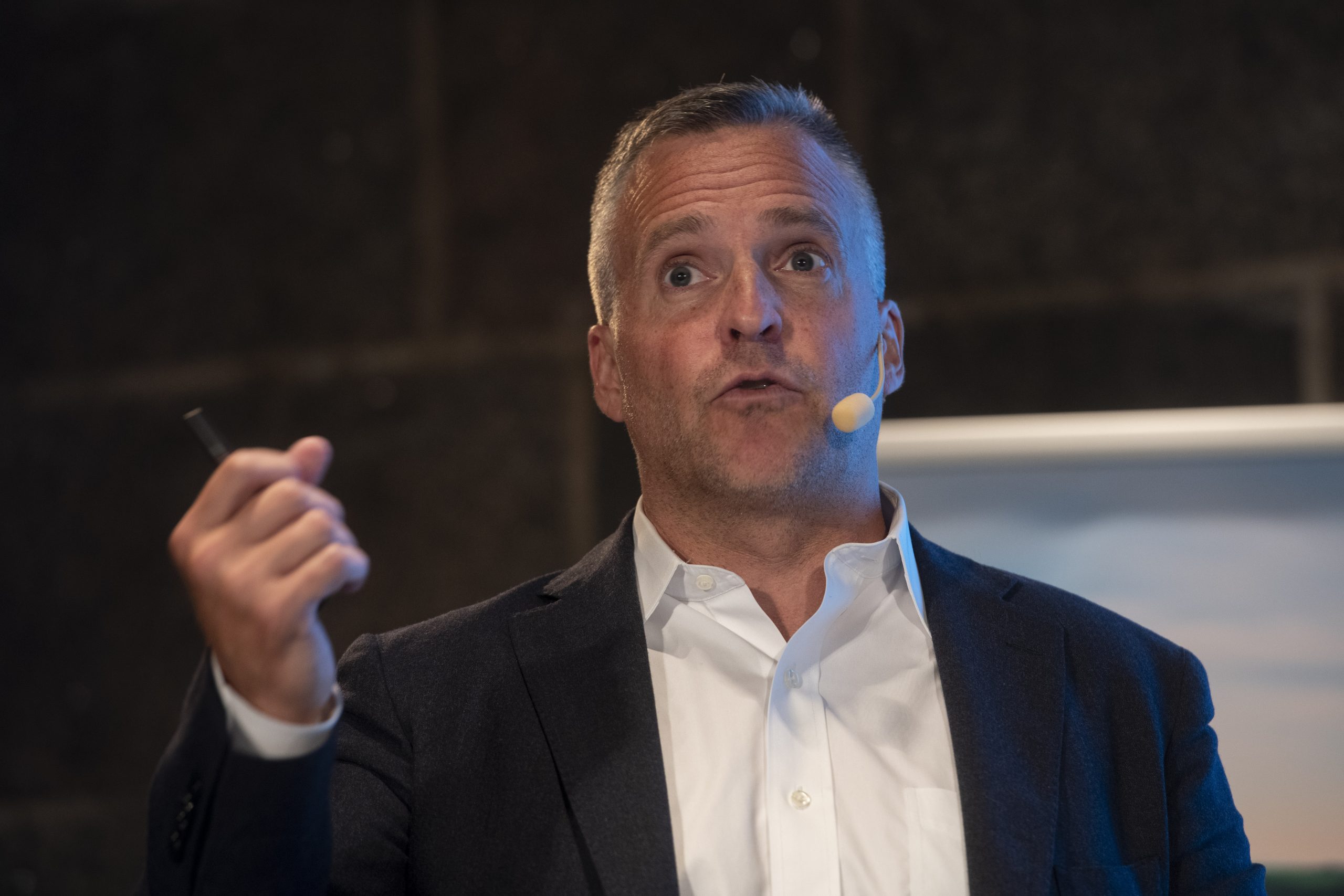
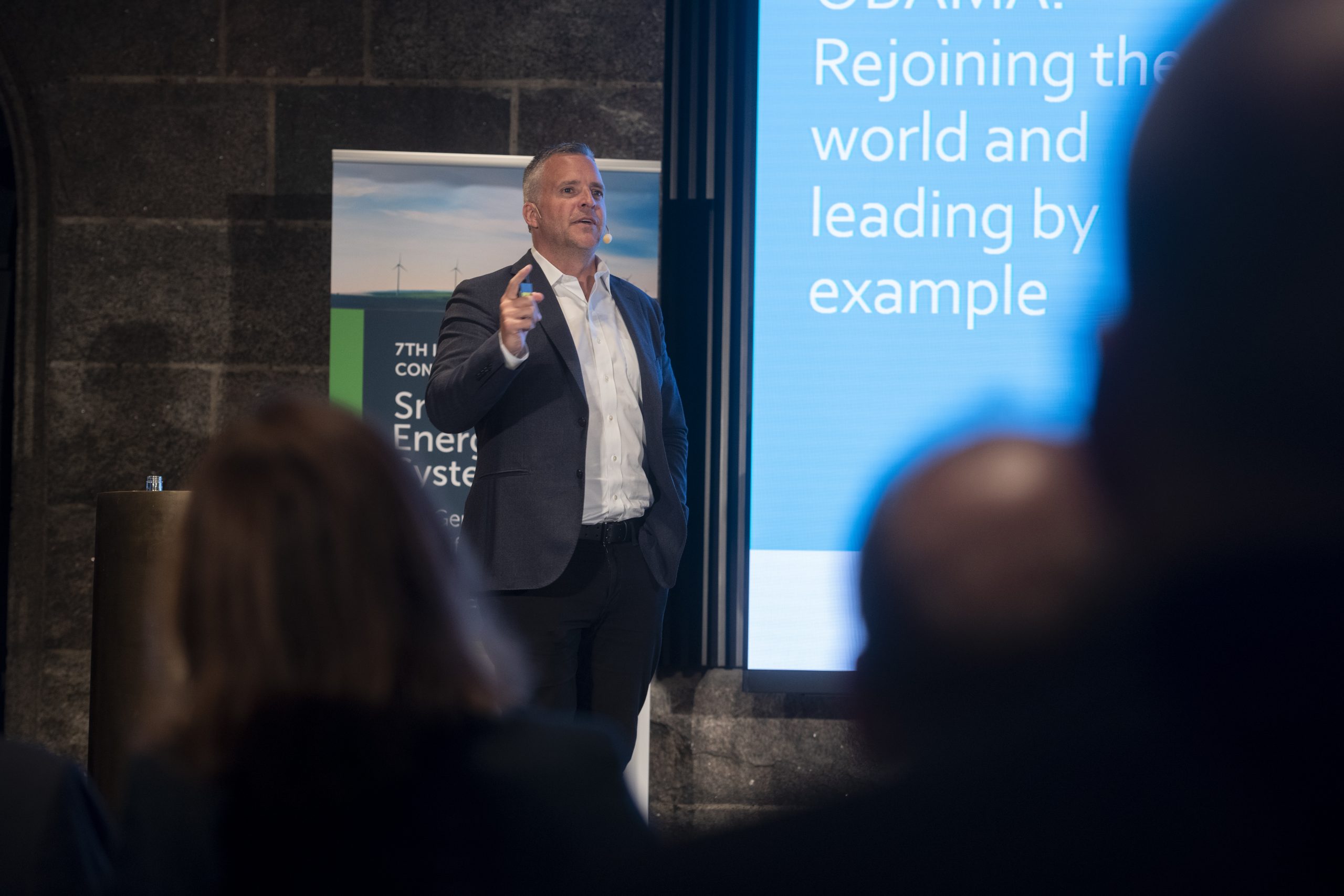
Rufus Gifford gave a speech on The new climate policies under the Biden administration and the global challenges for the Paris Agreement.
Rufus Gifford is a former U.S. Ambassador, senior aide to President Barack Obama and President Joe Biden, civic leader, public speaker, an advocate for Democratic causes and current Nominee for Chief of Protocol for the United States with the rank of Ambassador. Most recently he was Deputy Campaign Manager for Biden for President with a focus on finance, external outreach and coalition building. Gifford was responsible for the record-shattering 1.5 billion dollars raised by the Biden Campaign in the general election. Aside from Presidential politics, he is focused on promoting civic engagement, particularly among youth and issue areas ranging from U.S. public diplomacy to renewable energy. From 2013 to 2017, Rufus served as the U.S. Ambassador to Denmark where he led efforts to address the effects of climate change, build international coalitions, and invest in clean energy. He was awarded the Grand Cross of the Order of the Dannebrog by Her Majesty Queen Margrethe II of Denmark for his meritorious service. His pioneering tenure as Ambassador has been profiled in the Wall Street Journal, the Atlantic, CNN, and Vice News, among many other national and international outlets, and he has spoken extensively across Europe and the United States about his efforts to break down walls and humanize the work of government. At home, Rufus was the National Finance Director for President Barack Obama’s 2012 re-election campaign, responsible for the record-breaking $1 billion budget. During Obama’s first term, Rufus was the National Finance Director at the Democratic National Committee and supported passage of a number of Obama policy initiatives. Before that, he was an aide on Obama’s historic 2008 presidential campaign. is former U.S. ambassador to Denmark and nominee for Chief of Protocol at the U.S. State Department.
See abstract of speech.
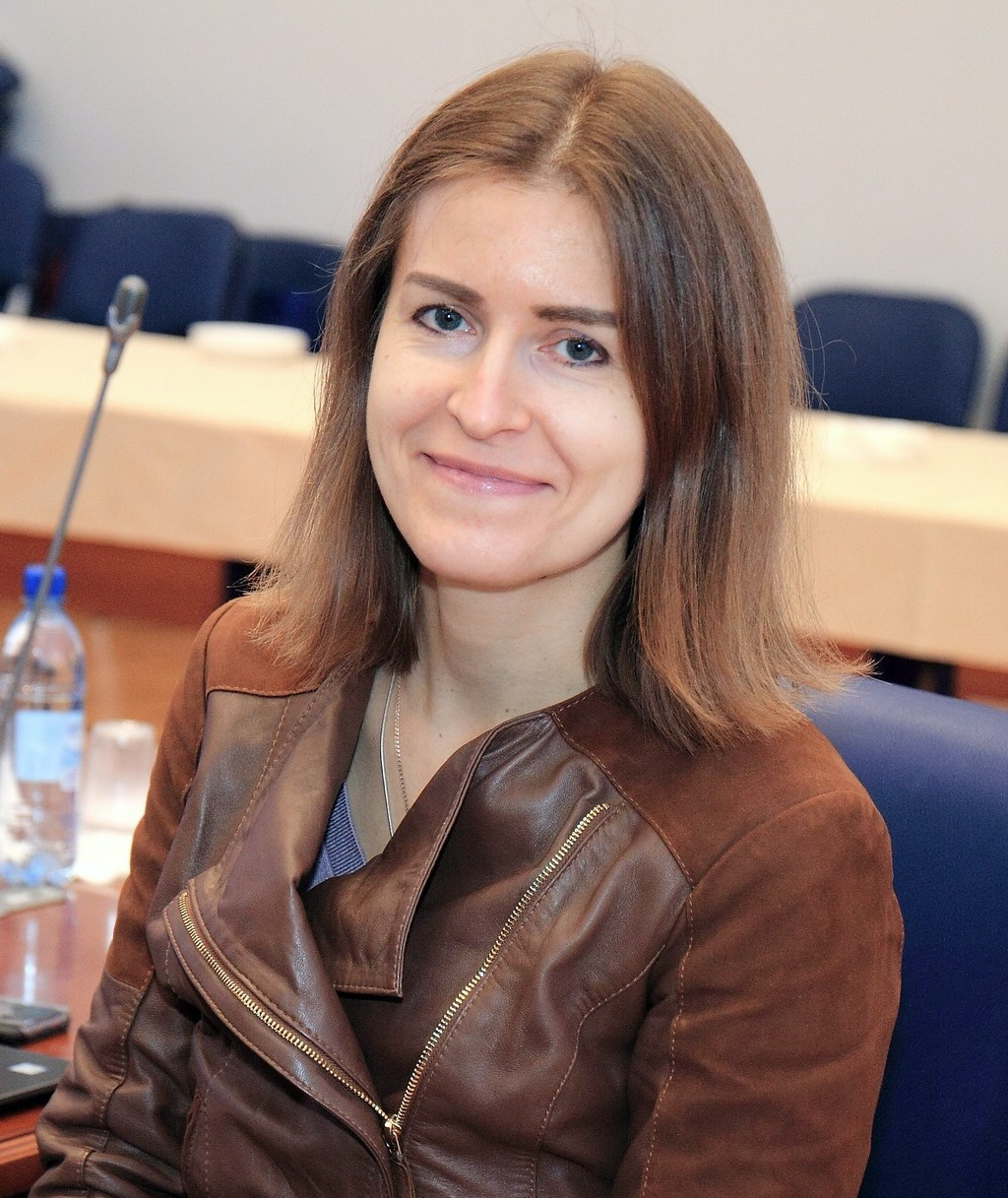
Liliana N. Proskuryakova gave a speech on The future of renewable energy and a renewable energy system in Russia.
Liliana N. Proskuryakova is Deputy Head and Leading Researcher at the Science and Technology Studies Lab of the National Research University Higher School of Economics (HSE, Russia). At HSE, Dr Proskuryakova specializes in energy studies, science and technology policy and international cooperation in research and innovation. She also lectures at the MA programme ‘Governance of Science, Technology and Innovation’. She holds an MA degree in International Relations and a PhD in Political Science. Previously, she worked as the Head of Governance Unit at the UNDP Moscow Office and think-tanks. She also served as a member of the Seoul Institute of Technology (SIT) International Advisory Board (2020-2021), BRICS Russia Expert Council (2020), Research Committee of the Russian National Committee of the World Energy Council, other expert bodies and foundations.
See abstract of speech.
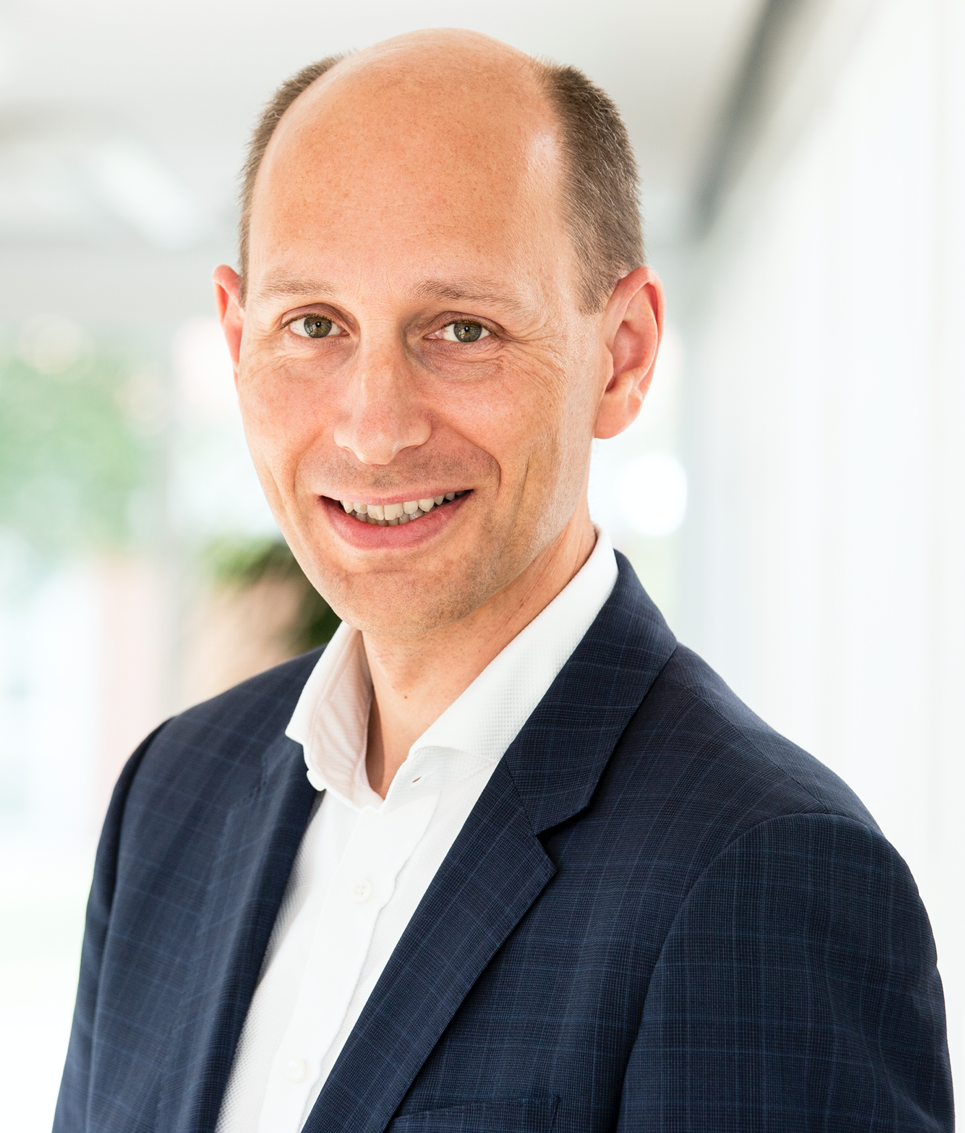
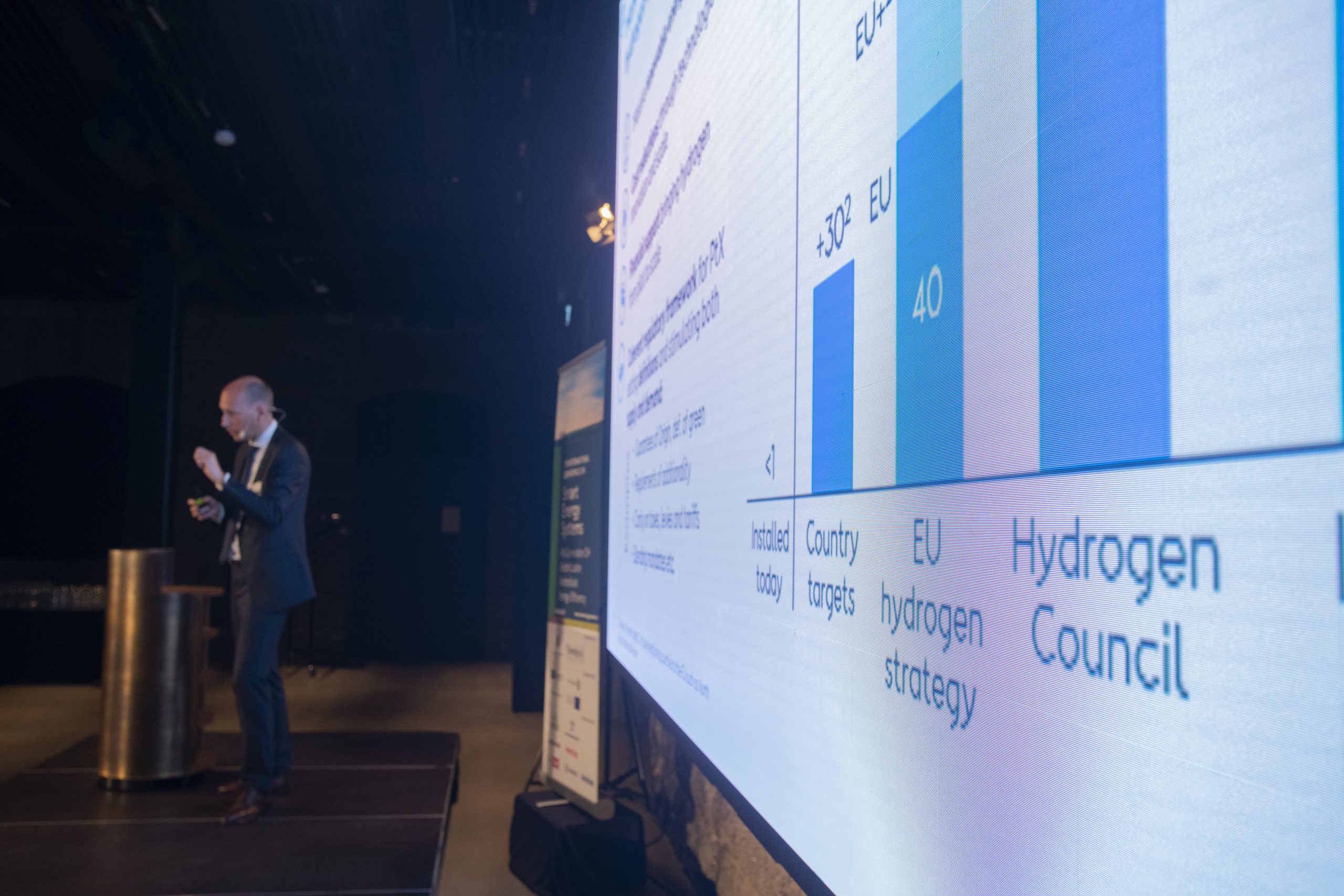
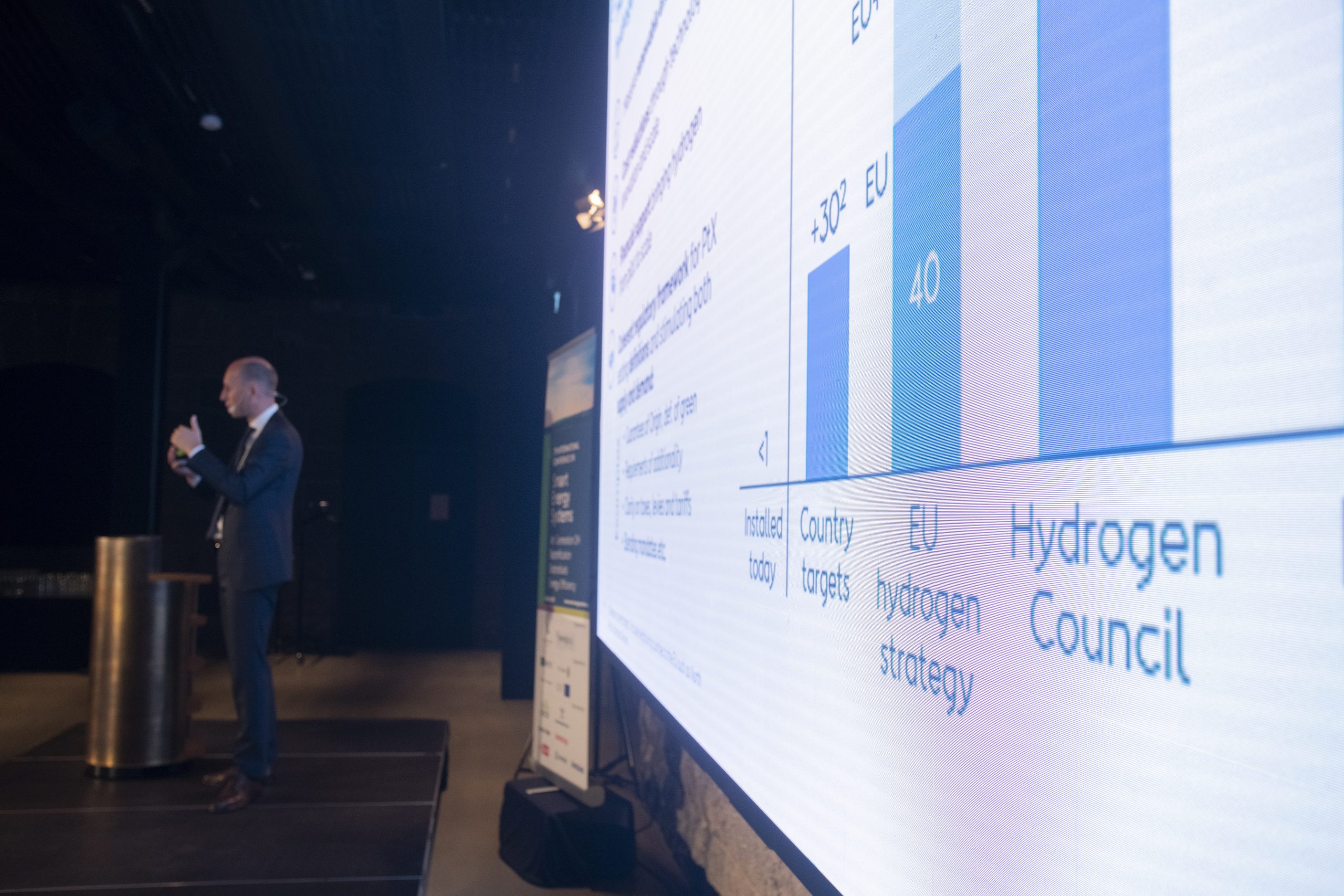
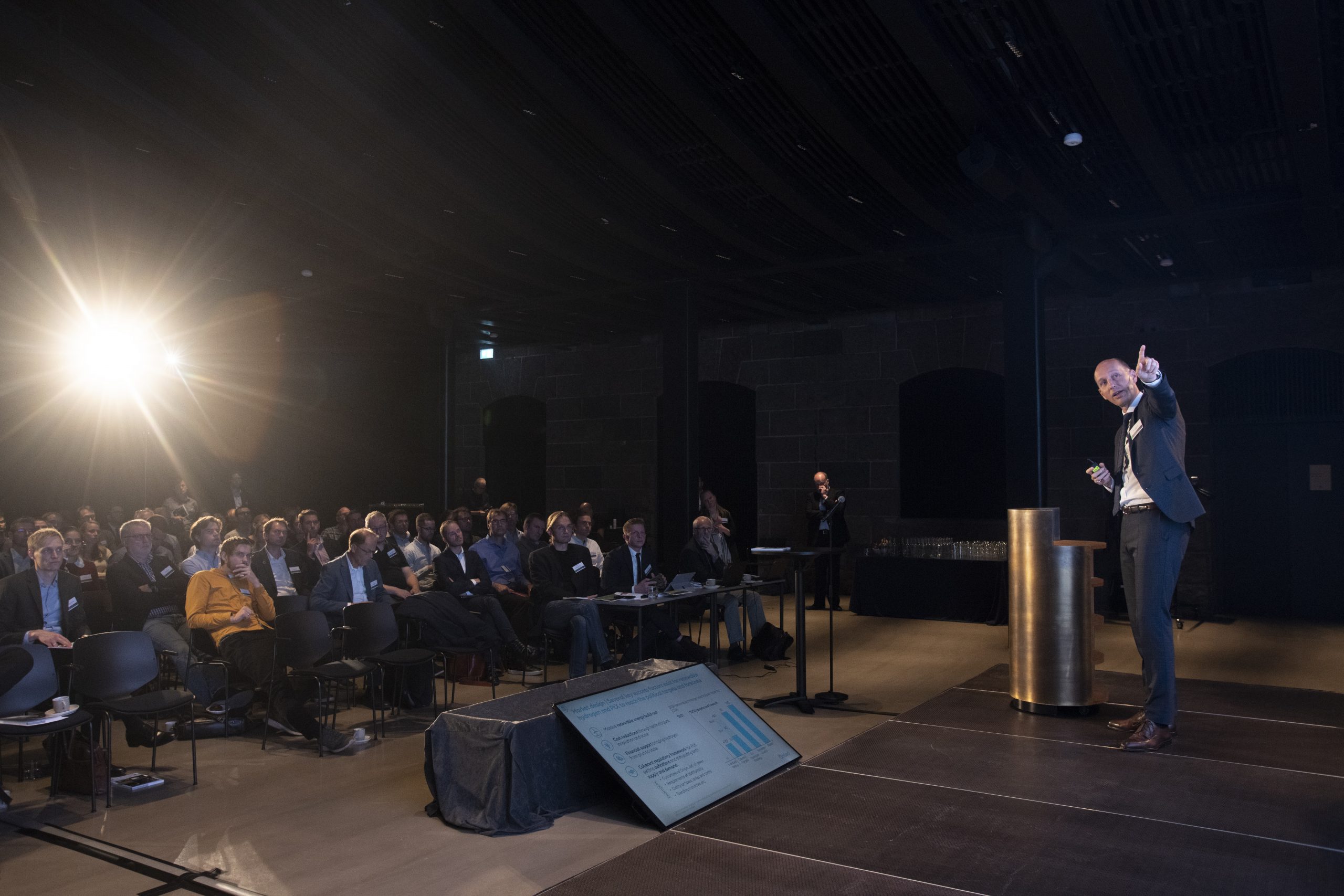
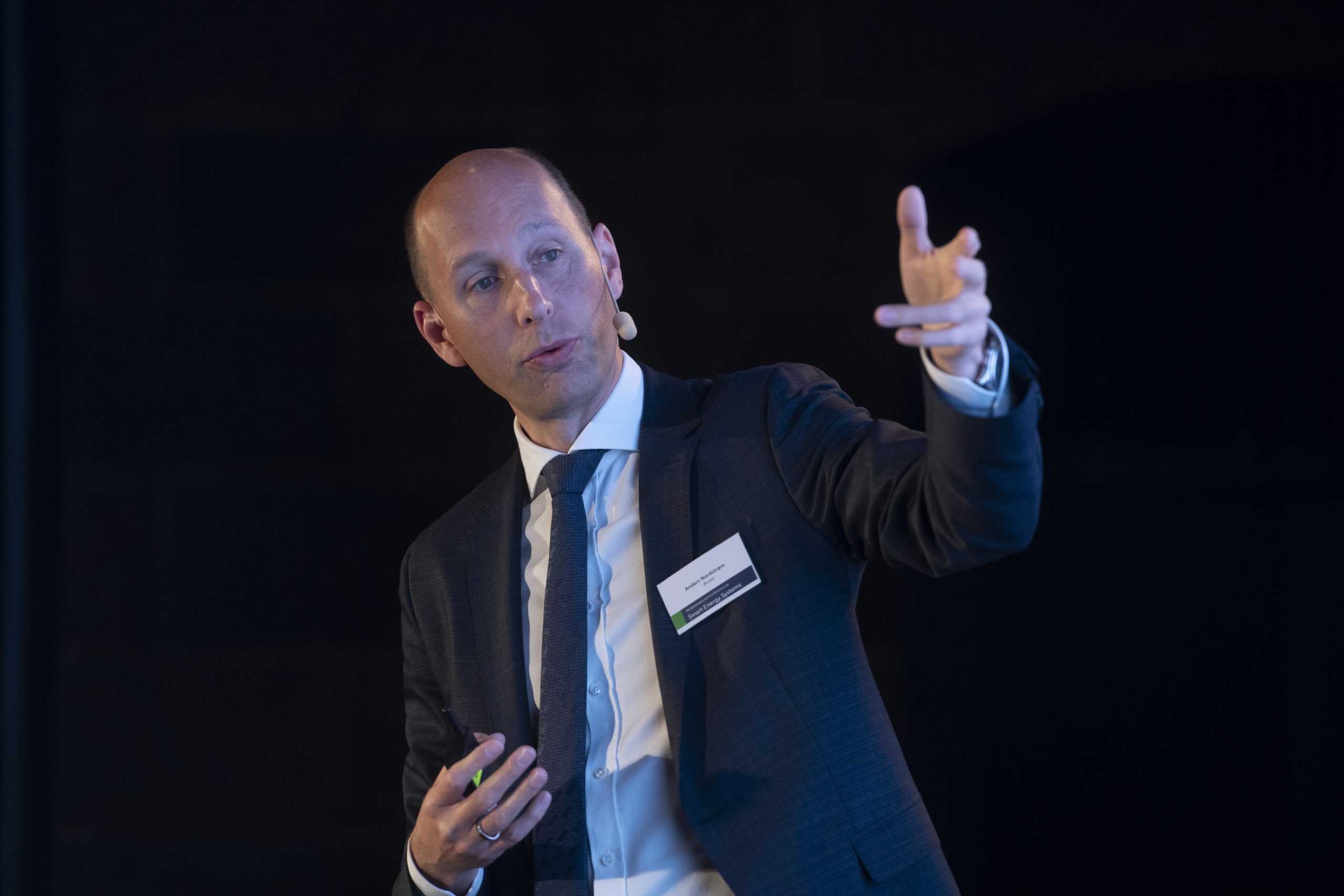
Anders Christian Nordstrøm gave a speech on P2X.
Anders Christian Nordstrøm is Vice President of Hydrogen and oversees all hydrogen and P2X activities at Ørsted. He is a member of the Ørsted’s Commercial Executive Committee and joined Ørsted in 2006. Anders Christian Nordstrøm has been involved in the transformation of Ørsted from one of the most coal intensive utilities in Europe to a global leader in green energy. He started working with CO2 strategy and CCS projects followed by various management positions related to the conversion of Ørsted’s combined heat and power stations from coal to sustainable biomass and the turn-around of the business unit. In 2021, Ørsted was, for the third consecutive year, named the most sustainable energy company in the world.
See abstract of speech.
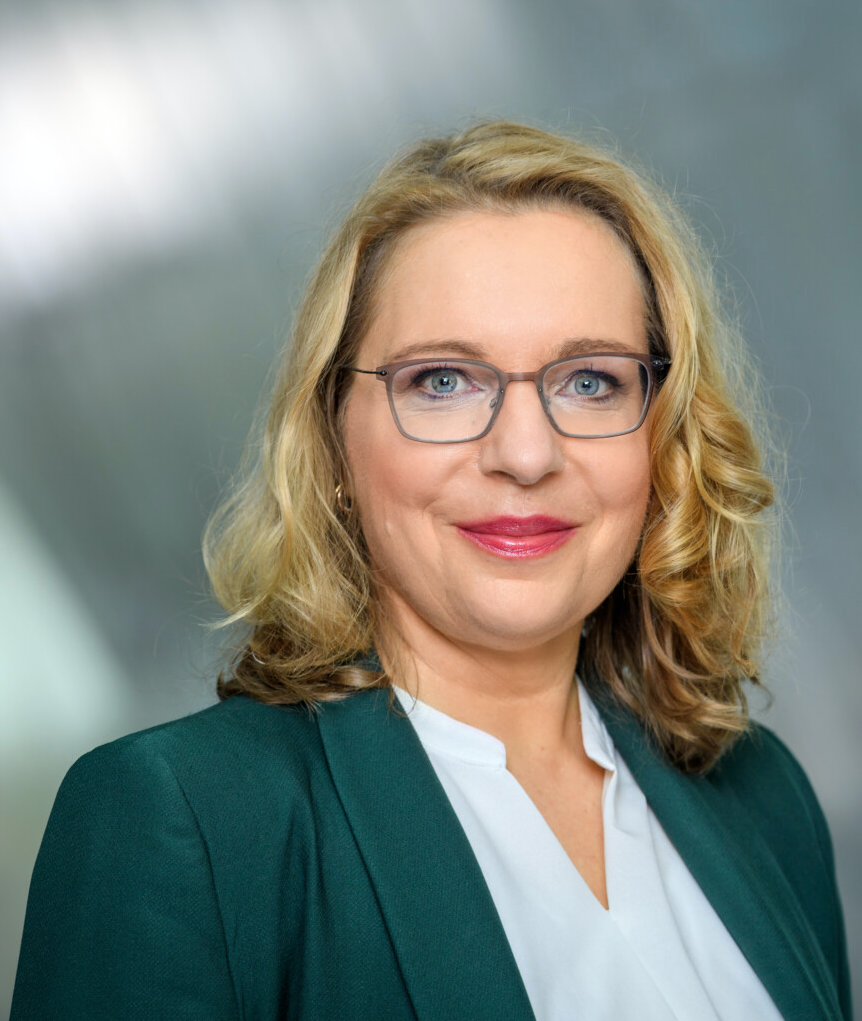
Claudia Kemfert gave a speech on Corona crisis: Chance for decentralized energy system transformation with full supply from renewable energies.
Claudia Kemfert is head of the Department of Energy, Transportation and Environment at the German Institute for Economic Research in Berlin (DIW Berlin) and Professor of Energy Economics and Energy Policy at Leuphana University. Her research focuses on the economic assessment of climate and energy policy strategies. As reviewer and policy consultant, Claudia Kemfert is a member of numerous sustainability advisory boards and commissions, among others, the German Council on the Environment. In the High Level Group on Energy and Climate, she advised EU President José Manuel Barroso and act in diverse scientific advisory boards. Claudia Kemfert is also a member of several juries as the German Sustainability Prize as well as the German Environment Prize. In 2006, she was awarded the high level prize as one of the top eleven young scientists in Germany by the Deutsche Forschungsgemeinschaft (DFG, German Science Foundation), the Helmholtz- and the Leibniz-Foundation. In 2011, she was awarded by the Urania Medaille as well as the B.A.U.M. environmental award for best public science; in 2016, followed the Adam Smith Award for a social-ecological economy as well as the German Solar Award.
See abstract of speech.
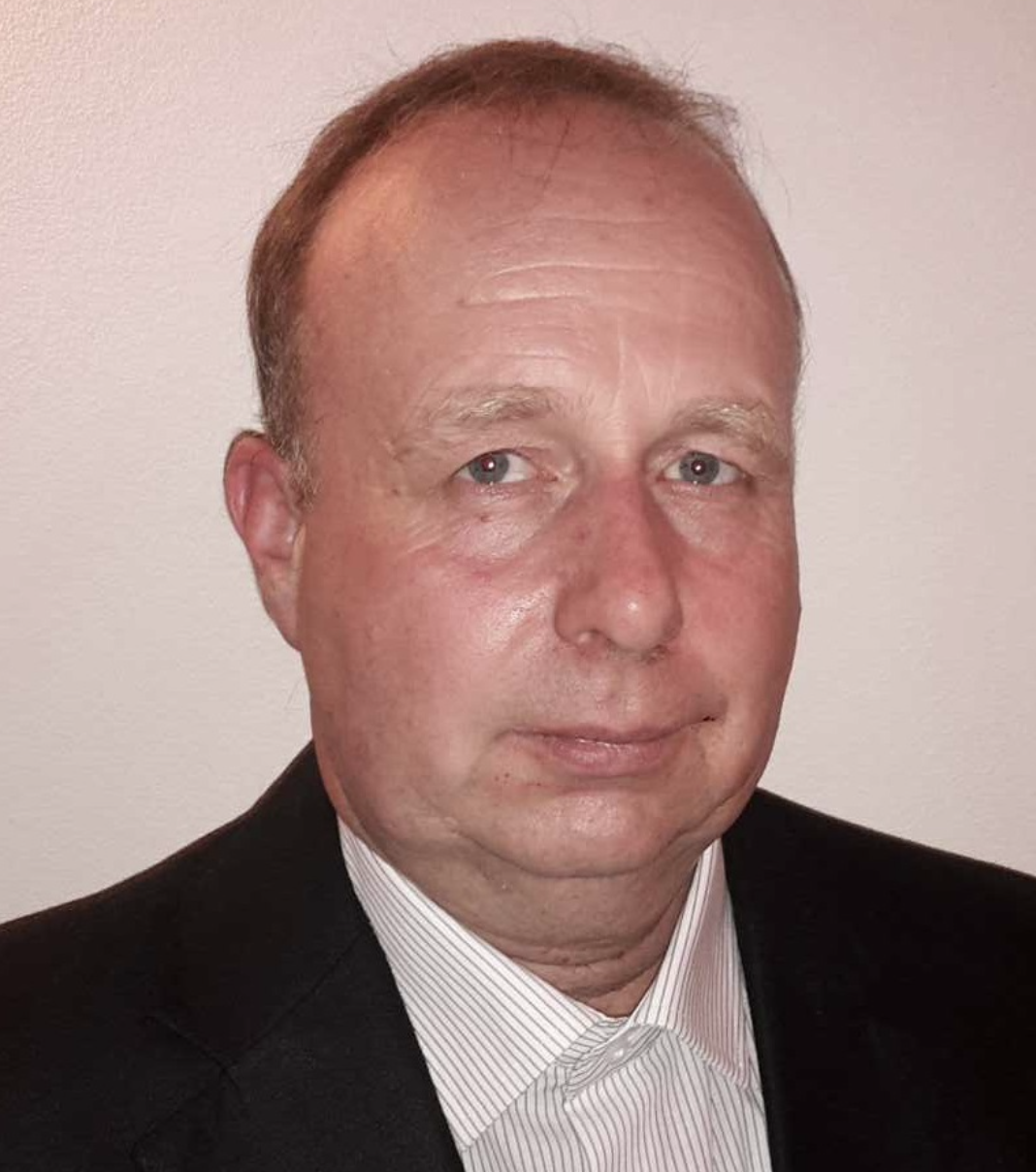
Poul Skjærbæk gave a speech on Unlocking the Green Hydrogen revolution at the sea
Poul Skjærbæk is as the Chief Innovation Officer within Siemens Gamesa Renewable Energy dedicated to bring down the cost of wind energy through radical innovations. After working more than 23 years in R&D and technology within the wind business Poul has got a profound understanding of bringing new technologies to market and create value for the customers. Today Poul serves primarily as the Chief Innovation Officer of the Siemens Gamesa Service business unit. Lately he has in addition taken on the role as the technical lead of the green hydrogen efforts within SGRE to accelerate the company’s engagement in the energy transition. Poul holds a Ph.D. in Structural Dynamics from Aalborg University and a Graduate Diploma in Business Administration from Aarhus University. Further Poul served as Visiting Research Fellow at Princeton University as a part of his studies.
See abstract of speech.
Presentations
Professor Henrik Lund: Opening speech
Claudia Kemfert: Corona crisis: Chance for decentralized energy system transformation with full supply from renewable energies
Anders Nordstrøm: PTX potential for 2050 net zero
Poul Skjærbæk: Unlocking the Green Hydrogen revolution at the sea
Liliana Proskuryakova: The future of renewable energy and renewable energy systems in Russia
Rufus Gifford: The new climate policies under the Biden Administration and the global challenges for the Paris Agreement
Henrik Lund and CEO Glenda Napier: Closing speech
Lorenzo Cassetti: Realization and energy assessment algorithm of a Horizontal Packed Bed Regenerator for Thermal Energy Storage
Mostafa Fallahnejad: District heating distribution grid costs: comparison of two approaches
Tao Feng: Companies’ acceptance of innovative energy facility: Results of a simultaneous equation approach
Kirstin Ganz: How can energy system modeling electricity prices be adjusted to reflect real price spreads for flexible assets in the future?
Regina Hemm: Optimization of the bidding strategy of a virtual power plant by participating in short-term, balancing- and redispatch markets
Jin Hur: A practical metric to evaluate the ramp events of wind generating resources to enhance the security of Smart Energy Systems
Thanh Huynh: Local Energy Markets for Thermal-Electric Energy Systems considering energy carrier dependency and energy storages
Jiao Jiao: Text Mining based Identification of Emerging Technologies and Business Models for Smart Energy Systems
Nicola Kleppmann/Benedikt Hartung: ML4Heat – Tools for the optimized operation of existing district heating networks based on machine learning methods
Kevin Knosala: Generic Input Generation for Residential District Energy System Models from Open Data for Germany
Lukas Kranzl: The economic potential of district heating under climate neutrality: the case of Austria
Jacopo de Maigret: multi-objective optimization approach in defining the decarbonisation strategy of a refinery
Marko Mimica: A stochastic model for smart energy systems analysis
Adrian Ostermann: Forecasting charging station occupancy using supervised learning algorithms
Martin Lindgaard Pedersen: Digital tools for refurbishment planning based on facts and choice of pipe system based on Total Cost of Ownership and CO2 emission
Tim Pedersen: Modeling all alternative solutions for highly renewable energy systems
Matteo Giacomo Prina: Bottom-up method to derive Cost curves for heat savings in buildings for all European countries
Callum Rae: What can past examples teach us about the rollout and scale-up of smart energy systems?
Morten Karstoft Rasmussen: Connecting the DH value chain with smart meter data
Dmitry Romanov/Johannes Pelda: District heating systems modelling: A gamification approach
Costanza Saletti: A hierarchical control algorithm with yearly and daily horizons for optimally managing district energy systems
Salman Siddiqui: District heating and the GB electricity system in a zero-emission scenario
Goran Stunjek: Analysis of hydropower impact in water energy nexus for smart energy systems
Anna Vannahme:General Optimization Guideline for District Heating Networks and its exemplary Application
Volodymyr Voloshchuk: Exergy-based performance degradation diagnosis for use in digital twins of thermal systems
David Barns: Enabling geoexchange in cities: success factors from UK examples
Morten Vang Bobach: Multi-purpose Pit Thermal Energy Storage in Combination with Heat Pumps
Charles Hansen: Reducing carbon emissions through low temperature district heating zones
Pietro Lubello: Assessment of hydrogen based long- term electrical energy storage in residential energy systems
Andrew Lyden: Seasonal thermal energy storage in smart energy systems to provide flexibility services
Erika Dal Monte: Thermal Storage Integration in a Smart Thermal Grid
Michael Reisenbichler: Methodology development for accelerated generation of thermal energy storage models for transient system simulations: Towards more efficient modeling and simulation of large-scale hot-water underground pit and tank TES
Thomas Riegler: Novel cover design with usable surface for large-scale pit thermal energy storages
Jesper Tange: Improving efficiency and scaling up Pit Thermal Energy Storages (PTES) with unique lid design
Mads R. Almassalkhi: Characterizing the reactive power capability of wind farm collector networks
Marie-Alix Dupré la Tour: Flexibility enhancement using heat networks within large scale sector coupling studies
Philip Fosbøl: Potential for CCS and CCUS electrification towards reducing impact of climate change
Oddgeir Gudmundsson: The role of hydrogen in the future heat supply system
Anders Bavnhøj Hansen: System scenarios towards climate neutrality by use of smart Energy systems solutions
David Huckebrink: Coupling and comparison of hydrogen technologies with heat-pumps to decarbonise the residential heating sector
Andrei David Korberg: Supply chain effects of the extreme hydrogen society
Mathias Müller: Future grid load with bidirectional electric vehicles
Thomas Natiesta: Testbed to evaluate digital solutions in integrated district heating and electrical grids: First results
Henrik Schwaeppe: Analysing systemic advantages of district heating in an integrated transmission and generation expansion planning model
Lu Shen: Multi-energy cluster partition with CHPs for distributed optimization and control of the integrated energy system
Hammam Soliman: Power-to-X / Electricity-to-Hydrogen – CAPEX & OPEX Vs. Integrated Production
Ralf-Roman Schmidt: Integrated District Heating and Cooling Systems: Overview of the results of the international cooperation project IEA DHC Annex TS3
Peter Sorknæs: Energy system synergies of hybrid energy network technologies
Edmund Widl: Categorization of tools and methods for modeling and simulating hybrid energy systems
Anton Ianakiev: Hybrid Energy Networks – Demo Case studies
Dennis Cronbach: On business models and the regulatory framework of hybrid grids
Sara Ben Amer: How successful is municipal energy planning in Denmark – quantifying the impact
Dagnija Blumberga: Smart Heat Tariffs in transition to free market
Claudia Mădălina Dumitru: Optimizing the development process of a hybrid energy supply system based on renewable sources using the LEAN methodology
Pei Huang: 5th generation district heating and cooling implementation potential in urban areas with existing district heating systems
Tore Friis Gad Kjeld: District Heating in Copenhagen – challenges and perspectives
Britta Kleinertz: Heat Transformation Munich – Analysis and strategy definition for a systemic cost optimal heat supply transformation
Ari Laitala: Understanding the profitability of the energy (efficiency) investments – things to consider before putting billions into game
Hannah Mareike Marczinkowski: Modelling renewable energy islands and their role in energy transitions
David Maya-Drysdale: Achieving carbon neutrality in cities: Lessons from a leader
Matteo Pozzi and Alessandro Capretti: Planning large district heating network developments based on Waste Heat Recovery
Alexandra Purkus: Guarantees of Origin for green district heating: An analysis of legal framework conditions and system design options
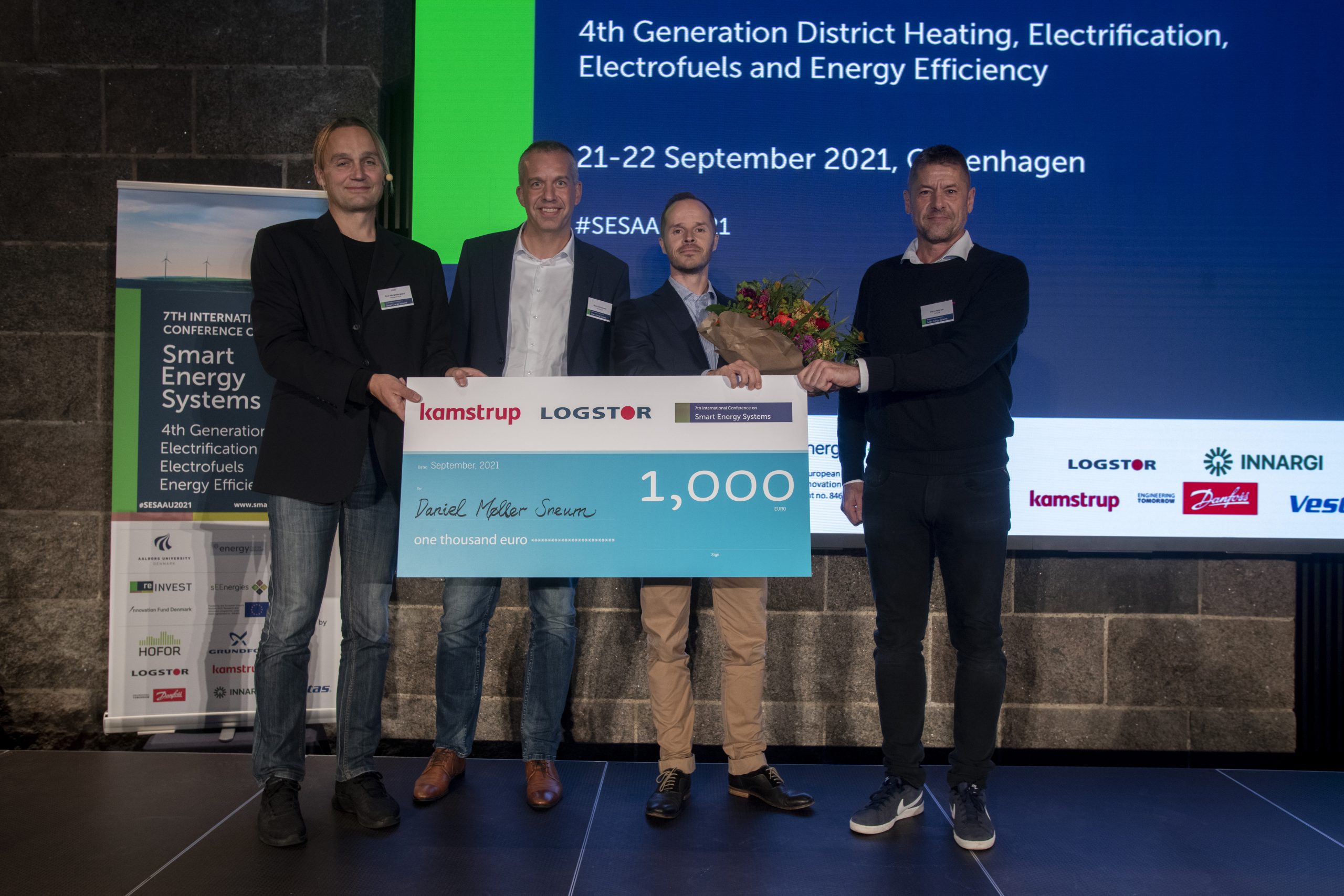
Daniel Møller Sneum: Discounting assumptions in district energy
Vittoria Battaglia: The role of local energy planning in the achievements of regional and national sustainability targets: an Italian case study
Gerald Birngruber:Digital Energy Twins – Optimised Operation and Design of Industrial Energy Systems
Marcus Hummel: How cost efficient is energy efficiency in buildings? A comparison of building shell efficiency & heating system change in the European building stock
Philipp Mascherbauer:: Investigating the demand side flexibility of the building stock
Nikola Matak: Selection of mitigation actions in Smart SECAPs through comparison of individual and joint implementation
Hironao Matsubara: 100% Renewable Energy Scenario in Tokyo metropolitan area with green recovery by 2050
Andreas Müller: How to decarbonize Munich’s district heating production in long -term? Forecasting the space heating demand of Munich
Tobias Reum: Experimental Investigation of a novel Hybrid Heat Pump
Daniel Trier: Large-scale heat pumps for district heating – Lessons learned from real applications
Pierre JC Vogler-Finck: Data-driven operation of building heating to support the energy transition at community level – Learnings from field applications
Felix Agner: Improving robustness to peak load conditions in district heating networks through scalable control coordination subject to network constraints
Jakob Binder: Interconnection and smart control of district heating networks for increased flexibility
Luca Casamassima: A proposed Pathway to future-proof current building stock for upcoming 4th generation district heating in the scope of Positive Energy Districts
Marco Cozzini: Performance measurement and detailed modelling of an existing neutral -temperature district heating network based on decentralized heat pumps
Christian Engel: Green deal impact of DHC networks: how best preforming piping systems make DHC even more attractive
Jonas Gottschald: Data-based multi-criteria operational optimization of district heating supply while reducing balancing energy
Joseph Maria Jebamalai: Design of Two Pipe District Heating and Cooling Networks using Ring and Meshed Network Configuration – A Case Study
Hanne Kauko: Investment analysis of a local energy system with seasonal thermal energy storage
Henrik Lund: Transition to 4th Generation District Heating and Motivation Tariffs
Kristina Lygnerud: Implementation of low temperature district heating
Yannis Merlet:Formulation and assessment of multi-objective sizing: application to low temperature District-Heating networks
Ali Moallemi: COOL DH: A Pioneering Project to Implement Low Temperature District Heating (LTDH) Systems As an Integrated Part of Smart Energy Systems
Kevin Naik: Optimising heat consumption at micro-level using user centric data driven model
Ieva Pakere: Pathways toward carbon neutral 4th generation district heating system in Latvia
Rémi Patureau: Comparison of two district heating and cooling designs based on dynamic simulation
Stefan Puschnigg: An analysis of cascaded low-temperature sub-networks in existing district heating networks
Dietrich Schmidt: Low temperature district heating as a proven and market ready technology – Case studies of IEA DHC ANNEX TS2
Artem Sotnikov: Hydrothermal challenges in low-temperature networks with distributed heat pumps
Jan Eric Thorsen: Insights on domestic hot water consumption for multi flat buildings
Marc-André Triebel: Techno-Economic and Ecological Evaluation of Different District Heating Network Generations for two German Districts
Anna Volkova: Competitiveness of individual heat pumps in the Baltic states
Sven Werner: Network configurations for low-temperature district heating
Meng Yuan: District heating in 100% renewable energy systems: Combining industrial excess heat and heat pumps
Dorte Skaarup Østergaard: Combined district heating and cooling – which solutions are available and are they applicable in a Danish context?
Annika Boldrini: On the role of district heating systems to provide balancing services in the EU
Georg Brandstätter: Efficient area of operation planning for free-floating electric car sharing systems
Leif Gustavsson/Roger Sathre: A lifecycle comparison of primary energy use and climate impact of biofuel and electric cars
Sajjad Haider: A novel, decentralized spatial pricing model for peer-to-peer electricity distribution to consumers and electric vehicles
Kertu Lepiksaar: Centralised power-to-heat units as flexible consumers in the power grid
Oliver Ruhnau: How flexible electricity demand stabilizes wind and solar market values: The case of hydrogen electrolyzers
Kasper T. Therkildsen: Large scale deployment of modular pressurised alkaline electrolysers
Andra Blumberga: Spatial analyses of smart energy system implementation through system dynamics and GIS modelling
Alice Dénarié: An open spatial optimisation model to asses economically sustainable national district heating potential
Hermann Edtmayer: Urban Building Thermal Energy Analysis at City District Scale
Bernd Möller: An empirical high-resolution geospatial model of future population distribution for assessing heat demands
Ulrich Reiter: Decarbonizing the Swiss energy demand from buildings
Abdulraheem Salaymeh: Assessment of the influence of demographics, refurbishment and the climate on the heat demand in district heating planning
Luis Sánchez-García: A Closer Look at the Effective Width for District Heating Systems
Dario Dall’Ara: Solar energy in low temperature district heating: monitoring and simulation of an innovative district in Milan
Patrick Geiger: RES-DHC – Transformation of existing urban district heating and cooling systems from fossil to renewable energy sources
Eduard Latõšov: CO2 emission intensity of the Estonian district heating sector
Aleksandr Ledvanov: Free cooling and district heating supply usage for Tallinn district cooling production
Mihai-Rareș Sandu: Analysis and optimisation of a renewable energy hybrid system operation
Peter Verboven: R-ACEs: fRamework for Actual Cooperation on Energy on Sites and Parks
Vladimir Vidović: Solving barriers for effective utilization of Seawater Heat Pumps for heating and cooling in the Adriatic region
Jelena Ziemele: Validity assessment of the waste heat integration into a district heating system: Case of the city of Riga
Conference committees
Ass. Prof. Benedetto Nastasi, Sapienza University of Rome, IT
Ass. Prof. Younes Noorollahi, University of Tehran, IR
Dr. Anton Ianakiev, Nottingham Trent University, GB
Dr. Hanne L. Raadal, NORSUS, NO
Dr. Hironao Matsubara, ISEP, JP
Dr. Matteo Giacomo Prina, EURAC Research , IT
Dr. Paula Ferreira, University of Minho, PT
Dr. Ralf-Roman Schmidt, Austrian Institute of Technology, AT
Dr. Richard van Leeuwen, Saxion University, NL
Dr. Robin Wiltshire, Building Research Establishment, GB
Prof. Bent Ole G. Mortensen, University of Southern Denmark
Prof. Bernd Möller, University of Flensburg, DE
Prof. Christian Breyer, Lappeeranta University of Tech, FI
Prof. Dagnija Blumberga, Riga Technical University, LV
Prof. Erik Ahlgren, Chalmers University of Technology, SE
Prof. Ernst Worrell, Utrecht University, NL
Prof. Ingo Weidlich, HafenCity University, DE
Prof. Leif Gustavsson, Linnaeus University, SE
Prof. Marie Münster, Technical University of Denmark, DK
Prof. Mark Z. Jacobson, Standford University, US
Prof. Martin Greiner, Aarhus University, DK
Prof. Neven Duić, University of Zagreb, HR
Prof. Sven Werner, Halmstad University, SE
Prof. Svend Svendsen, Technical University of Denmark, DK
Prof. Thomas Brown, Karlsruhe Institute of Technology, DE
Prof. Xiliang Zhang, Tsinghua University, CN
Prof. Urban Persson, Halmstad University
Anders Bavnhøj Hansen, Energinet.dk, DK
Anders Dyrelund, Rambøll, DK
Anders N. Andersen, EMD International, DK
Dietrich Schmidt, Fraunhofer, DE
Dirk Vanhoudt, VITO, BE
Fabian Levihn, Stockholm Exergi, SE
Gareth Jones, Fairheat, GB
Jan‐Eric Thorsen, Danfoss, DK
Jesper Møller Larsen, Aalborg Forsyning, Varme, DK
John Bøgild Hansen, Haldor Topsøe, DK
Morten Abildgaard, Viborg Fjernvarme, DK
Peter Jorsal, LOGSTOR, DK
Steen Schelle Jensen, Kamstrup, DK
Stefan Holler, HAWK, DE
Ulrik Stridbæk, Ørsted, DK
Gold sponsorships


Sponsorships for Best Presentation Awards


Silver sponsorships