
The International Conference on Smart Energy Systems and 4th Generation District Heating was expanded to include the research topics of Electrification, Electrofuels and Energy Efficiency.
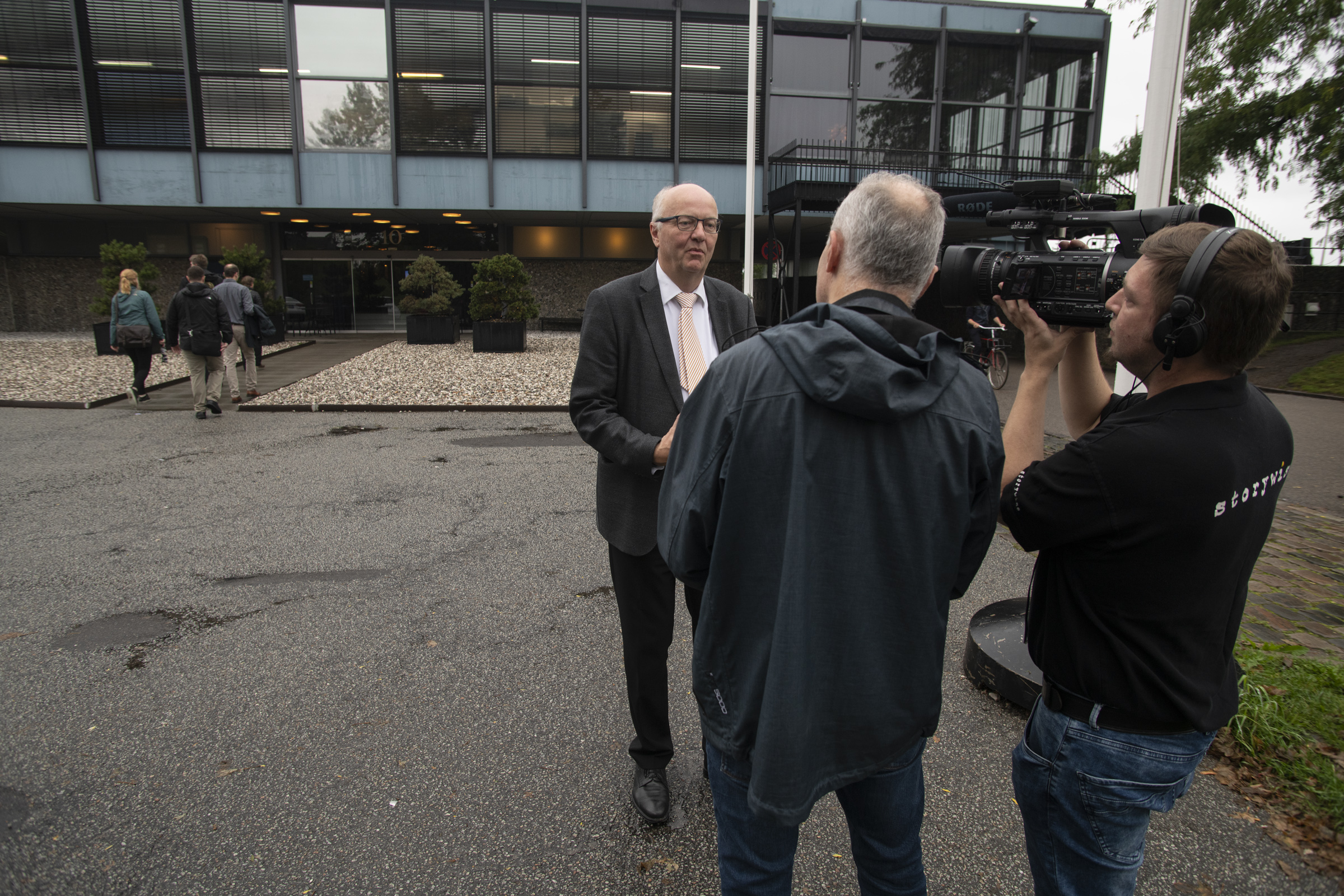
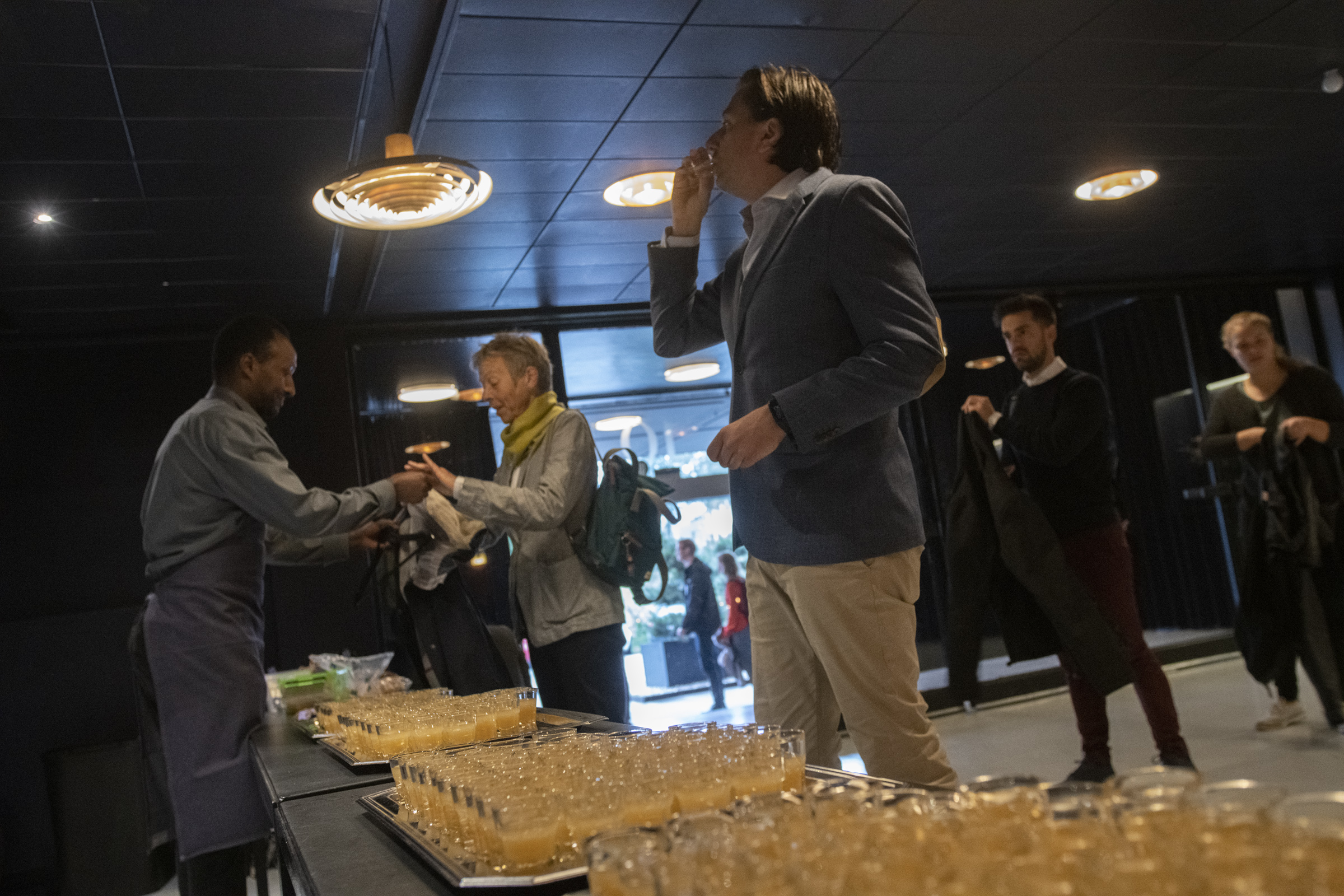
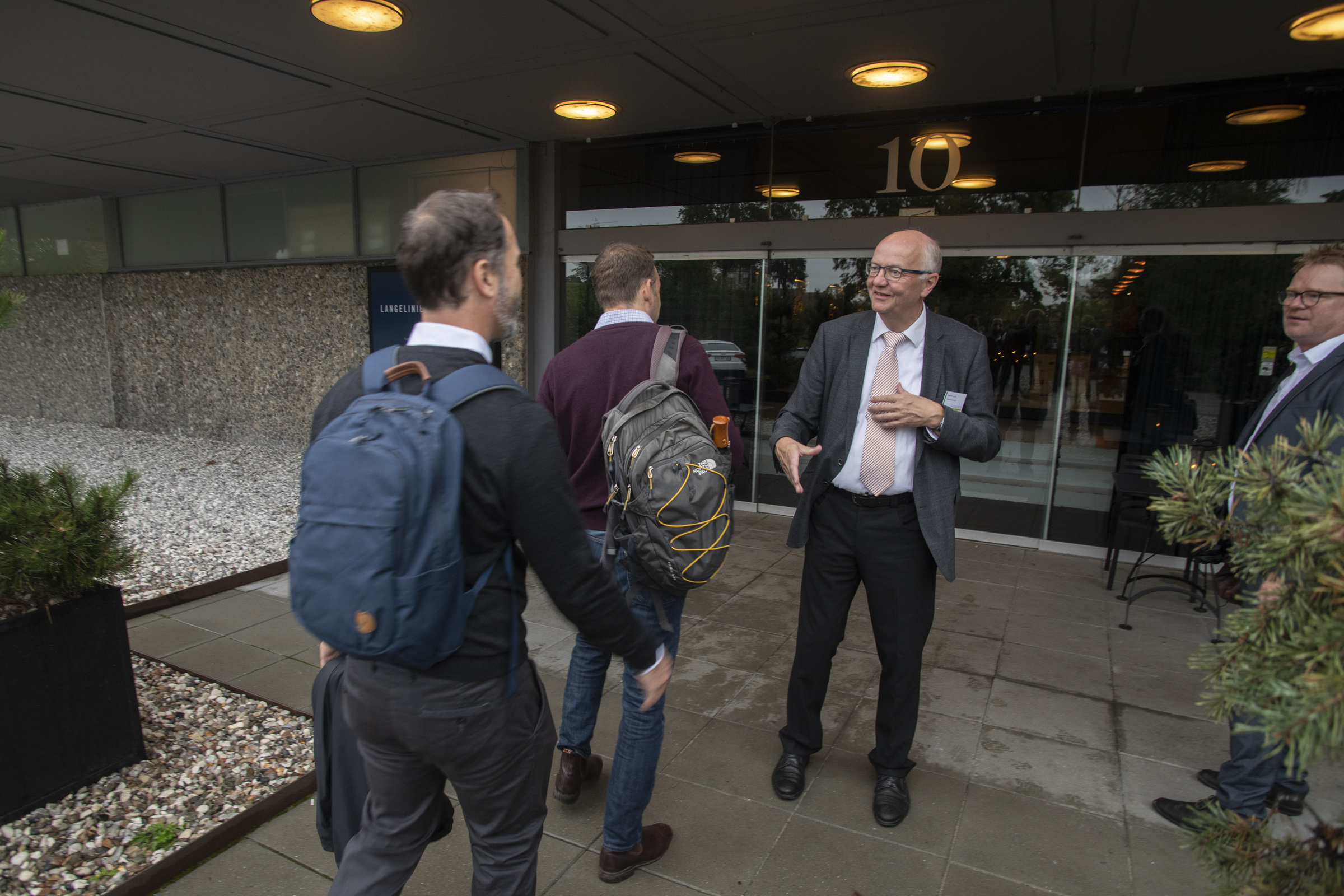
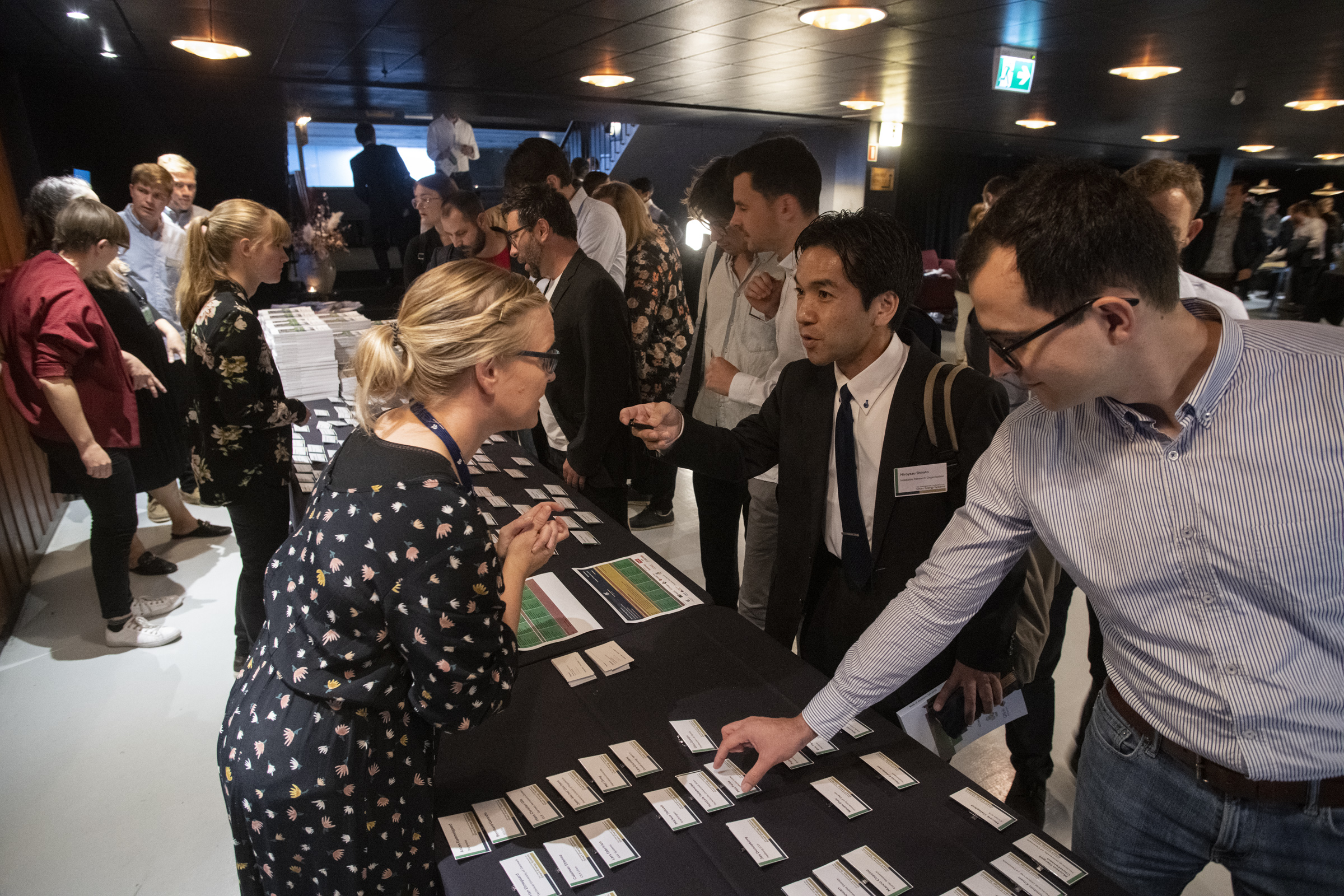
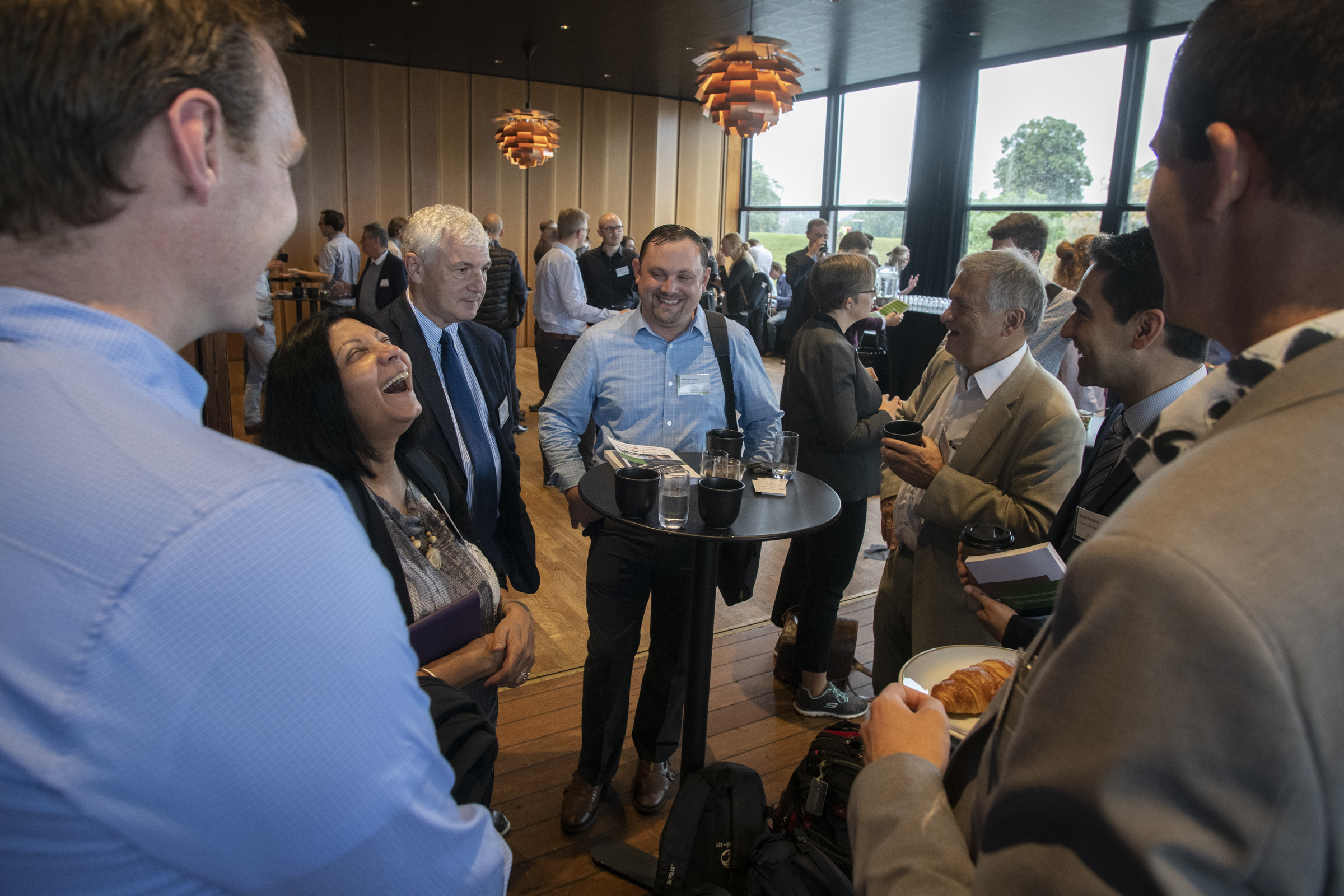
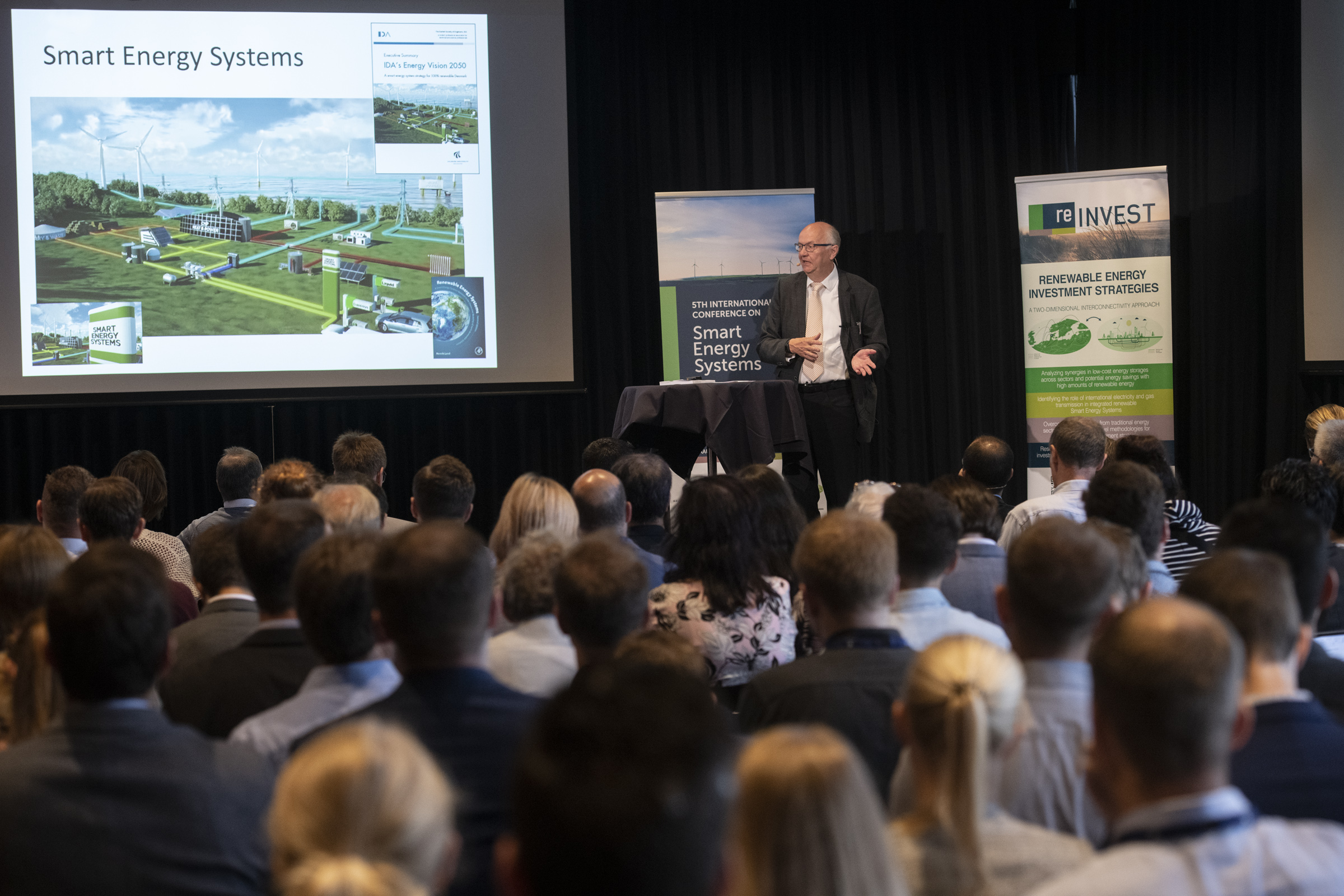
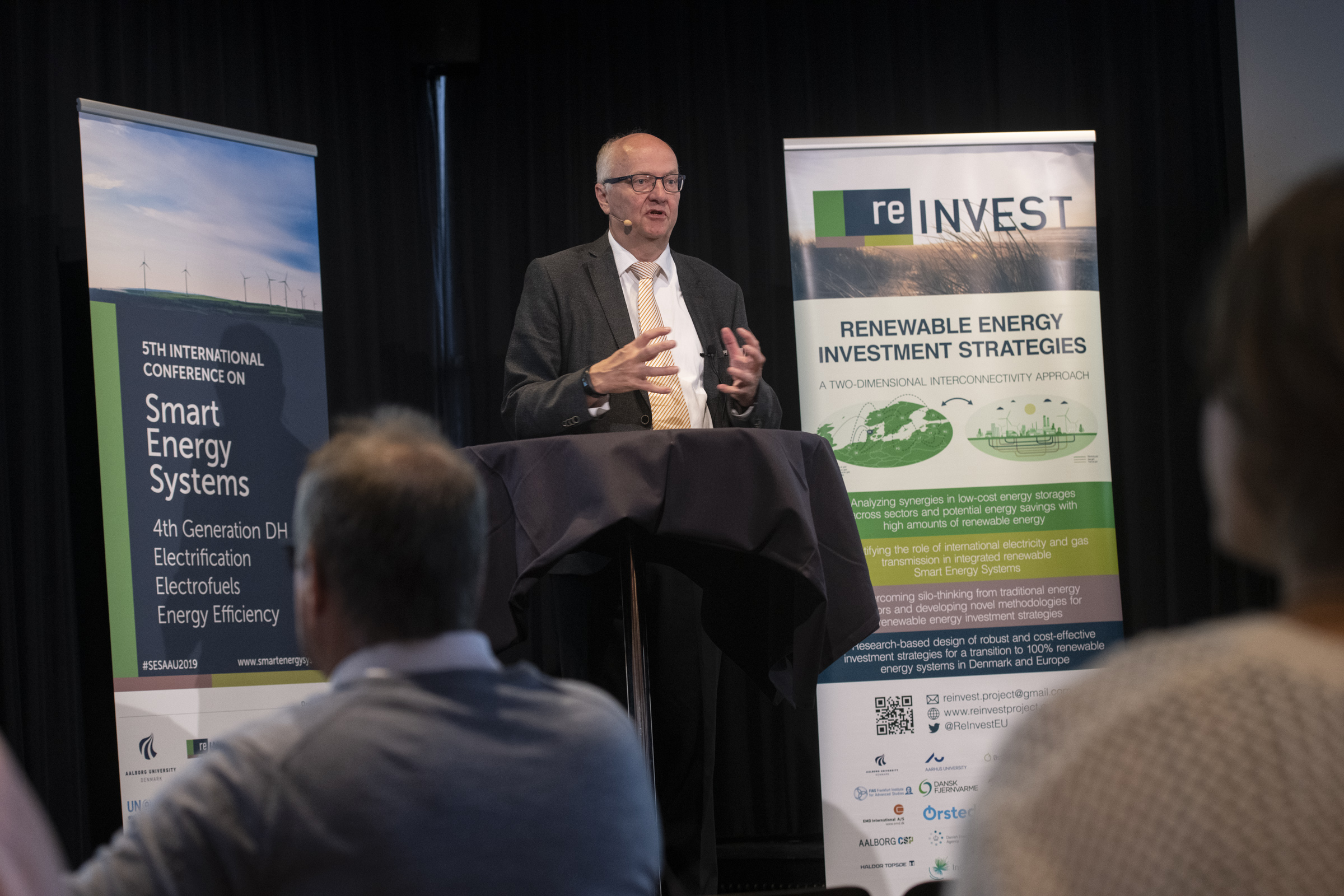
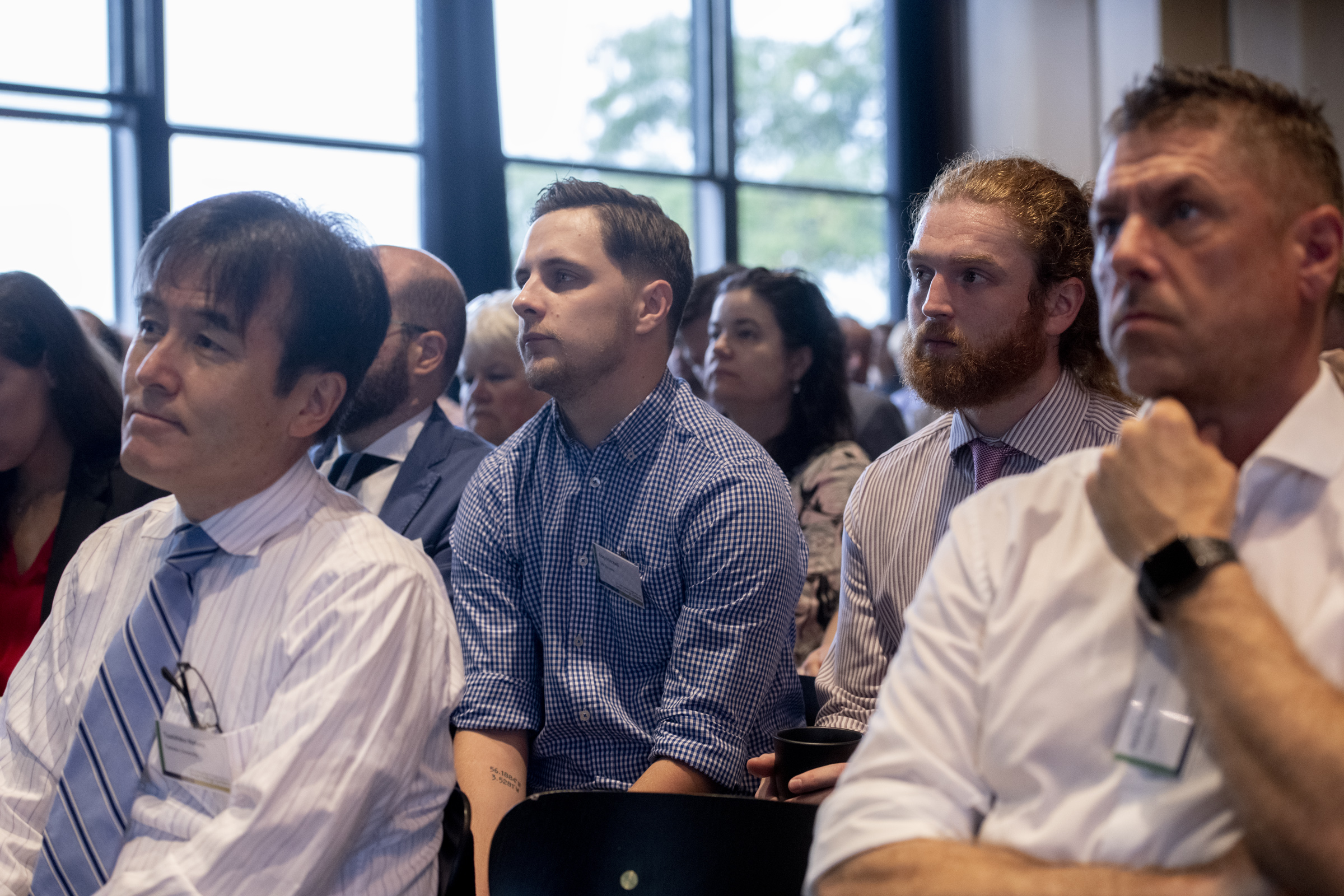
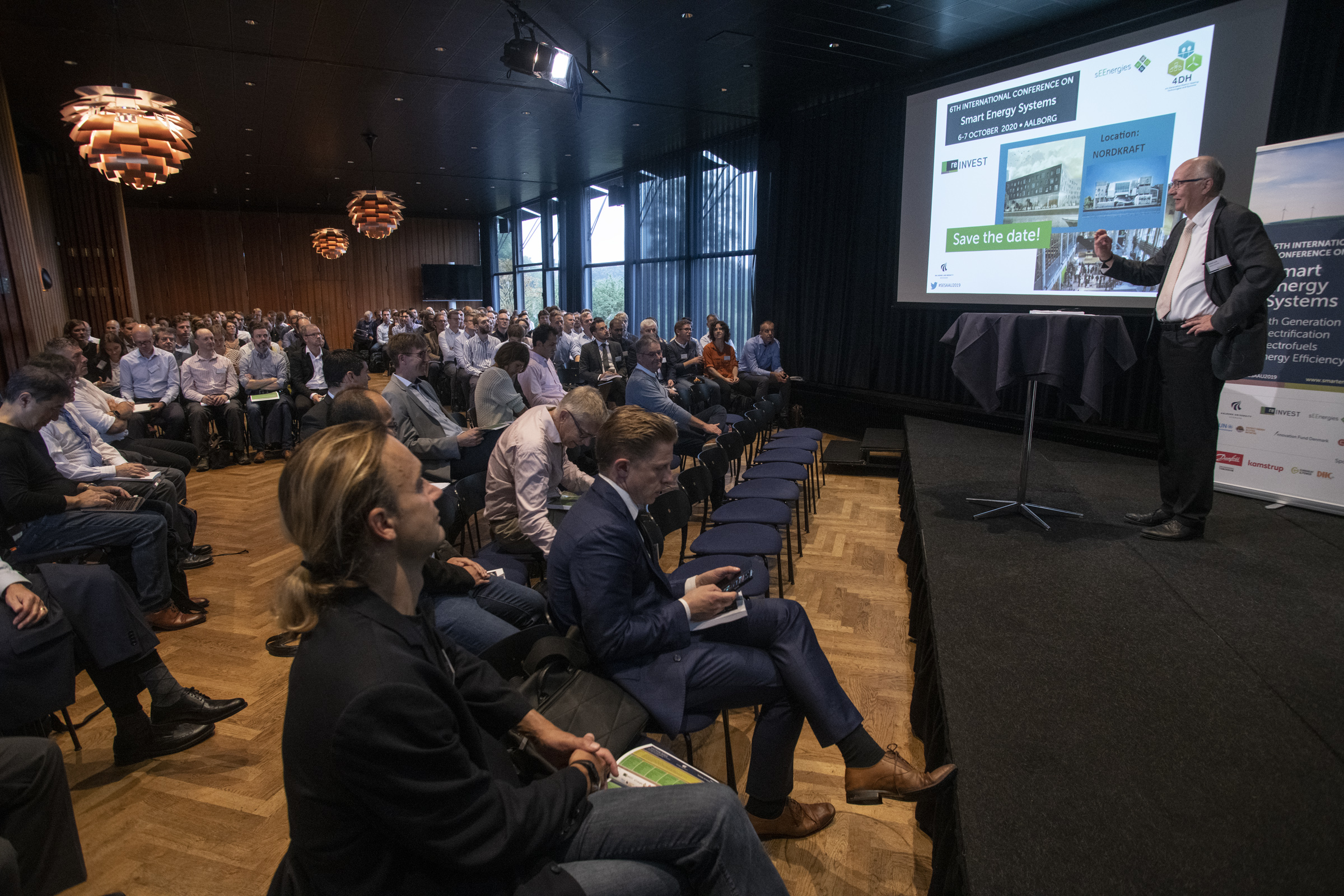
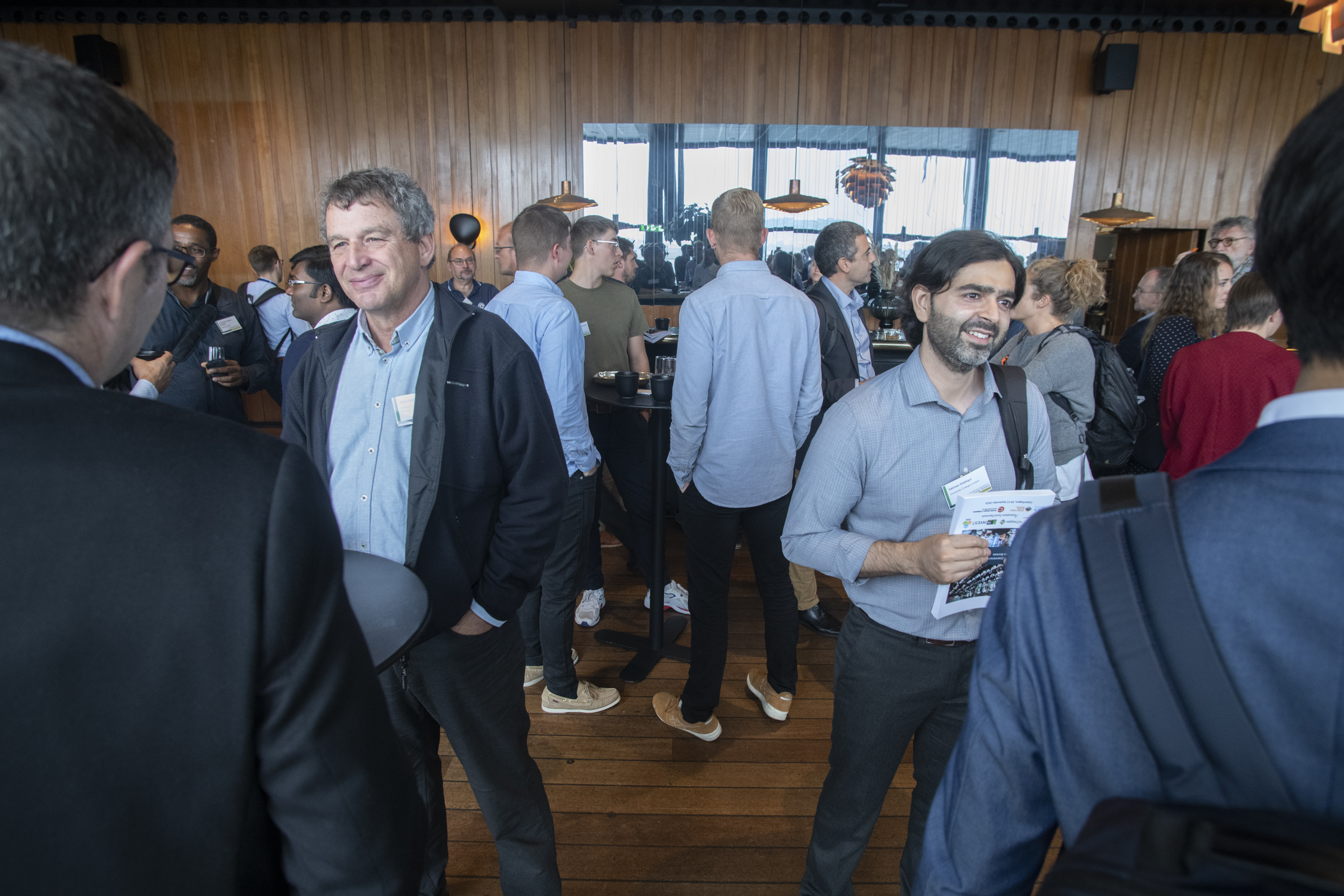
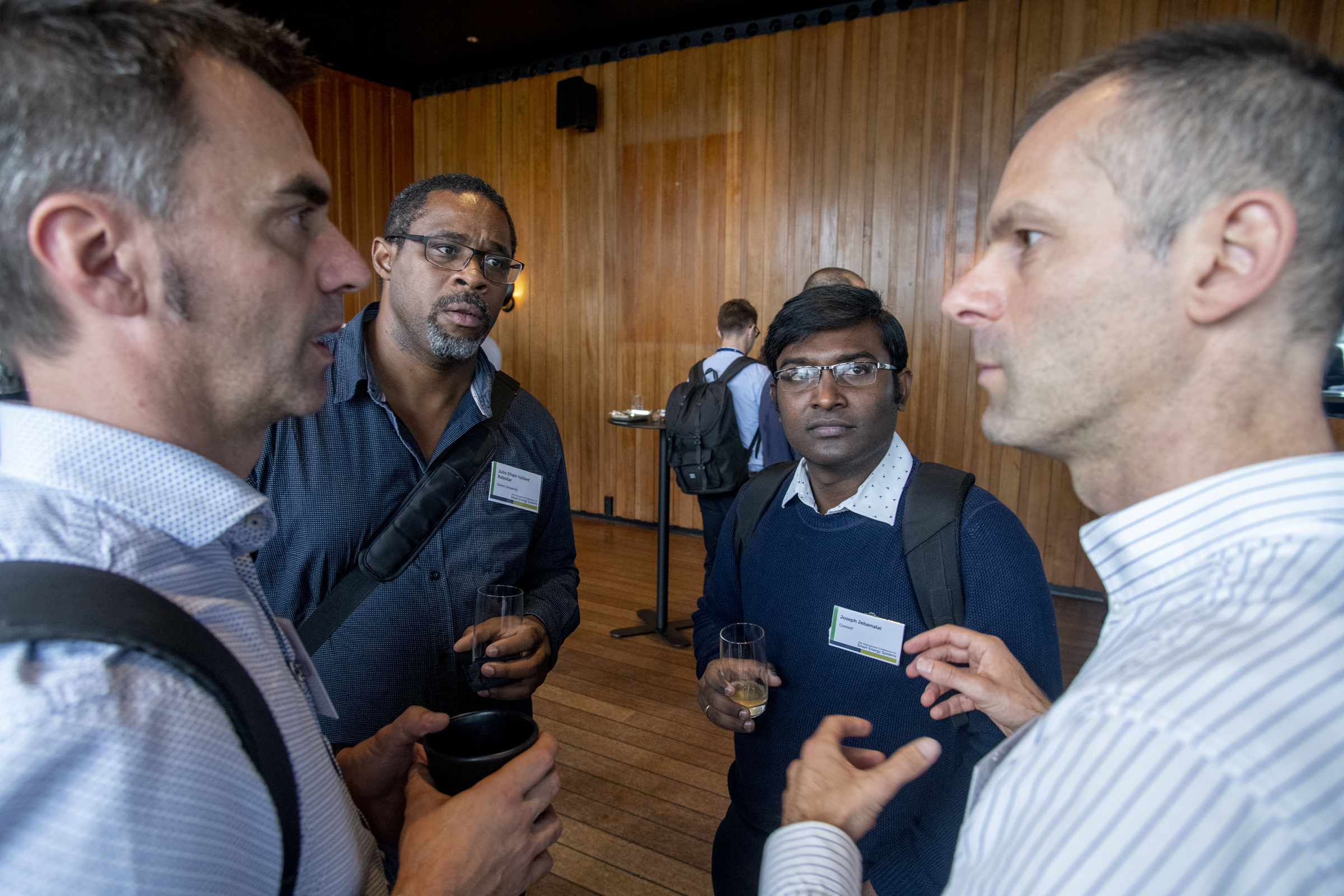
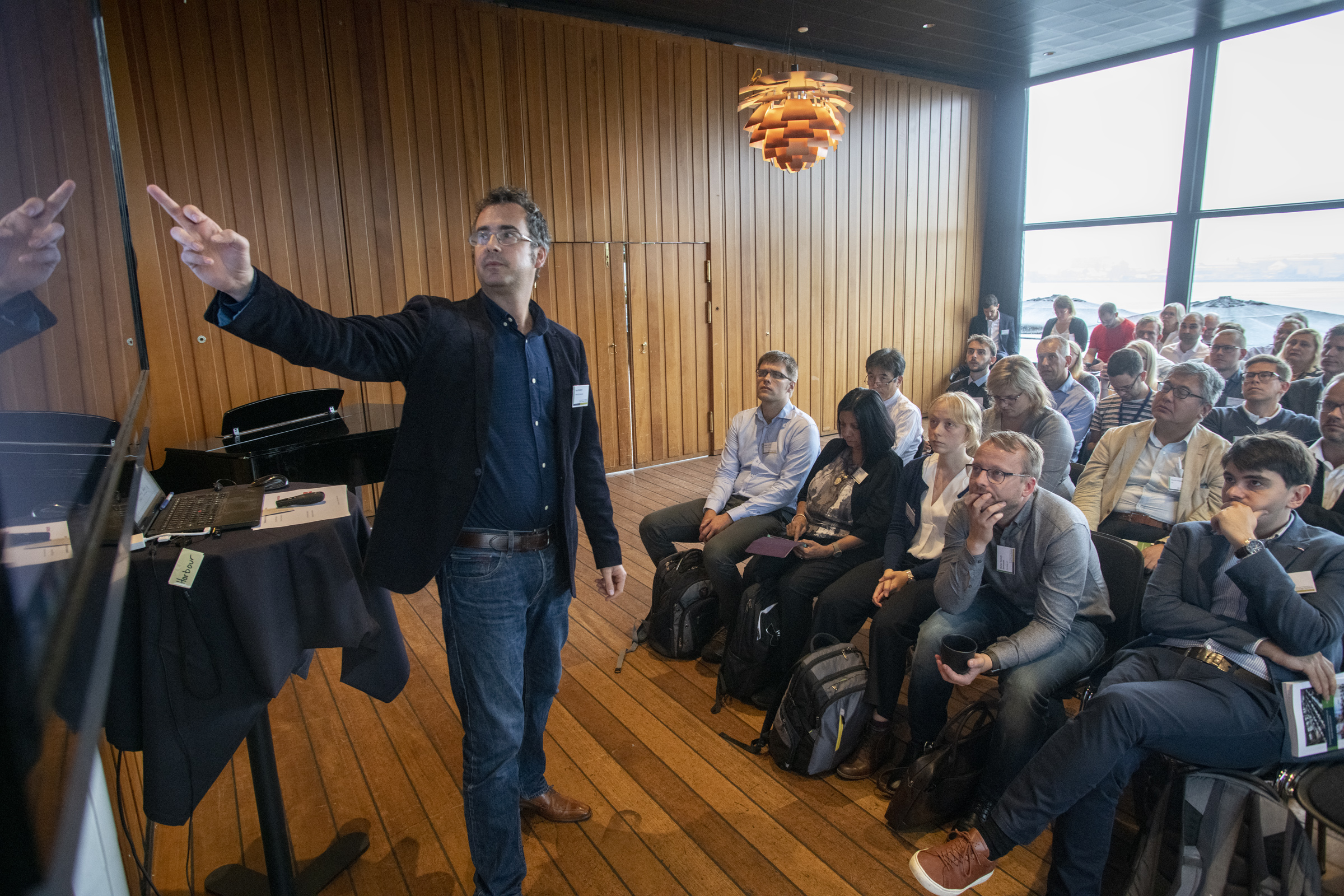
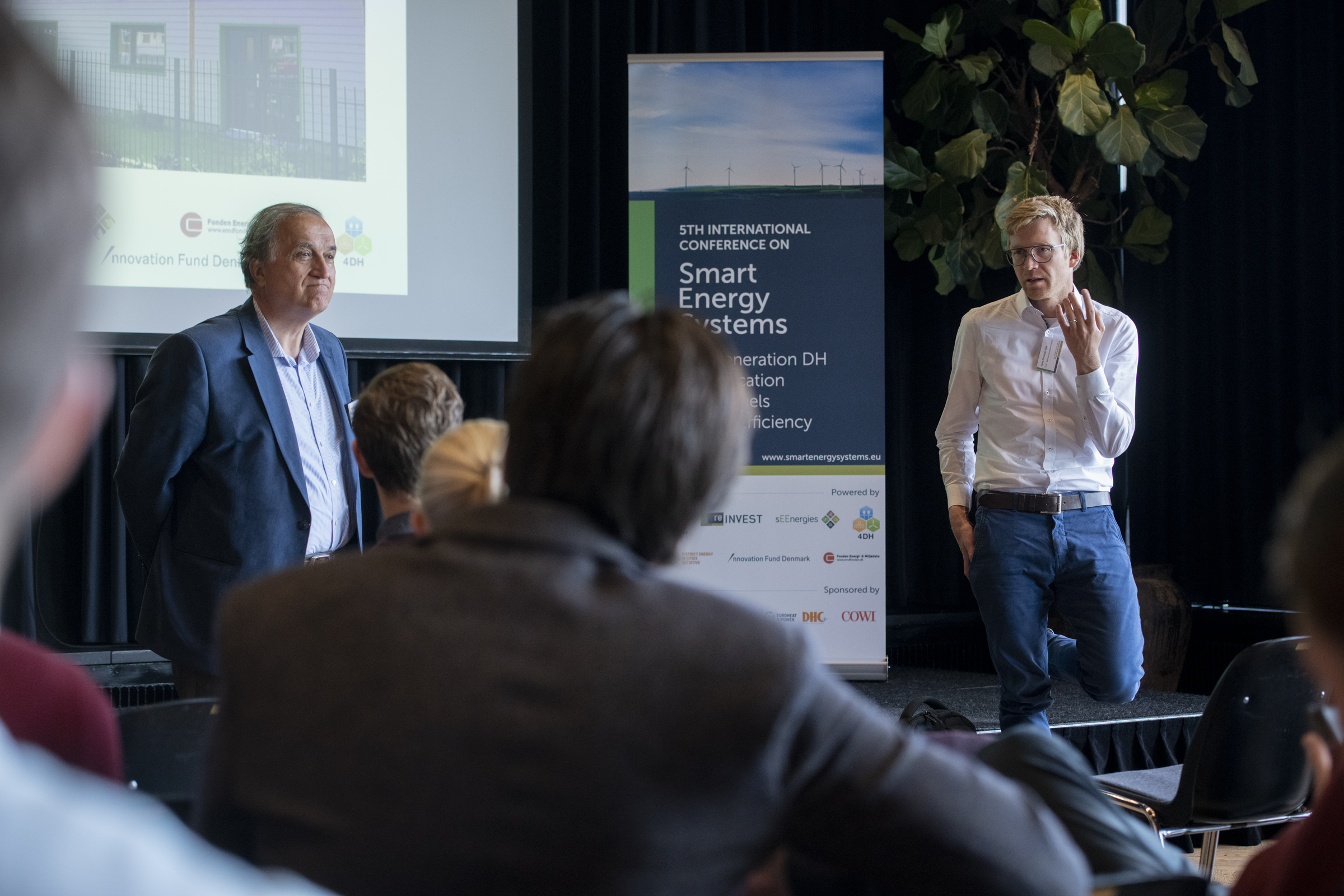
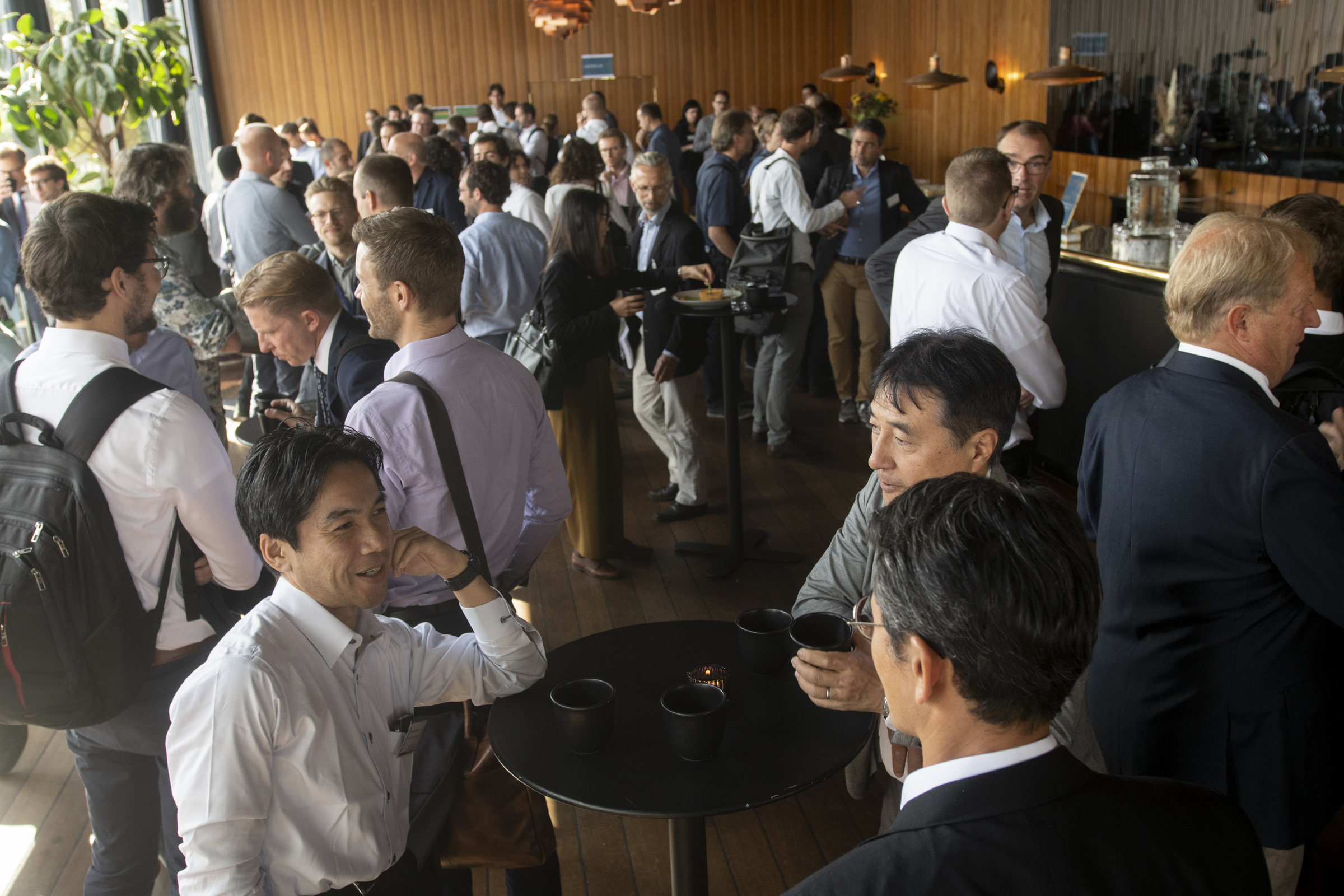
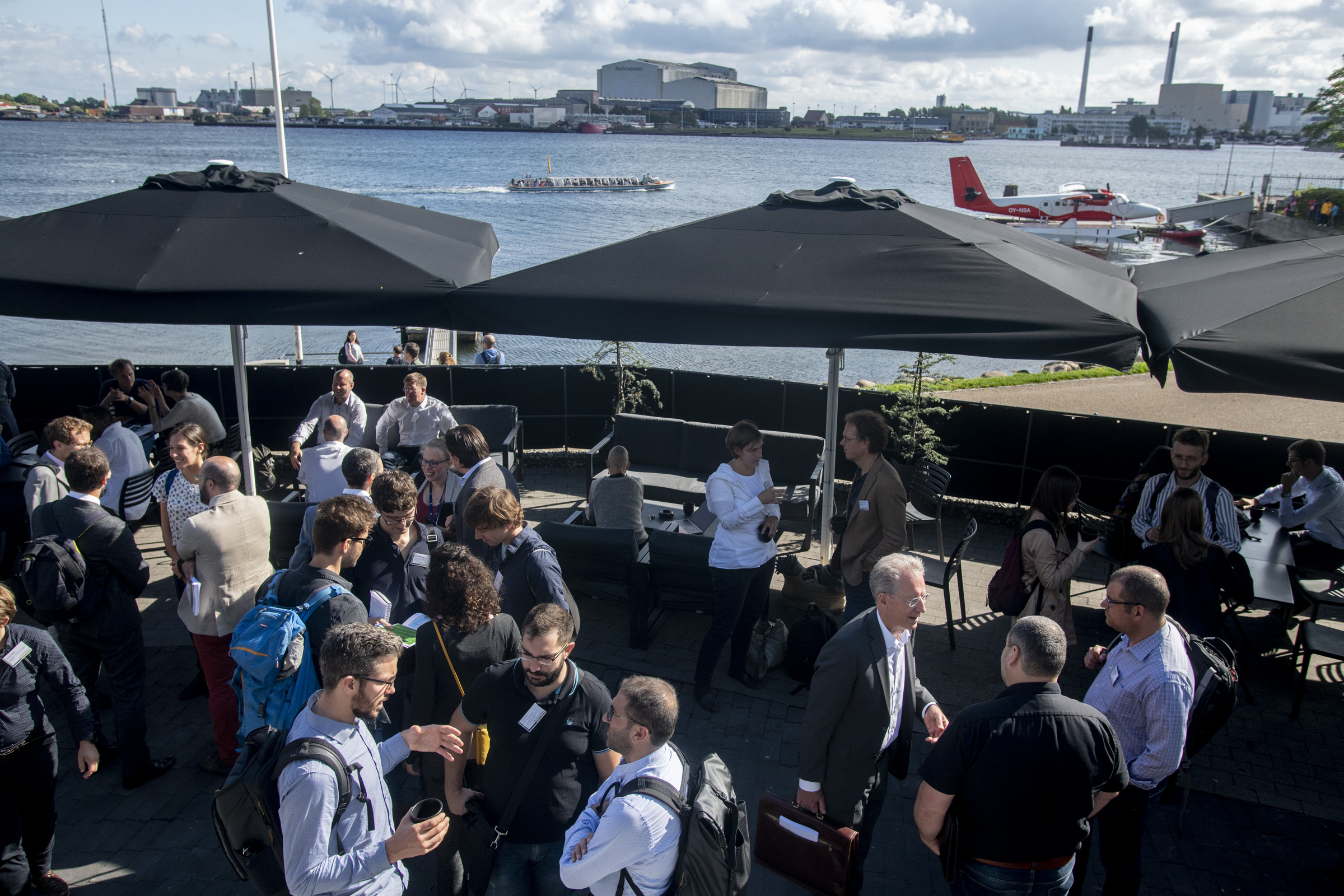
The 5th conference took place on 10-11 September 2019 at Langelinie Pavillonen in Copenhagen next to the iconic Little Mermaid at the historical centre of Copenhagen – while the conference dinner took place at the famous Tivoli Gardens.

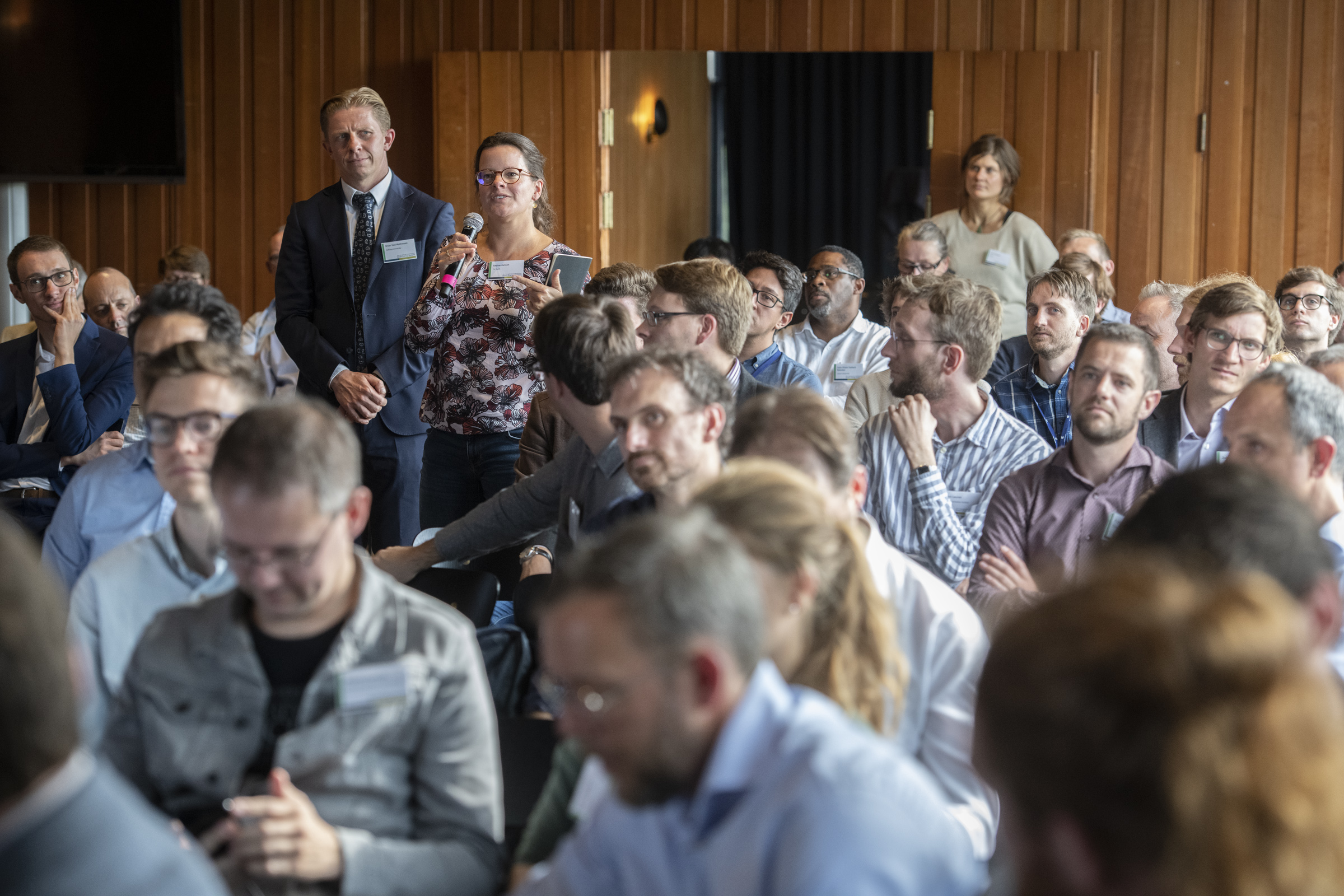
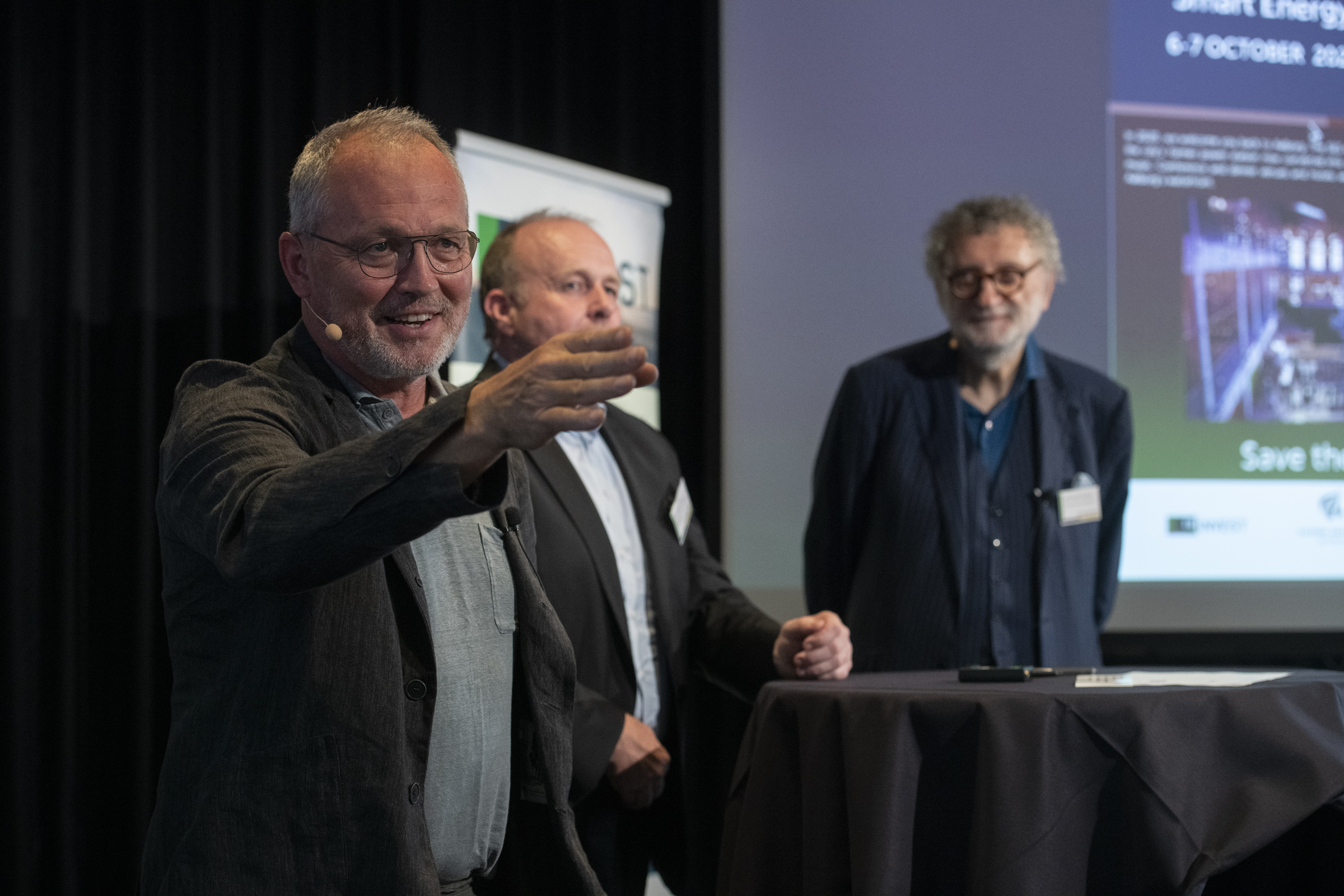
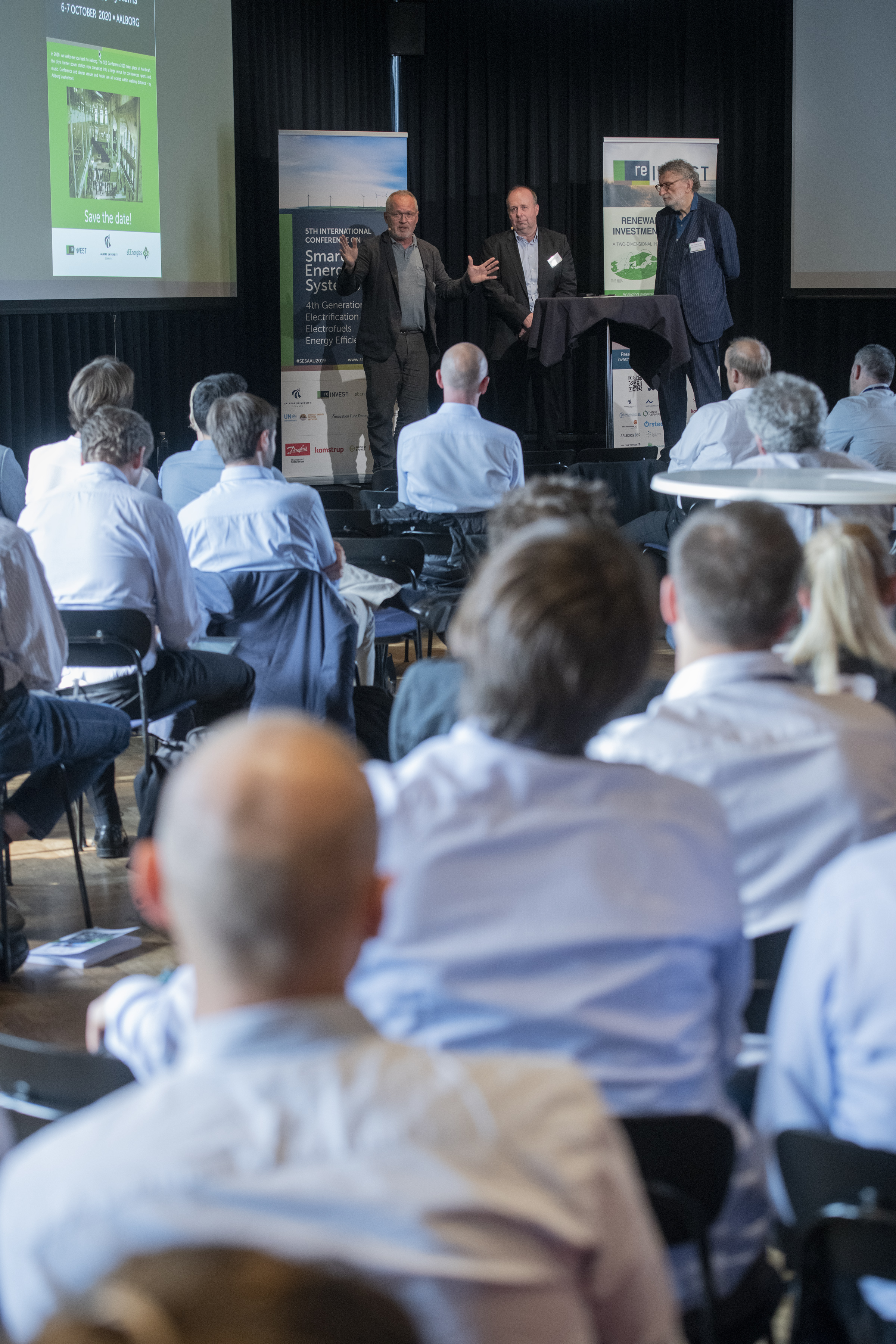
Pictures


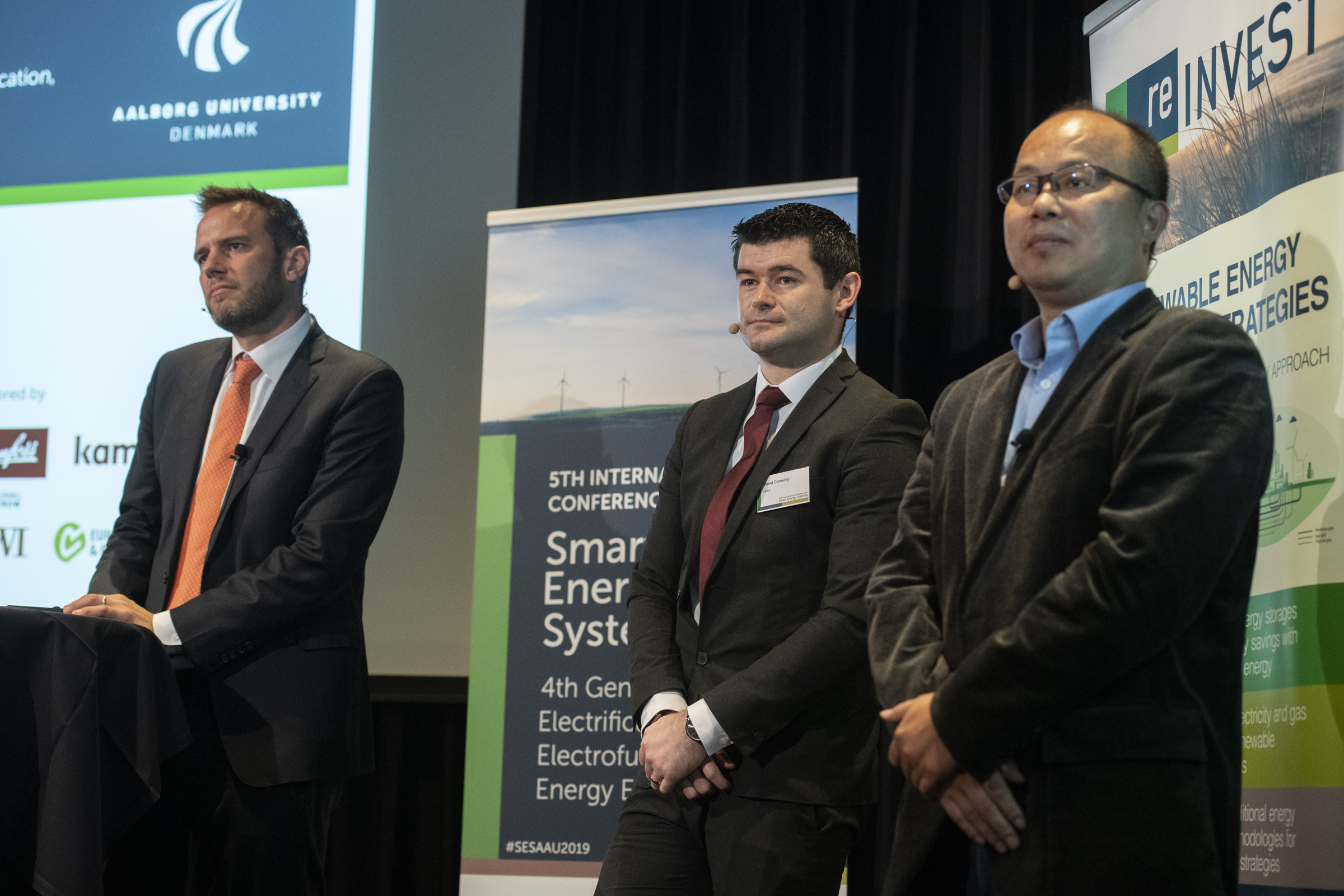
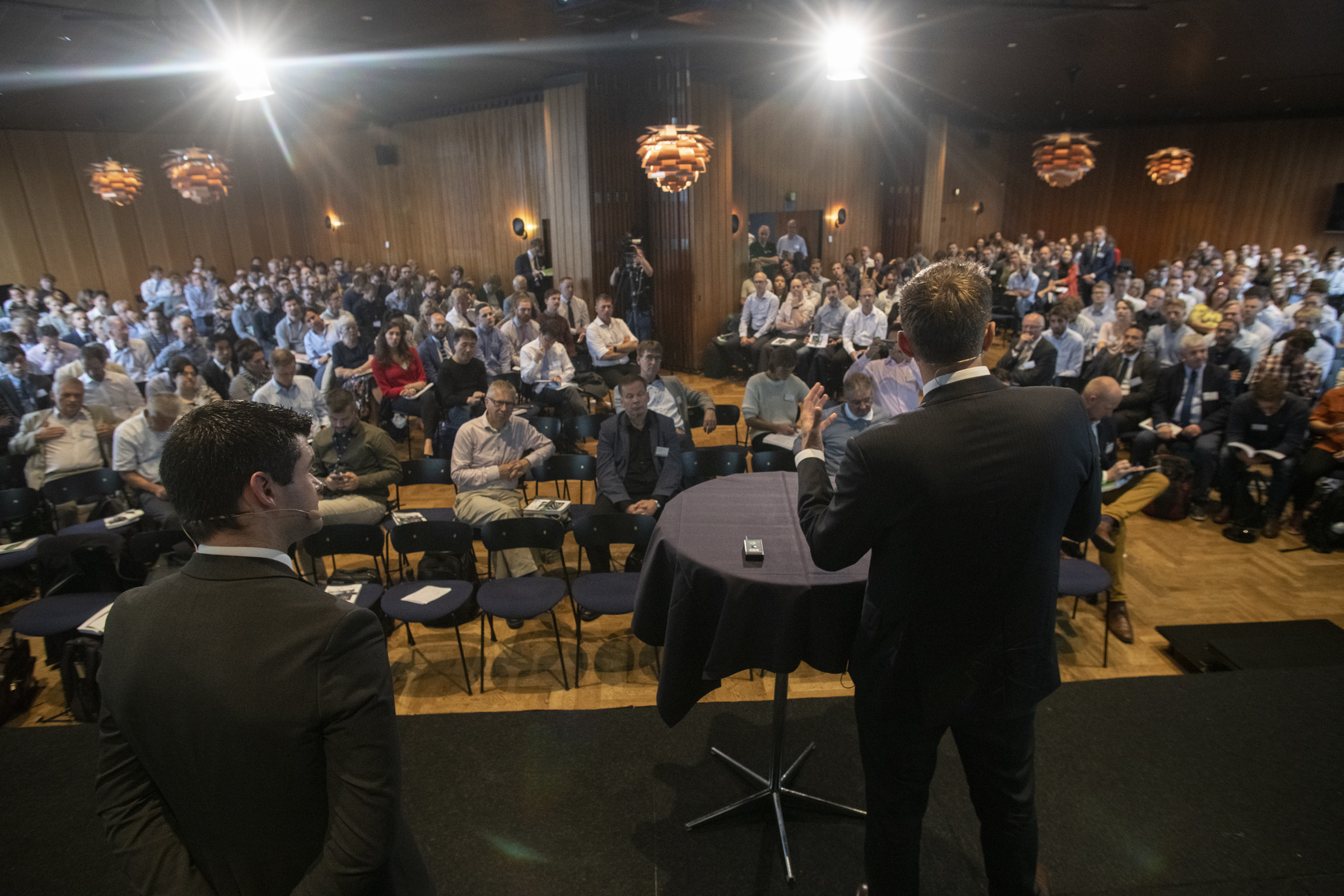

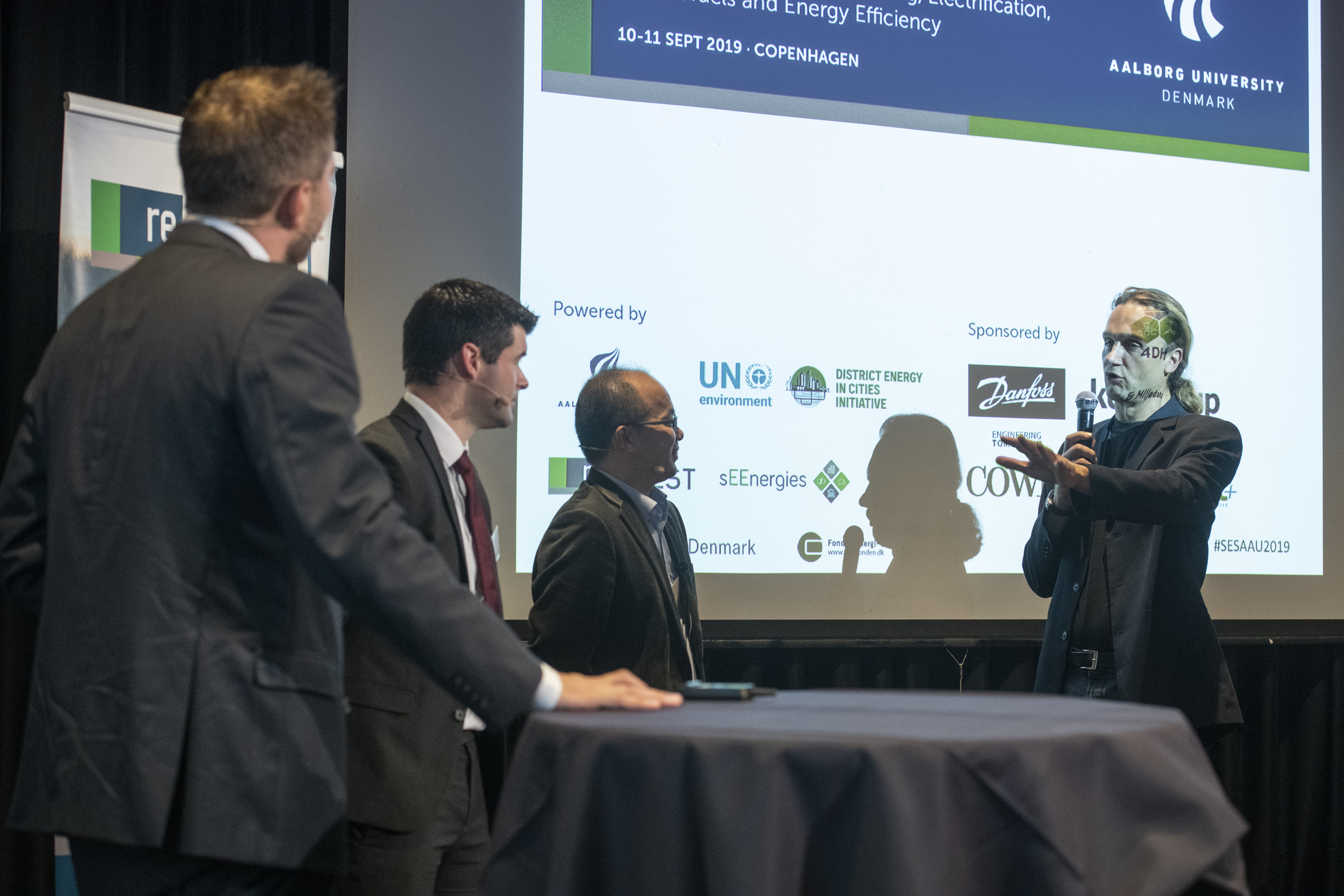


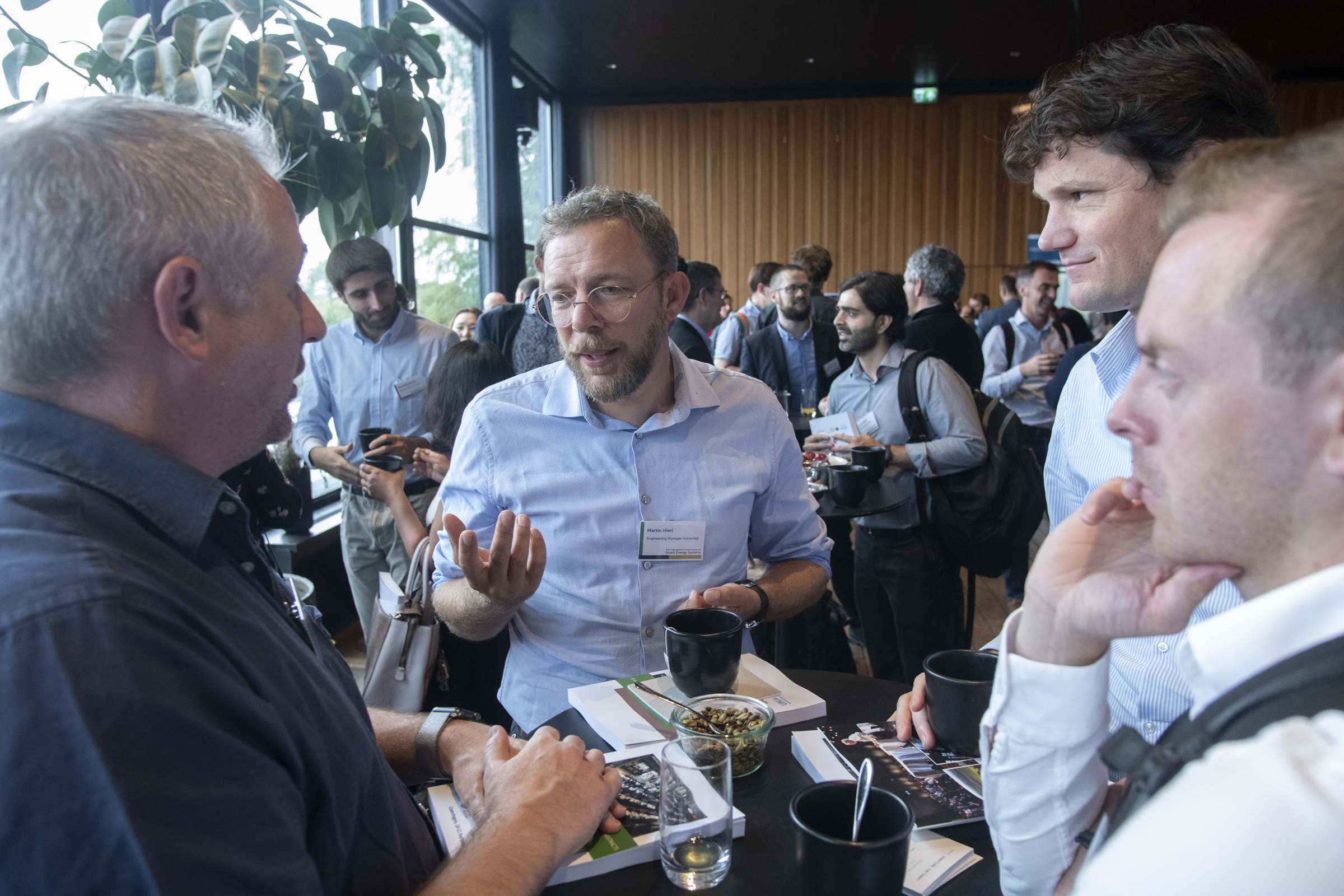



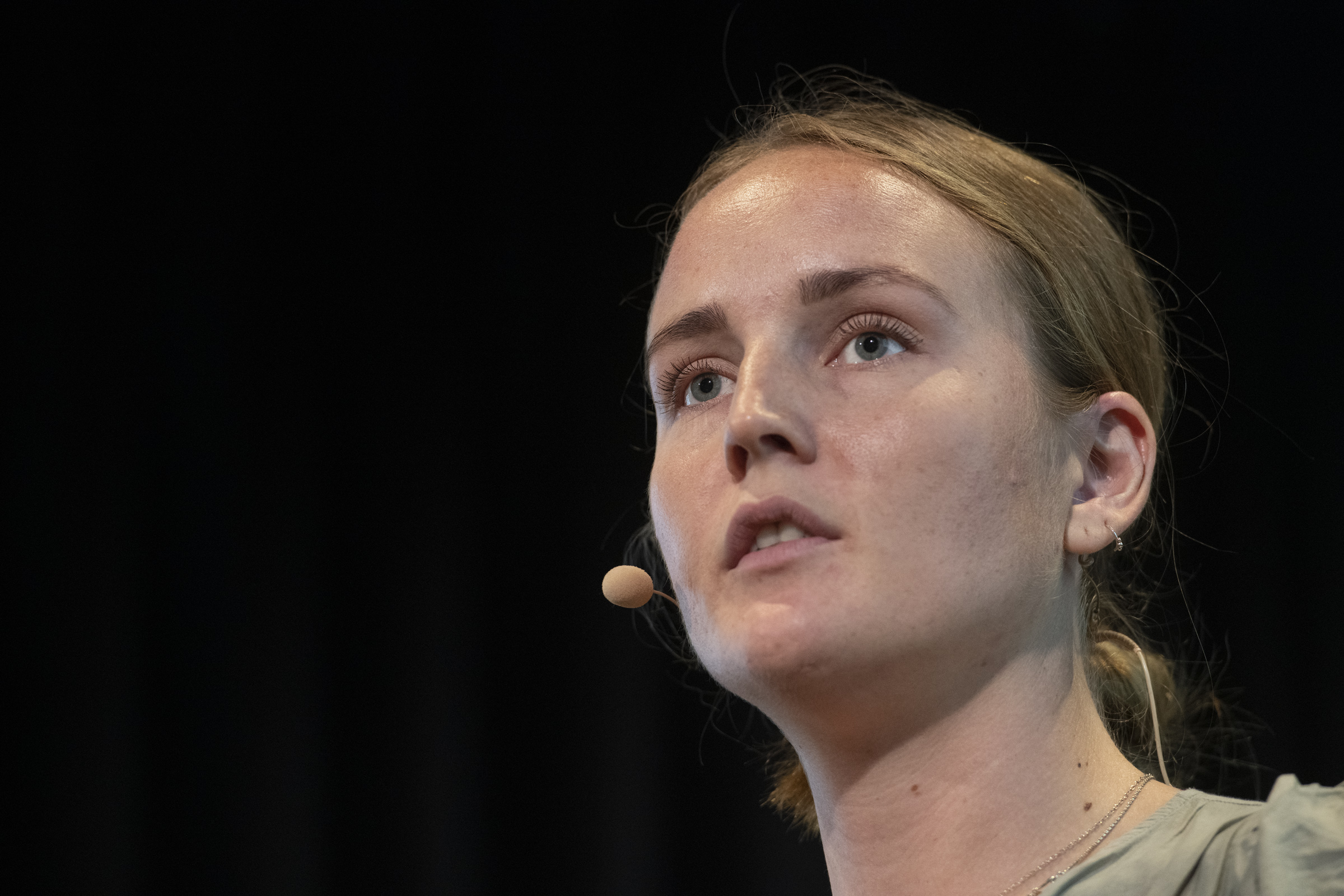
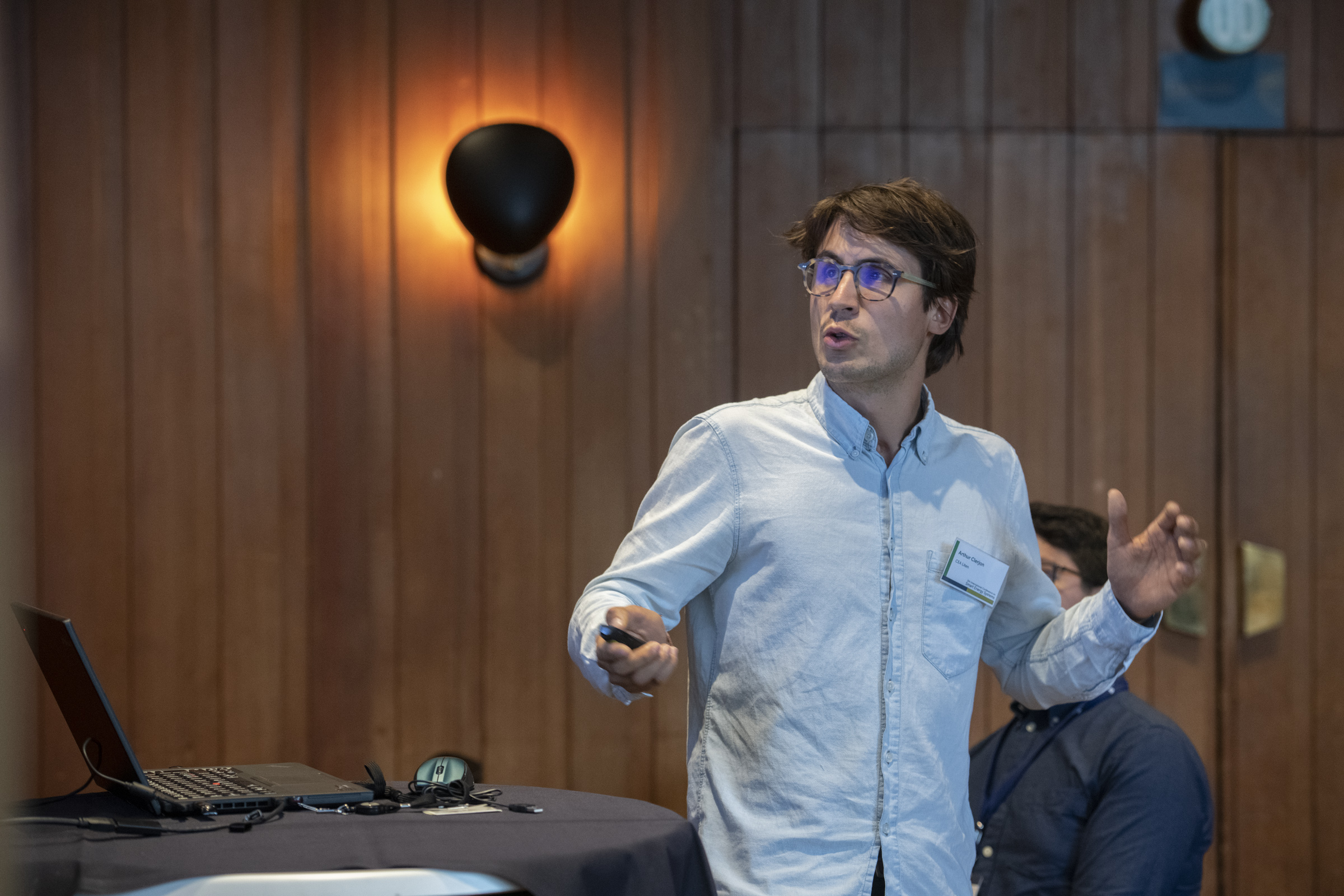
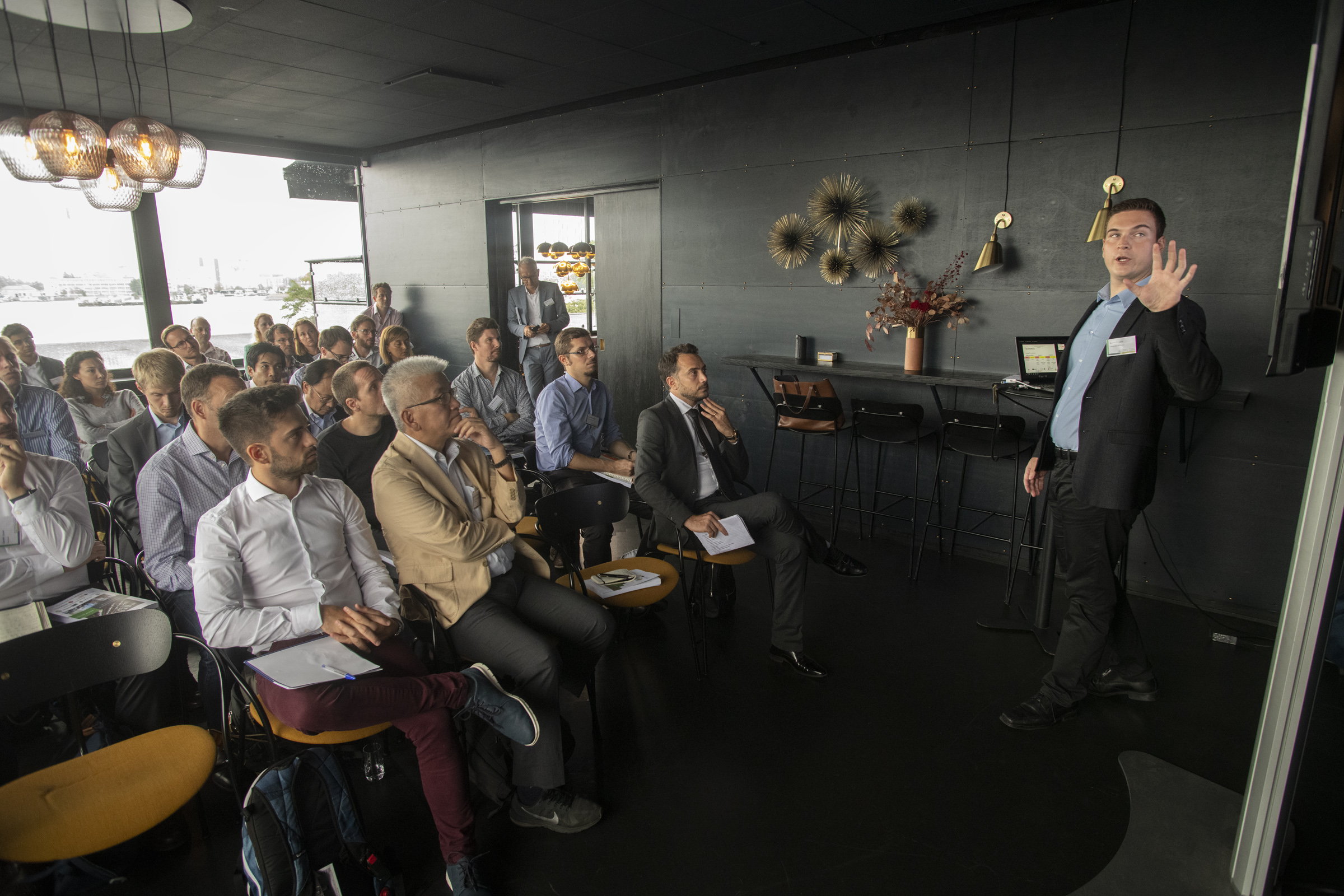


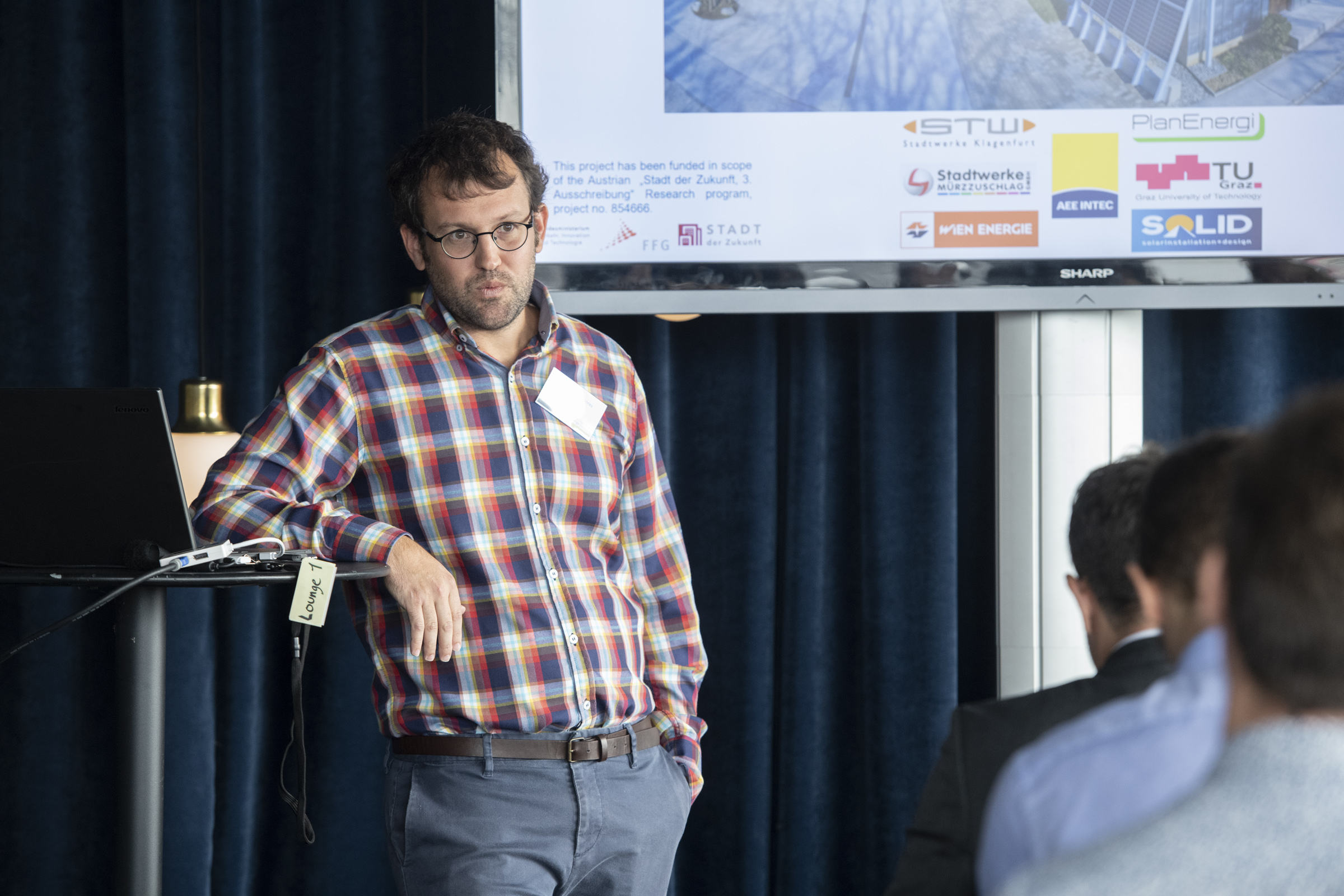
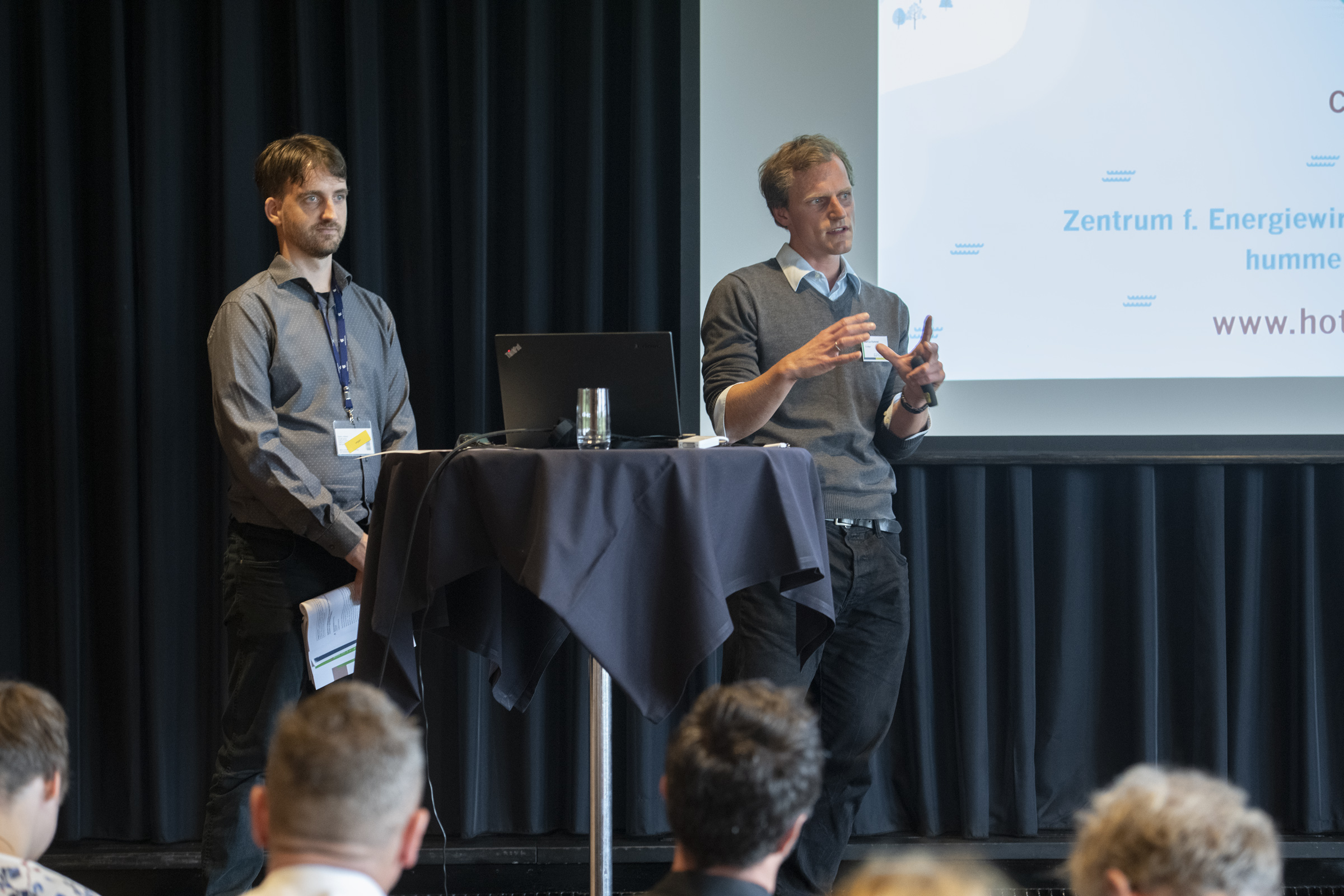

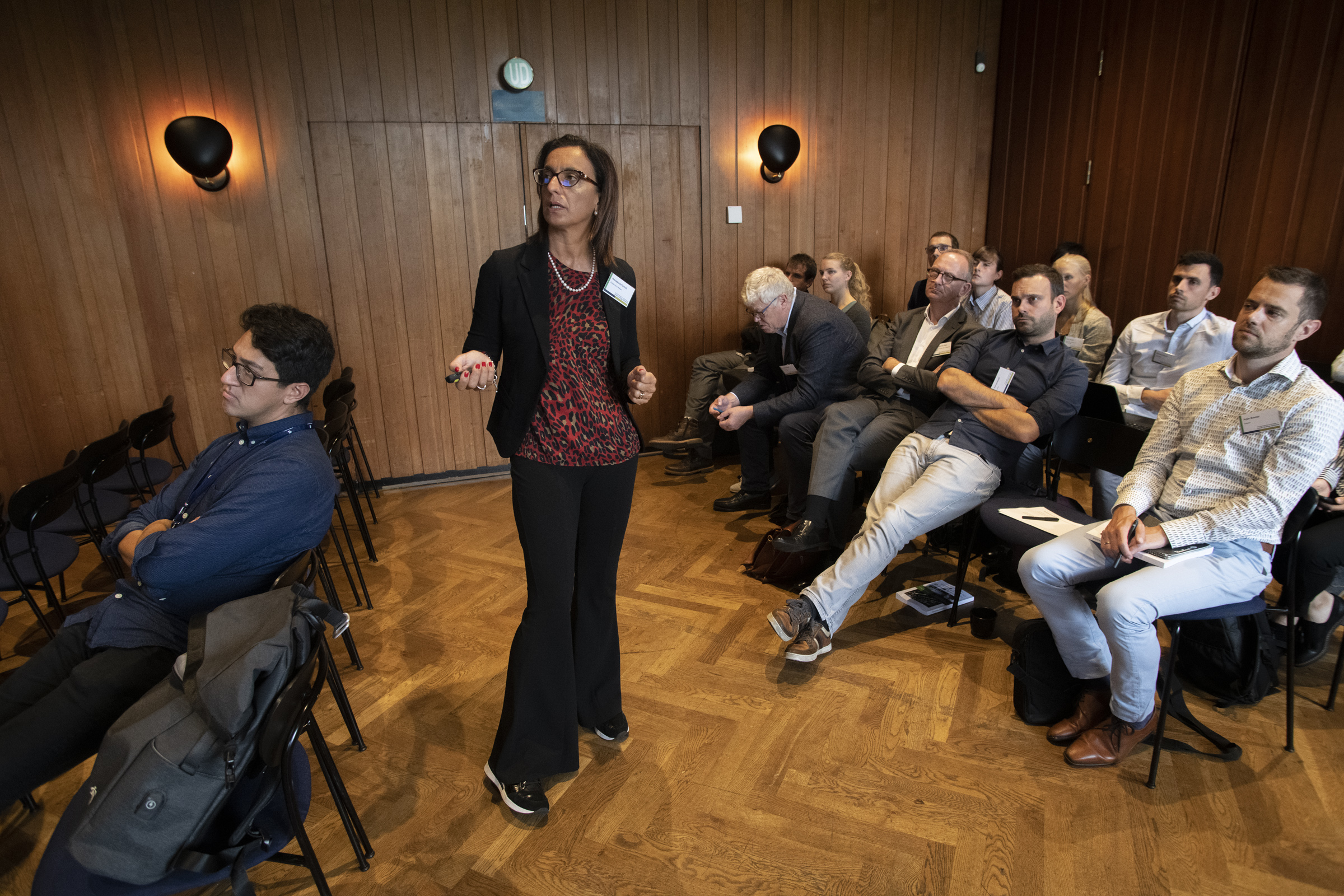
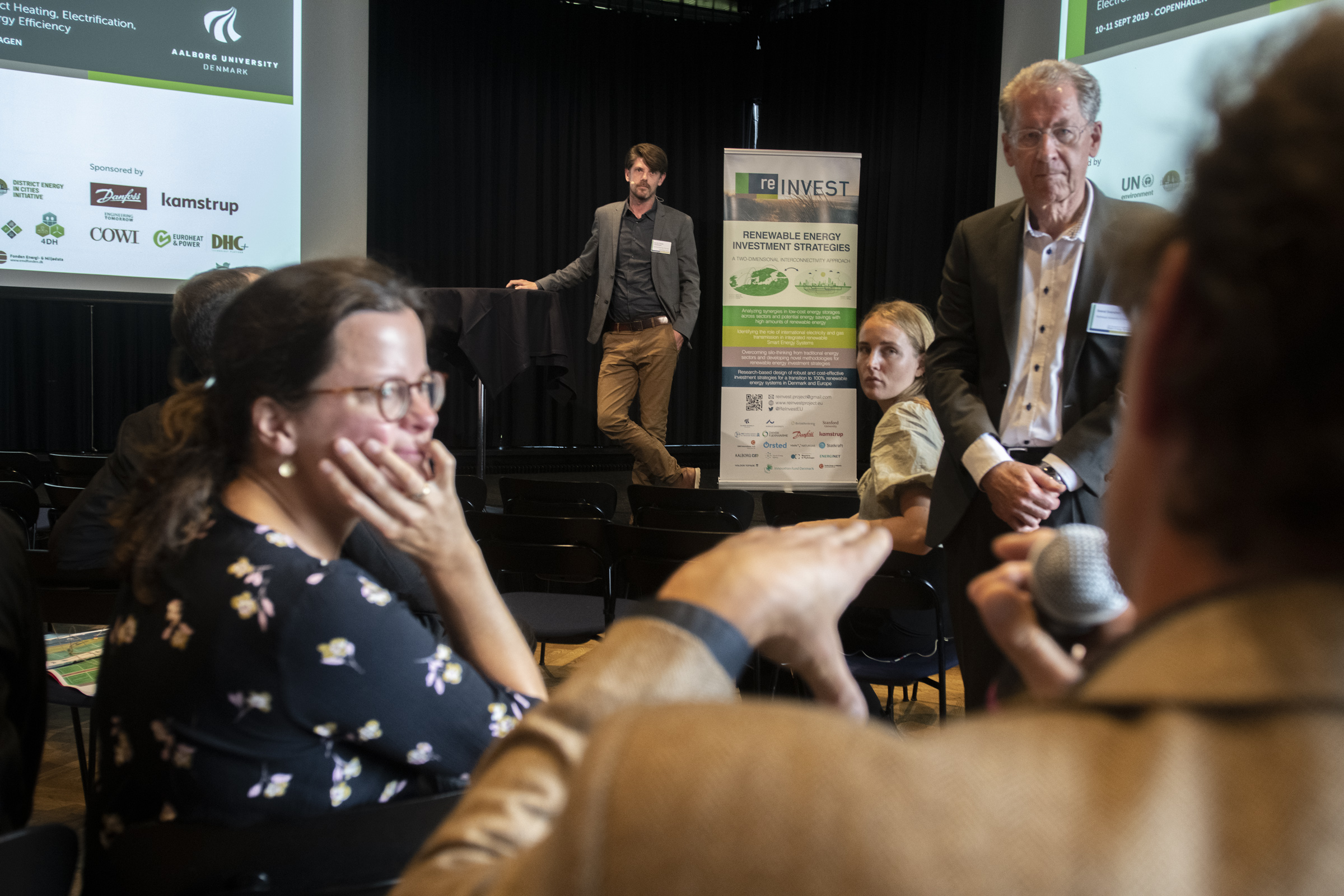





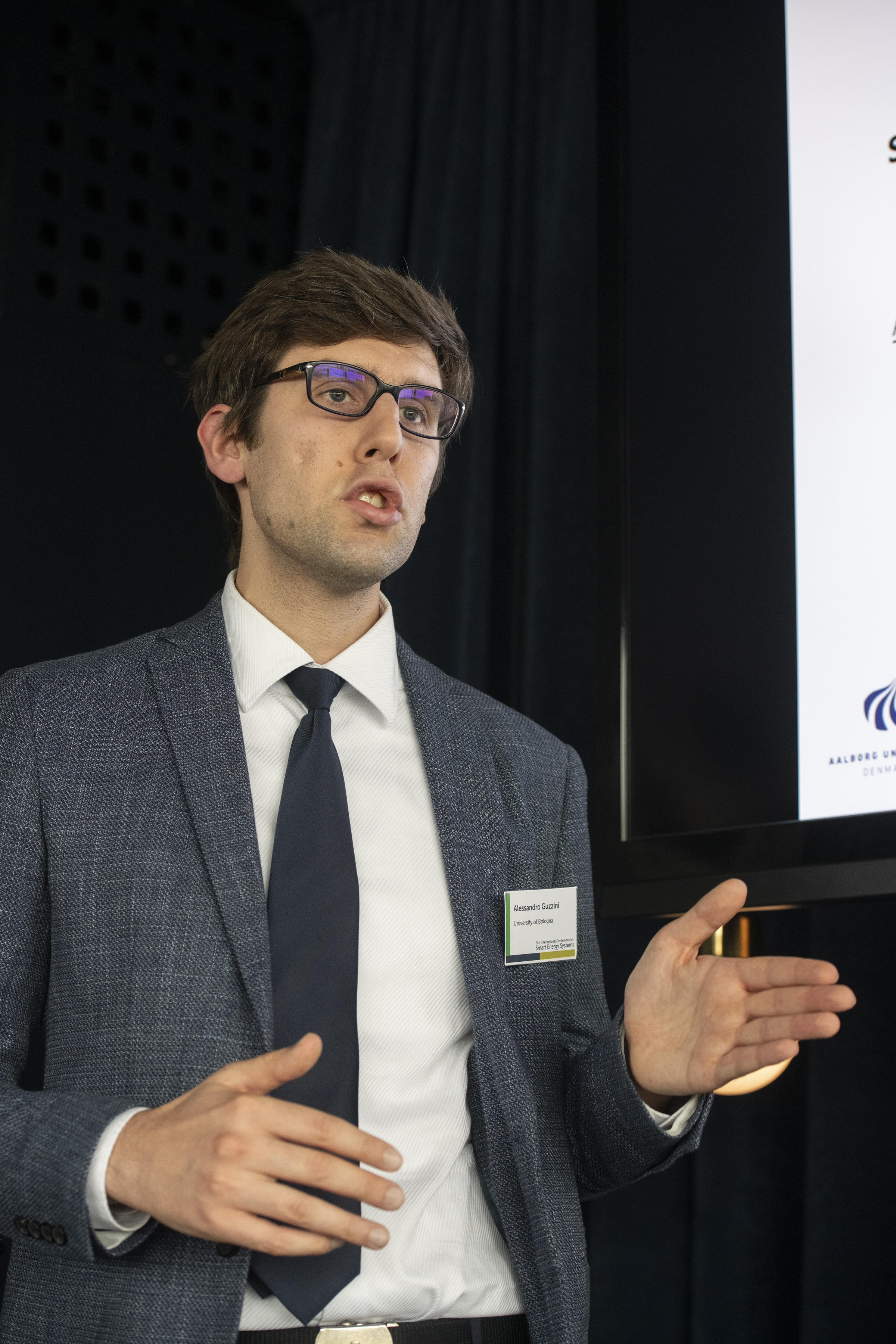

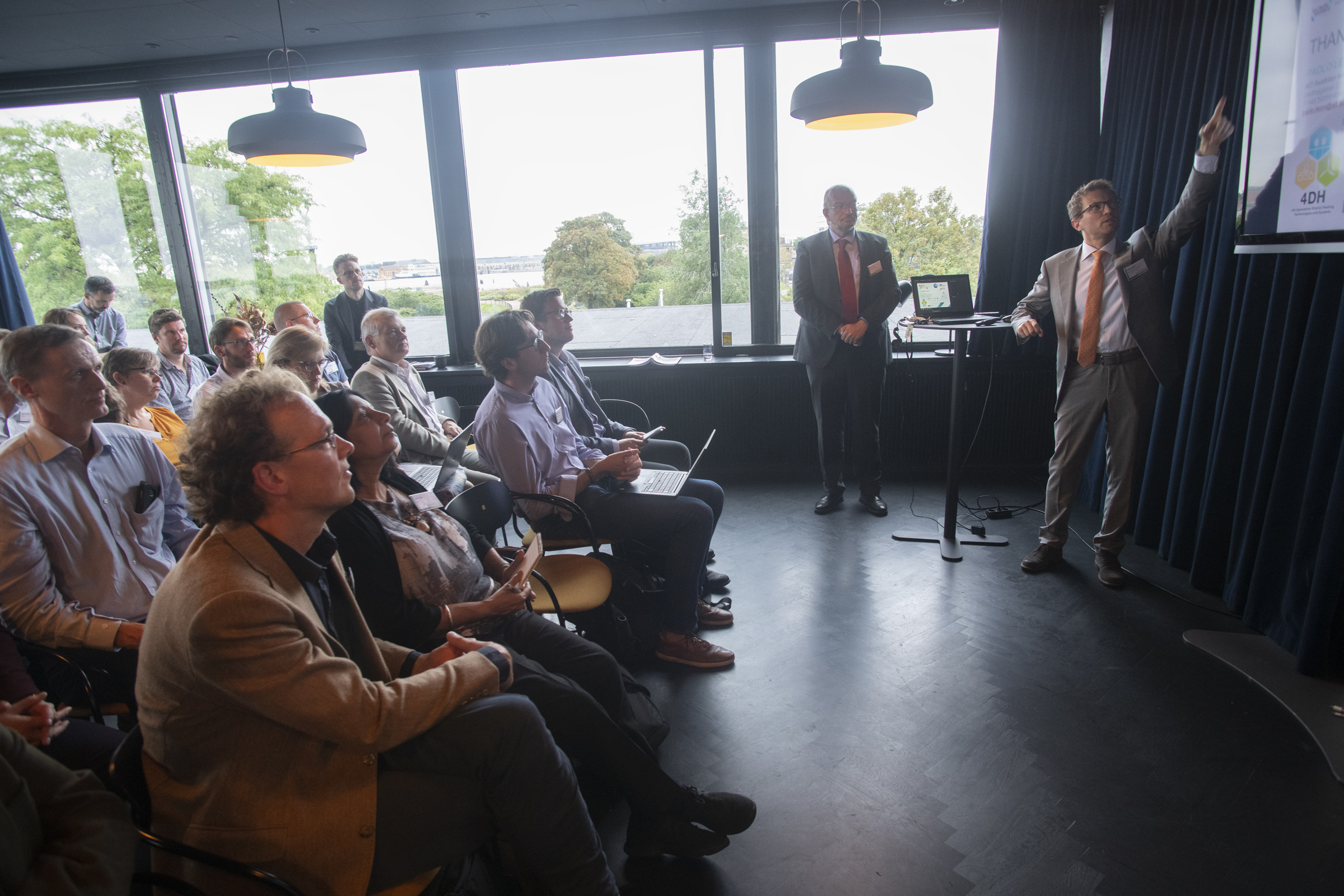

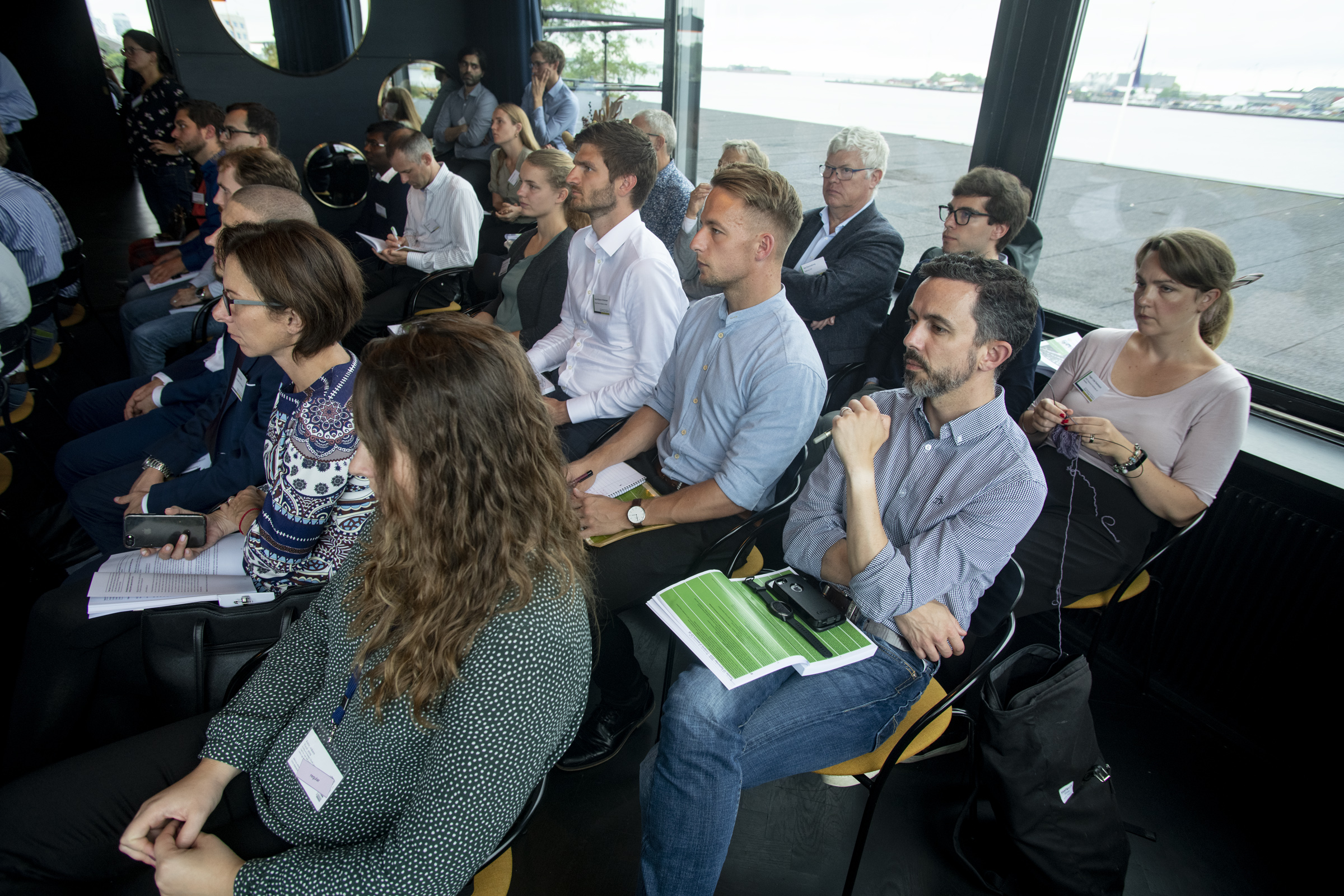
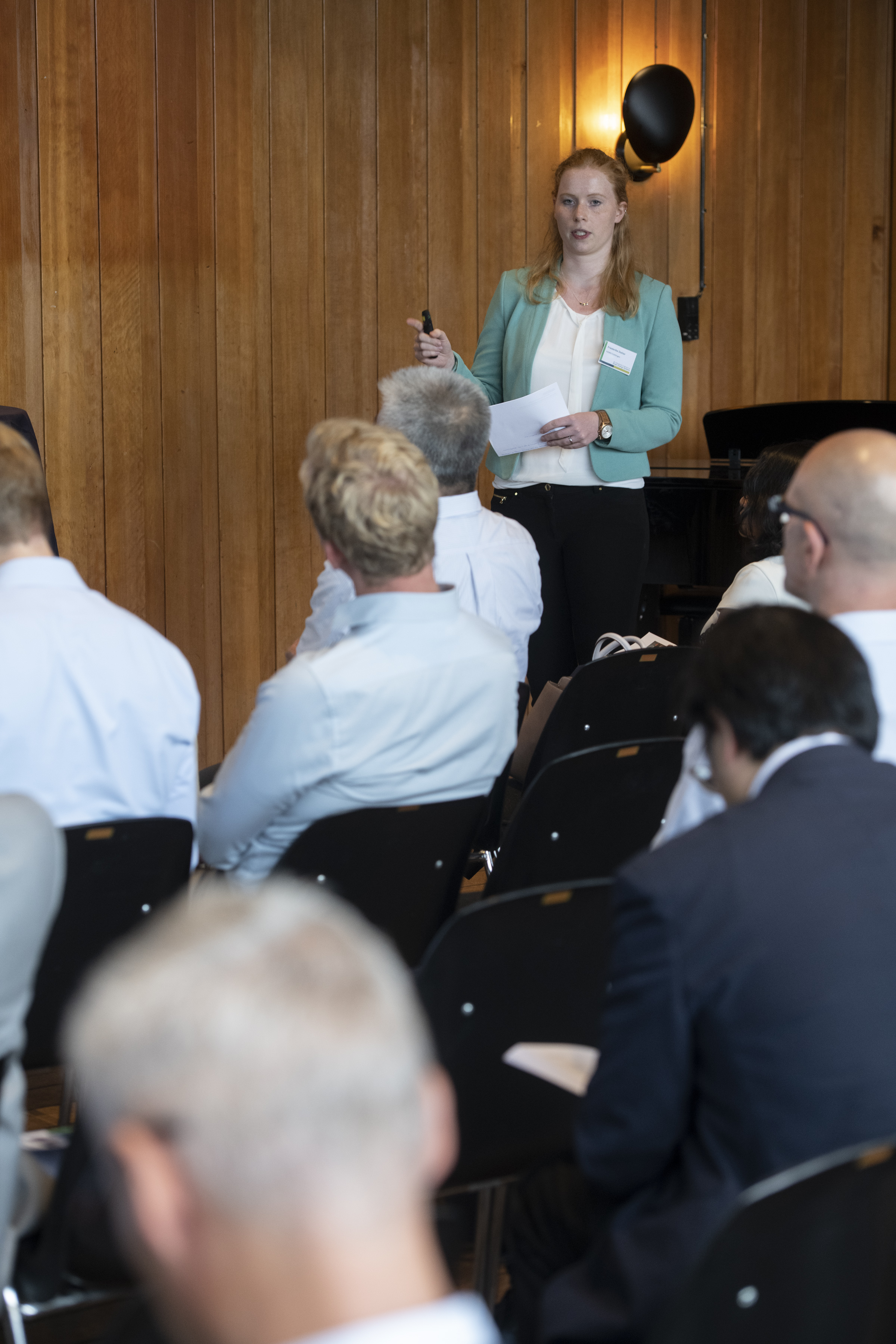
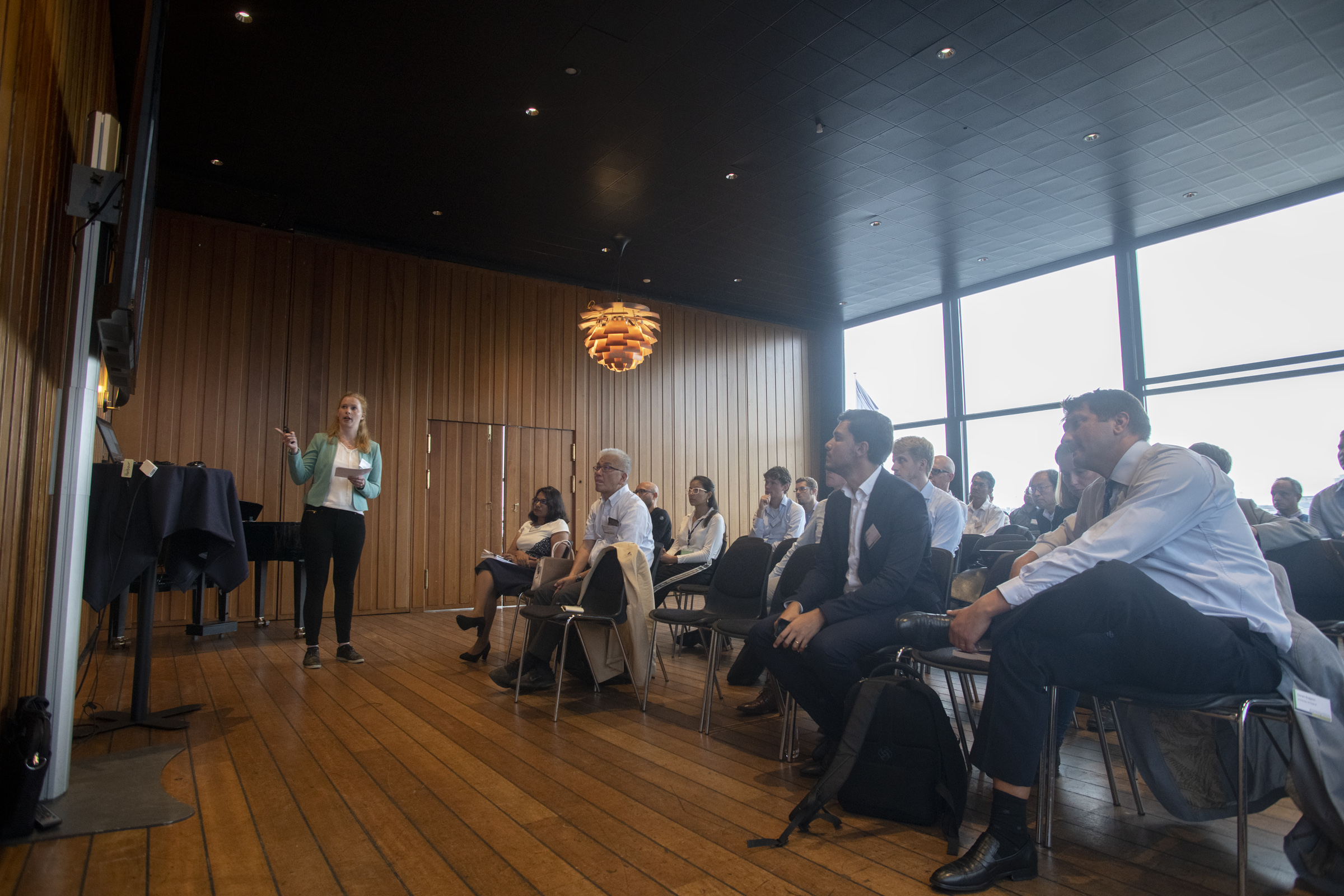
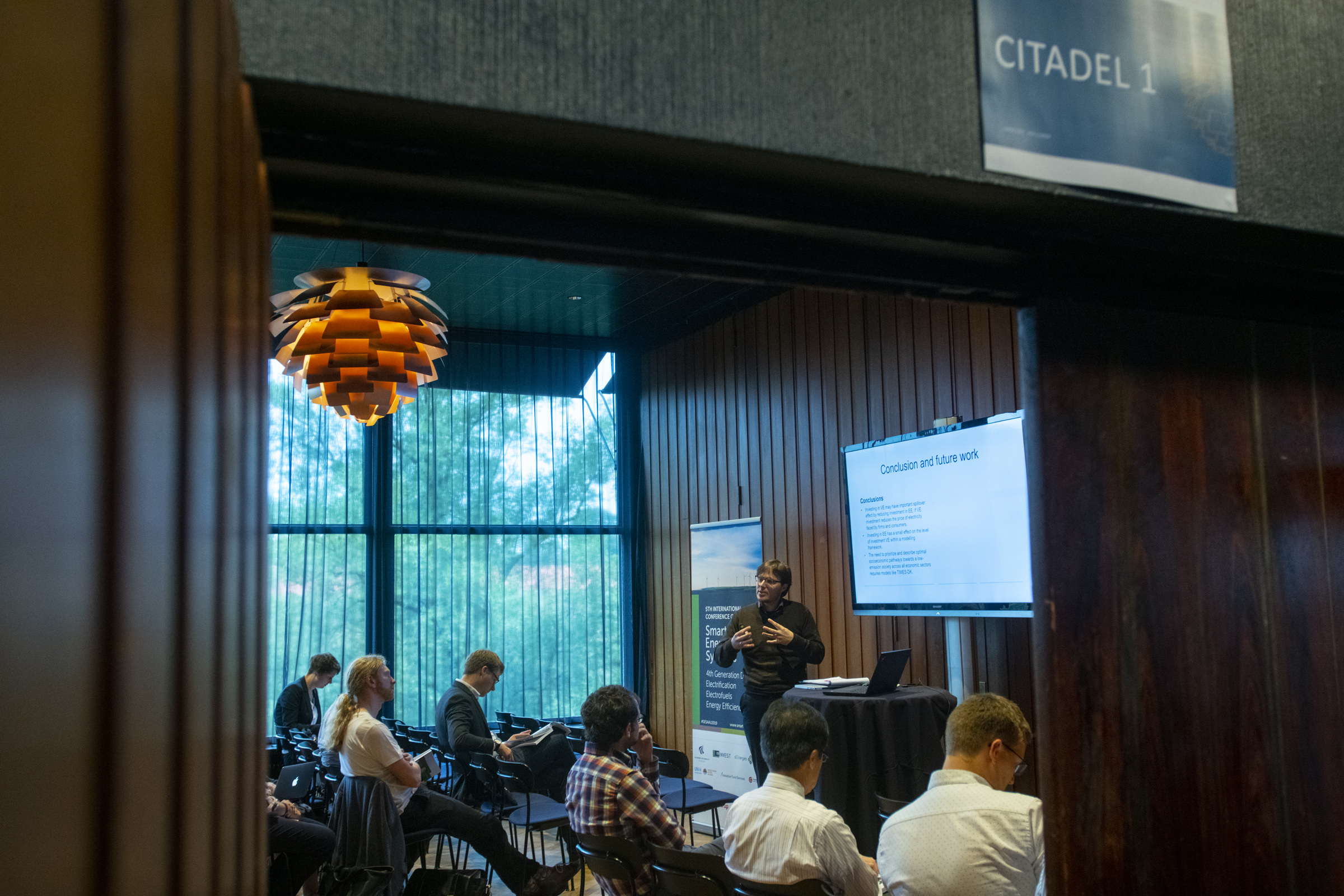
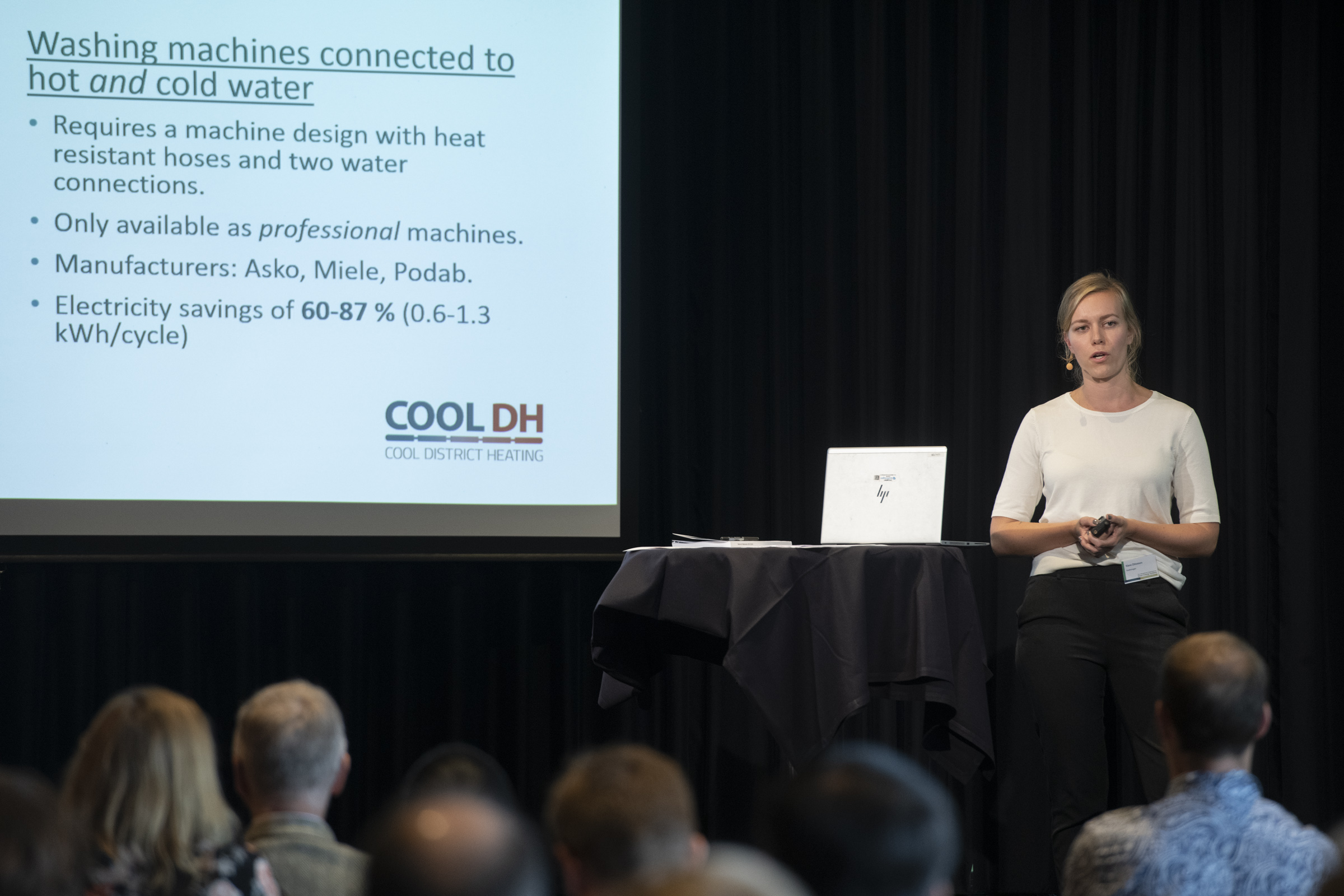
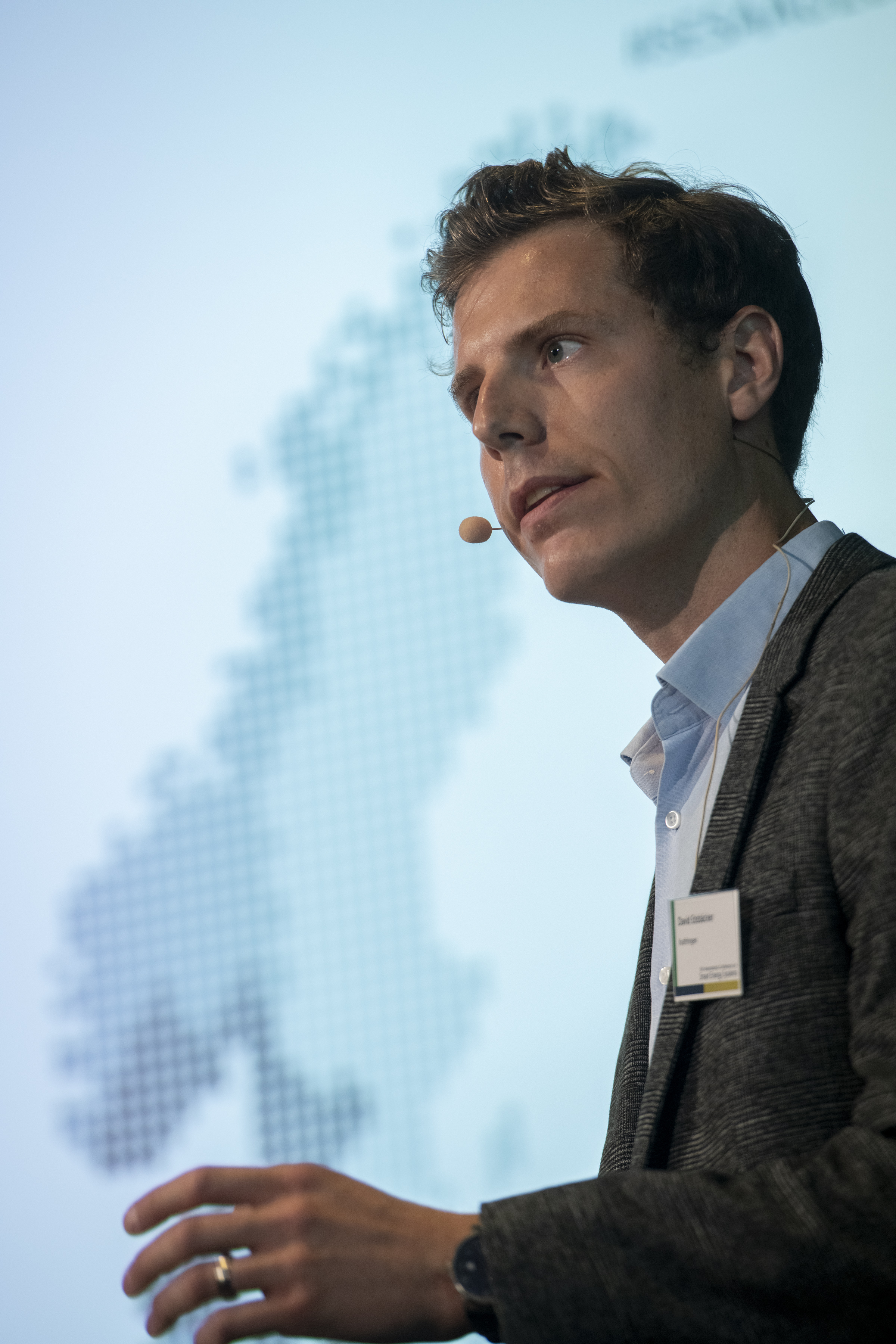


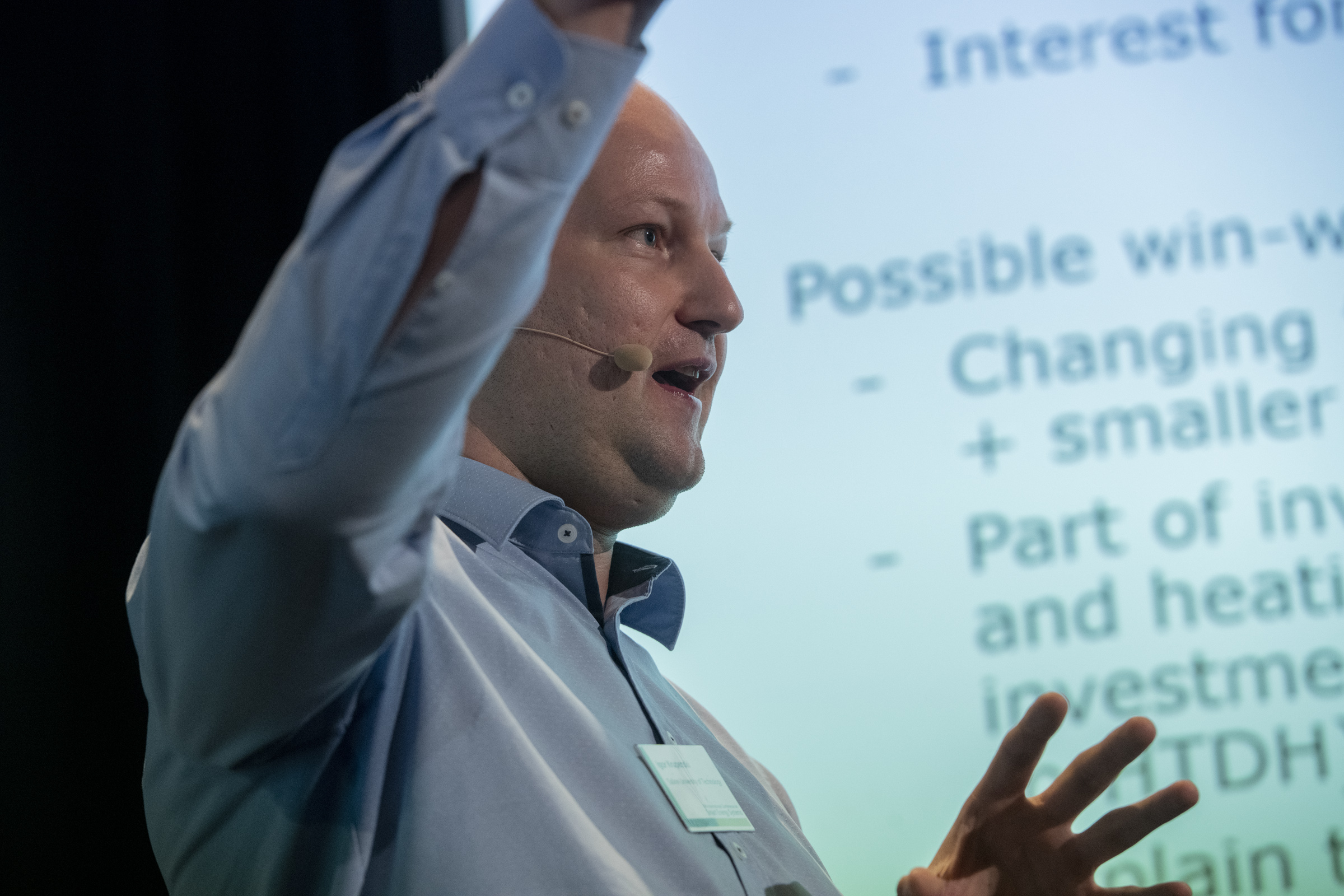



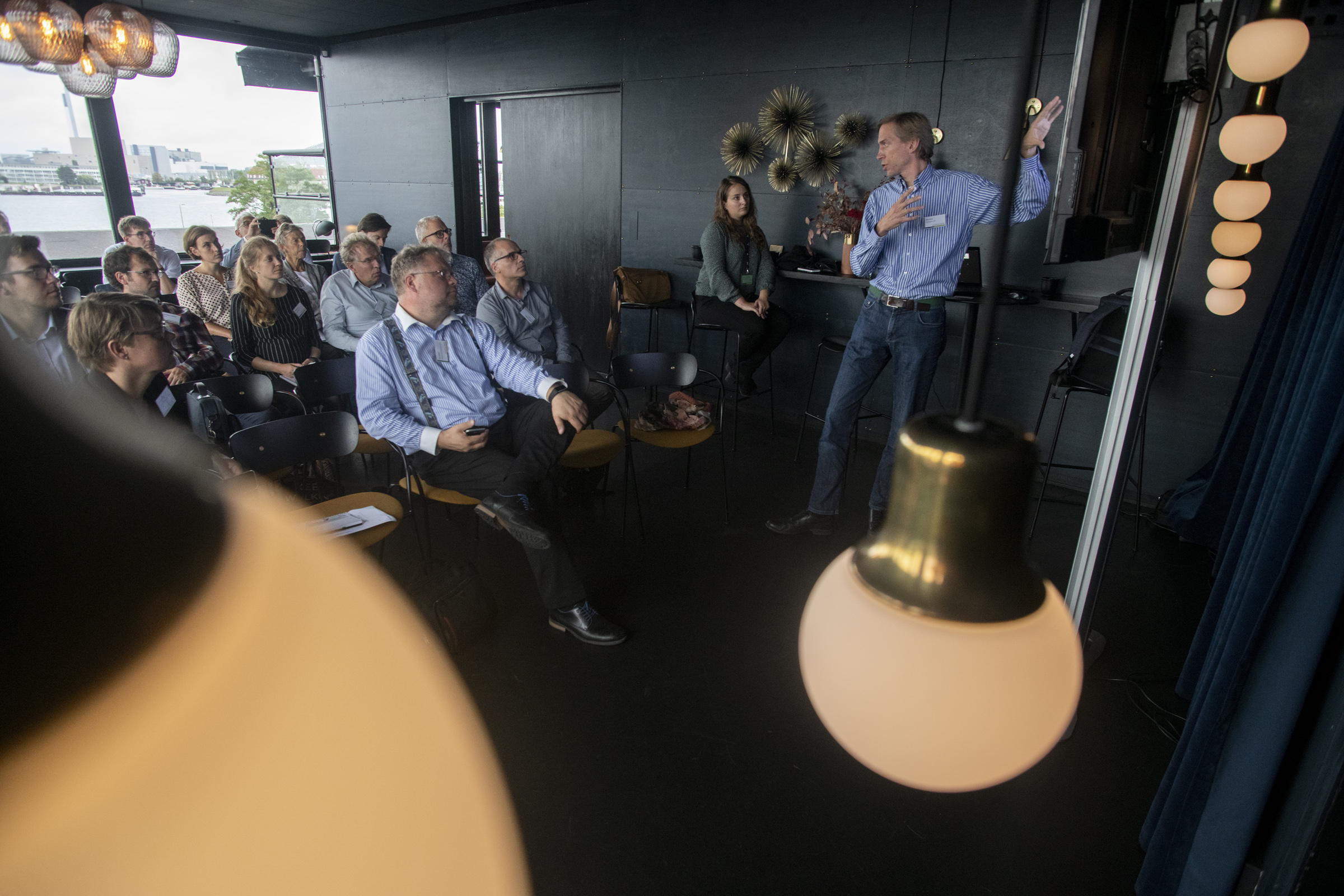
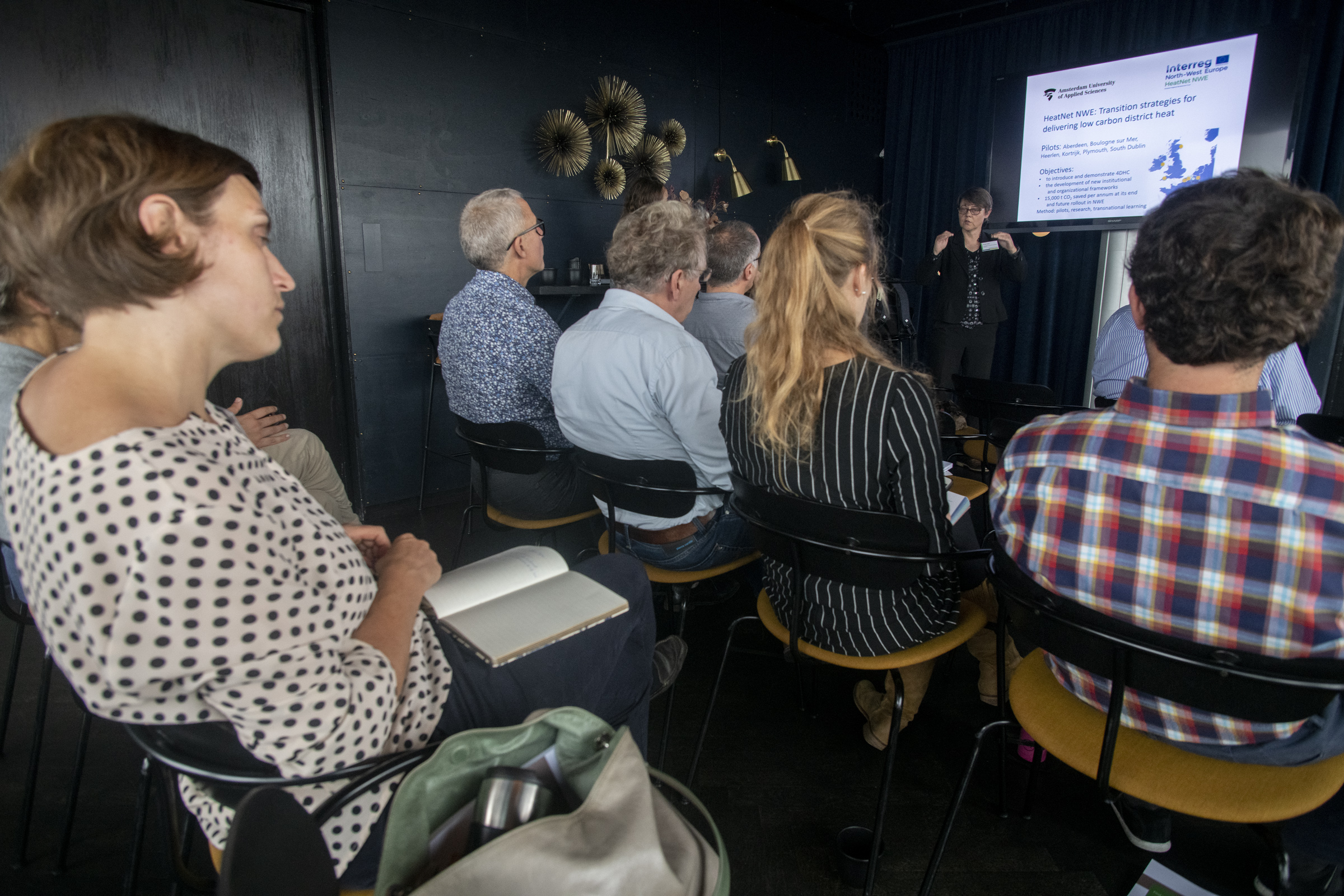



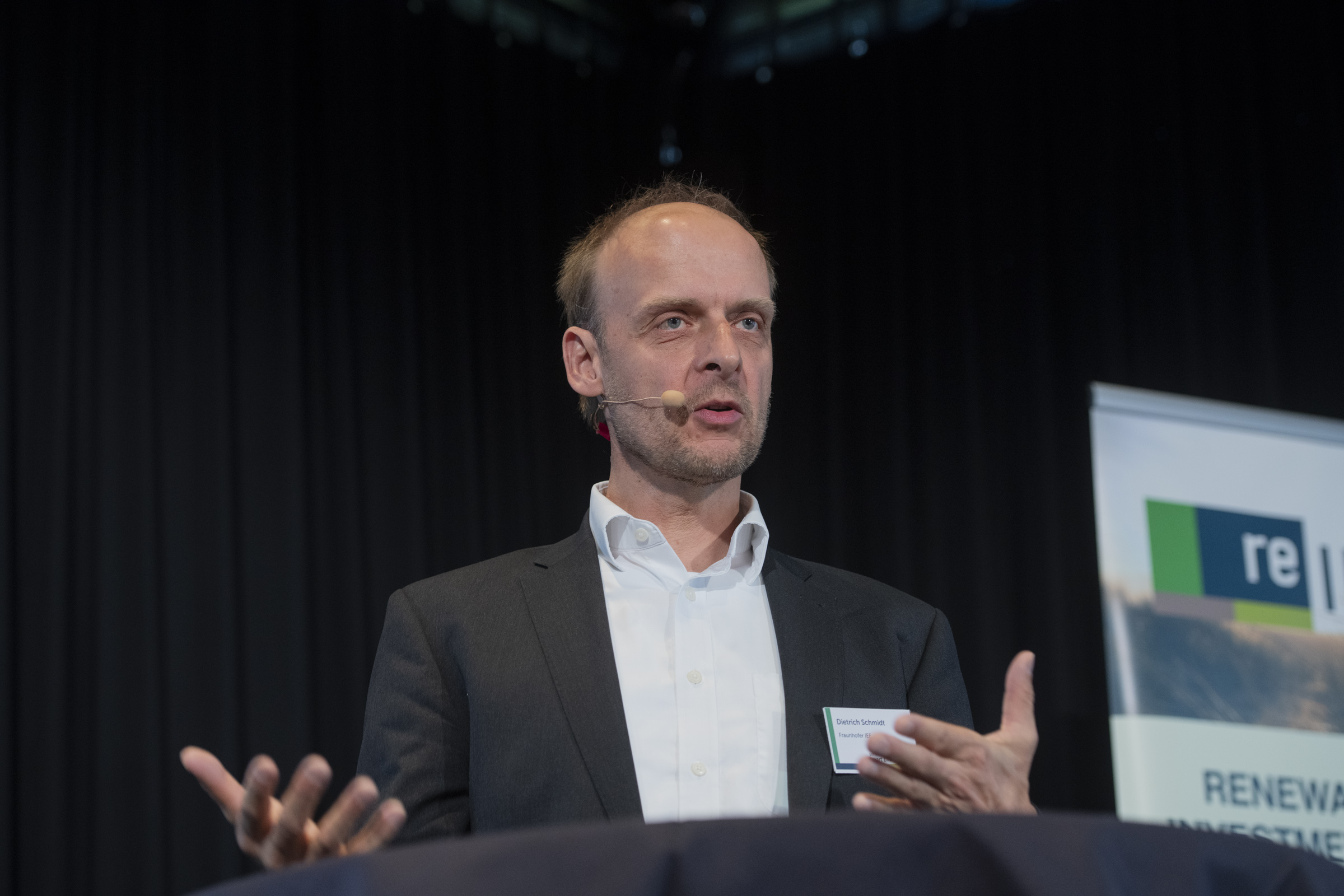














Videos
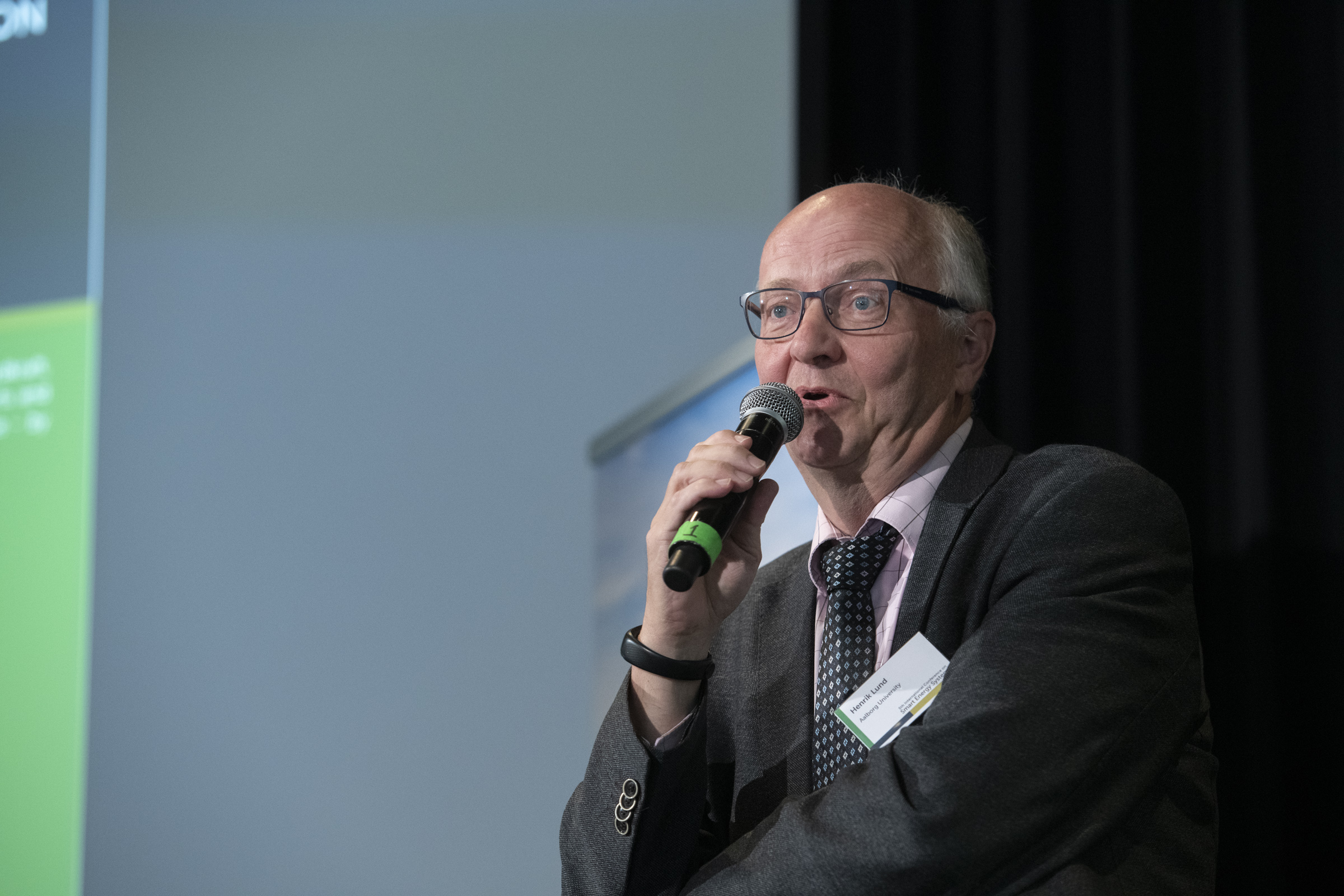
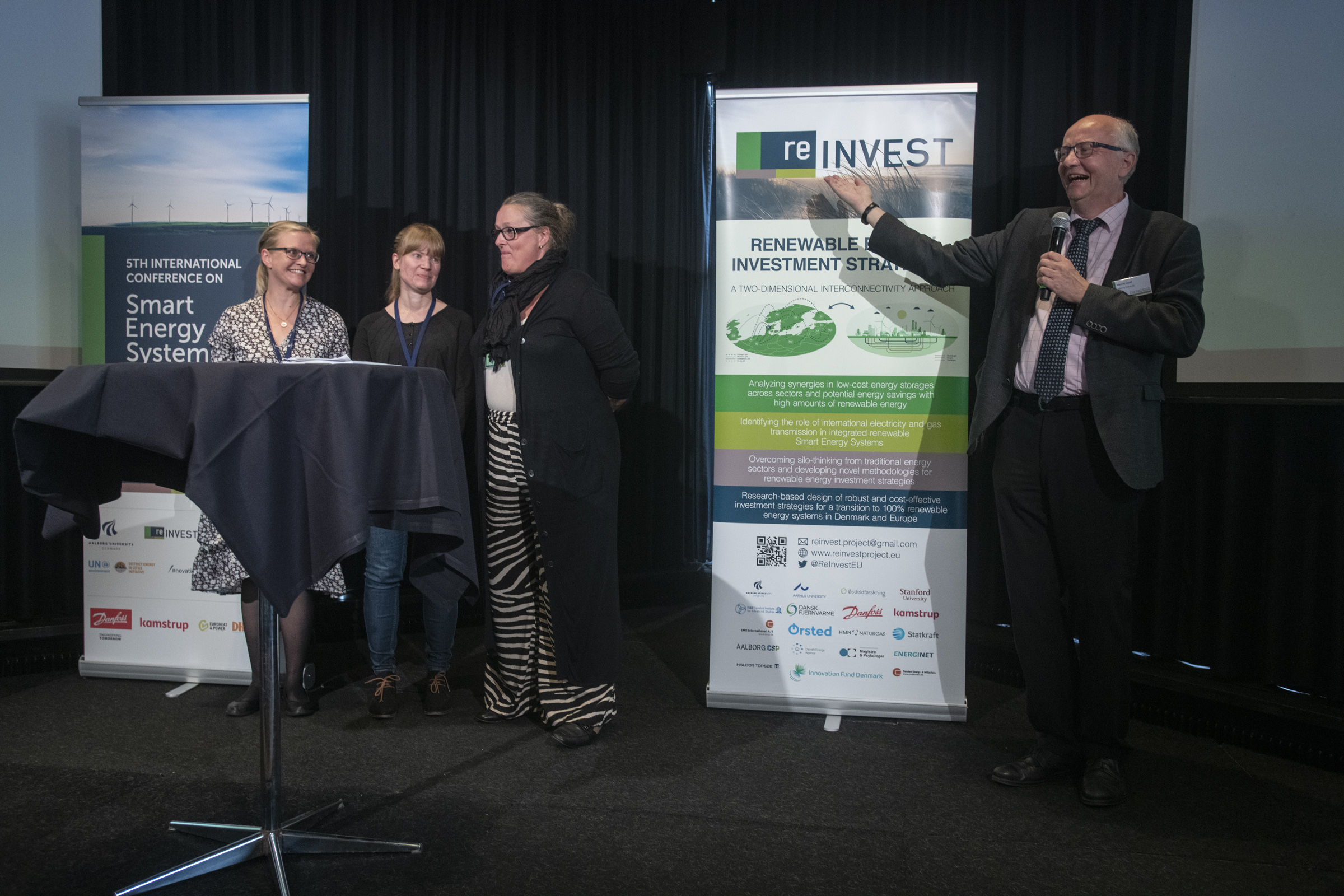
Opening speech by Henrik Lund at the 5th International Conference on Smart Energy Systems
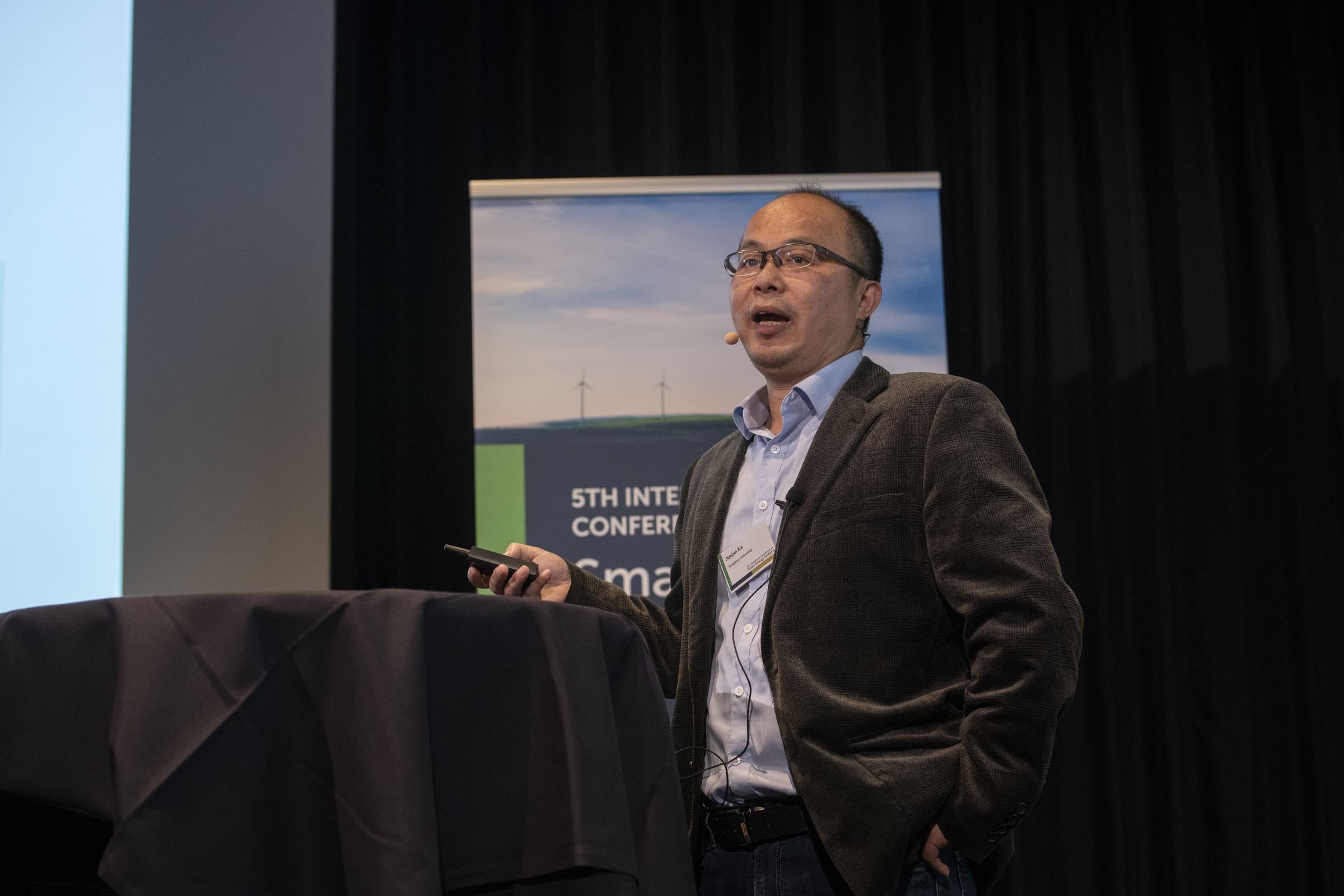
Keynote presentation by Jianjun Xia at the 5th International Conference on Smart Energy Systems
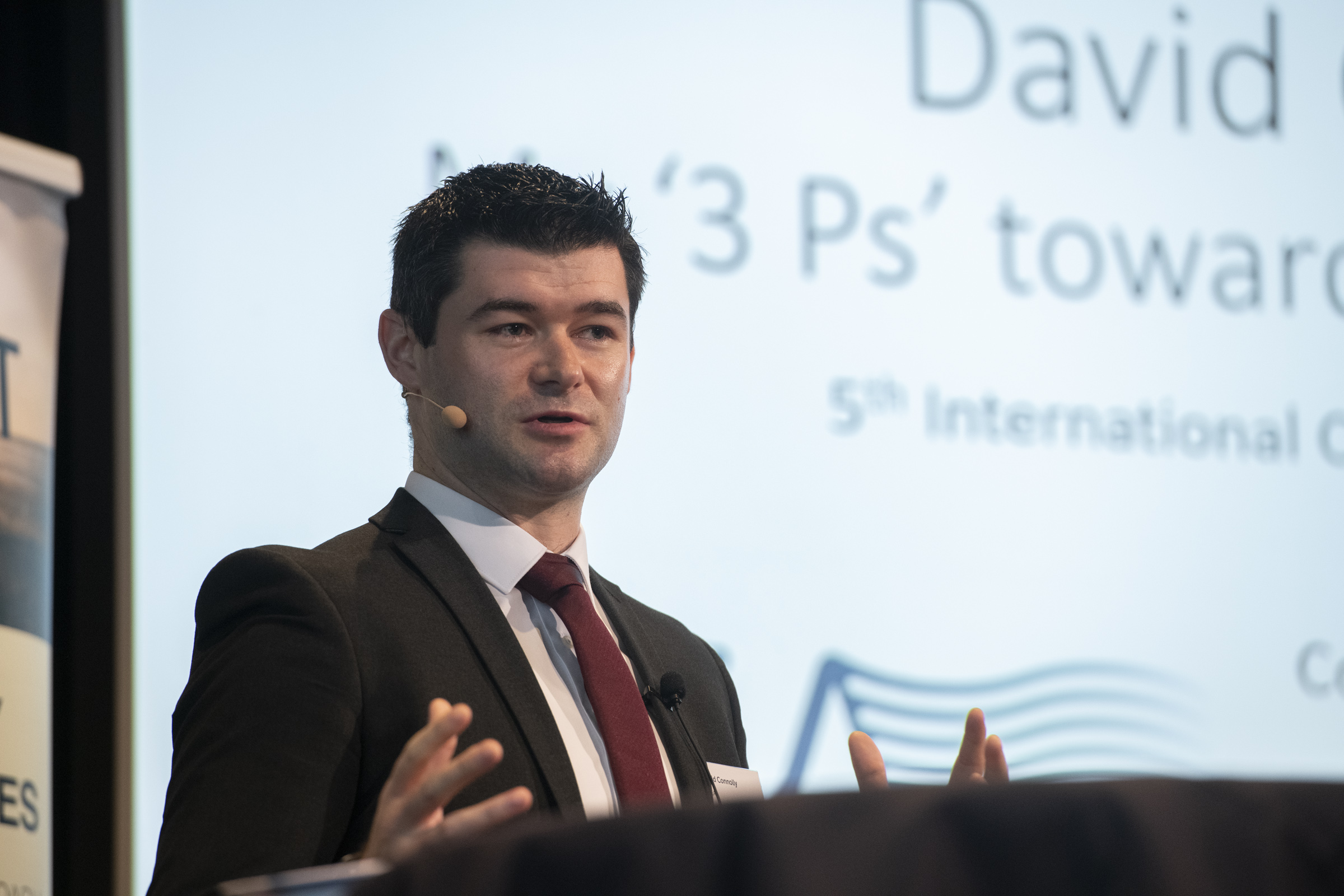
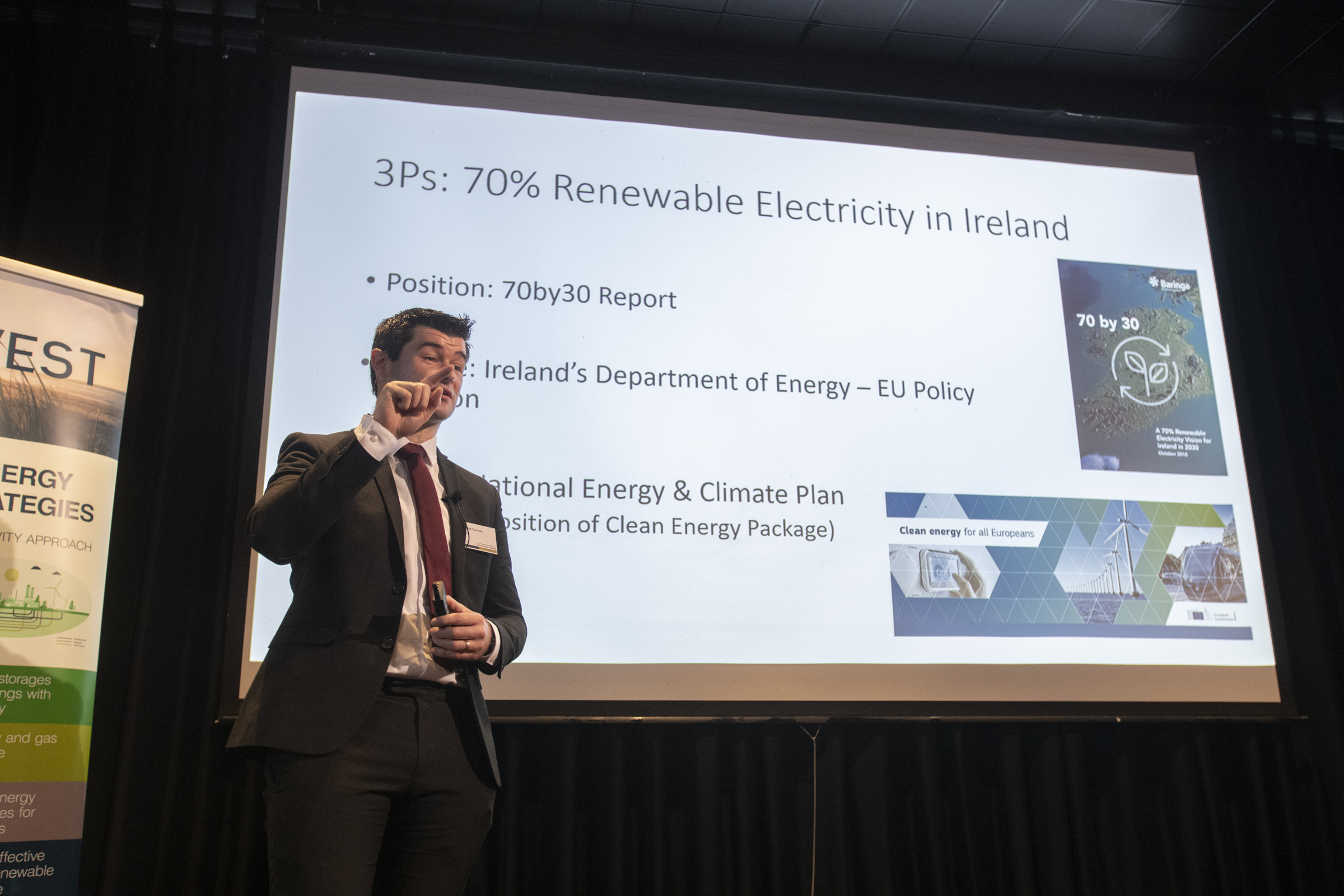
Keynote presentation by David Connolly at the 5th International Conference on Smart Energy Systems
Keynote presentation by Kristian Ruby at the 5th International Conference on Smart Energy Systems
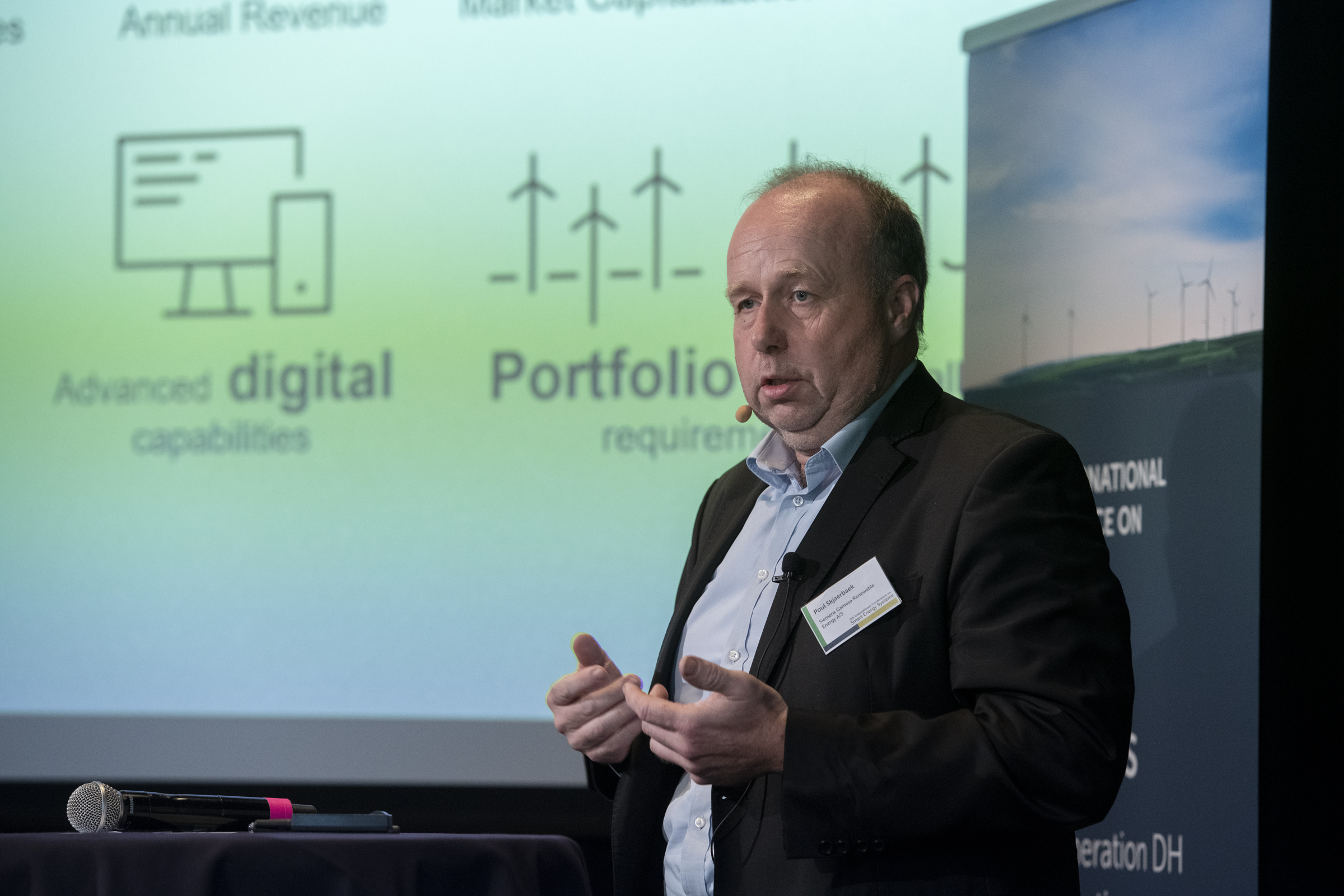
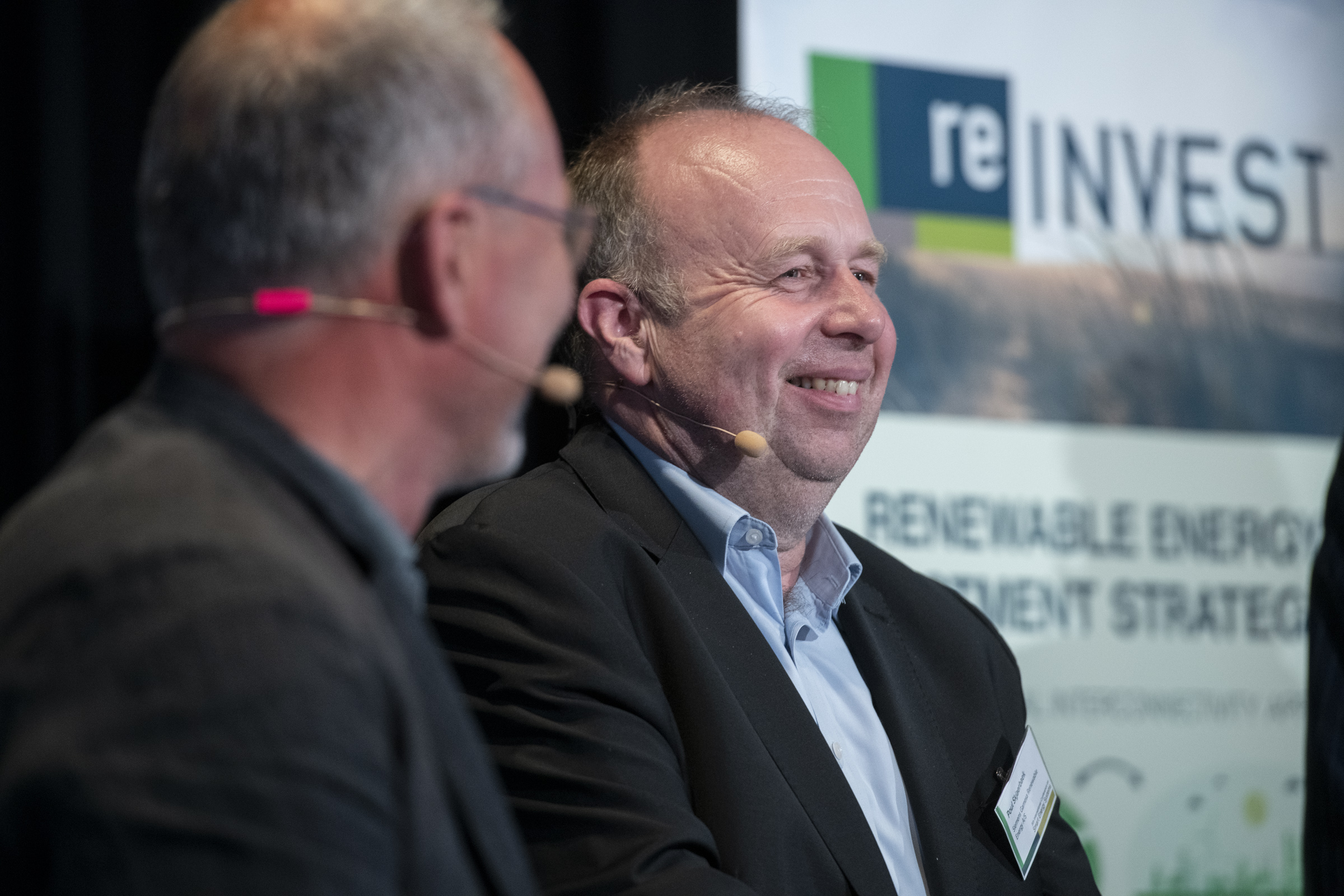
Keynote presentation by Poul Skjærbæk at the 5th International Conference on Smart Energy Systems
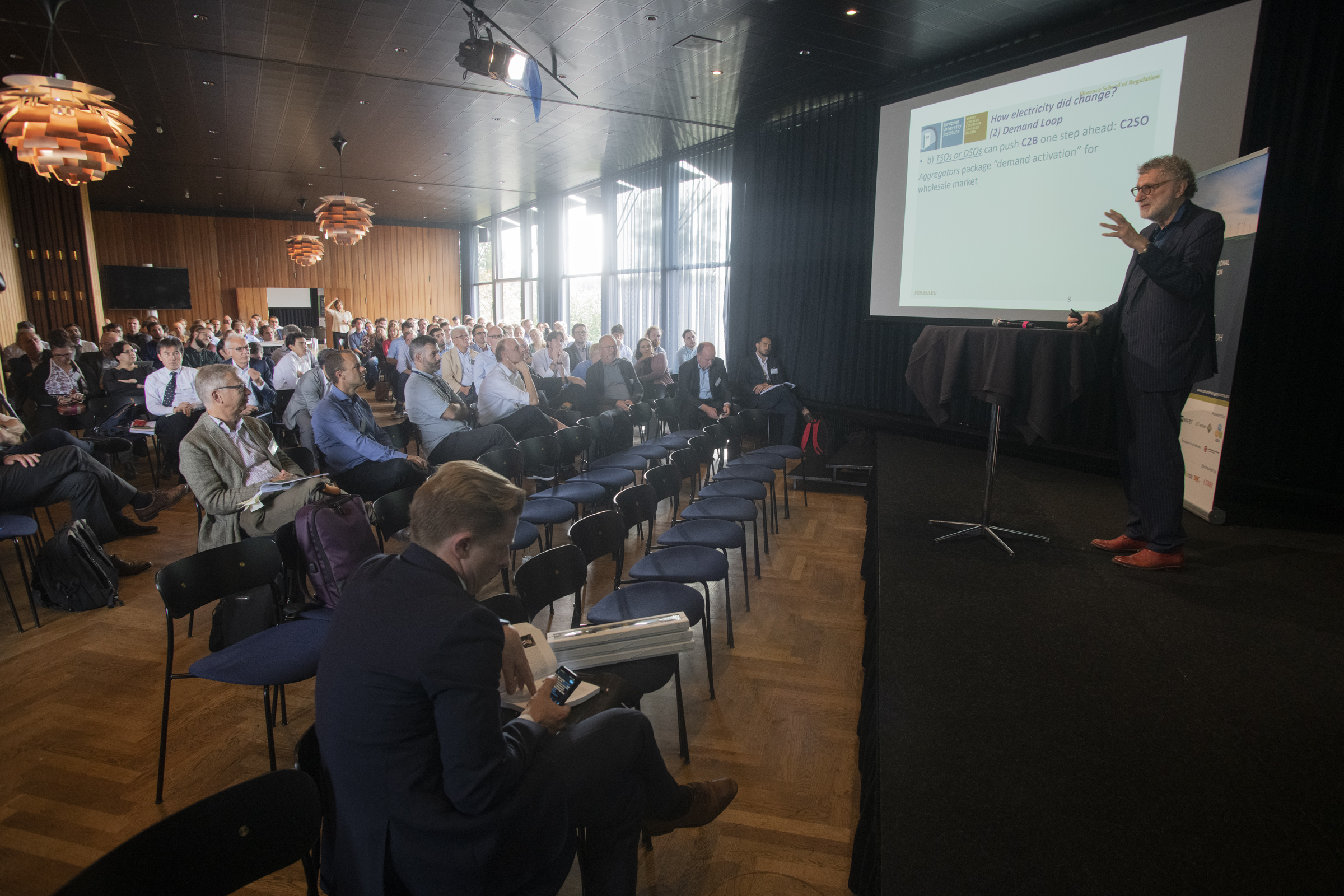
Keynote presentation by J.M. Glachant at the 5th International Conference on Smart Energy Systems
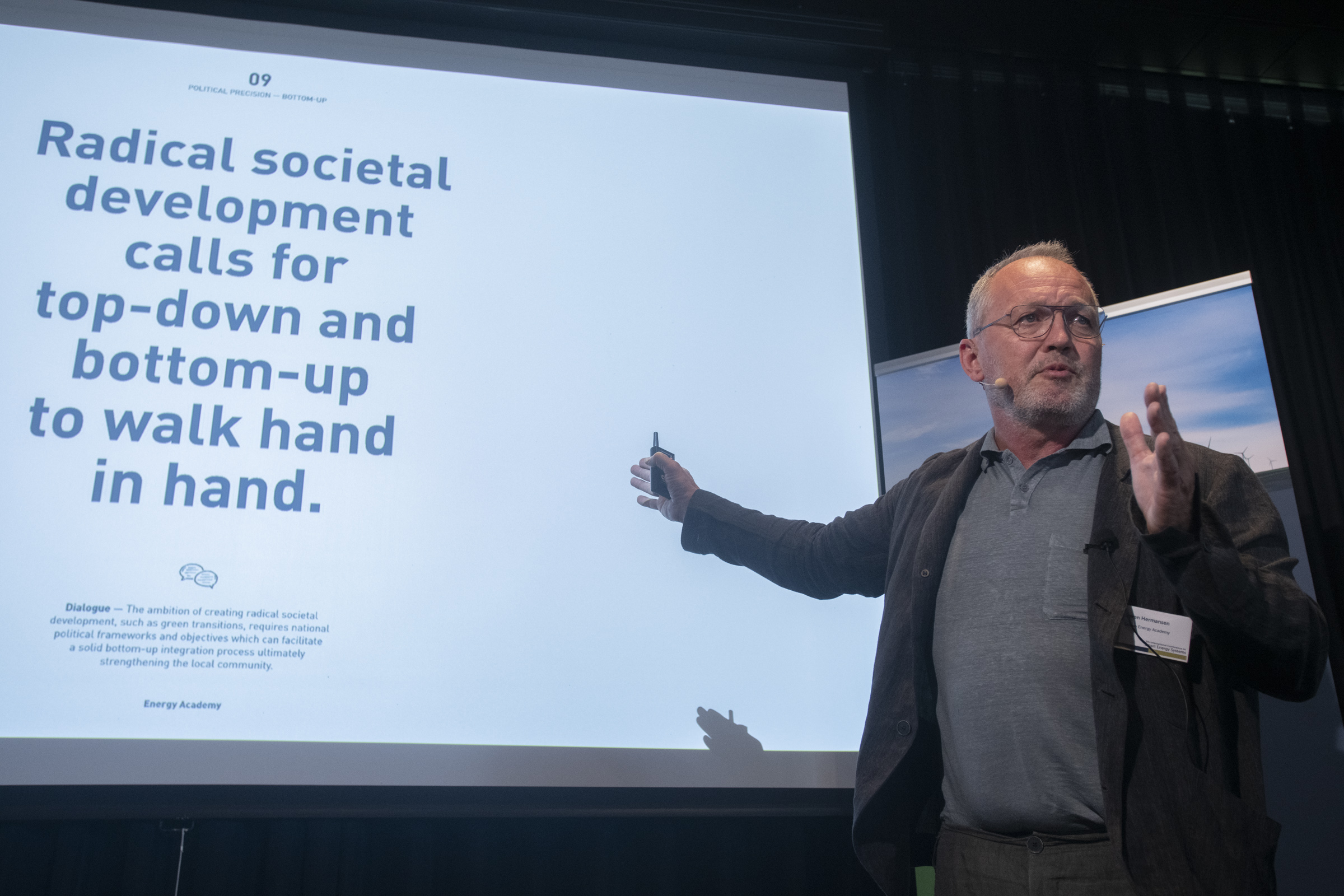
Keynote presentation by Søren Hermansen at the 5th International Conference on Smart Energy Systems
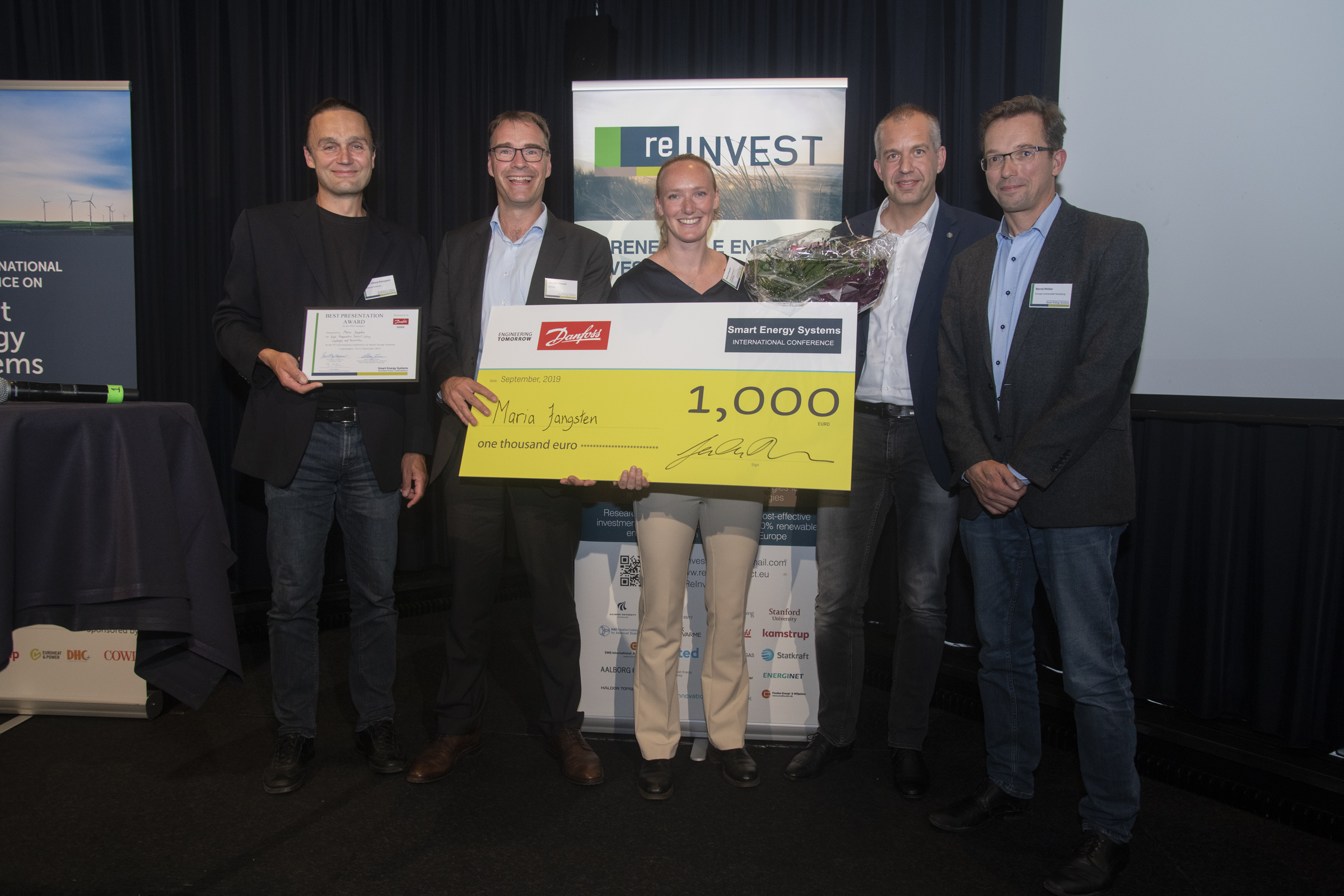
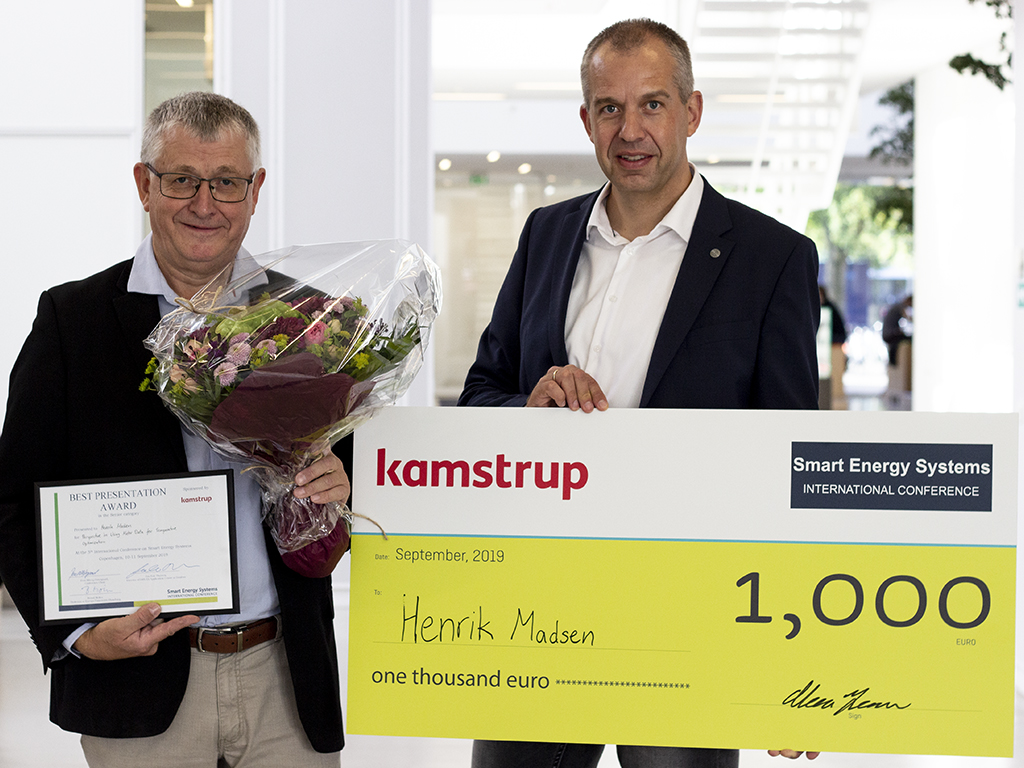
Best presentation awards at the 5th International Conference on Smart Energy Systems
Closing speech by Henrik Lund at the 5th International Conference on Smart Energy Systems
Conference Film from the 5th International Conference in Smart Energy Systems
Presentations
Henrik Lund: Welcome to SESAAU2019
Jianjun Xia: District Energy Systems in China
Kristian Ruby: Dispatches from the European energy transition
David Connolly: Wind power and district energy in Ireland
Session keynote Dagnija Blumberga: Solar Thermal or Solar Electricity, that is the question for 4GDHC
Amir Mohammad J. Khoshbaf: Technical Feasibility Assessment of 4th Generation Solar-Assisted District Heating System in Melbourne
Borna Doračić: Analysis of the integration of heat and electricity prosumers into the existing energy system with the focus on solar technologies
Carles Ribas Tugores: Large-scale solar thermal and storage for district heating in Austria: Results of techno-economic evaluation and detailed simulation studies
Ingo Leusbrock: Lessons learnt and guidelines for large-scale solar thermal and storage applications for district heating in an Austrian context
Carlo Winterscheid: Evaluation of solar district heating opportunities in Lithuania and Bosnia and Herzegovina
Session keynote Pierrick Haurant: Generation of daily load typology for district heating simulation and optimization
Jes Donneborg: Replacing Coal-Fired Plants with Renewable Sources Integrated with Thermal Storage
Arthur Clerjon: Matching intermittent electricity supply and load with energy storage: An optimization based on a time scale analysis
Michael-Allan Millar: Thermal Supply Peak Shaving for Residential Housing Stock in the UK
Mariagrazia Dotoli: Energy Scheduling of a Smart District Microgrid with Shared Photovoltaic Panels and Storage: the case of the Ballen marina in Samso
Session keynote Ralf-Roman Schmidt: Blockchain Applications and Case Studies in District Energy and Power-to-Heat
Behnam Zakeri: Interconnection of Denmark and UK: A comparative cost-benefit analysis
Akos Revesz: Conceptual design of a large scale 5G district energy network in London
Mathieu Vallee: A techno-economic assessment of combined heating and cooling production plant for district thermal network
Edward O’Dwyer: Coordination of district-level smart energy systems: multi-objective considerations
Jens Brage: Demand-side management in district heating and cooling: Final overview and conclusions from the Horizon 2020 STORM project
Session keynote Bernd Möller: The scale of district heating based on excess and geothermal heat in Europe
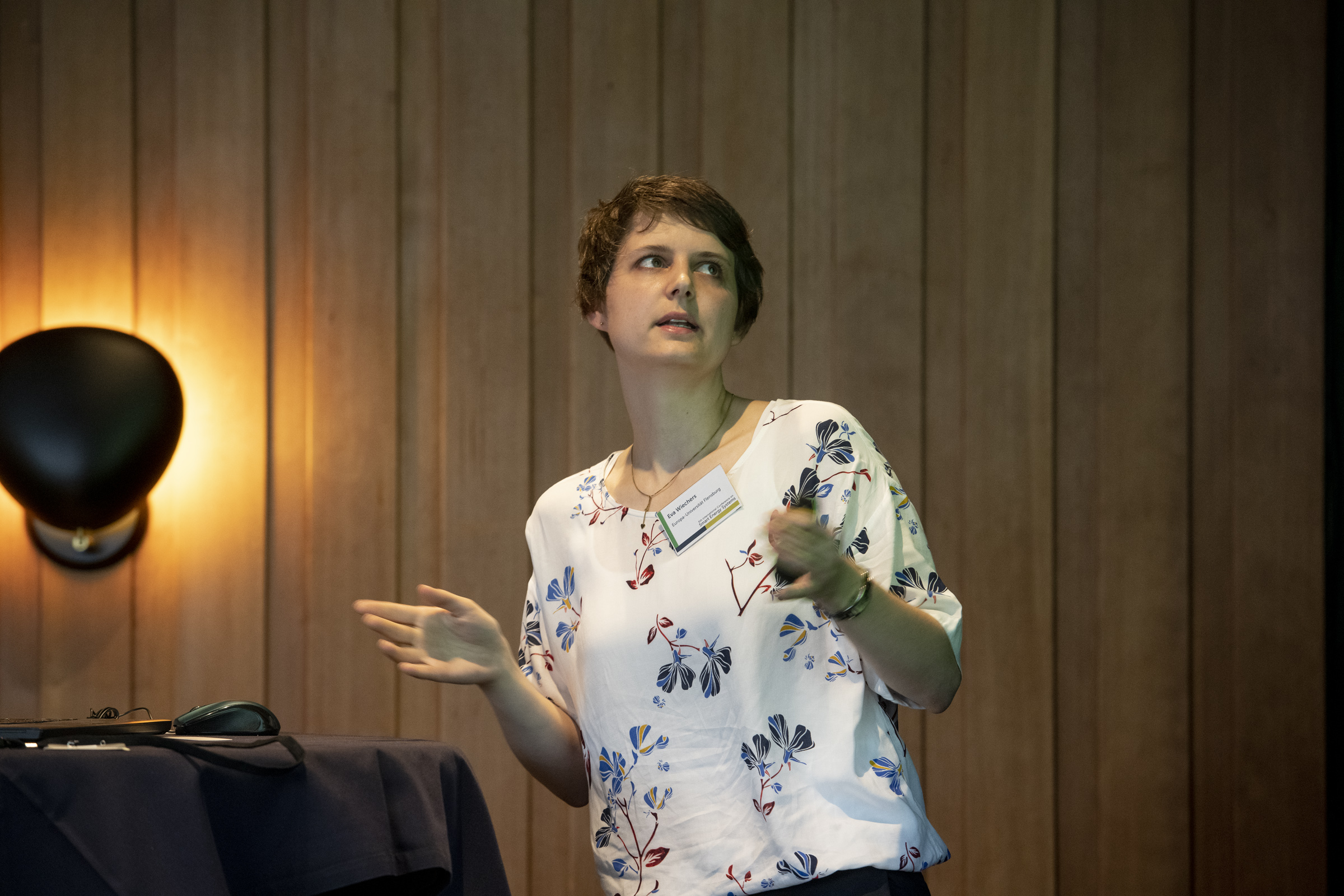
Eva Wiechers: A new basis for heat sector planning in Schleswig-Holstein: development of a regional heat atlas
Hermann Edtmayer: Spatial Agent-based simulation of thermal energy transition pathways in urban environments
Marcus Hummel: Possible synergies of heat planning processes across different cases in Europe. Applying the Hotmaps Toolbox
Magda Kowalska: Application of Hotmaps toolbox in the project DeCarb Supporting the Clean Energy Transition of Coal-Intensive EU Regions
Mostafa Fallahnejad: Determining District Heating Transmission Line Routes and Costs
Session keynote Jan Eric Thorsen: Smart operation of ULTDH booster substation for multifamily building
Christine Emilie Sandersen: Flexsumers – smart-energy ready heat customers
Hanmin Cai: Flexibility in integrated energy system: experimental insights from EnergyLab Nordhavn project
Kevin Michael Smith: Online MPC of a heat-booster substation for ultra-low temperature district heating
Morten Herget Christensen: Heating demand peak shaving in smart homes
Session keynote Ingo Weidlich: Durability of DH pipe systems exposed to thermal ageing and cyclic operational loads
Annelies Vandermeulen: Simulation-based assessment of energy flexibility offered by the thermal capacity in district heating network pipes
Jens Møller Andersen: 4-pipe District heating system
Janette Webb: Heat networks in the UK
Helge Averfalk: Heat loss comparison for single pipe, twin pipe and triple pipe configurations
Anna Volkova: Scenario development methodology for the district heating regions in Estonia
Steffen Nielsen: Assessing the geographical potential of biogas methanation in Denmark based on the existing biogas sources
Alessandro Guzzini: Analysis of the existing barriers and of the suggested solutions for the implementation of Power to Gas (P2G) in Italy
Andrei David: The potential of methanated biogas in the Danish transport sector
Benedetto Nastasi: Power-To-Gas potential for energy flexibility of grid-connected and off-grid geographical islands
Jesper Schramm: Review of ammonia as an electrofuel for Internal Combustion Engines
Session keynote Gorm Bruun Andresen: Impact of climate change on the most cost-effective technologies for decentralized heating in Europe
Egbert-Jan van Dijck: Effective use of Stakeholder Management Technology to stimulate system innovation: initial lessons from a multiple case study of 4DHC in NW Europe
Rowan Molony: Development of an Irish energy system model for the analysis of current Irish energy policy and possible alternatives
Kun Zhu: Go or wait? The impact of emission pathways on the European energy system transition under myopic planning
Kristoffer Steen Andersen: To EE or to VE: Interaction between VE and EE in meeting long term climate policy
Roberto Bricalli: Impact of climate change on long-term planning of electrical systems based on renewable sources in Europe
Session keynote Bent Ole Gram Mortensen: Purpose limitation for smart metering data
Christian Thommessen: An innovative concept to increase the efficiency of existing combined heat and power plants in developing district heating systems
Paolo Leoni: Developing innovative business models for reducing return temperatures in district heating systems: approach and first results
Richard van Leeuwen: Towards municipal heat solution strategies
Zhikun Wang: Sizing of district heating systems based on smart meter data – Understanding aggregated domestic energy demand in Great Britain
Michiel Fremouw: How LowEx can you go? Validating the PLANHEAT (D)HC toolkit at the TU Delft campus
Session keynote Paula Ferreira: The importance of demand response for low carbon energy scenarios
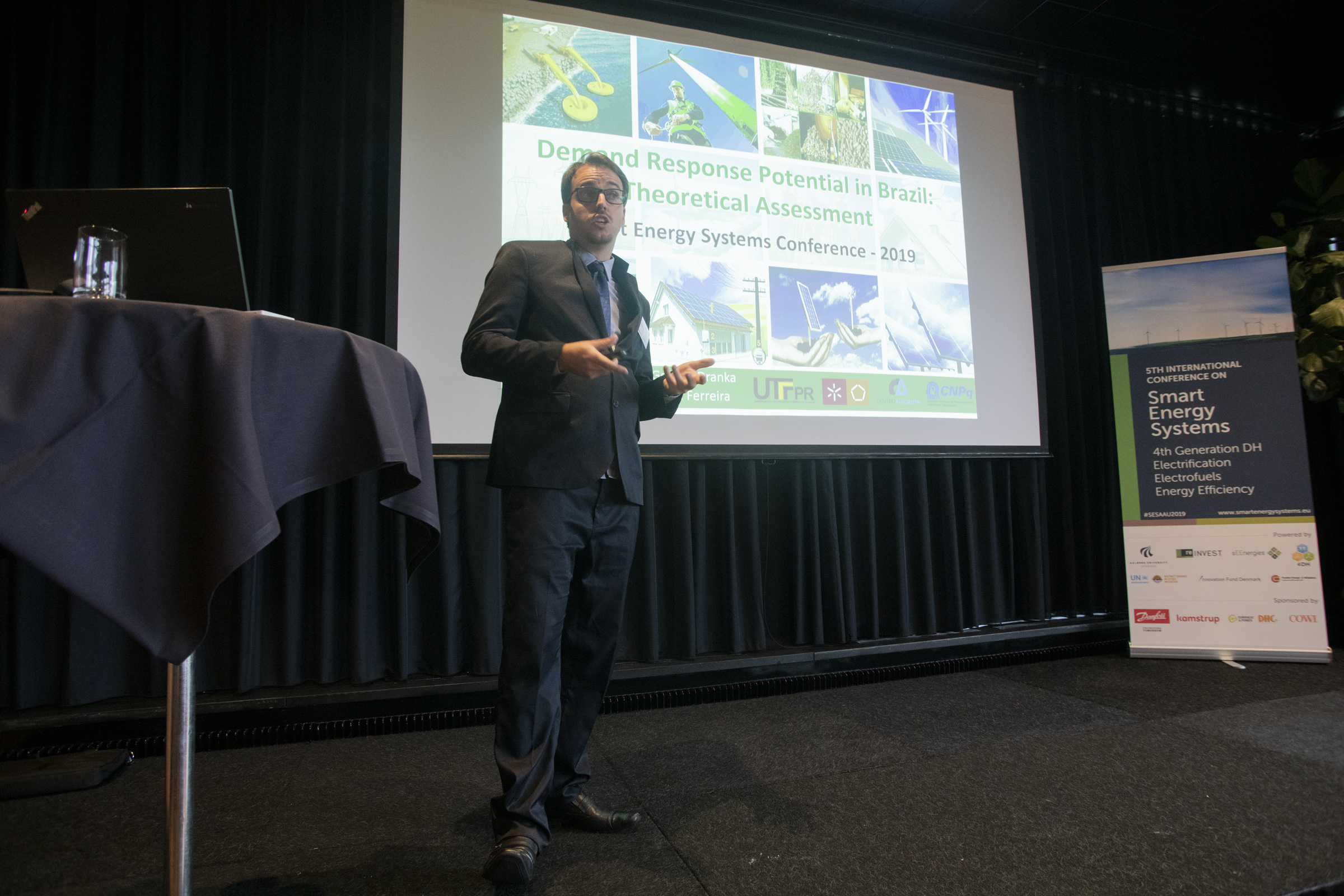
Geremi Gilson Dranka: Demand Response Potential in Brazil: Theoretical Assesment
Rasmus Elbæk Hedegaard: Investigation of the energy flexibility potential of Danish residential building archetypes
Sara Månsson: Validation of fault detection methods for district heating customer installations
Shahrooz Abghari: Data Analysis Techniques for Monitoring District Heating Substations
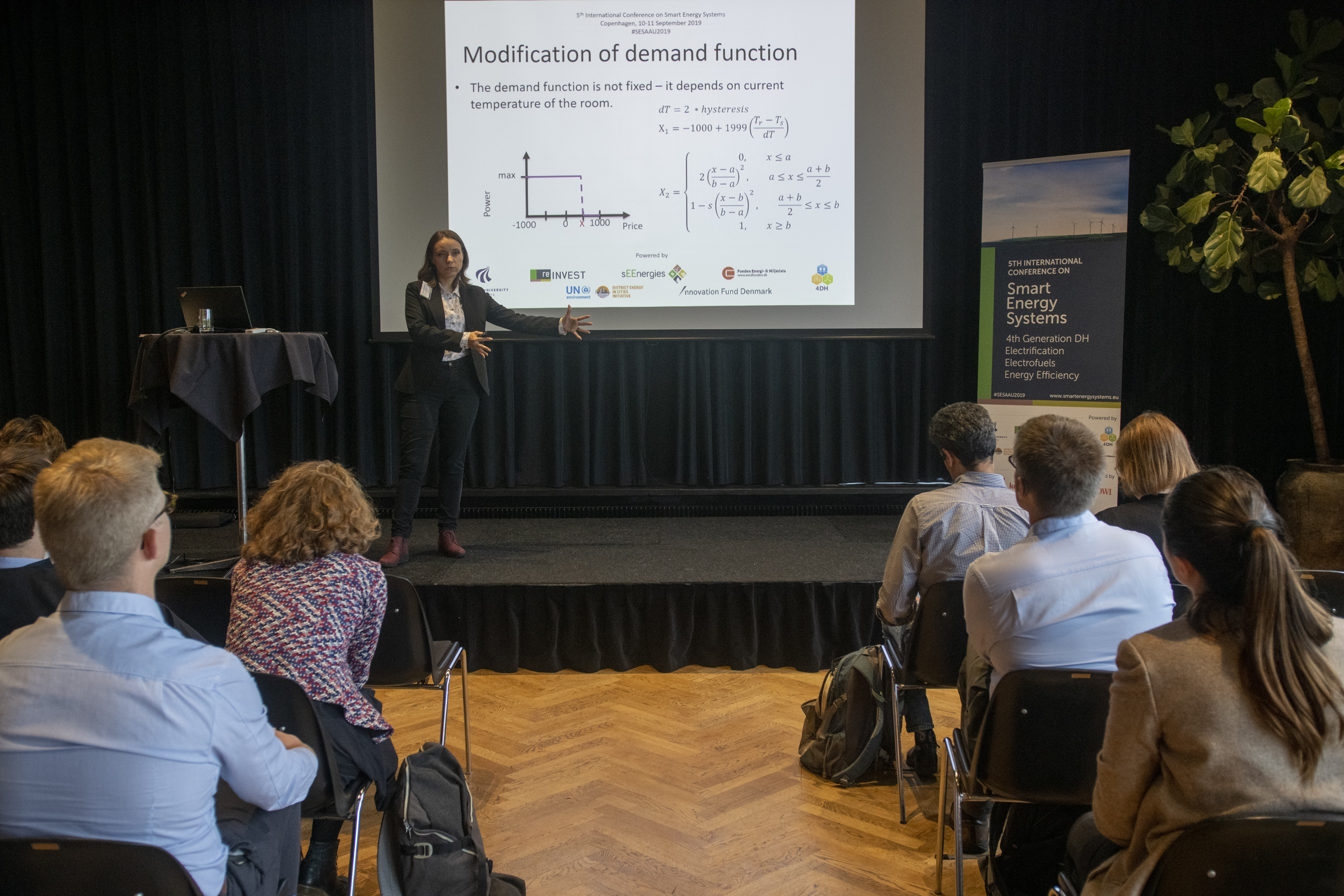
Weronika Radziszewska: Testing of a price-based decentralized system for power balancing on real-life HVAC installation
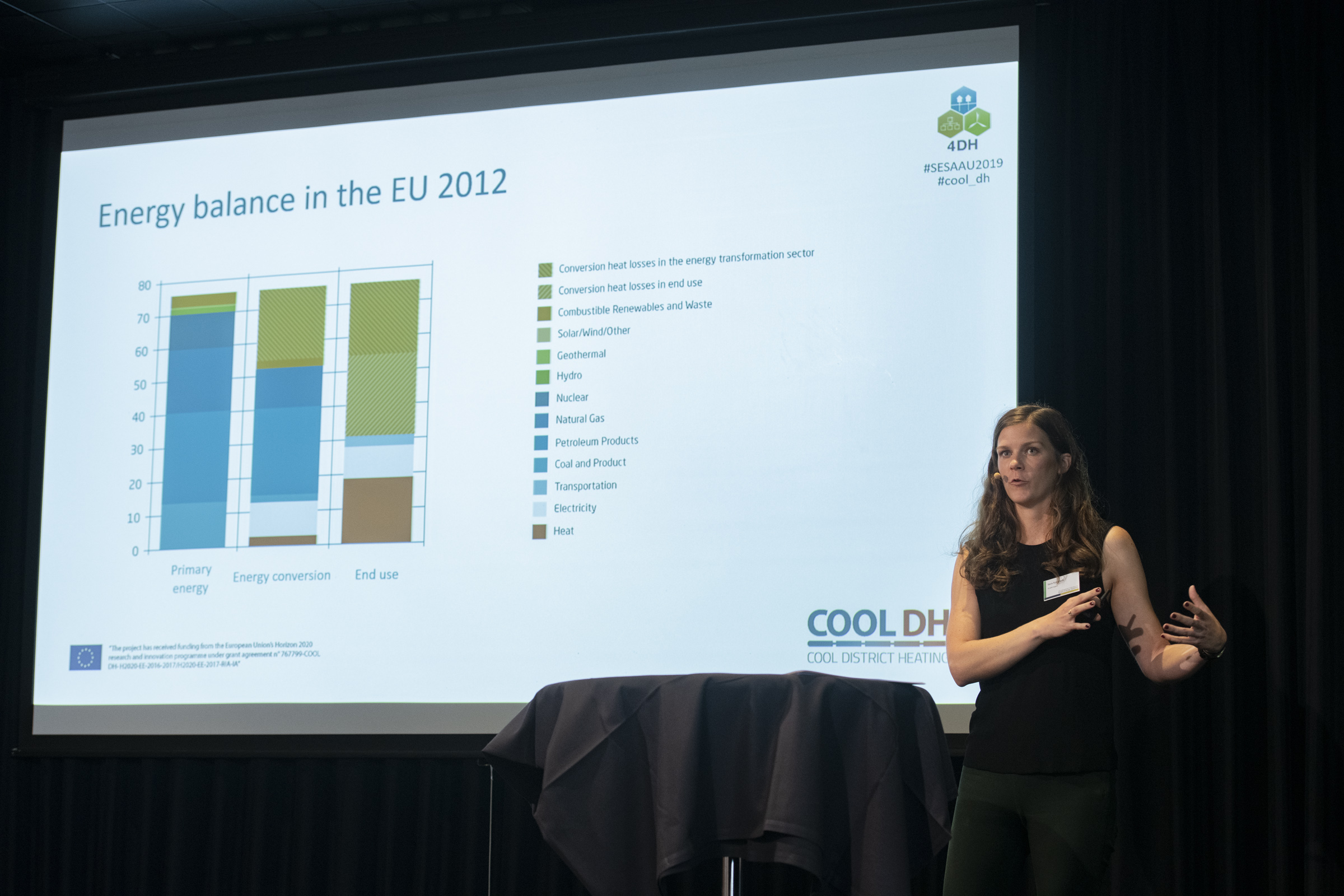
Session keynote Sara Kralmark: Introduction to COOL DH
Steen G. Olesen: How to convince the locals to change to LTDH, Osterby example
Klaus G. Lauridsen: Development of a 4th generation District Heating preinsulated piping system
Dennis Kerkhof: Xplorion – energy efficient building using low temperature district heating
Klara Ottosson: Heat driven appliances
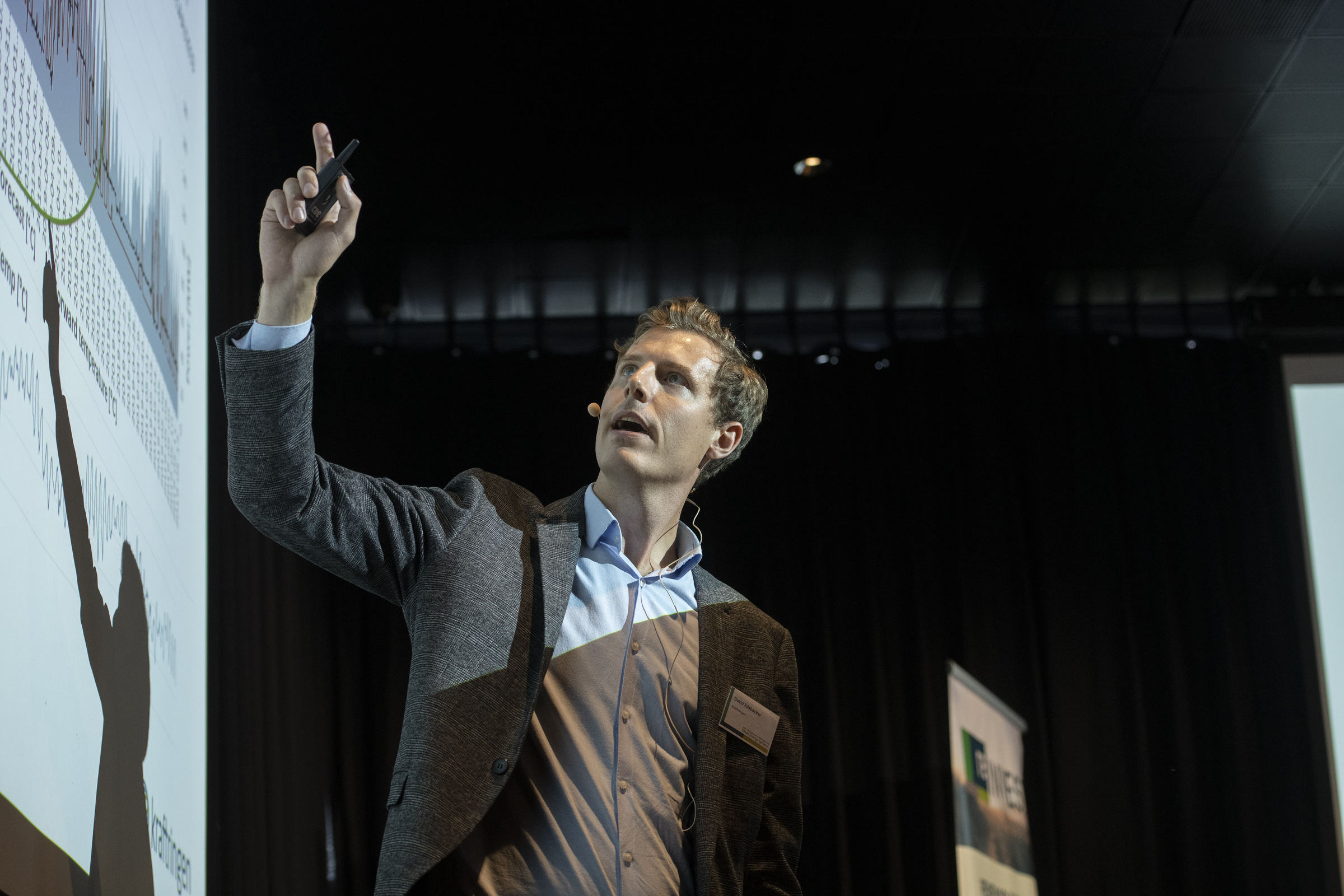
David Edsbäcker: Securing a lower grid temperature through increased digitalization—Using heat load forecasting and feedback from the grid
Session keynote Goran Krajačić: Techno-economic analysis of upgrading heating systems into sustainable DHS
Hiroyasu Shirato: Development and Application of New Heat Supplying Systems Utilizing Hot Spring Water in the Northern Island of Japan
Shalika Walker: Analyzing possibilities of using energy from surface and sewage water for the energy transition of the built environment – Study in the Netherlands
Allan Oliveira: Low-Enthalpy Geothermal Heating Systems Modeling: Reducing Risks for Decision Makers and Consumers
Friederike Stelter: Trends of hybrid energy systems with the focus on power-to-heat technologies
Julio Vaillant Rebollar: A framework for energy performance assessment of a large BREEAM certified GEOTABS implemented in Kortrijk
Session keynote Alessandro Provaggi: What are the next priorities for innovation in Europe?
Ari Laitala: Organizational challenges and possibilities for energy efficiency enhancement in the Finnish municipality sector
Kirsten Hasberg: From distribution grid to interaction grid: Fundamental questions of roles and tariffs of distribution grids in 100 % renewable energy systems
Max Fette: System friendly operation of sector coupling devices: between welfare requirements and business reality
Renee Heller: Progress towards 4DHC in different national and regional contexts
Session keynote Reinhard Haas: On the role of storage in smart energy systems
Michael Reisenbichler: Towards large-scale thermal energy storages for renewable district heating systems
Keith O’Donovan: gigaTES: Giga Scale Pit Storage as essential part of district heating system
Tiziano Gallo Cassarino: Designing zero emission, least cost, and high renewable energy systems that optimise storage and interconnections
Joseph Maria Jebamalai: Influence of centralized and decentralized thermal energy storage on district heating network design: A comparative case study
Session keynote Tobias Fleiter: Deep decarbonisation of the EU industry – A model-based assessment of alternative pathways
Amela Ajanovic: Prospects for the electrification of passenger cars
Eliana Lozano: Electro-HTL biorefinery for the production of advanced liquid biofuels
Timo Kannengiesser: Design and Evaluation of Flexible Sector-coupling Pathways in Future Urban Energy Supply Systems
Elisa Guelpa: Integration of power to heat technology in thermal networks
Poul Skjærbæk: Offshore Wind Power & Electrofuels
Jean-Michel Glachant: The second wave of electricity system revolutions: Peer-2-Peer and Communities
Søren Hermansen: Resilient communities – Samsø island – a living lab for community ownership
Session keynote Peter Sorknæs: Livo – A micro-scale smart energy system
Raffaele De Iulio: Analysis of Smart Energy System approach in local Alpine regions – a case study in Northern Italy
Els van der Roest: Power to X: a novel, reliable, affordable and clean energy and water system for a neighbourhood
Costanza Saletti: A smart controller for small-scale district heating and cooling networks: development and testing
Matteo Giacomo Prina: EPLANopt optimization model based on EnergyPLAN applied at regional level: the future competition on excess electricity production from renewables
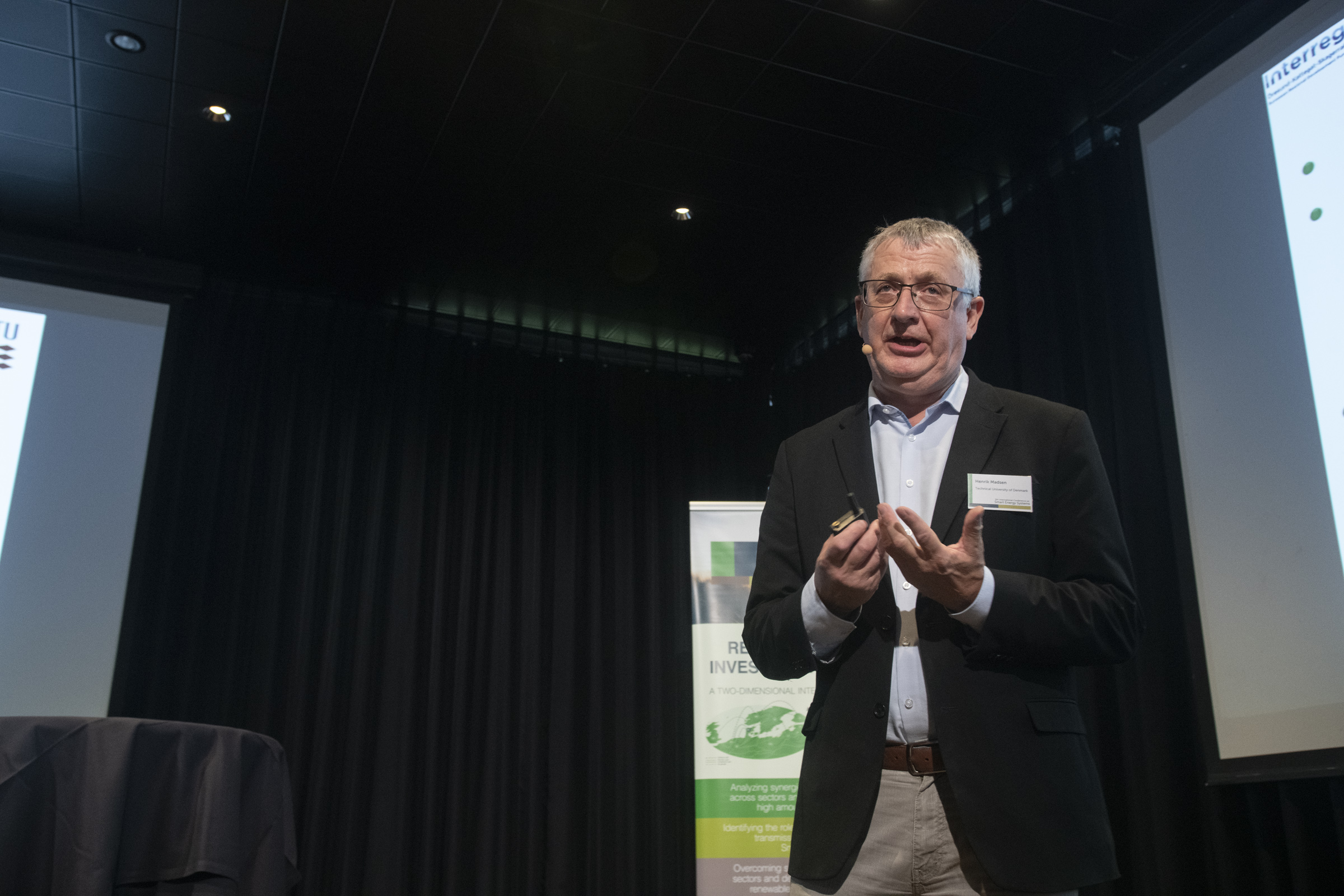
Session keynote: Henrik Madsen: Perspective in Using Meter Data for Temperature Optimization
Igor Krupenski: Low temperature district heating network energy cascade connection to the return line of a high-temperature district heating network
Phil Jones: 5th Generation Heat Networks – A Roadmap to decarbonising heat using ultra low temperature networks
Sabine Jansen: Designing smart low temperature heat grids based on spatial allocation of demands and sources
Tobias Sommer: The reservoir low temperature network: A new topology for simultaneous heating and cooling
Session keynote Brian Elmegaard: Accurate modeling of heat pumps and excess heat sources in energy system models
Francesco Neirotti: Comparison of electricity mixes in generation and demand: the case of heat pumps in Alpine regions
Jann Launer: Open models of optimal system operation in central vs. decentral heat supply
Ashish Chawla: A practical approach to performing Pinch Analysis followed by Heat Exchanger Network retrofit of an oil refinery
Tom Prinzie: Floating Solar Photovoltaic System: Part 2 – Insight on the feasibility and optimal design considering ecosystem thermodynamics
Session keynote Philipp Schütz: Automated building modelling based on Smart Meter Monitoring Data
Hagen Braas: Generating DHW load profiles of buildings with realistic simultaneity for DH system simulations using DHWcalc and TRNSYS
Martin Heine Kristensen: Citywide hourly dynamic heat load forecasts using building archetype modelling
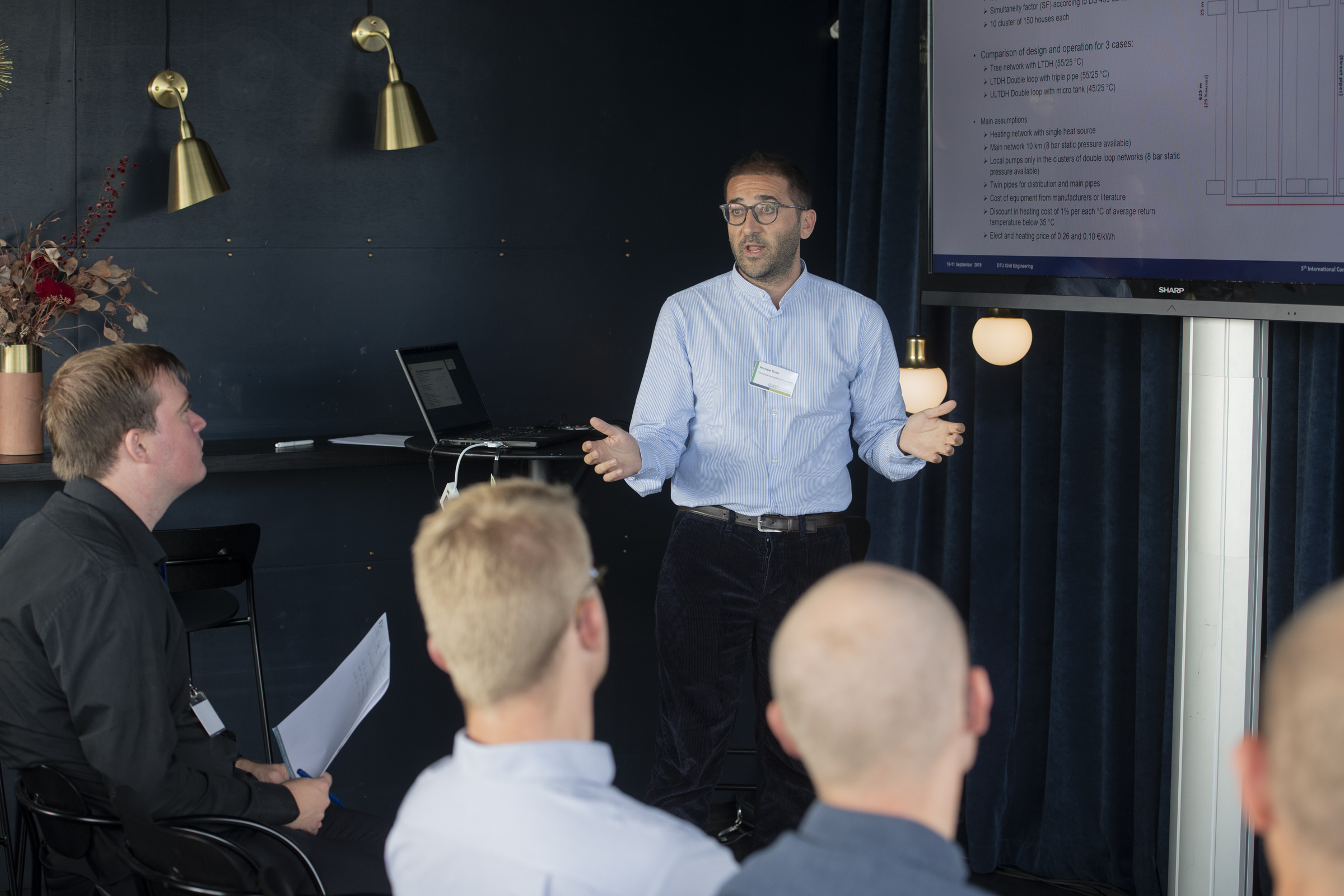
Michele Tunzi: Smart double loop network for ultra-low temperature district heating in low-heat density areas
Pierre J.C. Vogler-Finck: Data-driven control for efficient and flexible energy use at building level – field investigations in Denmark
Andra Blumberga: Smart Urban Regeneration in Transition to Positive Energy Block
Session keynote Alfred Heller: HEAT 4.0 – Digitally supported Smart District Heating
Basak Falay: Enabling large-scale dynamic simulations and reducing model complexity of district heating and cooling systems by aggregation
Gerald Schweiger: 4th Generation District Heating – a SWOT-AHP Analysis
Leire Chavarri: Flexible district heating network model that predicts mass flow, pressure and temperature losses
Richard Büchele: Opportunities and challenges of future district heating portfolios
Maria Jangsten: High Temperature District Cooling – Challenges and Possibilities
Session keynote Vittorio Verda: Proper modelling approaches for operational simulation and optimization of large district heating networks
Inger-Lise Svensson: Reducing local energy system CO2 emissions by exploiting differences in district heating and electricity CO2 intensity in a local energy market
Monica Arnaudo: Techno-economic Assessment Of Distributed Heat Pumps Integration Within a Swedish Neighbourhood
Ralf-Roman Schmidt: Pooling concepts for domestic heat suppliers in Austria
Tijs Van Oevelen: Testing and evaluation of the STORM controller in two demonstration sites
Shadie Broumandi: Residential heat consumption drivers towards 4th generation district heating: An econometric approach for Viborg district heating in Denmark
Session keynote Anders Dyrelund: Smart integration of district heating, district cooling, waste water and ground source cooling
Hans Christian Gils: Integrated modelling of the future electricity and gas supply in Germany
Sina Steinle: Time dependent flexibility potential of Heat Pump Systems for Smart Energy System Operation
Soren Møller Thomsen: Smart integration of fluctuating renewable energy into the energy system
Giorgio Cucca: Co-simulation tool for hybrid energy system optimization
Session keynote Dietrich Schmidt: Implementation of low temperature district heating systems – Successful case studies of IEA DHC ANNEX TS2
Hjörleifur G. Bergsteinsson: Methods for Identifying Critical Temperature for Control of Low-Temperature DH Systems
Johannes Oltmanns: Decreasing the temperature of an existing district heating network
Johan Dalgren: Temperature utilization in Thermal Energy Storage and its system impact on future (4th) Generation of District Heating Systems
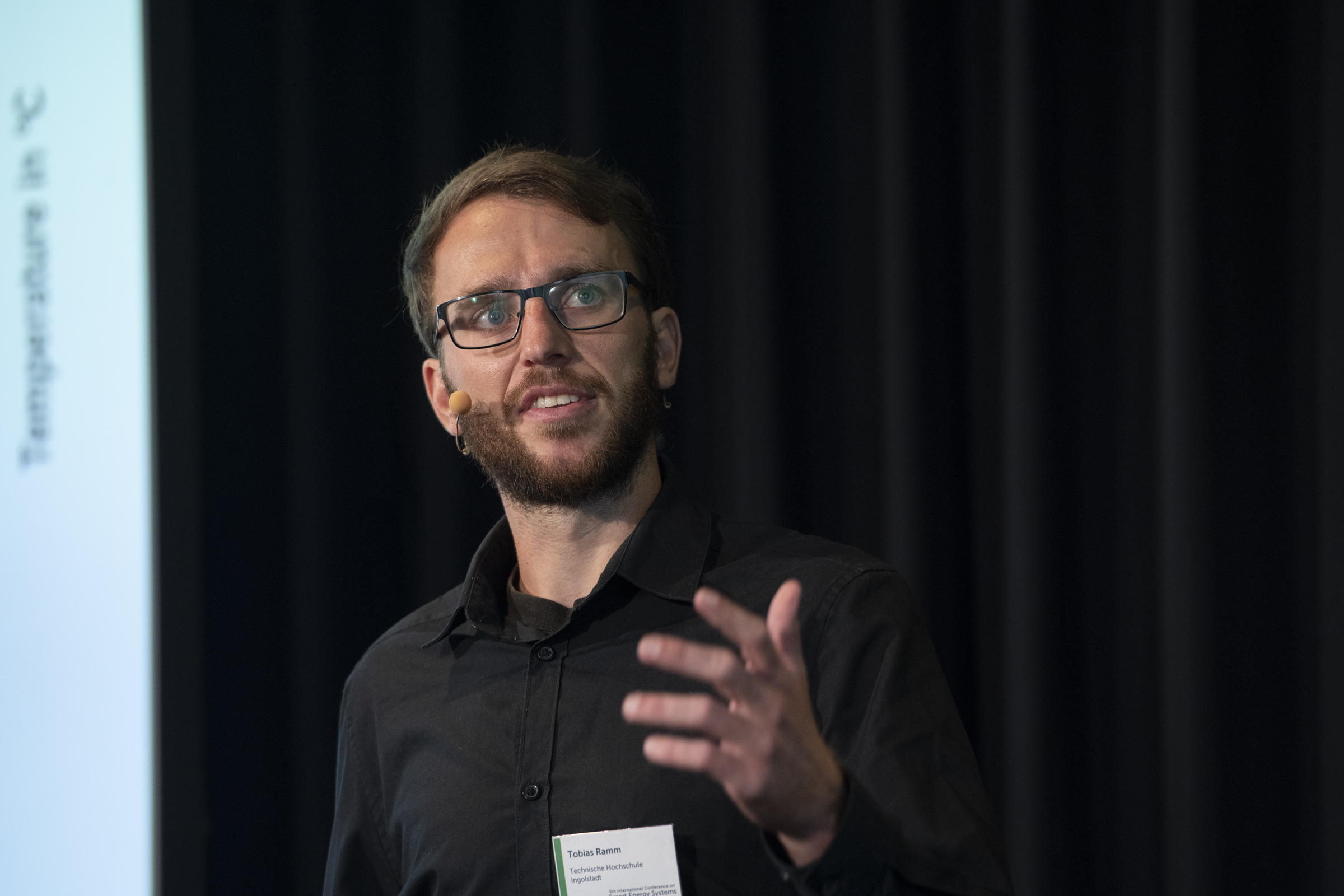
Tobias Ramm: Development and investigation of optimised operation strategies for district heating systems with variable temperatures
Vilhjálmur Nielsen: Preparing a school building from 1920’s for low temperature district heating while improving indoor climate by use of wireless sensors
Session keynote Morten Karstoft Rasmussen: Data-driven decision support for optimisation of heat installations
Etienne Cuisinier: Energy system investment planning: a methodological review towards a new approach at the territorial level
Thibaut Resimont: A multi-period MILP model for the topological optimization of a district heating network
Paul Egberts: Challenges in Heat Network Topology Optimization
Ana Turk: Two -stage stochastic day-ahead scheduling for integrated heat, electricity and gas system as MILP model
Danica Maljkovic: Machine learning algorithms for modelling consumption in district heating systems
Session keynote Henrik Dalsgaard: A pathway to emission free district heating in a world driven by data and electricity – Case: data center waste heat utilization
Stefan Holler: Methodology to assess the potential of waste heat from industry, service sector and sewage water
Johannes Pelda: sim4dhs – an algorithm to simulate tree and meshed district heating networks dynamically
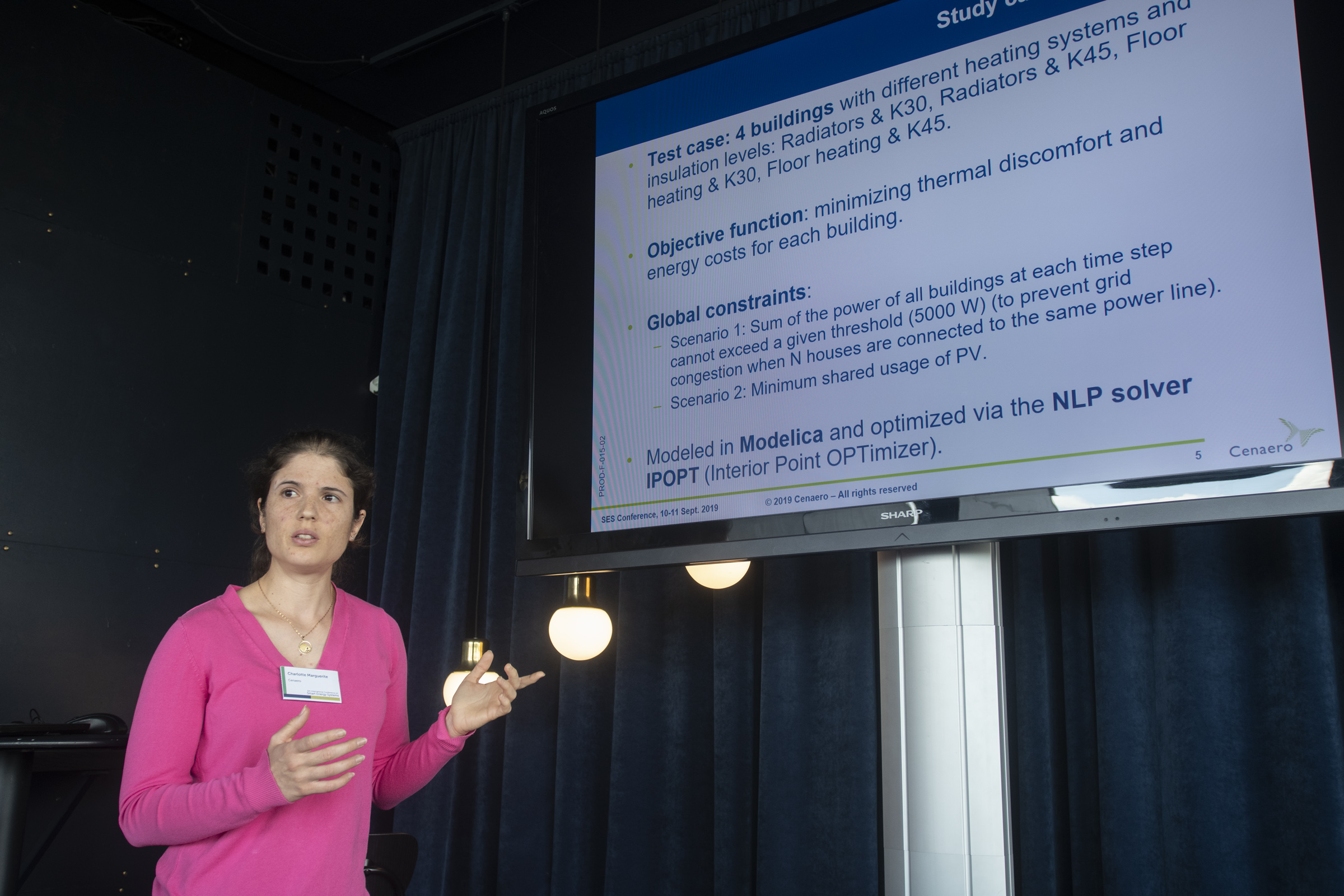
Charlotte Marguerite: Optimization of flexible electricity loads of a buildings cluster using distributed model predictive control
Johannes Röder: Design of renewable and system-beneficial district heating systems using dynamic emission factors for grid-sourced electricity in optimization models
Saleh Mohammadi: Optimization of temperature levels in decentralized solar feed-in heat grids, A case study of Dutch refurbished building in a residential neighbourhood
Session keynote Tom Brown: The cost-benefit of transmission grid reinforcement in a highly-renewable European smart energy scenario
Dominik Franjo Dominković: A Potential for Interconnecting District Heating Grids: The Case of the Greater Zagreb Region
Hironao Matsubara: Current Status and Issues of Renewable Heating System towards 4DH in Japan
Behzad Rismanchi: Resilience metrics and drivers for energy system planning at the community level
Tetsunari Iida: Issues of renewable energy heat policy and establishment of 4DH forum in Japan
Session keynote Marie Münster: What is the benefit from sector coupling?
Sylvain Quoilin: Modeling the flexibility offered by coupling the heating sector and the power sector: an assessment at the EU level
Frederik Banis: Handling Uncertainty in Sector Coupled Systems using Dynamic Programming and Model Predictive Control
Naoya Nagano: Introducing sector coupling to utilize renewable resources for regional decarbonization in Japan
Steven de Jongh: Machine learning based state-estimation in sector coupled energy distribution systems
Session keynote Morten Jordt Duedahl: Internal Rate of Return and how it affects development of city wide district heating projects
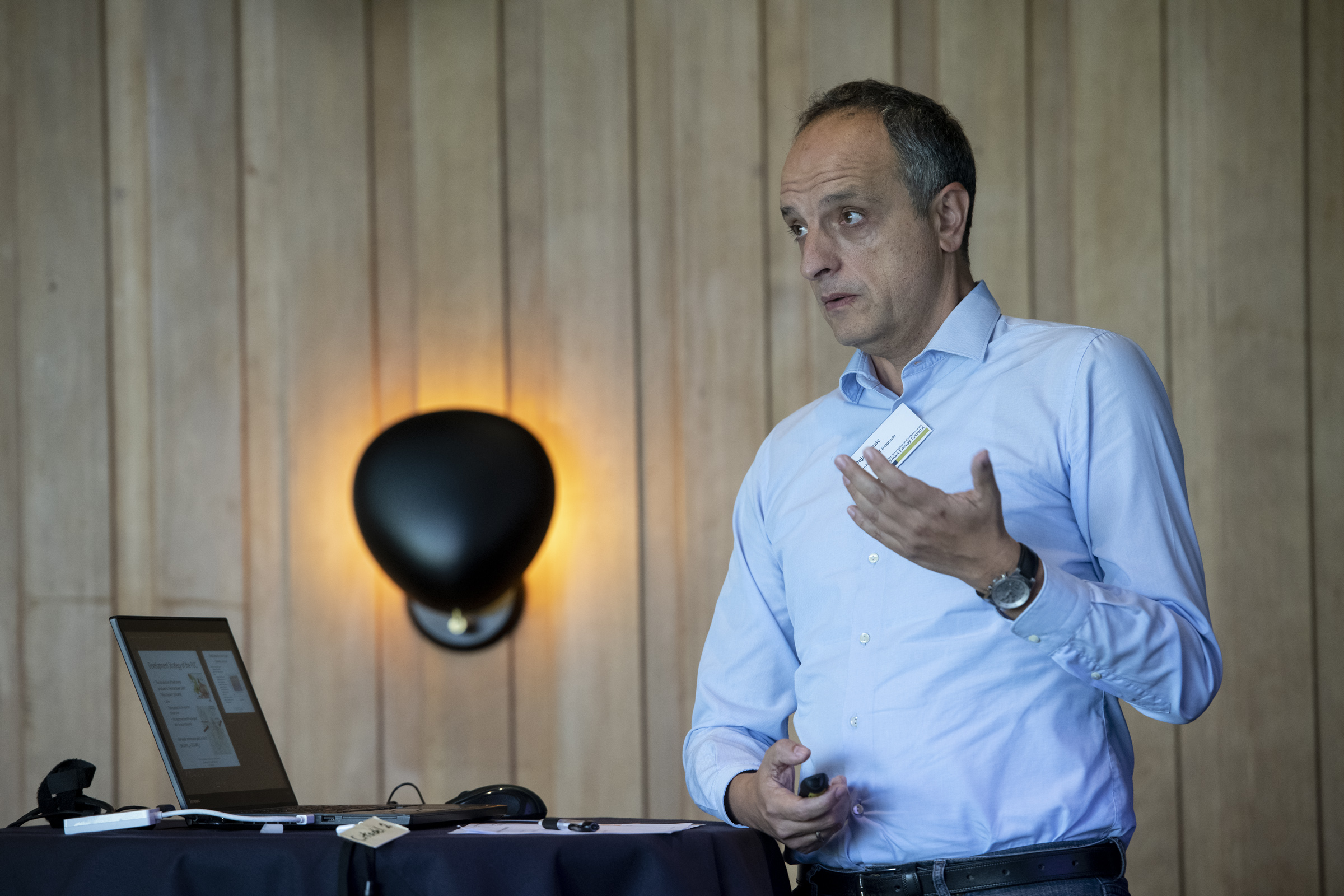
Dejan Ivezić: The State and Perspective of Belgrade District Heating System Development
Nyamtsetseg Ivanov: Applicability of Solar-Assisted Heat Pump System for Space Heating in Mongolia
Romanas Savickas: Challenges of Development of Green Field District Heating technologies in Latino America. Temuco city case in Chile
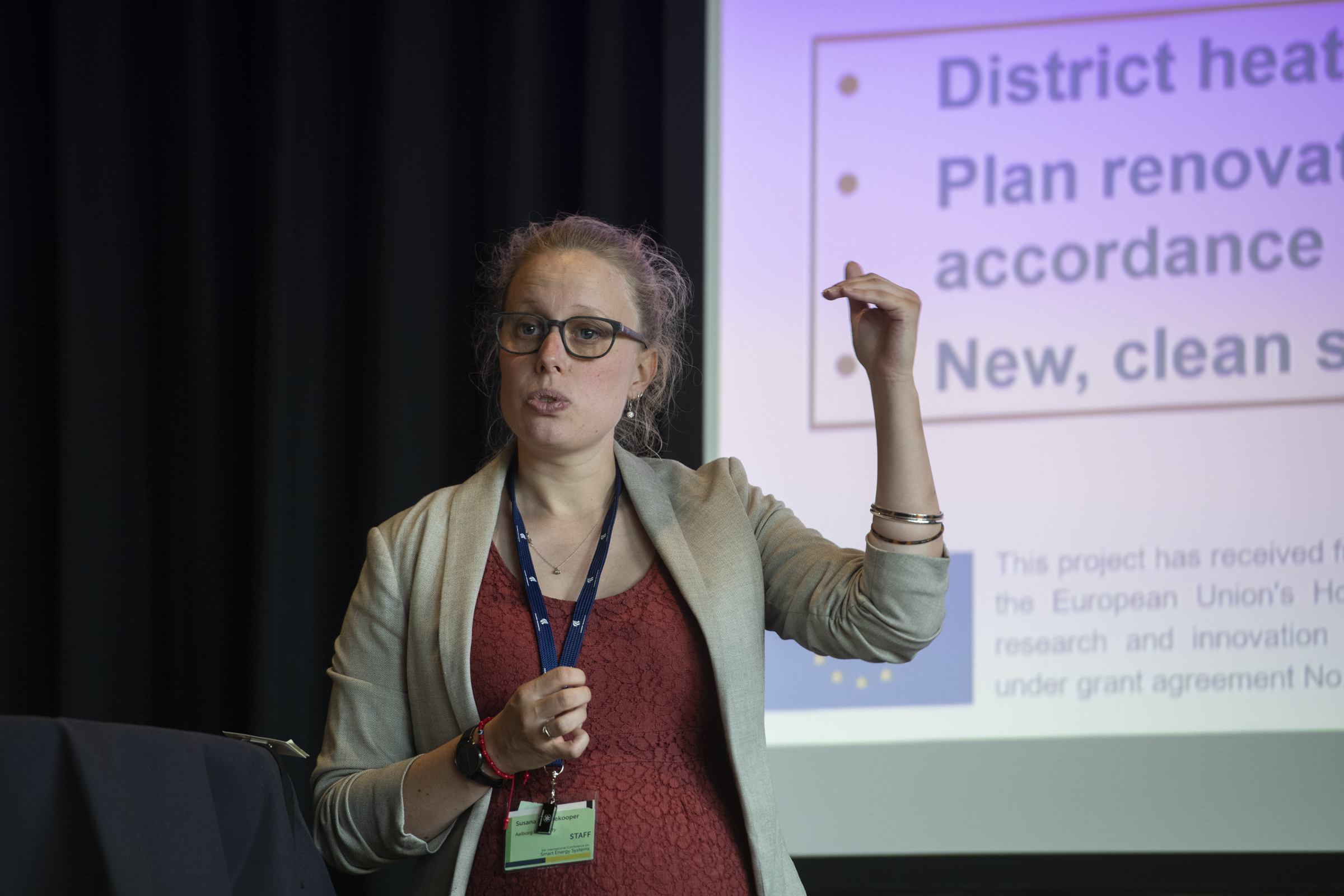
Susana Paardekooper: Heat Roadmap Europe: Heating typology as a basis for policy recommendations
Zhuolun Chen: Fast Decision Making Tools for District Cooling Project Development in Urban Planning Stage
Session keynote Mei Gong: Enhanced Biomass CHP plants for district heating systems
Hanne Kauko: Local thermal grids with waste heat utilization: low- or medium-temperature supply?
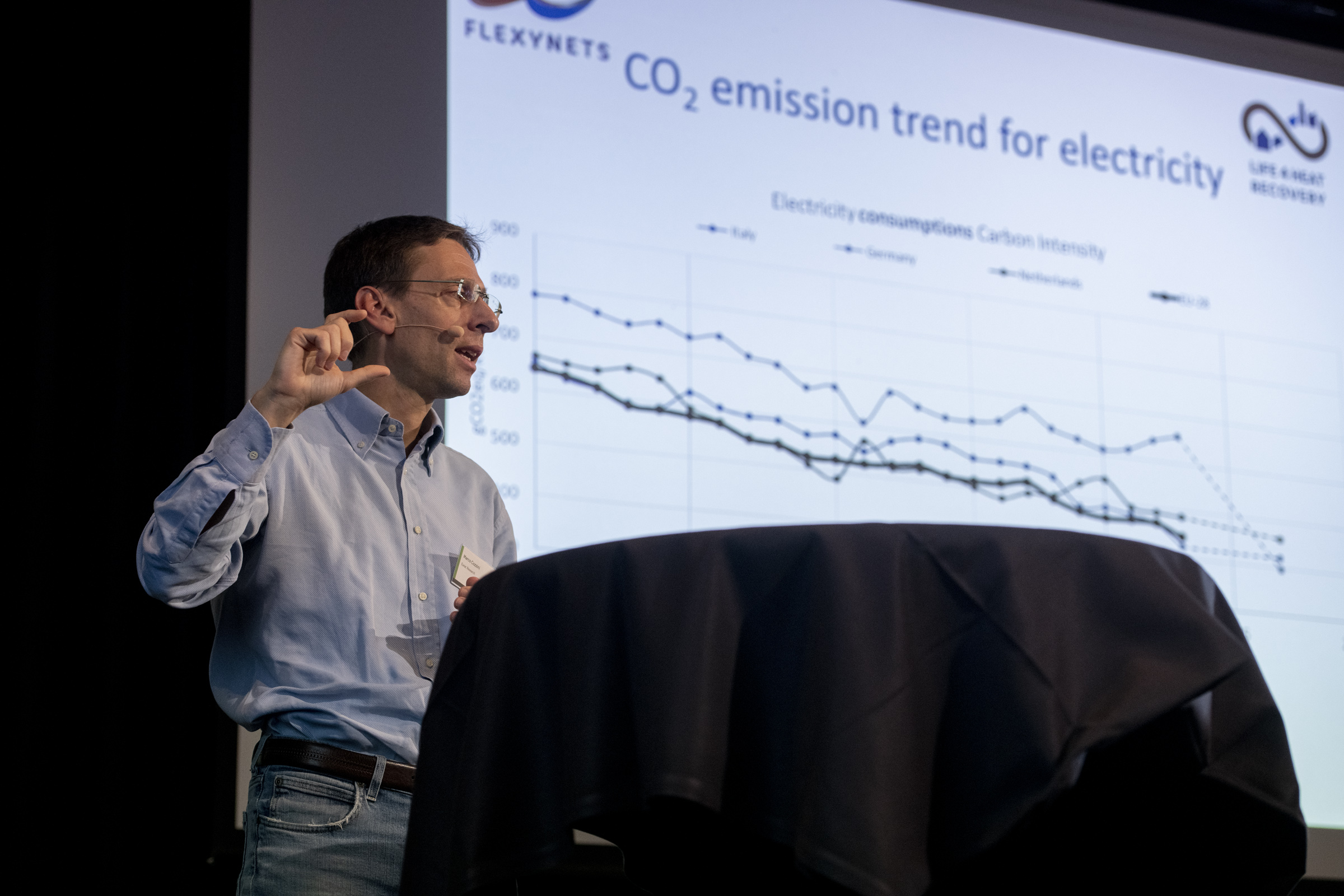
Marco Cozzini: Techno-economic scenarios for neutral-temperature district heating and cooling networks based on decentralized heat pumps
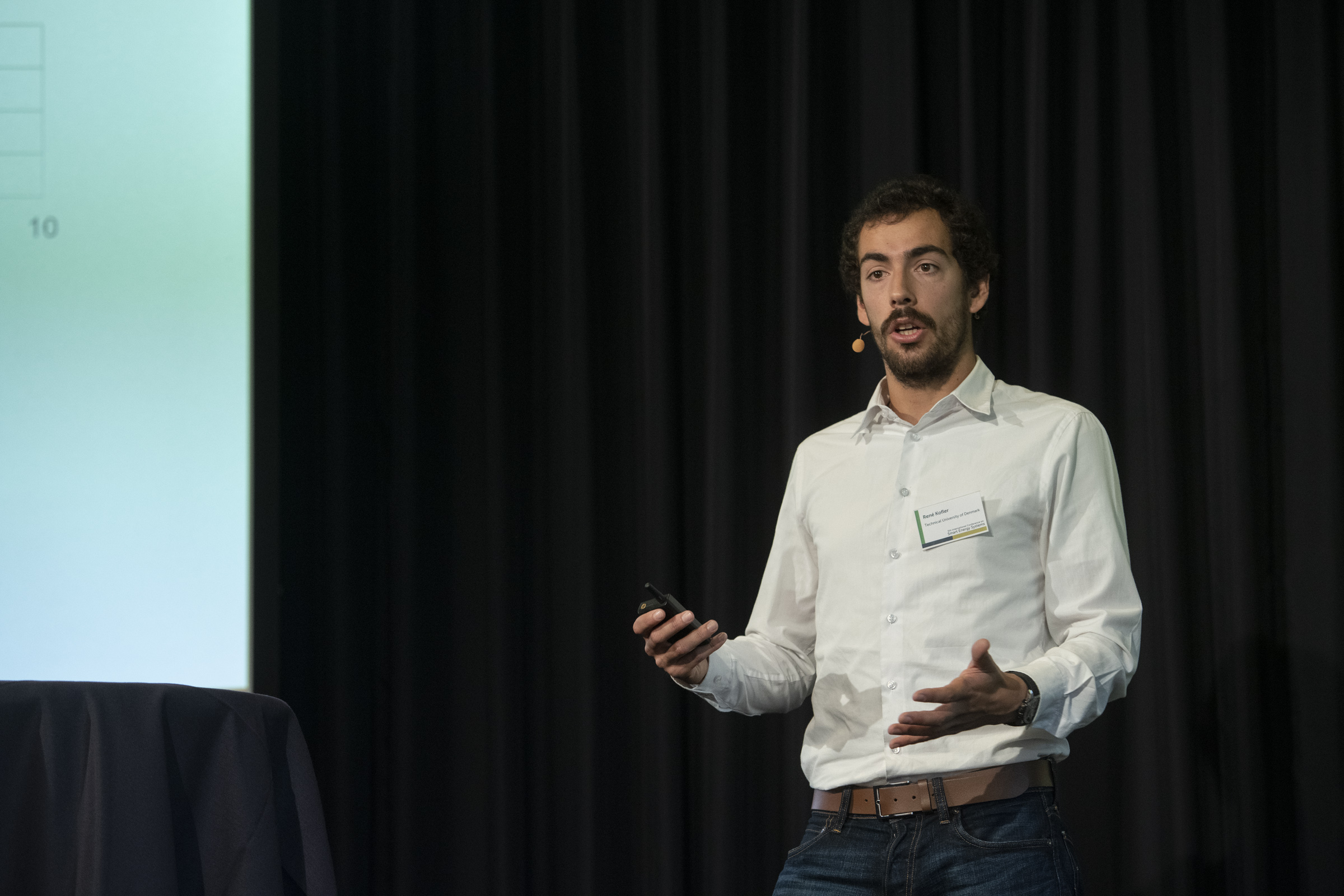
Rene Kofler: Performance analysis of a heat pump system, providing district heating and cooling through gradual heating and cooling
Session keynote Jakob Zinck Thellufsen: Benefits to single country modelling: Comparing 14 interconnected individual country models to a single 14-country model
Ewoud Werkman: Modelling Energy Systems in an interoperable, reusable and comparable way
Kristine Askeland: The impact of geographical resolution of hydropower in energy systems modelling
Roberto Vaccaro: A computational model linking EnergyPLAN with Input-Output analysis for evaluating the economy-wide impact of the transition at regional level
Salman Siddiqui: A novel method for forecasting electricity prices in a system with renewables and large scale grid storage for use in energy system models
Isabelle Best: Systematic investigation of the building envelope’s and hot water production systems’ influence on the heat load profile of districts
Conference Committees
Prof. Dagnija Blumberga, Riga Technical University, Latvia
Dr. Robin Wiltshire, Building Research Establishment (BRE), UK
Dr. Anton Ianakiev, Nottingham Trent University
Dr. Ralf-Roman Schmidt, Austrian Institute of Technology, Austria
Dr. Hanne L. Raadal, Østfold Research, Norway
Dr. Richard van Leeuwen, Saxion University, The Netherlands
Prof. Thomas Brown, Frankfurt University, Germany
Prof. Martin Greiner, Aarhus University, Denmark
Prof. Dr.-Ing. Ingo Weidlich, HafenCity University, Germany
Prof. Eric Ahlgren, Chalmers University of Technology, Sweden
Prof. Sven Werner, Halmstad University, Sweden
Prof. Leif Gustavsson, Linnaeus University, Sweden
Prof. Poul Erik Morthorst, Technical University of Denmark
Prof. Svend Svendsen, Technical University of Denmark
Prof. Xiliang Zhang, Tsinghua University, China
Prof. Bernd Möller, University of Flensburg, Germany
Prof. Bent Ole G. Mortensen, University of Southern Denmark
Prof. Neven Duic, University of Zagreb, Croatia
Prof. Christian Breyer, Lappeeranta University of Tech, Finland
Prof. Ernst Worrell, Utrecht University, The Netherlands
Dr. Paula Ferreira, University of Minho, Portugal
Ass. Prof. Younes Noorollahi, University of Tehran, Iran
Ass. Prof. Carsten Bojesen, Aalborg University, Denmark
Prof. Frede Hvelplund, Aalborg University, Denmark
Anders Bavnhøj Hansen, Energinet.dk
Anders Dyrelund, Rambøll
Jan‐Eric Thorsen, Danfoss
Anders N. Andersen, EMD International
Henrik Ottesen, DESMI
Peter Jorsal, LOGSTOR
Per Wulff, Vestforbrænding
Morten Abildgaard, Viborg Fjernvarme
Jesper Møller Larsen, Aalborg Forsyning, Varme
Steen Schelle Jensen, Kamstrup
John Bøgild Hansen, Haldor Topsøe
Svante Bundgaard, Aalborg CSP
Fabian Levihn, Stockholm Exergi
Sponsors
Sponsorships for Best Presenter Awards


Silver Sponsorships


Supported by